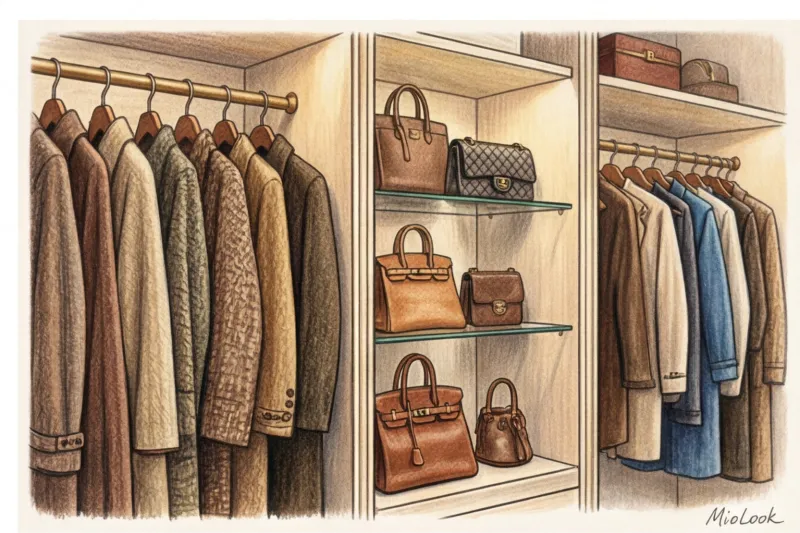
You know what phrase I hear most often when I'm first sorting through the wardrobes of my new VIP clients? "Julia, I bought this bag as an investment." The problem is, eight out of ten times, this so-called "investment" has already lost half its value before it even leaves the boutique.
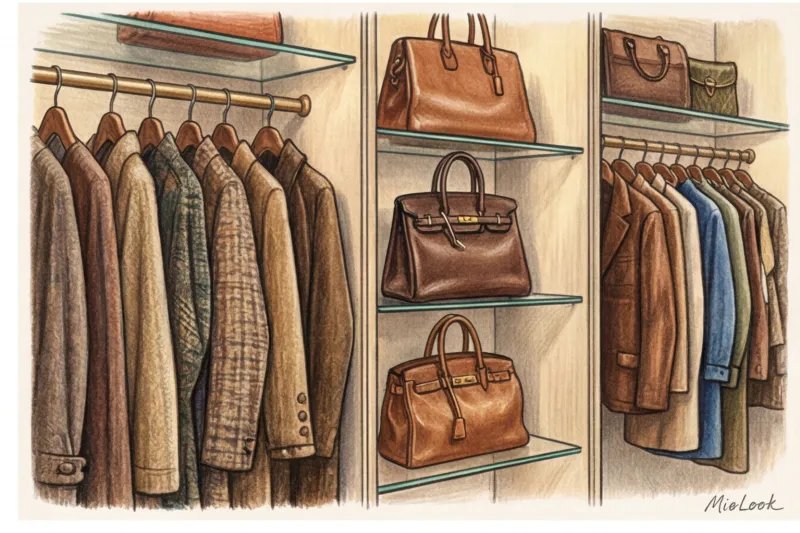
There's a dangerous myth that any item bearing a famous brand's logo automatically becomes a valuable asset. In reality, 80% of old designer items simply become used clothing. True "archival luxury" operates according to the laws of the stock market. We've covered the basics of finding such finds in our comprehensive guide: Vintage Clothing in Your Wardrobe: How to Find Unique Pieces.
But today, we'll put emotions aside and talk numbers. Let's explore which vintage items are rising in value, the physical differences between archival collections and modern mass-market items, and how to distinguish a diamond from a typical second-hand item.
A New Asset Class: Why and Which Vintage Items Are Rising in Value
The attitude toward vintage designer clothing has changed dramatically over the past decade. What was once considered simply "past collections" is now classified as alternative investments. According to Knight Frank Luxury Investment Index (2023) , rare bags and vintage watches are outperforming classical art and collectible wine in terms of profitability.
Why is this happening? The answer lies in the shortage of manual labor and changing production technologies. Modern mass-market and even current premium products are tailored for quick turnover. Brands are optimizing costs: natural silk is being replaced with viscose blends, and hand-stitching is being replaced with machine-spliced fabrics.
When you buy a vintage item from 20-30 years ago, you're not just paying for the brand. You're buying quality materials and a level of craftsmanship that simply can't be replicated today at the same price points. If you do the math Cost-per-wear (cost per outing) A vintage cashmere sweater for €400 will last you 15 years, while a modern equivalent for the same price will pill after just one season.
Legendary Bags: The Blue Chips of Your Wardrobe
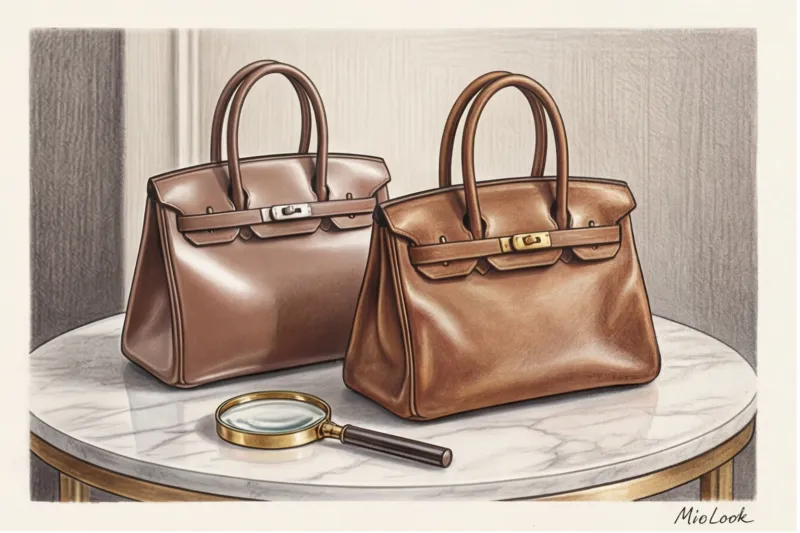
Bags remain the most liquid and reliable investment category. But not just any bag. The "Holy Trinity" of resale has investment value: Hermès, Chanel, and limited edition Louis Vuitton. And it's here that the age of the item often drives up the price.
Five years ago, a client from Milan contacted me to find a Hermès Kelly bag. She wanted to buy a new model from a boutique, but I insisted on finding a vintage version from the 90s in smooth Box Calf leather. Why? This leather is no longer produced in the same quantities as before, and over time it develops a stunning glossy patina that collectors value more highly than mint condition. We found a wonderful example for approximately €8,500. Today, according to auction houses, a similar bag costs over €16,000.
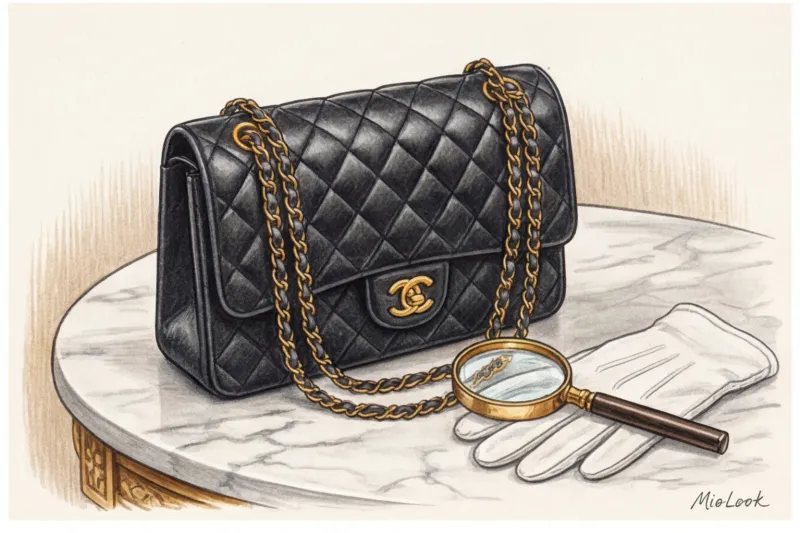
The Pre-2008 Era: The Gold Standard in Hardware
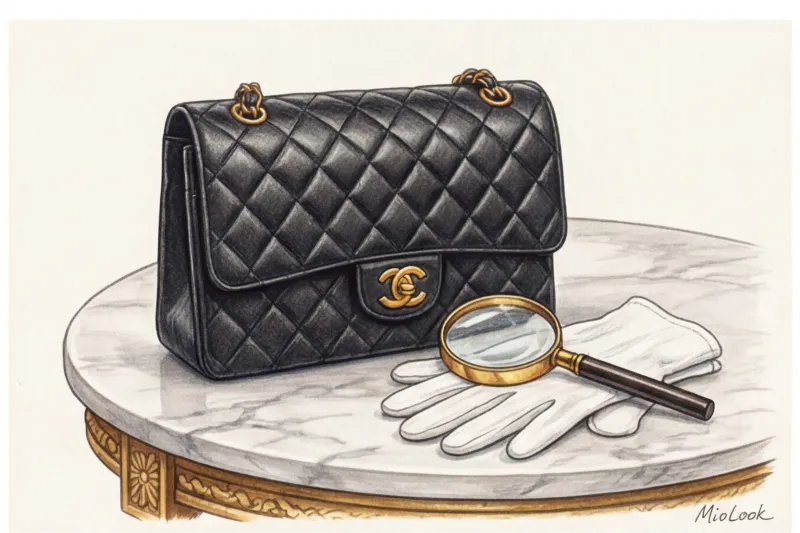
One of my favorite trade secrets has to do with Chanel's hardware. If you're looking for a Classic Flap bag, look for models released before the end of 2008. During that period, the brand used genuine 24-karat gold to plate the hardware.
How can you tell? Look for the CC logo lock. On vintage gold-plated models, you'll find a tiny hallmark on the upper left side of the left C. Modern Chanel bags use gold-colored metal, which can tarnish or wear off over time, while vintage Chanel bags retain the deep, warm luster of real gold. The statistics are brutal: vintage Chanel Classic Flap bags have increased in value by more than 100% over the past decade.
Your perfect look starts here
Join thousands of users who look flawless every day with MioLook. Artificial intelligence will help you incorporate vintage finds into a modern wardrobe.
Get access — €0.99 onceArchival Luxury: Clothing That Collectors Hunt
If bags are stable blue chips, then archival clothing is a risky but incredibly profitable venture capital. What is archival luxury? It's not just old pieces; it's iconic pieces from the collections of great creative directors who changed the course of fashion history.
This category includes Tom Ford's collections for Gucci (especially the fall-winter 1995 and 1996), Dior from the John Galliano era, early Maison Martin Margiela, and, of course, Phoebe Philo-era Celine (the so-called Old Celine). Prices for these items on resale platforms are rising every year.
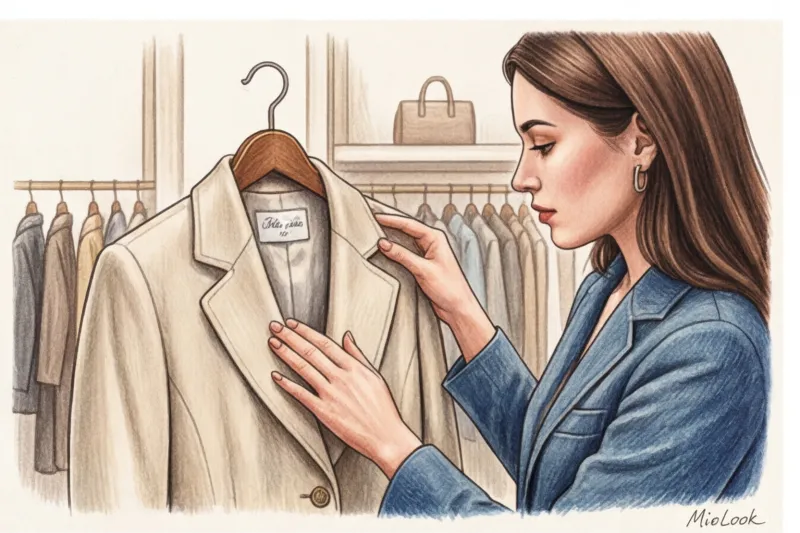
"When you buy archival fashion, you're acquiring a tangible piece of art history. These pieces are no longer produced; their patterns have been lost, and the fabrics have been discontinued."
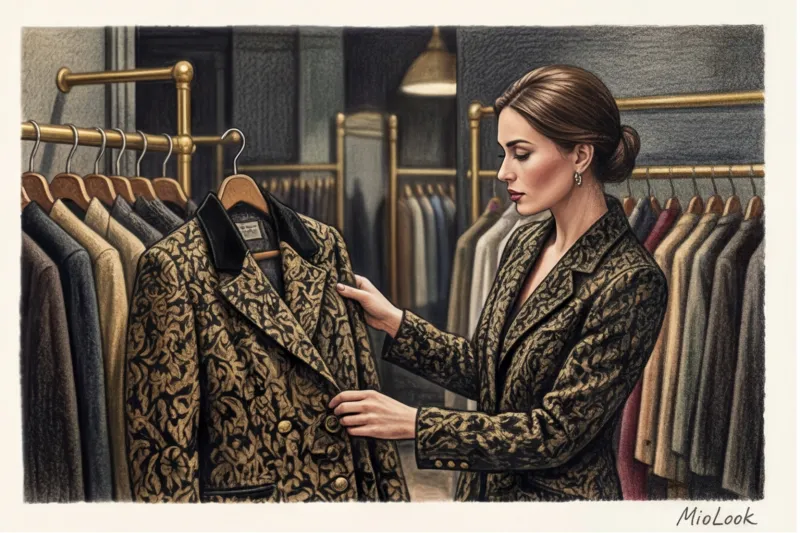
As a stylist, I always pay attention to technical execution. I recently compared the seams on a Yves Saint Laurent jacket from the 1980s with pieces from the brand's current collection. The difference is colossal. The vintage version features hand-flashing of the lapels, heavy gabardine, and perfectly matched darts. Such quality is now only found in couture pieces priced at €10,000 or more. If you want to skillfully integrate such complex archival finds into your everyday life, I recommend using MioLook — a smart manager will help you digitize your wardrobe and create stylish combinations where vintage will take center stage.
Swiss Watches and Jewelry: Timeless Investments
The Hard Luxury category is a great place to start when building an investment portfolio. Classic Swiss watches never go out of style.
Vintage Cartier Tanks and classic Rolex Datejusts appreciate in value faster than many modern new releases. Why? Collectors appreciate the aesthetics of natural aging: for example, slightly faded dials ("tropical dials"), which acquire a unique caramel hue. This age-related defect makes each watch unique.
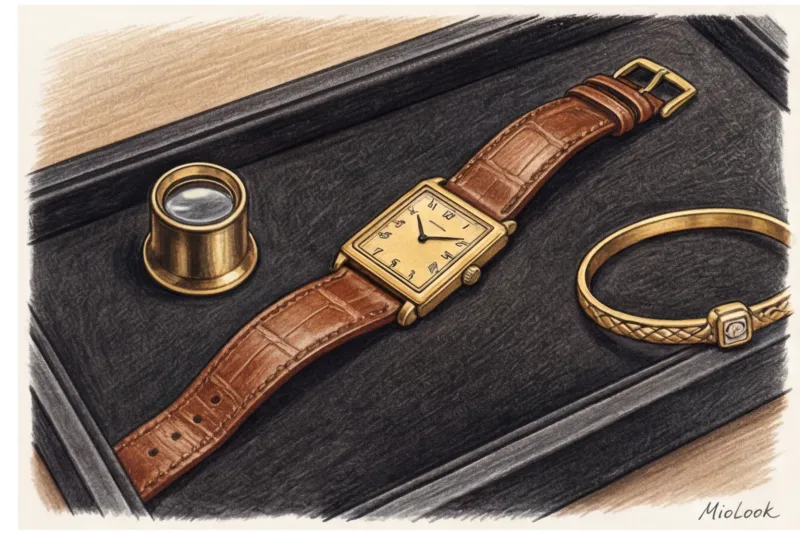
Among jewelry, Van Cleef & Arpels (especially the Alhambra collection) and vintage Tiffany & Co. pieces designed by Elsa Peretti or Jean Schlumberger remain the absolute leaders in the secondary market. But there's a crucial rule: the investment value of a piece of jewelry or a watch rests on the concept of Full Set Having the original box and documents can increase the value of an item by 20-30%.
The Vintage Illusion: What Old Things Will Never Pay Off
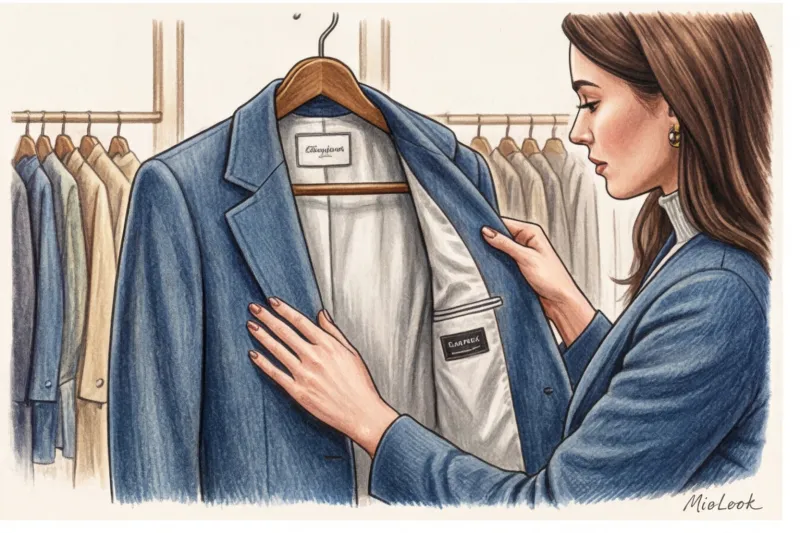
It's time for the harsh truth. I want to sternly warn you against buying worn-out items in the hopes of a miraculous appreciation. My advice won't work if you're buying an item in poor condition. Remember: worn-out luxury is a bad investment.
According to Luxury Resale Report (2024) According to The RealReal, items from "run-of-the-mill" or unsuccessful collections, even from top brands, lose up to 90% of their original value. An old Prada fabric bag with frayed corners or a faded silk Gucci scarf won't appreciate in ten years—they'll simply become completely unusable.
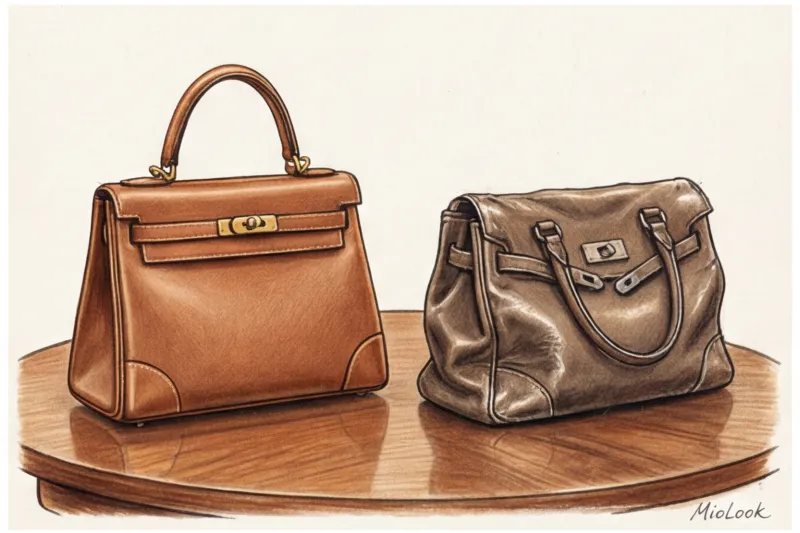
The second fatal investment mistake is over-restoration. I once had a client take a rare vintage Chanel bag to a third-party workshop, where the leather was completely repainted with pigment to hide the scratches. While the bag did look "like new," its collectible value instantly plummeted. For auction houses, a repainted bag or a repainted watch dial is a ruined item, one that has lost its authenticity.
Ready to get started?
Try the MioLook free plan—no commitments required. Artificial intelligence will help you organize your wardrobe and evaluate your current assets.
Get access — €0.99 onceChecklist: How to Choose a Vintage Item with Investment Potential
When I audit my VIP clients' wardrobes and select items for investment storage or resale, I use a strict algorithm. Here's a checklist to help you avoid making mistakes when buying vintage:
- Authenticity and era verification: Always check serial numbers and hallmarks. Study how the brand's fonts have changed over the decades. Uneven stitching on a vintage Hermès is acceptable (as it's hand-stitched), but crooked machine stitching on a Dior is a sign of a fake.
- Rarity rating: Ask yourself: is this a limited edition or a staple item churned out in millions? Look for unconventional materials, collaborations, or discontinued styles.
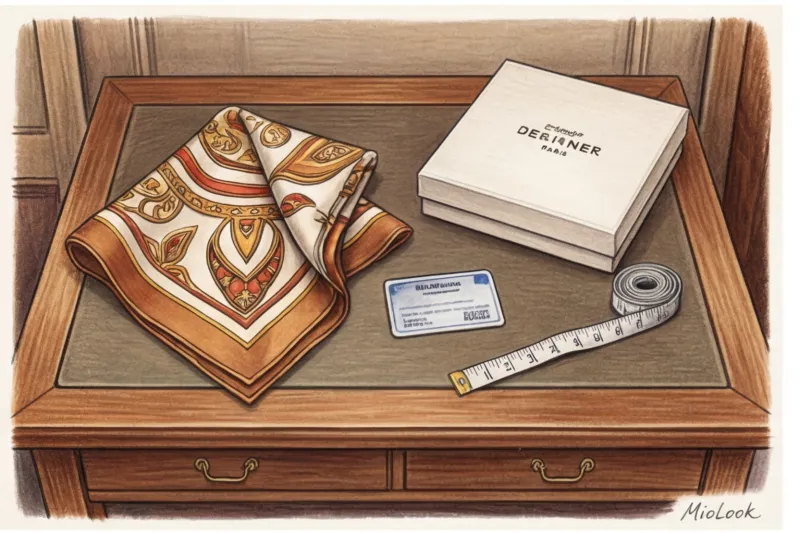
- Assessment of condition and completeness: Never buy items with a strong musty odor, deep cracks in the leather, or distorted geometry (lost shape). Look for items with original dust bags, receipts, and authenticity cards.
Where to Safely Buy Investment Vintage
The main rule for a fashion investor is to buy only from places with a multi-stage authentication system. I strongly recommend searching for archival luxury through trusted auction houses (Sotheby's, Christie's) for items in the "grand luxury" category.
For everyday investment shopping, reputable international platforms like The RealReal or specialized vintage boutiques with impeccable reputations are suitable. Buying expensive handbags or watches secondhand from an ad without a professional appraisal is always a game of Russian roulette, where you're almost certain to lose.
A smart investment wardrobe isn't a museum warehouse. It's a carefully curated collection of masterpieces that you enjoy every day. Buy vintage not just for the numbers on the auction house reports, but because you genuinely love these pieces. After all, the best investment is one you wear with impeccable confidence.