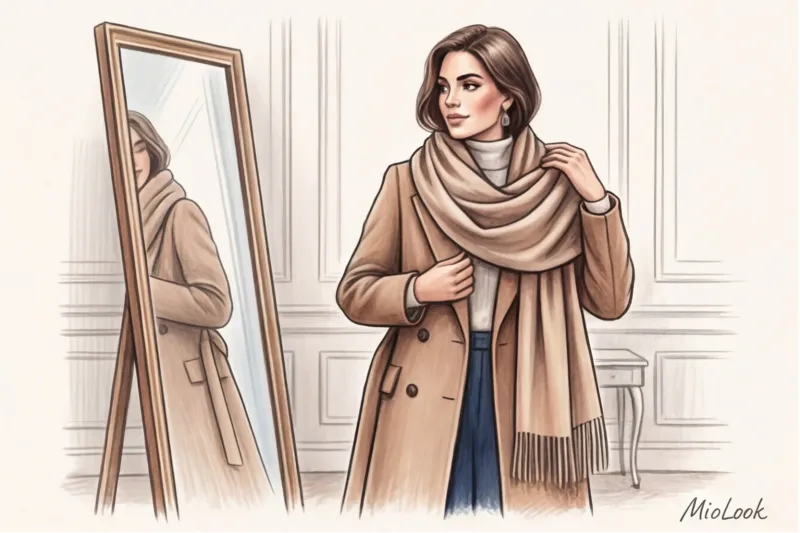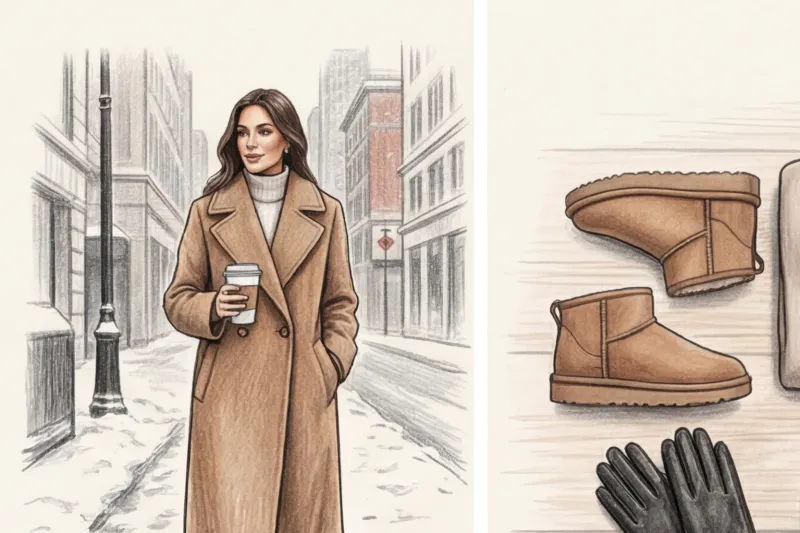
I often see the same dramatic scene on winter streets. A woman buys a stunning, expensive maxi-length wool coat, puts it on, feels like a million bucks... and then looks down at her legs, clad in shapeless "moon boots" or padded boots with enormous tractor soles. At that moment, the elegant, elongated silhouette instantly collapses, and the figure's proportions are hopelessly distorted. One of my clients put it this way: "In the mirror at home, I'm Anna Karenina, but outside, I'm a tired polar explorer."
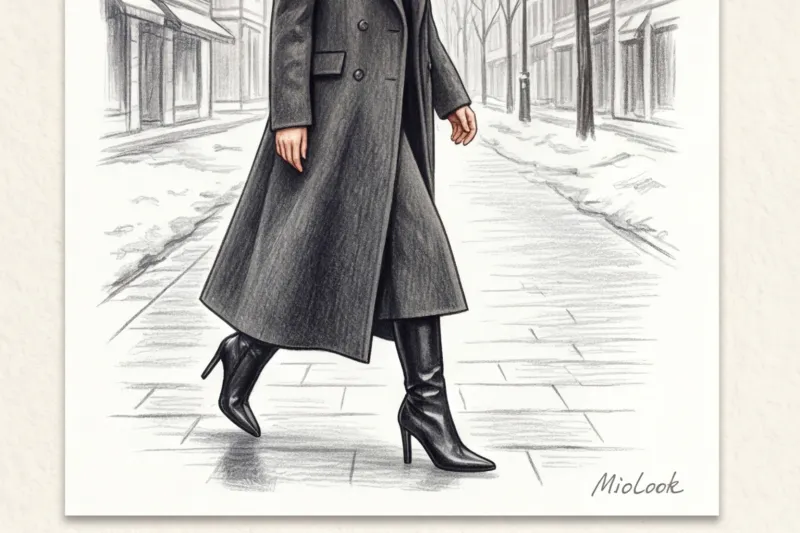
It's time to acknowledge the obvious: hyper-oversized and "ugly" shoes are finally out. We've already discussed the architecture of the new silhouette in more detail in our A complete guide to the main fall-winter clothing trends This season, structure, stateliness, and clean lines are king. And today, a well-chosen fashionable winter shoes for women — this is not a compromise between warmth and style, but a competent engineering calculation, where the thickness of the sole and the shape of the toe are of decisive importance.
The end of the oversized era: what fashionable women's winter shoes are in fashion this season
If you look at the 2024-2025 analysis from global trend forecasting agency WGSN, you'll see a clear graph: demand for aggressive, heavy footwear is declining. We're tired of visual noise. At the Saint Laurent and Schiaparelli fall/winter shows, shoes literally became an extension of the foot—slim, strict, elongating the silhouette into a single vertical line.
Why don't oversized, chunky soles work anymore? When you wear a structured coat with a defined shoulder line, chunky shoes pull the visual weight down. You appear shorter and wider than you actually are. The new formula for "structured comfort" is: a stable base, yet a graceful form. We need clean shaft lines, a small, stable heel, and a lack of unnecessary embellishment like decorative straps, studs, and chunky treads that scream Everest-climbing.
"Your shoes shouldn't compete with your coat. If your outerwear sets the tone for elegance, your shoes should support that architecture, not play survivalist," says Katarzyna Nowak.
Top 3 Winter Shoe Trends: From the Catwalk to Icy Streets
Let's move from runway concepts to the real streets. Over 12 years of wardrobe analysis, I've identified three styles that are worth every penny invested.
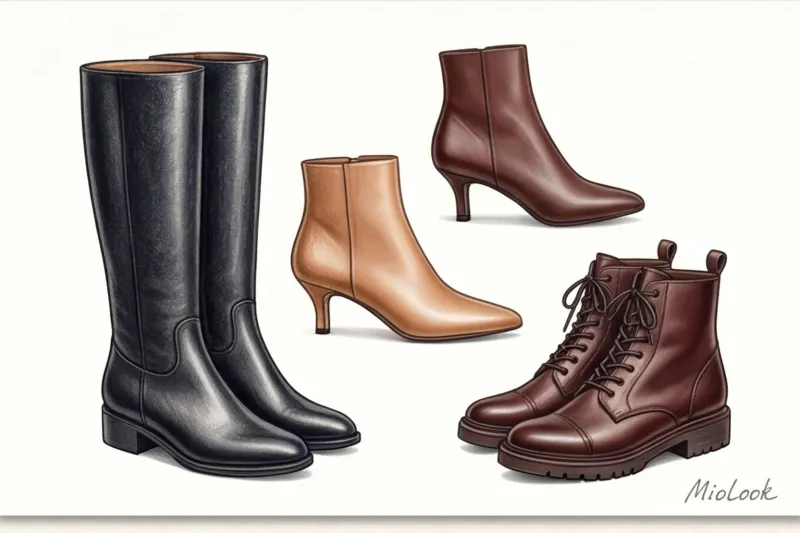
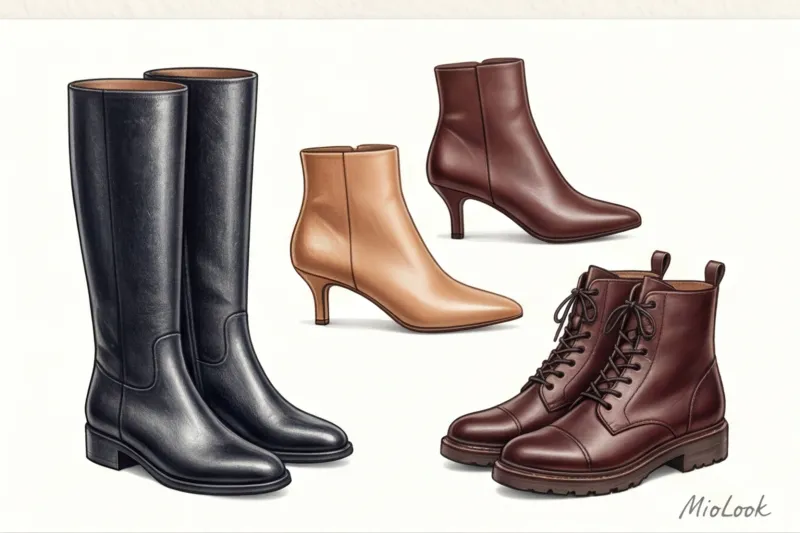
1. Tubular boots
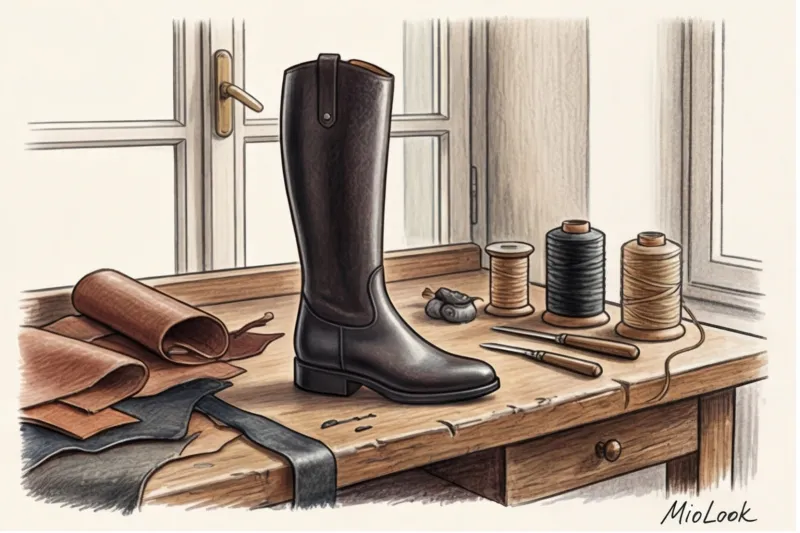
This is an absolute must-have and the best investment of the year. The wide, straight shaft offers no hint of anatomical fit to the calf. The lack of a zipper makes them look more expensive. Because the boot doesn't hug the leg, any calf appears fragile and slender. Moreover, these "tubes" permanently solve the age-old winter problem: how to tuck your trousers into your boots without looking like you're going fishing.
2. Pointed toe and kitten heel for winter
Sounds crazy for February, right? And I'll be brutally honest here: This rule does NOT apply if you are waiting for a bus for 40 minutes in a snowdrift at -15°C But statistics show that many women commute the same way: home, taxi, car, and office. For the "clean asphalt" rule, elegant kitten heel ankle boots with an elongated toe are a way to add a touch of class to your look without sacrificing comfort. According to Lyst, searches for "pointed-toe winter boots" increased by 46% in the last quarter.
3. Updated jockey boots
For those who prefer a flat ride, these are classic utility shoes. Thick, stiff leather, a straight shaft that reaches the knee, and a 2-3 cm heel. They perfectly pull together relaxed looks with oversized sweaters and thick leggings, while maintaining the aristocratic spirit of equestrian style.
How to integrate trends into your daily life without risking your health
A thin stiletto heel in winter is a surefire way to get to the doctor. A safer alternative is a tapered "cowboy" heel or an architectural block heel. They provide the necessary support on slippery surfaces. Pay attention to micro-treads: premium and high-quality mid-range brands have learned to conceal the anti-slip texture on the sole so that it appears completely flat and elegant from the side, yet still provides confident traction on ice.
Your perfect look starts here
Need some ideas on how to pair your new tube boots? MioLook's smart AI stylist will curate dozens of trendy looks from your current wardrobe, taking the weather into account.
Get access — €0.99 onceMass-market test drive: Zara, COS, Massimo Dutti – what's worth paying for?
Fashionable women's winter footwear in the mass market is always a game of minesweeper. I regularly test new collections from European brands, and here's my harsh assessment of their winter lines.
Massimo Dutti: Traditionally, the best leather "pipes" and riding boots are available here in the under-250 euro price range. The leather is excellent quality, aging beautifully and forming the perfect creases. However, there's a major drawback: the soles are often too thin or made of smooth rubber, which hardens in the cold. Life hack: Buy boots from Massimo and immediately take them to the repair shop to have polyurethane "preventative" (roll-on) applied with a tread. This will save both your shoes and your nerves.
COS: If you're looking for architectural shapes and minimalism, this is the place for you. Their square toes and sculpted heels look luxurious. However, their shoes often suffer from poor insulation. They're a great choice for mild European winters (around 0°C), but they're not suitable for severe frosts, even with thick socks.
Zara and & Other Stories: At Zara, it only makes sense to buy trendy silhouettes for one season. I strongly advise against their winter footwear made of faux leather (polyurethane). In my experience, at temperatures below -10°C, this material simply cracks at the folds (vamp) after just a month of active wear. The situation is better at & Other Stories: their basic genuine leather Chelsea boots last well for 2-3 seasons, if regularly treated with water-repellent wax.
Proportion Error: How to Pair Winter Shoes with the Trendy Maxi Length
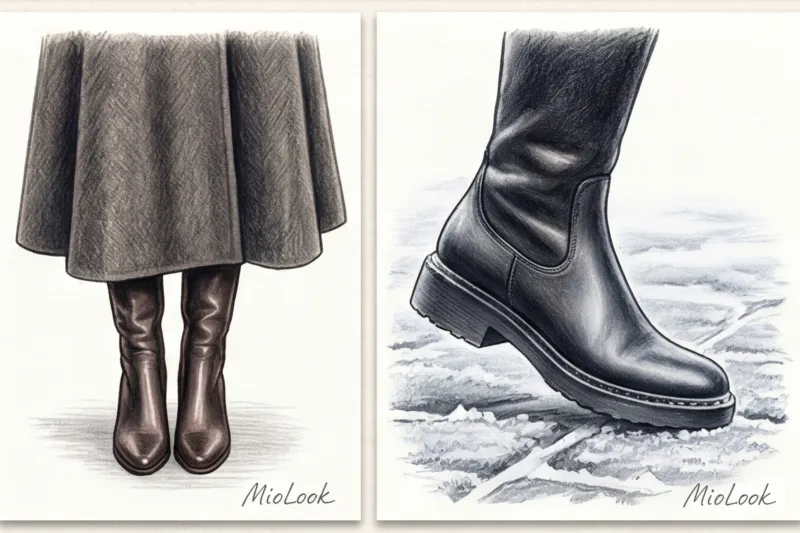
Maxi and midi lengths are here to stay, but this is where women make their biggest styling mistake. Remember the golden rule of silhouette geometry: The hem of your skirt or coat should overlap the top of your boots by at least a couple of centimeters.
No stripes of nude or even black tights between the boot and the skirt! This visual gap cuts off the leg and makes you look shorter. A continuous line from the waist to the toe of the boot is what elongates your height.
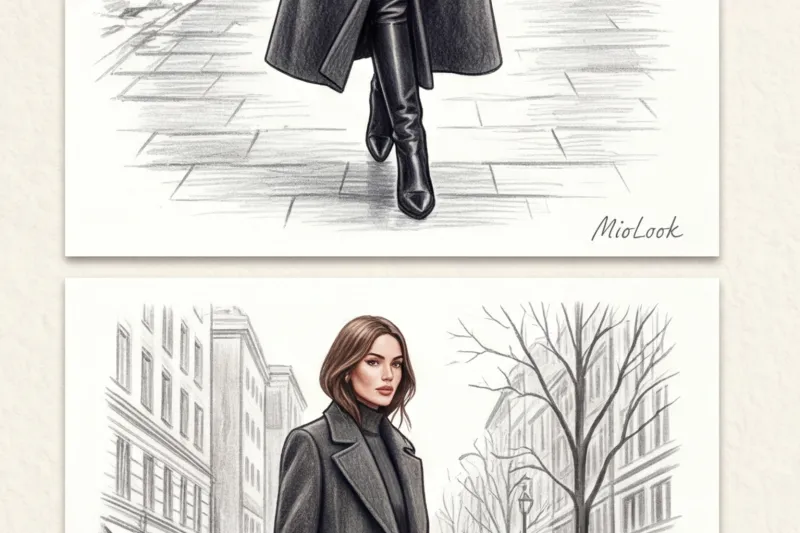
If you wear wide-leg palazzo pants in winter, you'll run into a problem: the legs collect all the slush from the sidewalks. The solution is ankle boots with a fitted shaft (so the leg falls loosely over the top) and a heel or hidden platform high enough that the hem of the pants is exactly 1.5 centimeters off the ground.
And don't forget about the contrasting textures: the smooth, slightly glossy leather of tube boots looks incredibly expensive against a loose drape coat or a heavy wool skirt. This difference in texture adds sophistication and class to the look.
Debunking the myths: why thick fur on the inside doesn't guarantee warmth
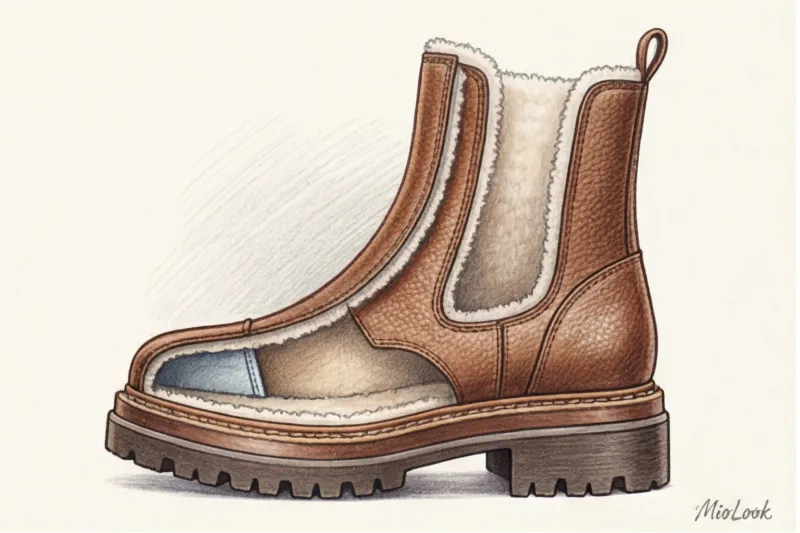
I'm going to debunk one of the main myths that makes women buy shapeless Ugg boots and abandon elegant footwear. We're used to thinking that the thicker the fur inside the boot, the warmer our feet will be. This is a misconception that defies physics.
In fact, your main enemy in winter is the frozen ground beneath your feet. Heat is lost through the soles. The distance from your foot to the asphalt is much more important than the thickness of the sheepskin inside. Elegant leather boots with a so-called "Euro-winter" (leather inside or thin pile), but on a dense polyurethane sole with a thickness of 1.5 to 3 centimeters, will be many times warmer than fully fur boots with a thin rubber sole.
The second counterintuitive insight: to stay warm, your shoes need air. Buying leather boots a half size larger is ideal. This allows you to insert a foil-lined thermal insole (which reflects the cold from the ground and keeps your feet warm) and wear a high-quality merino wool or cashmere sock. Your feet won't be compressed, blood will circulate freely, and you'll look chic.
Moreover, moisture kills heat faster than frost. Deeply impregnating leather boots with hydrophobic sprays is more important than insulating them. Dry, breathable leather and the right insole are the real secret to a comfortable winter.
Organize your winter wardrobe
Digitize your shoes and outerwear in the MioLook app. AI will suggest which boots best complement your coats and what's missing from your basic capsule wardrobe.
Digitize your wardrobeStylist Checklist: 5 Steps to Buying the Perfect Winter Pair
My approach to shopping is pragmatic: every item should be worth its price. Before you take the box to the checkout, run your chosen pair through this list:
- Outerwear analysis: Don't buy shoes in a vacuum. What will you wear them with 80% of the time? If you mostly wear down jackets, consider jockey boots or simple Chelsea boots. If you wear long coats, consider tube boots or ankle boots.
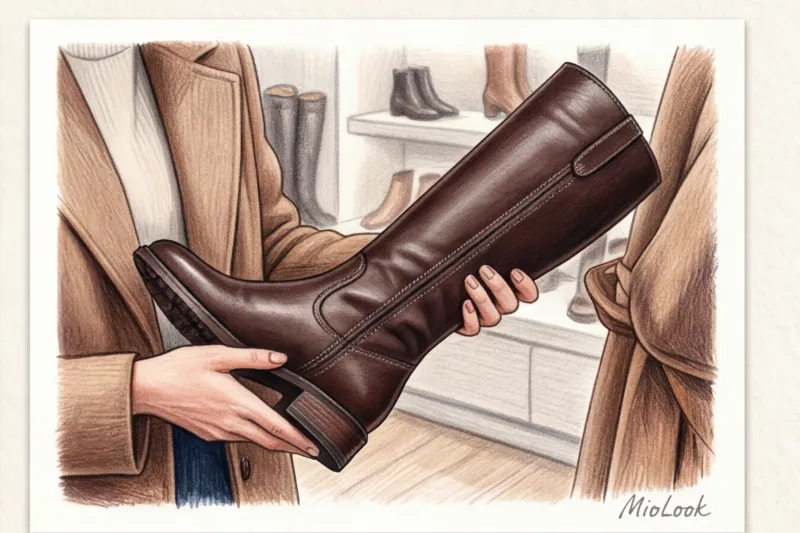
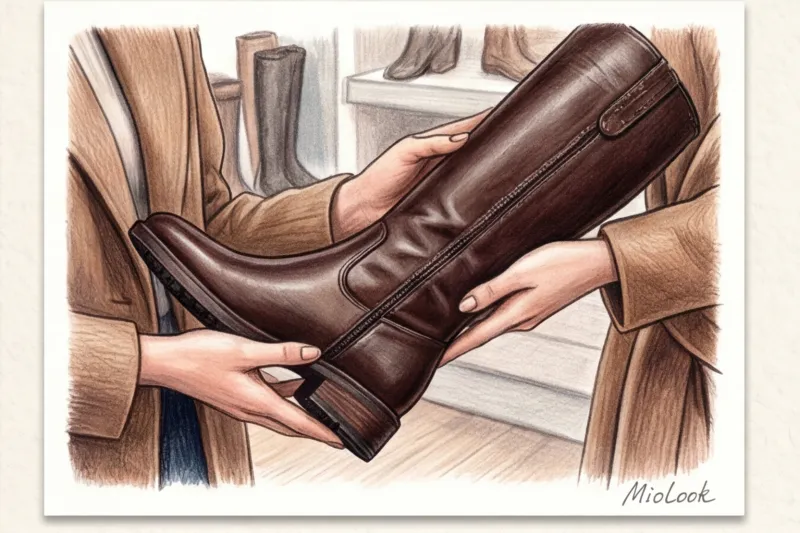
- Checking the sole: Bend the shoe. If the sole doesn't bend at all ("wooden"), your foot will tire after 20 minutes of walking because it won't be able to roll naturally.
- Hardware assessment: Pay attention to the zippers. An exposed, heavy metal zipper running the entire length of the shaft on the outside often cheapens the look of the shoe. Look for models with a hidden zipper on the inside or no zipper at all.
- The one-finger rule: When you put on a boot over a regular sock, you should be able to easily slide your index finger past the heel. This gap is your air cushion against freezing.
- Cost-per-wear calculation: A pair of good leather boots with the right last for €250 will last you at least three seasons (about 270 days of wear). They cost €0.90 per outing. Trendy faux leather boots for €70 will lose their shape in six weeks (45 days). They cost €1.50 per outing. Cheap shoes cost you more.
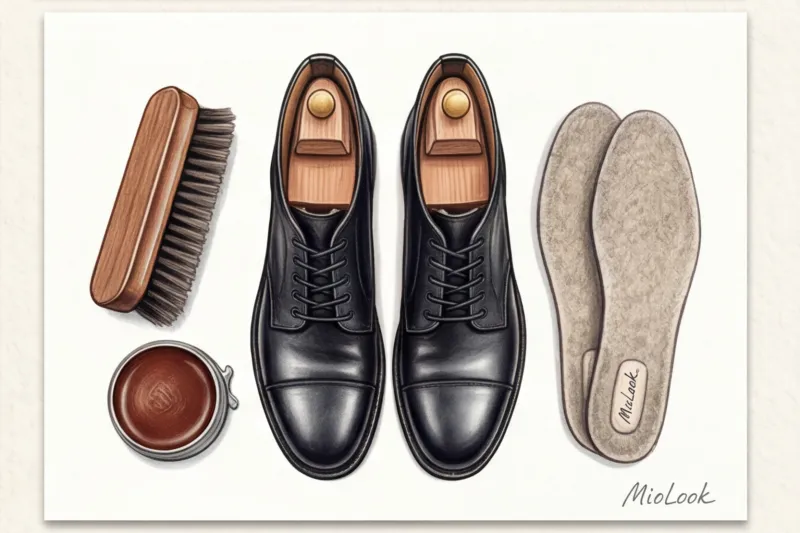
Let's sum it up. Winter isn't a reason to put your style on hold and go into survival mode with shapeless shoes. Your goal this season is to create a clear, architectural silhouette that starts with the right foundation. Invest in the right geometry (straight shaft, precise toe) and technology (thick sole, thermal insoles), and you'll forever forget the agonizing choice between beauty and comfort.