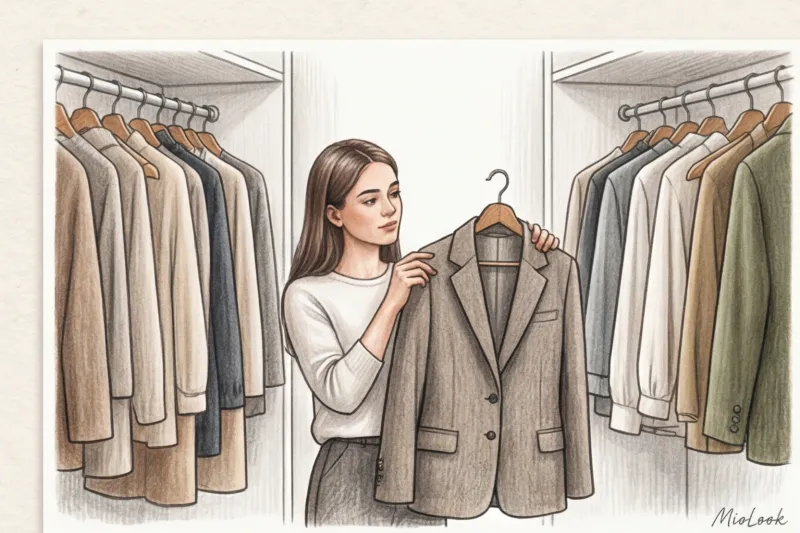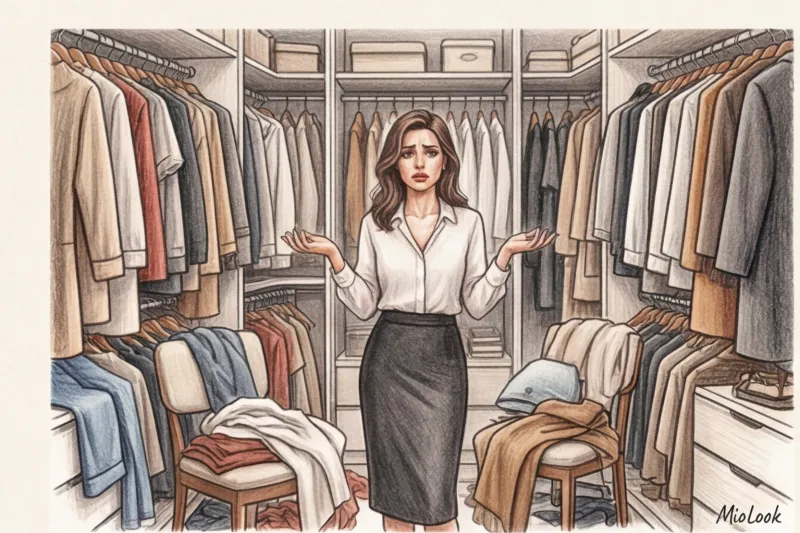
Last week, a client and I were sorting through her wardrobe. In the far corner, on a wide wooden hanger, hung a double-breasted Max Mara camel coat. It looked impeccable: perfect nap, crisp shoulder line, not a single snag in the lining. "I bought it 12 years ago in Milan," she said. Over those same 12 years, she'd thrown out about ten trendy mass-market coats that had become pilled or lost their shape after just one season. This simple math is the best answer to the question of why. capsule wardrobe and ecology inseparable.
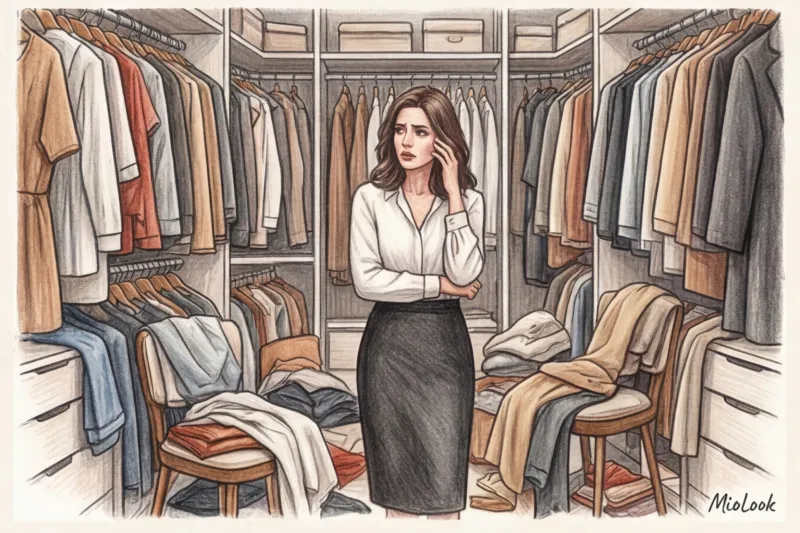
We've already discussed the basic principles of creating such a wardrobe in more detail in our complete guide. Conscious Fashion: How to Build an Eco-Friendly Wardrobe But today I want to talk about something else. Unlike glossy articles urging people to buy T-shirts made from recycled plastic, I maintain that true sustainability lies in a luxury approach. This means investing in premium natural fabrics, high-quality tailoring, and uncompromising care.
The Illusion of Choice: How an Overstuffed Closet Ruins the Environment and Your Style
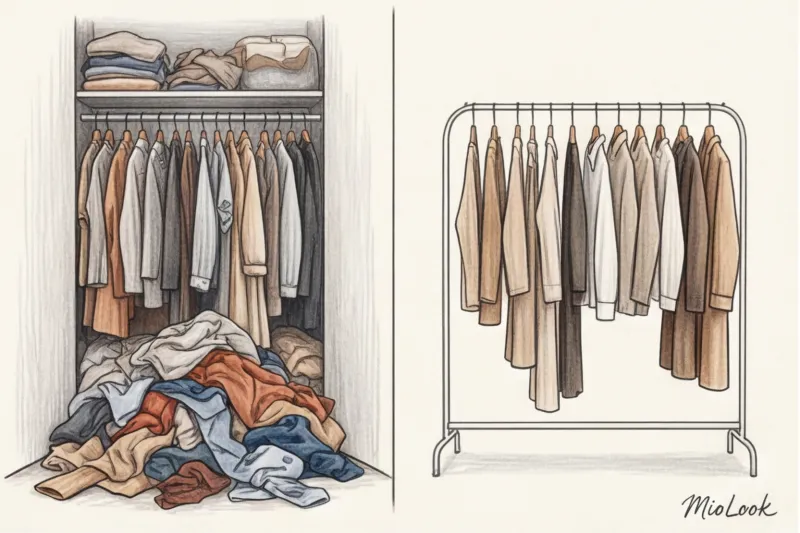
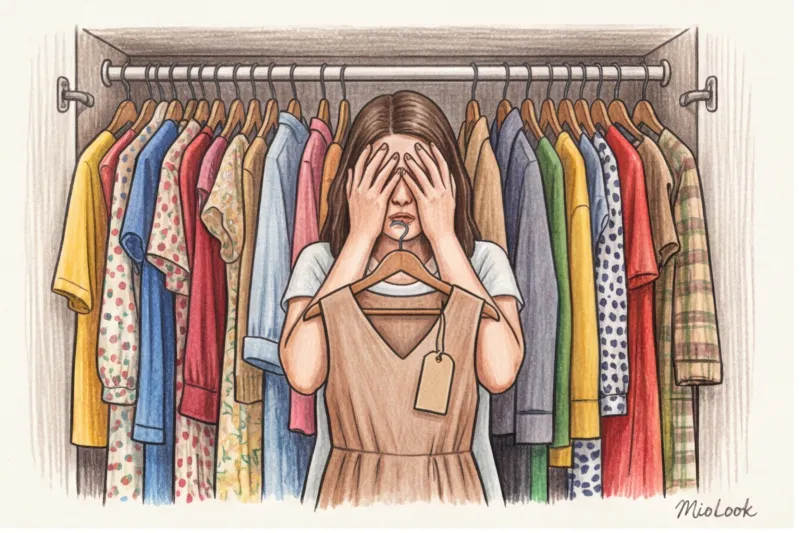
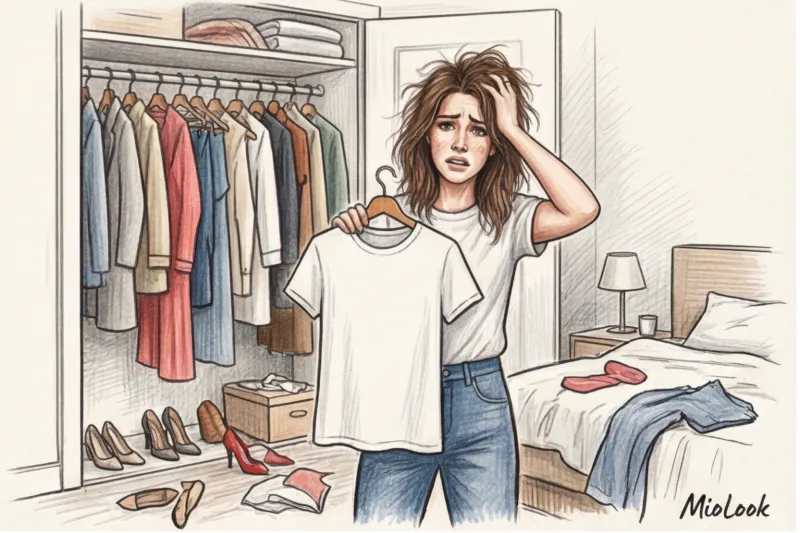
Over 12 years of working as a stylist, I've discovered a pattern: the more clothes a woman has in her closet, the worse she looks. A paradox? Not at all. An overcrowded wardrobe creates the illusion of choice, but in reality, it only causes morning anxiety and visual clutter. We buy things under stress, for a momentary hit of dopamine, and then they hang around with the tags for years.
The numbers confirm this catastrophe. According to the United Nations Environment Programme (UNEP) 2023 report, the fashion industry produces approximately 10% of all global carbon emissions—more than all international air travel and maritime shipping combined. And a 2024 study by the analytical agency Business of Fashion reveals a shocking truth: on average, we buy 60% more clothes than 20 years ago, but wear each item 36% less often.
"Every item bought in a hurry and worn just once is not only a blow to the environment but also a betrayal of your personal style. Impulse purchases blur your image, turning it into a collection of random trends."
Sustainable style doesn't start in eco-brand stores. It starts with the decision to stop using your closet as a graveyard for emotional purchases.
Access to MioLook for €0.99 — one-time payment
A smart AI stylist will select the perfect look for every day and help you organize your closet.
Get access — €0.99 onceCapsule Wardrobe and Ecology: The Mathematics of Investment Style
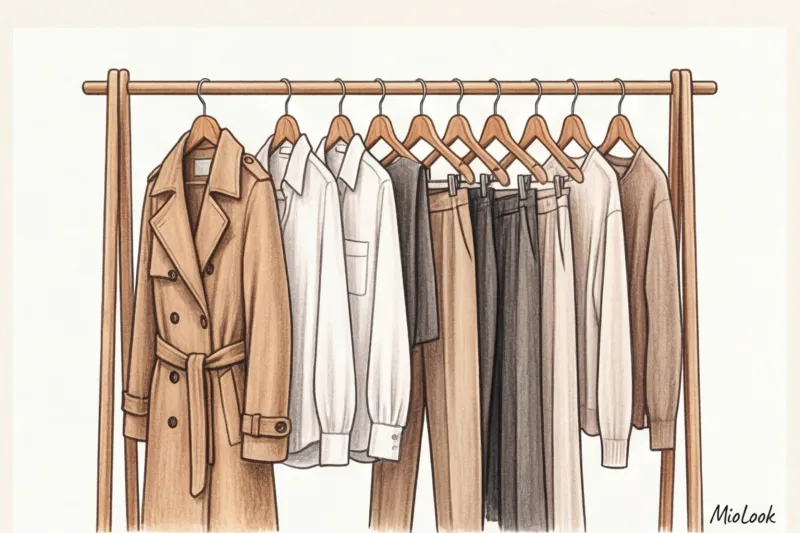
What is a capsule wardrobe in the context of ecology? It's not necessarily 10 gray sweaters and a few black pants. It's a closed ecosystem where 100% of your items work for you. The key metric here isn't the price tag, but Cost-Per-Wear (Cost-Per-Wear).
Let's do the math. You buy a trendy polyester jacket from a mass-market retailer for 50 euros. It fits poorly, is hot, and after three wears, you put it away. Your Cost-Per-Wear is 16 euros per wear. Alternatively, you invest 600 euros in a perfectly tailored Italian cool wool blazer. You wear it to the office, to dinners, on trips—at least 150 times over five years. Your Cost-Per-Wear is 4 euros. The expensive item turns out to be four times cheaper and dozens of times more eco-friendly.
In the conscious fashion industry, there's a golden rule, coined by Fashion Revolution founder Livia Firth—the #30wears concept. Before you go to the checkout, ask yourself, "Will I wear this at least 30 times?" If the answer isn't obvious, leave the item in the store. To easily track these combinations, I recommend using Smart wardrobe at MioLook , where you can see in advance how your new purchase will fit into your looks.
Investments Instead of Micro-Trends: Why Premium Quality Saves the Planet
Mass-market products have masterfully mastered the art of exploiting our sense of guilt. Green labels like "eco-friendly" and "made from recycled plastic" are everywhere. But as someone who regularly works with textile factories, I have to say: more often than not, this is classic greenwashing.
Recycled polyester (like fleece made from plastic bottles) is a ticking time bomb. Research by the Institute of Oceanography shows that with each wash, such a sweater releases up to 700,000 plastic microfibers. Wastewater treatment plants are unable to capture them, and they end up in the world's oceans. True eco-friendliness is biodegradability. These include Scottish cashmere, heavyweight cotton (from 160 g/m²), and heavyweight silk.
Here I'd like to voice an unpopular opinion that often sparks controversy: the "vegan leather" myth. 95% of mass-market vegan leather is made of polyurethane—regular plastic that will take 500 years to decompose in a landfill and crack within a year.
A pair of classic loafers made from high-quality vegetable-tanned calfskin, properly cared for, will last for decades. Leather is a byproduct of the meat industry, and when properly tanned, it ages beautifully, developing a luxurious patina. It's a much more sustainable choice than buying plastic shoes every year that are marketed as "ethical."
The Architecture of Durability: What Defines a High-State Item
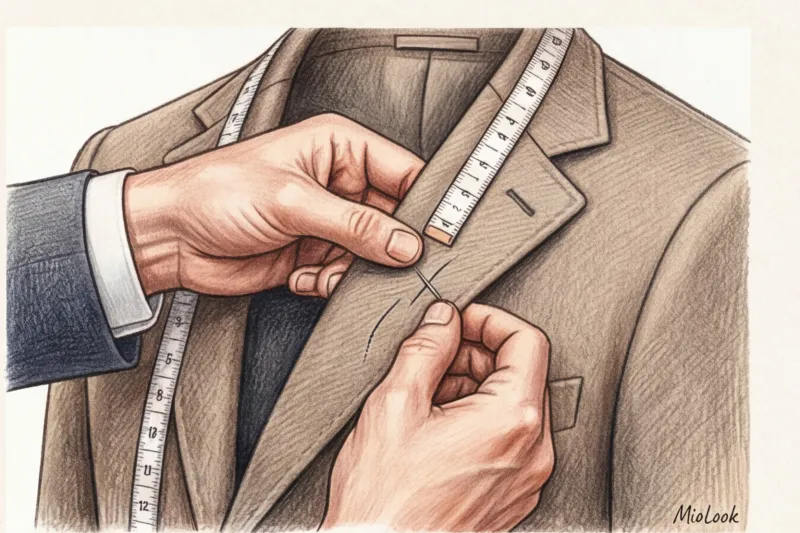
Sustainability is ingrained in the very architecture of clothing. When you turn a high-status jacket inside out, you see the craftsmanship. Cheap mass-market garments use overlock stitches, which begin to unravel after the fifth wash. Luxury brands use a closed French seam or bias binding. The edges of the fabric are securely hidden, significantly increasing the garment's lifespan.
Pay attention to the hardware and lining. Horn or mother-of-pearl buttons instead of plastic. Cupro (a breathable cotton-based synthetic fiber) lining instead of static-causing polyester. Handmade items (craftsmanship) are always more environmentally friendly because they are created by people for people, not on a soulless conveyor belt headed to a landfill.
Your perfect look starts here
Join thousands of users who look flawless every day with MioLook. Create your perfect capsule look without any mistakes.
Get access — €0.99 onceHow to Build an Eco-Friendly Capsule Wardrobe: An Expert's Guide
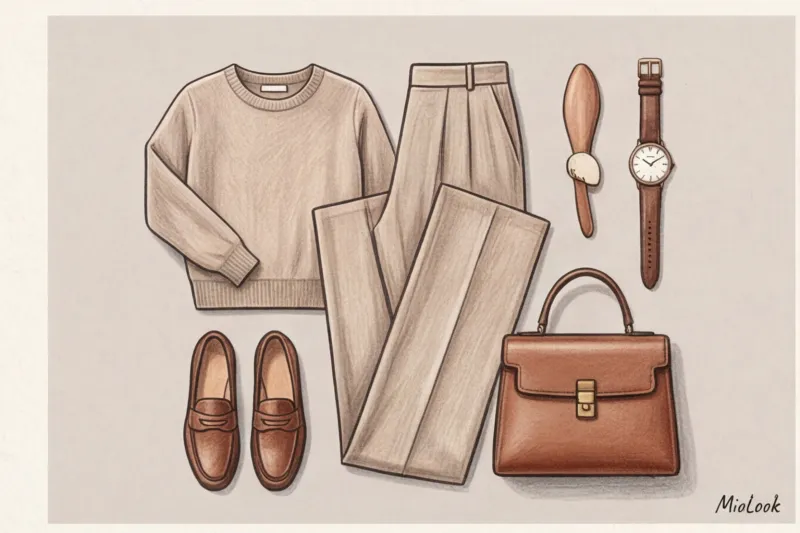
I assemble capsule collections for my top managers and premium clients using a strict algorithm. Our goal isn't fickle fashion, but timeless elegance that builds reputation. If you're interested in business aesthetics, I recommend checking out our material. Basic wardrobe for a female executive In the meantime, here are three main steps.
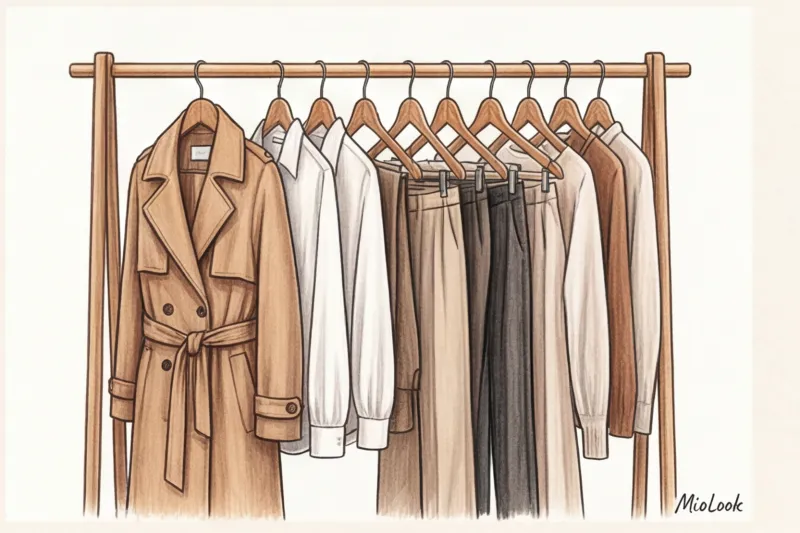
Stage 1: Ruthless audit. Clear out everything in your closet. Items you haven't worn in a year need to go. But be eco-friendly! Sell designer items on resale platforms (Oskelly, Vestiaire Collective), donate quality items to charities, and recycle your rags.
Stage 2: Style DNA and Palette. Most wardrobes fail due to color chaos. Choose three base colors (for example, navy blue, camel, or off-white) and two accent colors (burgundy or emerald). If all your pieces are in the same palette, they will automatically coordinate.
Step 3: Creating the core. That's 15-20 impeccable items. A crisp white shirt, perfectly fitting wool trousers with creases, a cashmere turtleneck, a classic trench coat. They should fit as if they were tailored for you. If the trousers are too long, don't roll them up; take them to a tailor. A good fit is the key to How to create the perfect capsule wardrobe , which looks ten times more expensive than its real value.
80/20 Balance in a Conscious Wardrobe
The formula for the perfect capsule collection is 80% investment-grade classics and 20% distinctive statement pieces. No basic should be boring. Statement accessories play the role of "enliveners." A Swiss automatic watch, a rigid, structured bag (that won't lose its shape over time), or a silk square scarf. These are what complete the look and will last for decades.
Life Extension: Caring for Things as the Highest Form of Eco-Friendliness
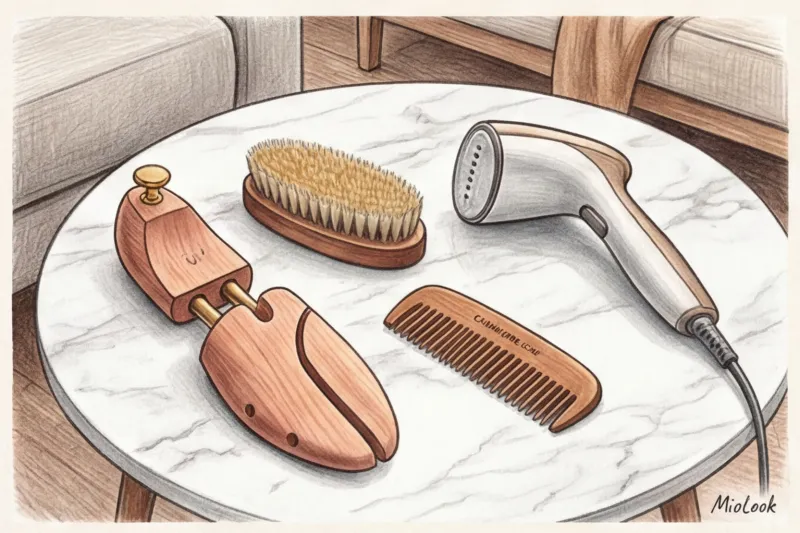
We've catastrophically forgotten how to care for our clothes. In the age of washing machines and dryers, we destroy fibers faster than we can wear them out. Behind the scenes of the luxury world, in the boutiques of Milan and Paris, clothes aren't washed after every fitting. They're aired and steamed.
Here are three rules of investment care that I make every client learn:
- Invest in cedar shoe trees. When removing leather shoes, immediately insert unvarnished wooden shoe trees. The wood will absorb moisture, and the shape will smooth out any creases. Your shoes will last three times longer.
- Buy a lint remover and a natural bristle brush. High-quality cashmere inevitably pills where it rubs—this is a characteristic of short down, not a sign of defect. A special comb solves this problem in a minute. And a boar bristle brush will remove dust from a wool coat better than any dry cleaner.
- Keep dry cleaning to a minimum. Harsh chemicals destroy natural fibers (especially silk and wool) and cause significant environmental damage. If your jacket isn't stained, a handheld steamer is sufficient: the hot steam kills 99% of bacteria and restores the fabric's volume.
To be fair, I must admit: this approach doesn't work for everyone. If your schedule doesn't allow you to spend 15 minutes a week caring for leather shoes (applying cream, drying, and polishing), it's better to honestly forego sophisticated leather in favor of high-quality textiles or suede with a sealant spray. Being eco-friendly also means being honest with yourself.
Ready to get started?
Try a free plan—no commitments required. MioLook will help you organize your new eco-friendly wardrobe.
Get access — €0.99 onceChecklist: 5 tough questions to ask before buying something new
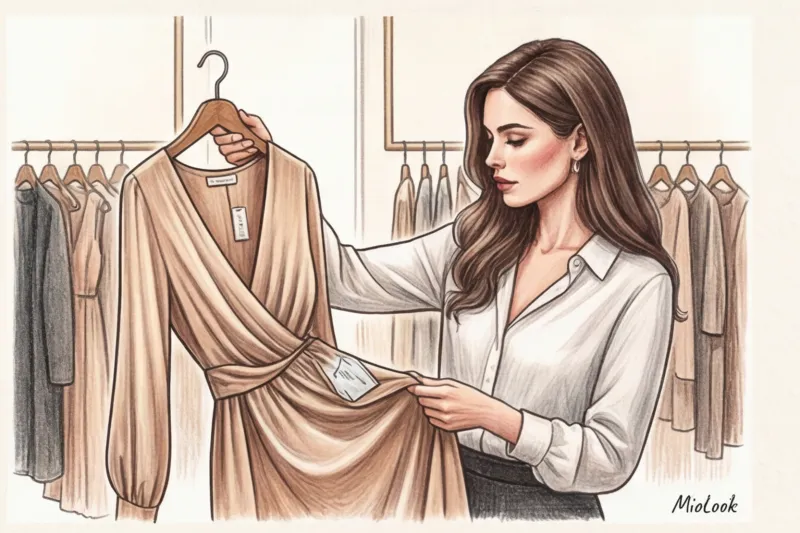
This strict filter helps my clients save thousands of euros on impulse purchases, channeling the freed-up budget into truly prestigious items. Take a screenshot and open it every time you're at the checkout or adding an item to your cart.
- Will I be able to create at least 5 looks with her from what I already have in my closet? The item should not require the purchase of new shoes or a bag to complete the outfit.
- Am I ready to wear this in 5 years? Ultra-trendy items (for example, neon sneakers with huge soles) lose their relevance after six months.
- How environmentally friendly is the composition? If the fabric contains more than 20% synthetics (polyester, acrylic, polyamide), leave it on a hanger. Exception: 2-5% elastane in jeans for fit or high-tech sportswear.
- What happens to this thing when it becomes unusable? Can you recycle it? Will it dissolve in nature like cotton, or will it sit for centuries?
- Does the quality of the stitching and fabric justify the stated price? Look inside. If the lining is cheap and the stitching is crooked, the brand is charging for the logo, not for quality.
Conclusion: Your wardrobe as a reflection of your values

Many people think that eco-friendly style means limiting yourself and giving up beautiful things in favor of baggy linen clothes of indeterminate colors. This is a grave misconception. On the contrary, conscious consumption requires increases standards. You stop accepting compromises like itchy sweaters, ill-fitting pants, and shoes that give you blisters.
Every time you tap your bank card on a terminal, you vote. You cast your vote either for the fast-food fashion conveyor belts that deplete the planet, or for artisans, traditions, and quality that can be passed down through generations. As the great Vivienne Westwood once said: Buy less, choose better, make it last..
Start small. Conduct an audit this weekend, brush your favorite coat with a good brush, and promise yourself: from now on, only things that deserve to be in my closet will find their way into it. Your self-confidence and our planet will thank you for it.