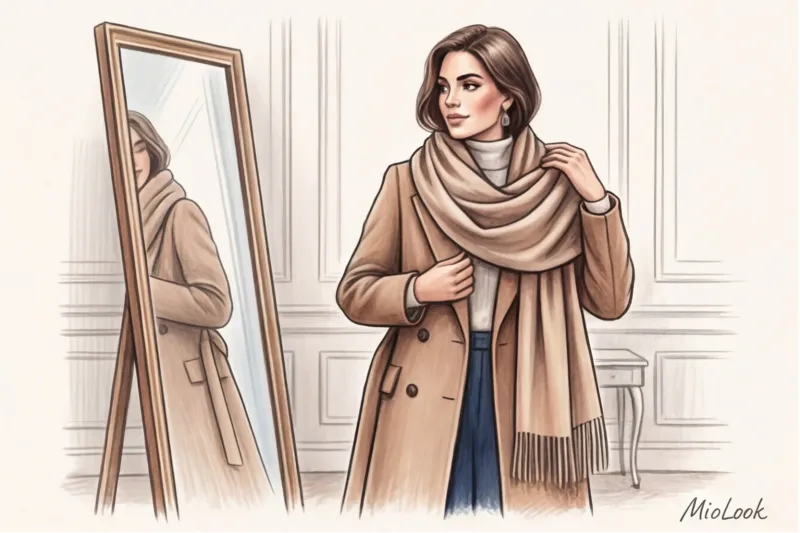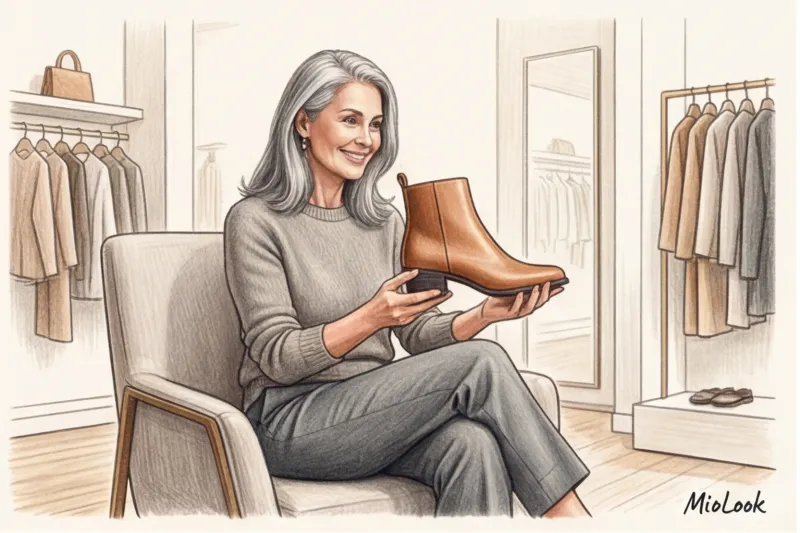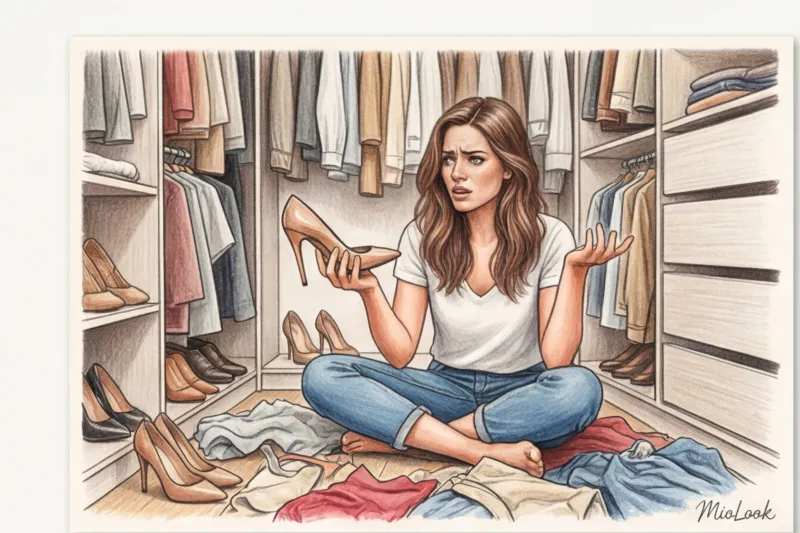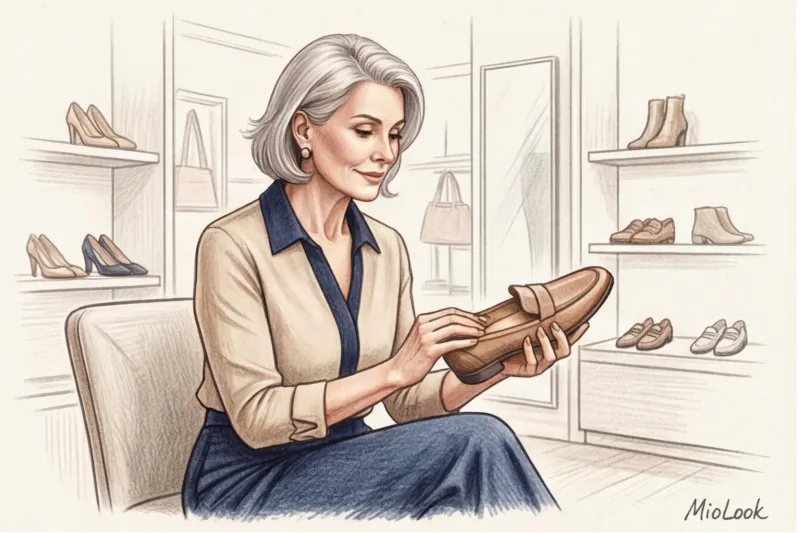
Last week, my new client Elena came to me for a wardrobe cleanout with two huge shopping bags. They contained fifteen pairs of stiff, four-inch stiletto pumps. "I can't wear these anymore; my knees are protesting," she sighed, dumping them on the floor. "Guess it's time to switch to granny slippers and orthopedic moccasins."
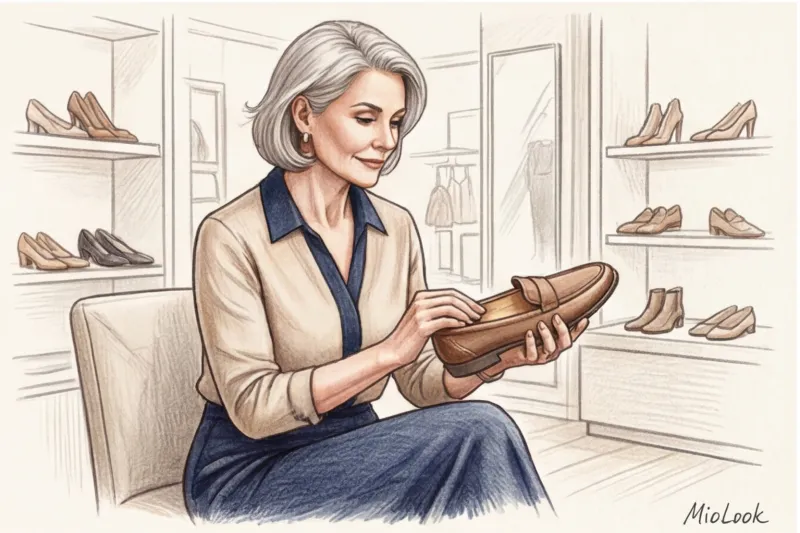
I stopped her right there. Age is no reason to give up aesthetics for the sake of pain relief. We've already discussed the philosophy of rejecting age stereotypes in more detail in our complete guide to fashion for women over 50. Properly selected shoes for women over 50 It's not a matter of compromise, but of intelligent architecture and biomechanics. Today, I'll show you how to choose modern, classy, and ultra-fashionable pairs that will allow you to walk ten thousand steps without even thinking about your feet.
The Anatomy of the Perfect Pair: Why Old Shoes Are No Longer Suitable for Women Over 50
Have you ever noticed that shoes that fit perfectly five years ago suddenly start pinching you at the end of the day? It's not the brand that messed up the patterns. It's just physiology.
According to a 2023 report from the APMA (American Podiatric Medical Association), by age 50, most women's feet have grown half a size or even a full size. Due to the natural loss of ligament elasticity, the arch of the foot flattens slightly, and the forefoot widens. Ignoring this and stubbornly squeezing into your "usual 38" size means voluntarily provoking joint deformities.
The Ageless Fashion philosophy dictates new rules: we no longer adapt our bodies to clothes. We choose clothes that work for us. Shifts in our center of gravity and micro-shifts in posture require a completely different approach to lasting. Now, it's not just the box size that matters, but also the fit depth, toe box width, and, crucially, proper weight distribution.
Your perfect look starts here
Join thousands of users who look flawless every day with MioLook.
Get access — €0.99 onceThe Biggest Myth: Flat Shoes = Health (And Why They're Wrong)
The most dangerous misconception I hear from clients is: "Since heels are bad for you, I'll switch to completely flat ballet flats and sneakers." Spoiler alert: thin, flat soles destroy your joints faster than classic stilettos.
Completely flat shoes deprive the foot of natural cushioning. Every step on hard asphalt in ballet flats with a millimeter-thick rubber sole sends a micro-shock directly to the heel, then to the knees and lower back.
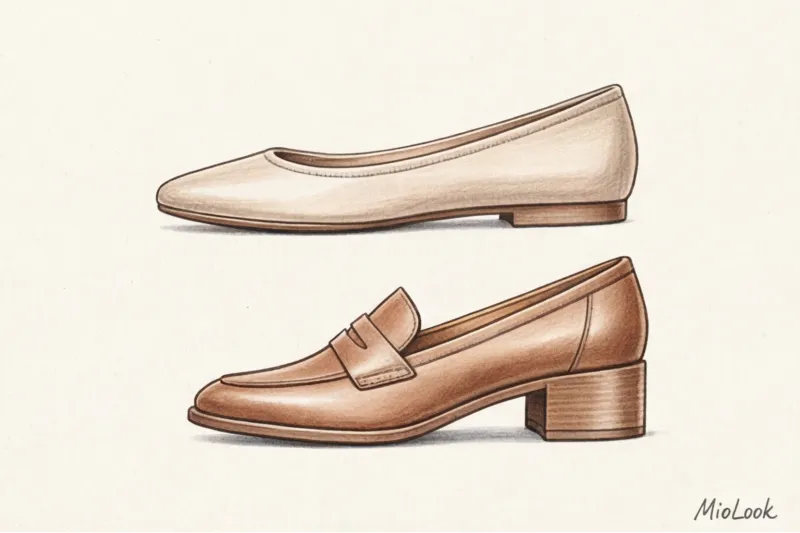
Let's get back to Elena. After throwing away her stilettos, she bought expensive but completely flat suede moccasins. After three weeks, her back began to hurt unbearably. I suggested an experiment: swap her flats for structured loafers with a stable 3-centimeter heel. The pain went away within two weeks.
The orthopedic golden ratio for a physiologically correct spinal alignment is a heel-to-toe difference of 2.5–4 centimeters. This can be a graceful kitten heel, a slanted Cuban heel, or a micro wedge. The key is to elevate the heel to relieve tension on the Achilles tendon.
Materials Matter: Sustainability, Leather and Innovation
Stiff patent leather (unless it's a premium brand with special treatment) and cheap polyurethane should be permanently removed from your wardrobe. They create a greenhouse effect, which instantly leads to swelling in your feet by the afternoon.
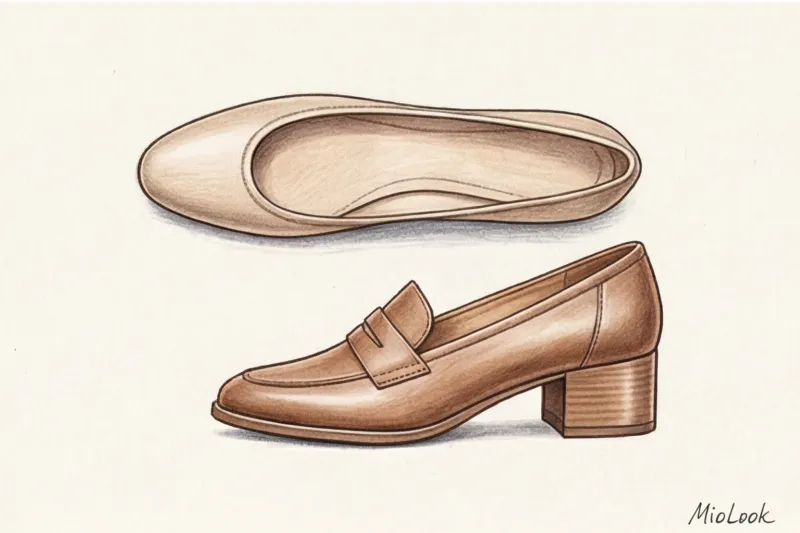
As a fabric specialist, I always look for shoes certified by the Leather Working Group (LWG). This guarantees that the leather is sustainably tanned, free of toxic heavy metals, and has retained its porous structure. This leather will "breathe" and conform to the shape of your foot after a couple of weeks of wear.
My professional test right in the store: Press your thumb firmly into the smooth leather of the shoe. If fine, natural wrinkles radiate from the point of pressure and disappear when you release your finger, you have high-quality material. If the surface flexes like a rubber film and springs back without changing texture, it's cheap plastic. Leave it on the shelf.
Memory foam insoles deserve special attention. They provide excellent pressure relief. However, there is a caveat: if you're prone to severe hyperhidrosis (sweating feet), synthetic foam can exacerbate the problem. In this case, look for insoles with a layer of natural cork or antibacterial bamboo fiber glued onto the foam.
Access to MioLook for €0.99 — one-time payment
Start creating perfect looks with artificial intelligence and select textures online.
Get access — €0.99 onceTop 5 Stylish Shoes for Women Over 50
Look at influencers like Grace Ghanem—there's not a hint of "old-lady" shoes in her wardrobe. She masterfully incorporates comfortable styles into a relaxed Mediterranean style. Let's explore the essentials every woman should own.
Urban sneakers: elegant sport-chic
Let's separate the concepts right away: we leave the treadmill sneakers (with neon inserts and mesh) for the gym. We need urban sneakers. These are minimalist models made of smooth white, beige, or taupe leather.
Choose shoes with a thick (3-4 cm) but flexible sole. They perfectly tone down the formality of a tailored pantsuit and add a touch of modernity to a look paired with wide palazzo pants or a midi dress.

Loafers and Oxfords: Business Status
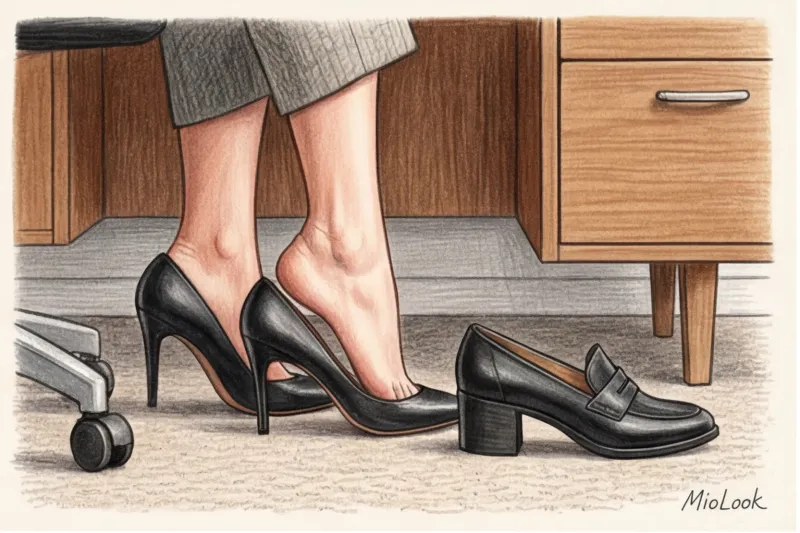
In modern offices, loafers have completely replaced classic pumps. And that's the best news of the decade. Pay attention to the details: a soft heel (sometimes even foldable, like on the iconic Gucci models), hidden elastic inserts on the instep, and a well-defined sole roll.
The hardware plays a crucial role here. A simple brass buckle, elegant tassels, or a minimalist chain instantly make the look look expensive. To understand which trousers will best match your new pair, I often recommend uploading a photo of the outfit to MioLook — the app will help you create dozens of non-obvious combinations from what's already hanging in your closet.
Chelsea boots and ankle boots with a stable heel
This is your perfect fall/winter staple. The key to styling is the shaft width. Sock-style ankle boots that hug the ankle (unless they're tucked under long trousers) often visually cut off the leg and accentuate puffiness. Choose styles with a slightly wider shaft, allowing room for two toes—the contrast will make your ankle appear more fragile.
For winter, an architectural heel is essential: block or slightly tapered (like the Cossack heel). This ensures stability and confidence on wet pavement or light ice.
A Stylist's Checklist: How to Test Shoes in a Store
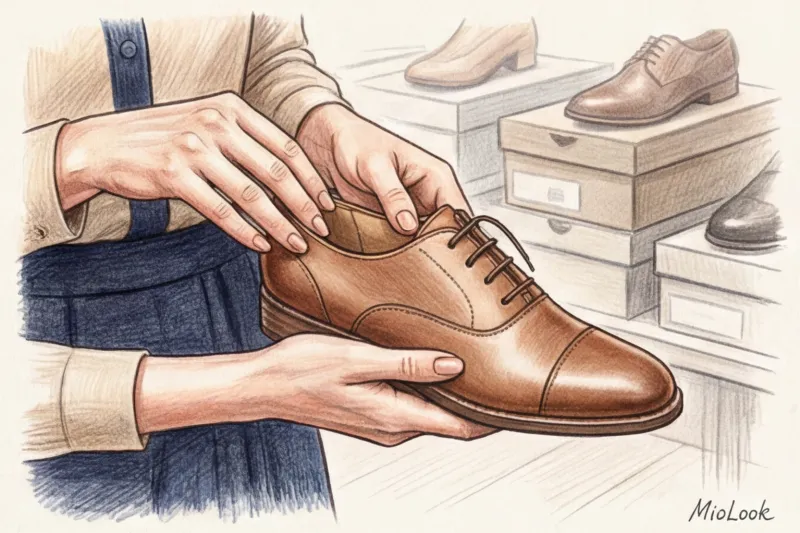
Over 12 years of experience, I've developed strict fitting rules that have saved my clients from dozens of unsuccessful purchases. Here's my personal algorithm:
- The rule of the second half of the day. Never buy shoes in the morning. After 4:00 PM, any healthy person's feet swell slightly and become flat. A pair bought at 10:00 AM will turn into a pair of Spanish boots by evening.
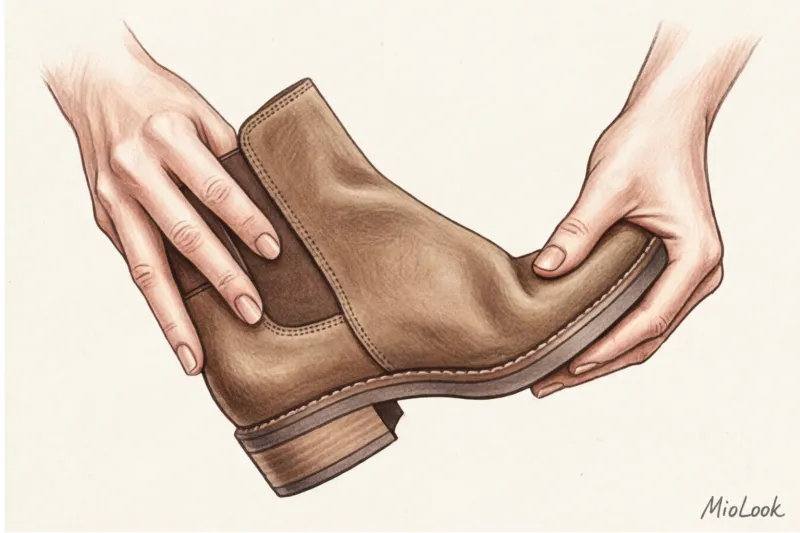
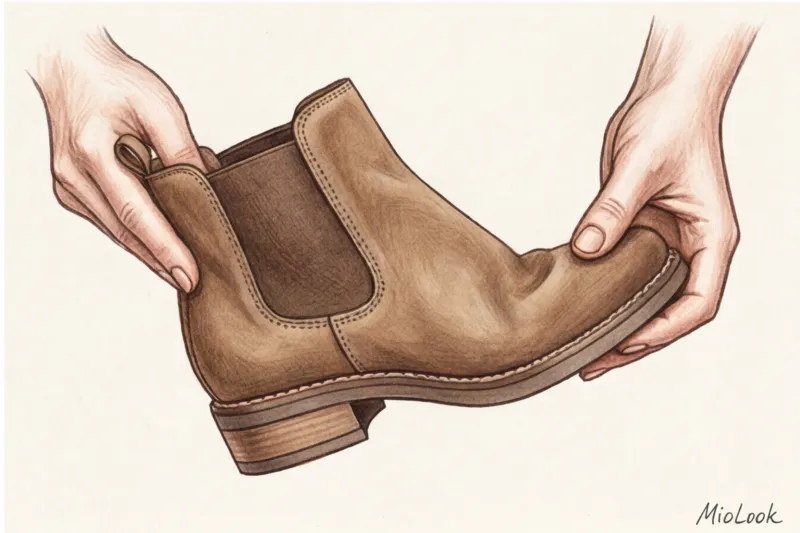
- Twist test. Hold the shoe in your hands—one by the heel, the other by the toe. Try to bend it slightly. A proper sole bends ONLY at the toe (where the toe joints are). If the sole bends exactly in the middle, the shoe doesn't have proper arch support, and the arch will sag.
- Blind seam inspection. This life hack is something salespeople don't like. Reach deep inside the shoe and run your fingers along the lining seams around the little toe and above the toes. Even a millimeter-thick scar or a drop of dried glue will turn into a bloody blister within an hour of walking.
- Air supply. If your big toe hits the toe, you're wearing the wrong size. There should be exactly 0.5 centimeters of space between your longest toe (for some, it's the big toe, for others, the second toe) and the edge of the shoe.
Ready to get started?
Try the MioLook plan for free—no commitments required. Create your perfect capsule.
Get access — €0.99 onceShoe care: conscious consumption and durability
As a proponent of sustainable fashion, I insist: it's better to buy one phenomenally comfortable pair of high-quality leather shoes and wear them for five years than to buy five cheap pairs for one season. But this only works with proper care.
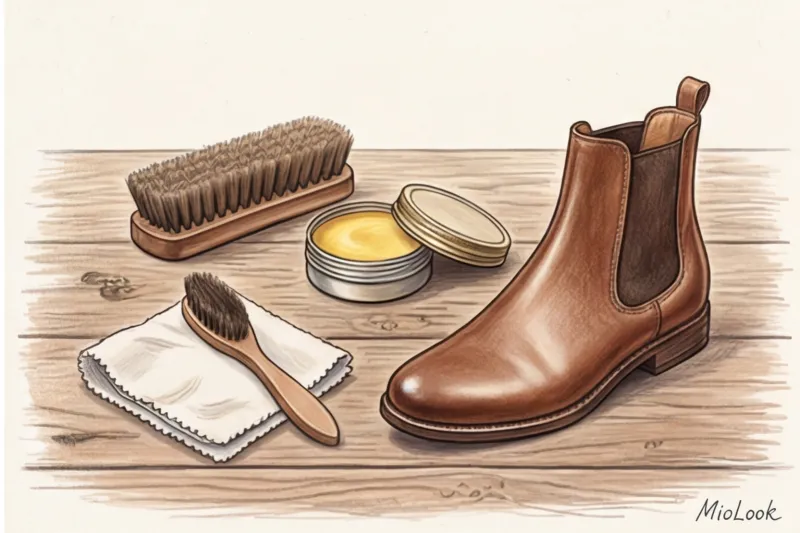
Supermarket silicone glosses are toxic to your skin. Silicone clogs pores, disrupting your skin's natural thermoregulation. Instead, invest in a jar of natural beeswax or a macadamia oil-based cream. They nourish the leather, maintaining its suppleness and water-repellent properties.
And most importantly: wooden shoe trees made of cedar. As soon as you take off your warm shoes, insert the tree into them. The cedar will instantly absorb moisture from the lining, preventing it from deforming as it dries, and the shoe itself will maintain its anatomical shape and prevent the arch from sagging.
Stylish shoes after 50 aren't about sacrifice or giving up on beauty. They're about deeply respecting your body. Invest in the right last, feel the materials, and don't be afraid to be demanding in the store. Your gait is a reflection of your status and energy, and it should be impeccably effortless.