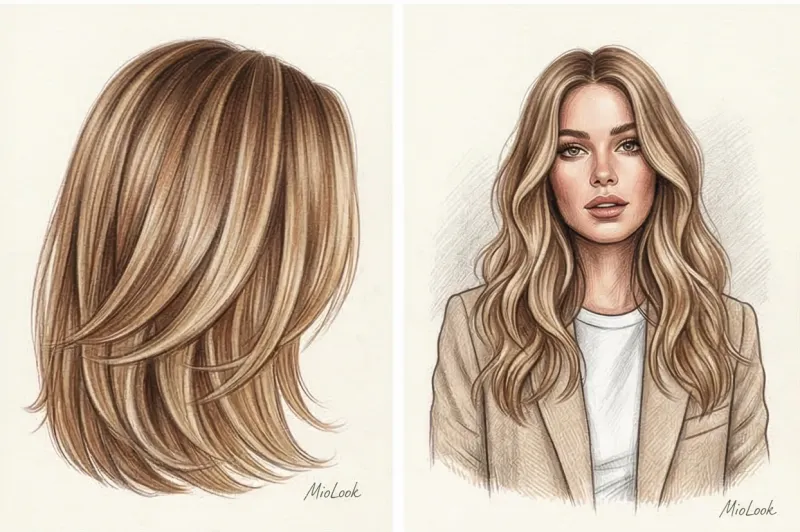
What is hidden coloring?
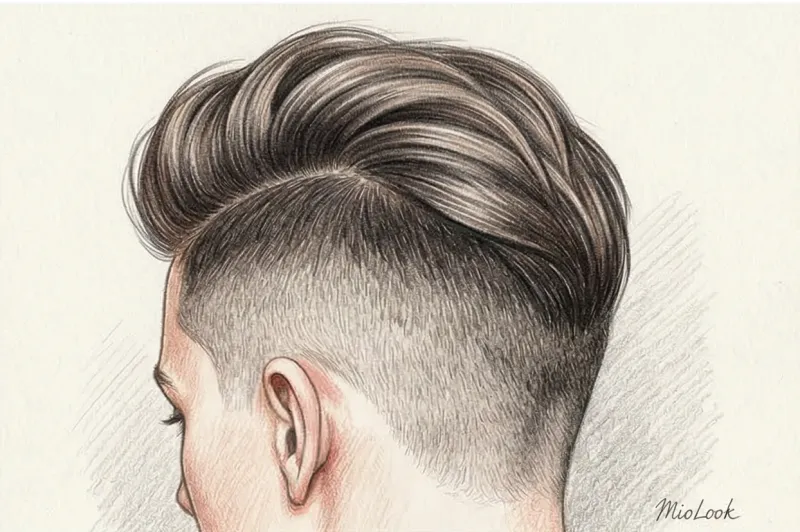
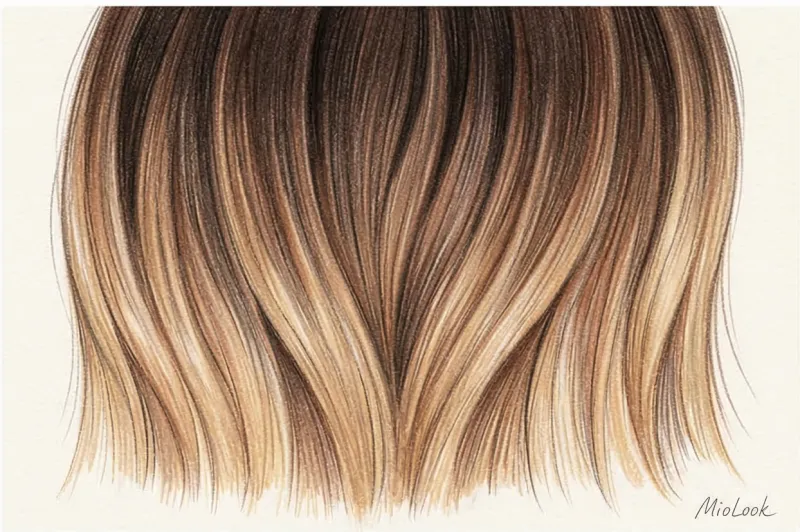
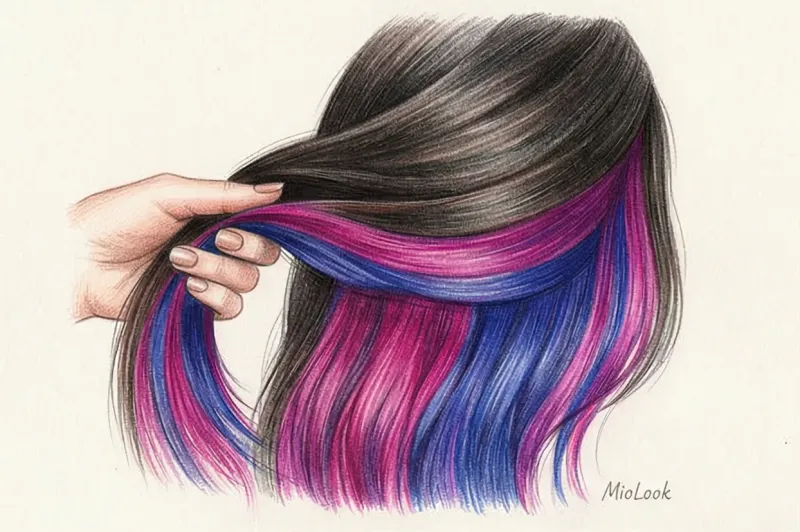
Hidden coloring — is a coloristics technique in which pigment is applied exclusively to the lower, occipital or temporal layers of hair.
The top layer (the cap section) retains its natural shade or is dyed a solid base color, completely or partially overlaying the vibrant lower layer. The key feature of this technique is its versatility. When left loose, the hair looks classic, but when moved, caught in the wind, or when changing hairstyles, the contrasting color becomes visible.
To achieve a pure and vibrant shade, the lower section of hair is pre-lightened. This prevents the top layer from being exposed to harsh chemicals, helping to maintain the overall quality of the hair.
Main types
Depending on the chosen palette and the area of pigment application, there are several directions for hidden coloring.
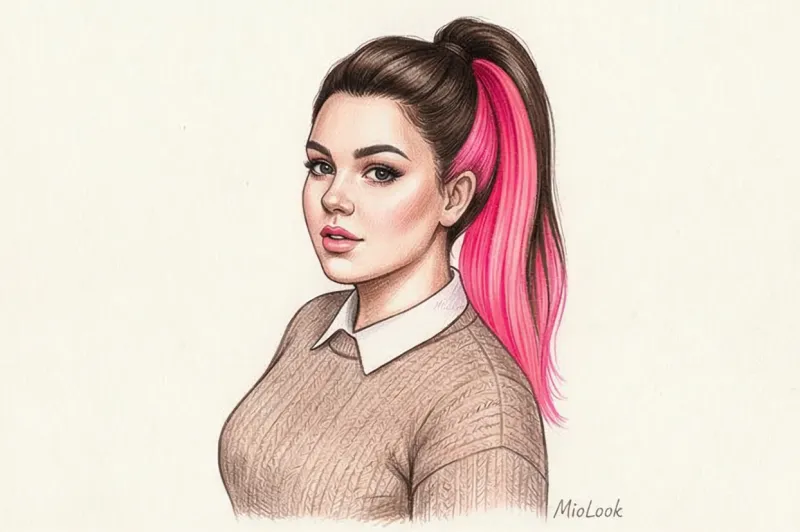
- Classic color: using one bright, unnatural shade (fuchsia, emerald, cobalt, purple) on the back of the head.
- Rainbow (multicolor): painting the bottom layer with vertical or horizontal stripes in several spectral colors, smoothly transitioning into each other.
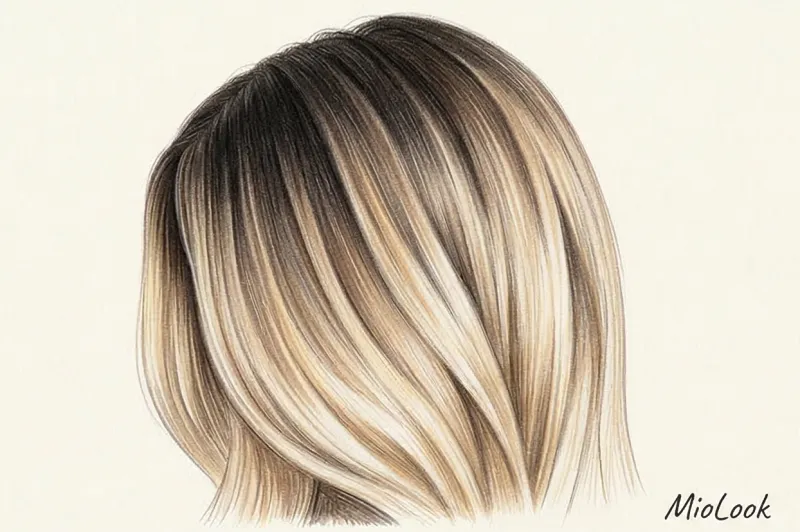
- Contrast natural: The use of natural shades that contrast sharply with the base color. Examples include platinum blonde under dark brown hair or deep black under light strands.
- Temporal (block): The pigment is applied only to small strands at the temples. The color becomes visible if you tuck your hair behind your ears or pull back the front strands.
How to wear
The installation method directly affects how noticeable the color accent will be.
- With loose hair: When static, the hidden layer remains invisible. Dramatic color highlights appear only when walking, turning your head, or in the wind.
- In high hairstyles: A ponytail, a high bun (top knot) or two symmetrical buns completely expose the colored occipital area, creating a graphic contrast between the two shades.
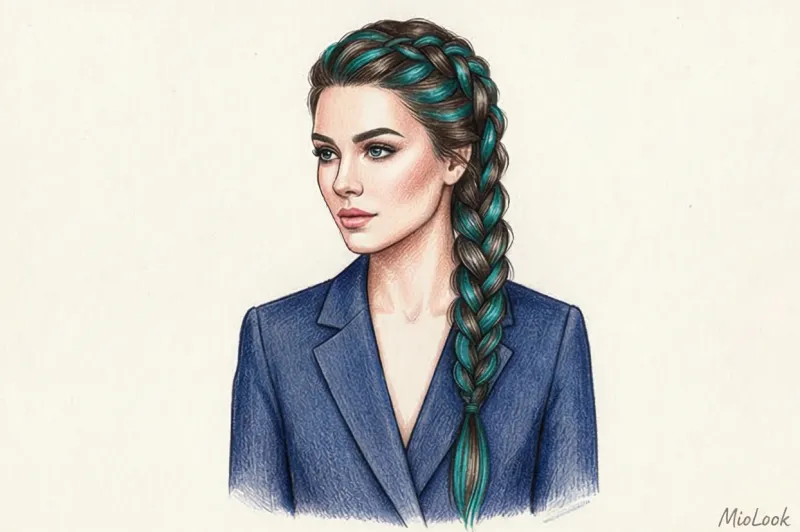
- In weaving: French, Dutch braids, or spikelets allow you to intertwine the top natural strands with the colored ones underneath, creating a complex melange pattern.
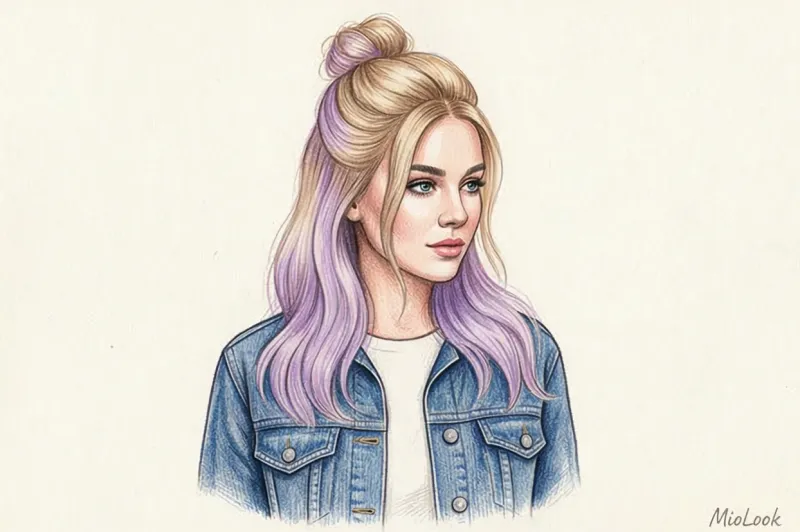
- With half-up styling: The top section of hair is gathered at the back of the head, revealing a smooth transition line and showing off the bright bottom layer along its entire length.