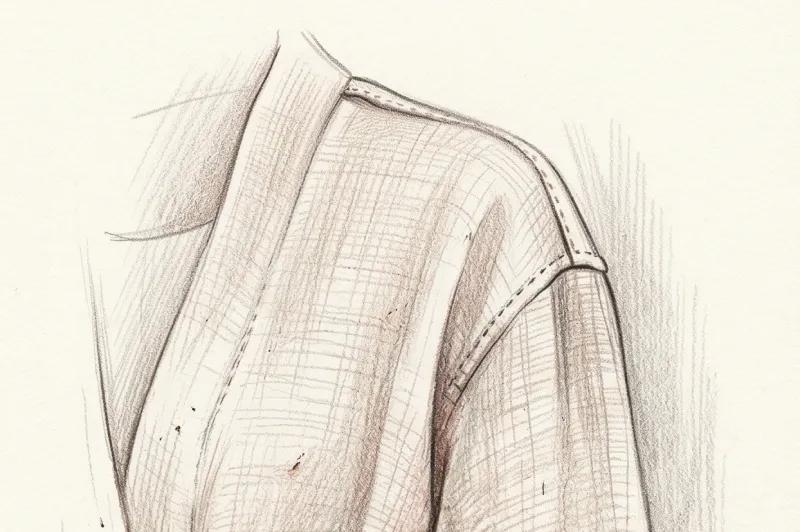
What is a duster coat?
duster coat — is a lightweight, elongated, unlined outerwear designed for warm weather and creating multi-layered looks.
Historically, the duster coat emerged in the late 19th and early 20th centuries as a functional garment. Long capes protected the clothing of horsemen and early motorists from road dust while traveling in open vehicles.
In the modern wardrobe, the duster coat has lost its original utilitarian function and has become a stylistic tool. While it doesn't protect from cold or pouring rain, it does add dynamism to the look, creating vertical lines and visually elongating the silhouette.
Distinctive features
A classic duster coat is midi or maxi in length. The hem typically falls below the knee, reaches mid-calf, or hits the ankle.
Lightweight, breathable fabrics are used for the garment: linen, fine cotton, viscose, silk, cupro, or translucent organza. The design eliminates the need for a dense lining, preserving the soft shoulder line and a loose, semi-fitted silhouette.
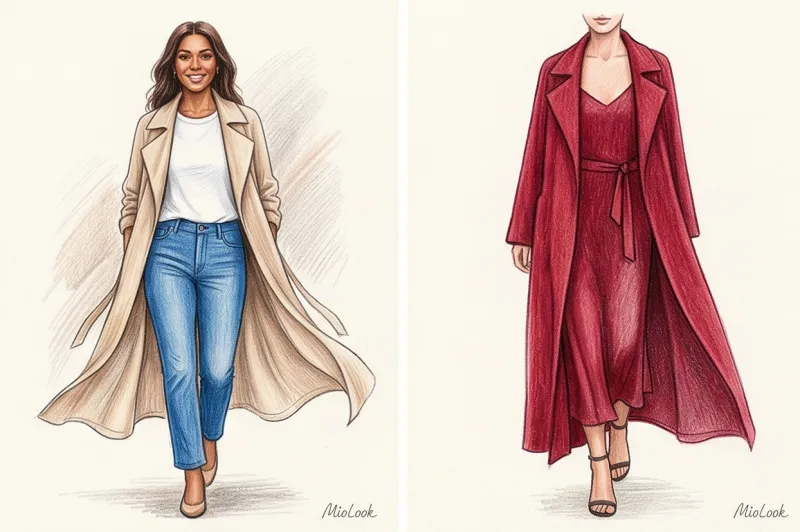
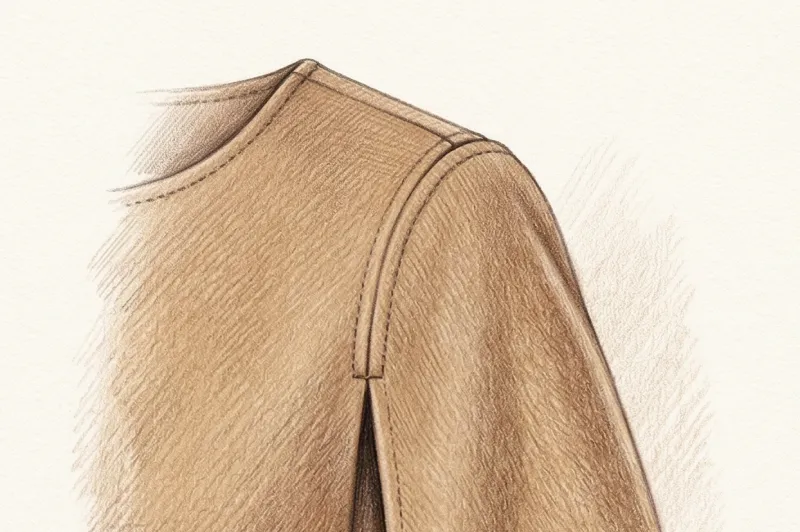
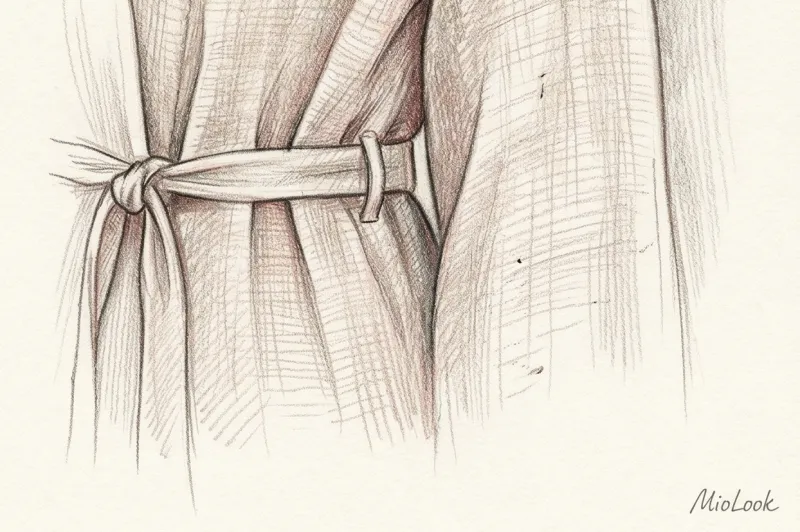
The fittings on these coats are minimalist or completely absent. Dust coats are most often worn open or secured at the waist with a fabric belt of the same fabric, avoiding the use of large buttons and zippers.
What to combine with
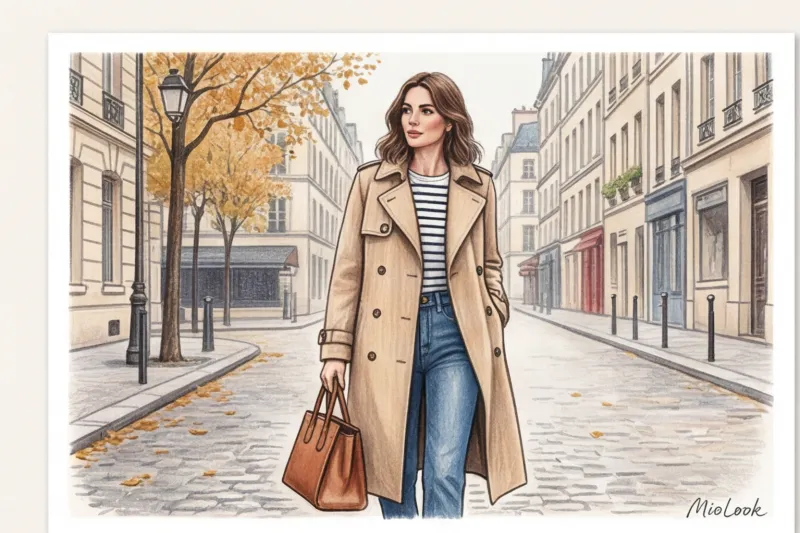
For a casual urban look, pair a duster jacket with basic straight-leg jeans, a white T-shirt, and loafers. Layered over these basics, a trench coat creates a vertical line that visually slims the figure.
For feminine evening looks, pair a silk midi slip dress with thin-strap sandals. A flowing duster (viscose or silk) draped over the top adds texture.
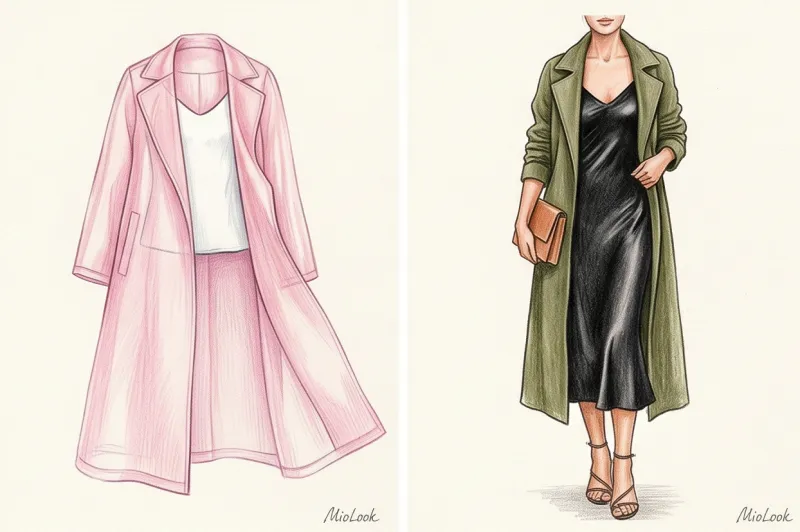
For a summery layered look, consider pairing Bermuda shorts, a crop top, and flat mules with a linen duster.
The main rule of proportion when styling: since the coat has a loose and flowing cut, it's recommended to choose a more fitted underlayer. Compact tops, straight trousers, and fitted dresses help avoid visual bagginess.