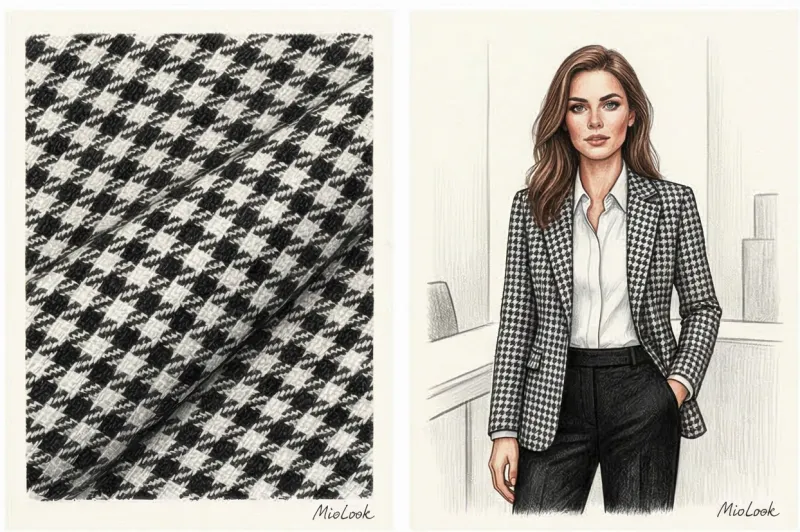
What is a pepita pattern?
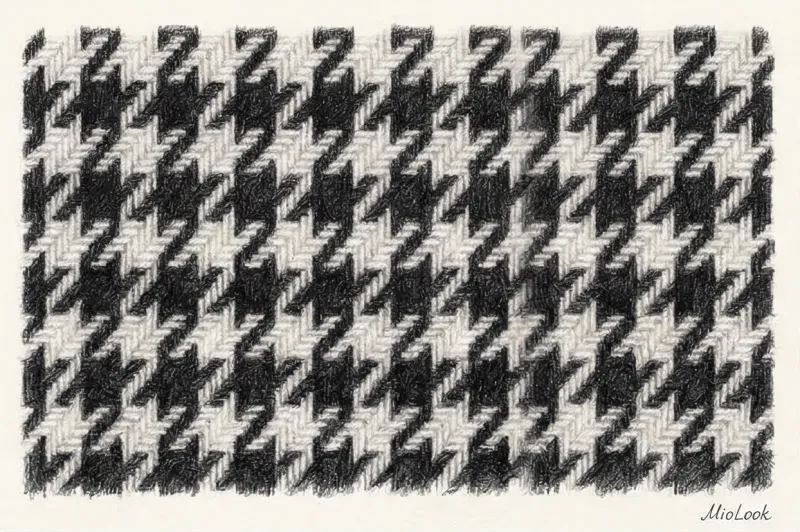
Pepita — is a small two-color geometric pattern on fabric, consisting of alternating squares with diagonal connections.
The pattern's name comes from the nickname of the famous 19th-century Spanish dancer Josefa "Pepita" de la Oliva. She often performed in dresses with a similar pattern. Traditionally, the pattern is created by interweaving threads of two contrasting colors on dense fabrics such as wool, tweed, or cotton.
The most commonly used color scheme is black and white. Pepita is a classic element of both business and elegant casual wardrobe. This pattern is often used on jackets, coats, skirts, and trousers.
Distinctive features
The main visual feature of pepita is the shape of its elements. The squares have small diagonal protrusions ("curls") that connect them to each other, forming a continuous rhythmic pattern.
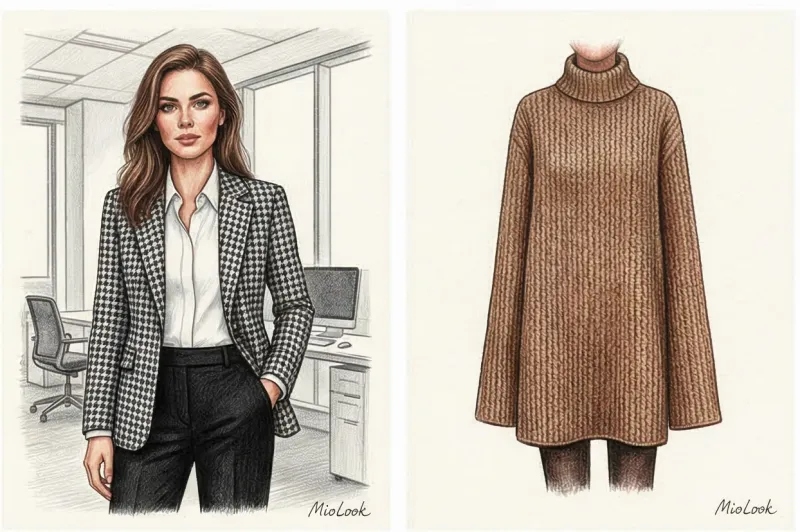
This pattern is often confused with pied-de-poulet. The difference is that the pedita elements are shaped like rounded squares or diamonds, while pied-de-poulet has elongated, sharp corners reminiscent of fangs.
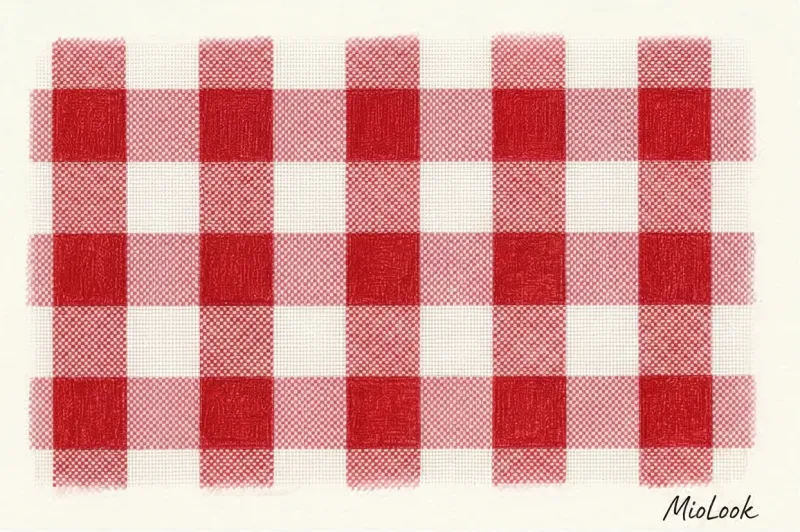
It's also important to distinguish pepita from Vichy check. In Vichy check, squares have clear, even borders and intersect with halftones. Pepita is based on a strict contrast of two colors, with no intermediate shades. The repeat pattern (the repeating element) in classic pepita is very small—usually no more than 1 centimeter.
What to combine with
The black and white pepita pairs harmoniously with solid-color pieces in basic colors—black, white, and gray. This base creates a clean, graphic silhouette.
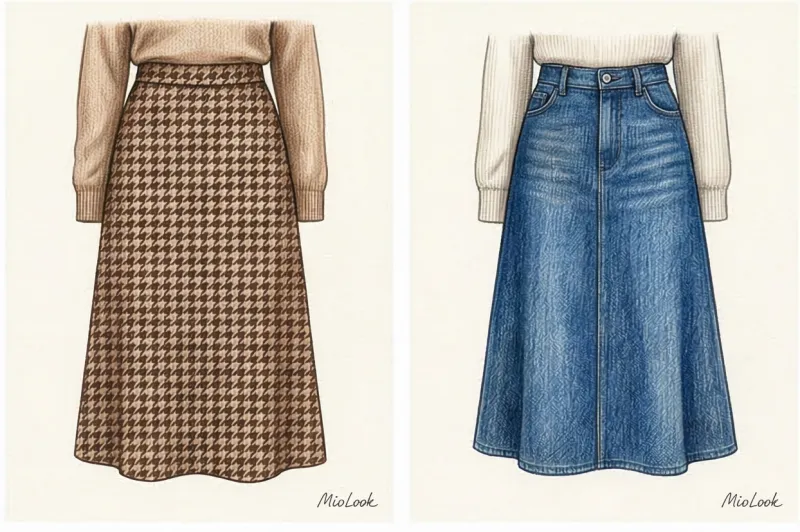
A small geometric pattern serves as a perfect backdrop for rich, local colors. A pepita-patterned jacket looks stylish with a red turtleneck, an emerald blouse, or a crisp blue bag.
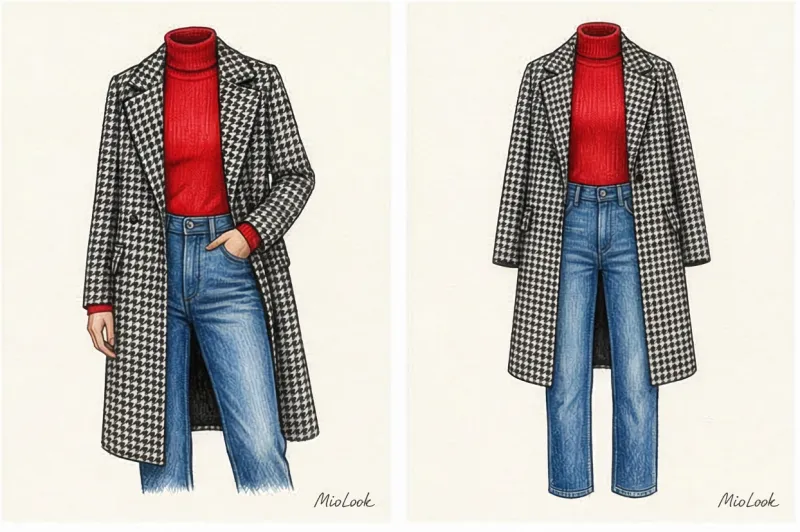
The classic character of this fabric with this pattern is well balanced by modern textures. A pepita coat or jacket pairs well with smooth leather (leather trousers or a skirt) and thick denim (straight blue jeans).
If pepita is used with other patterns in the same look, they should be significantly different in size. The combination of very small pepita and large geometric patterns helps avoid visual noise.