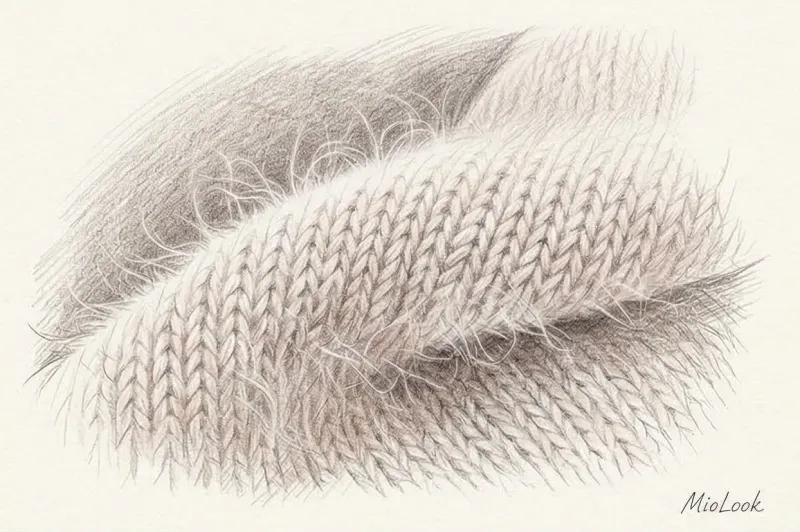
What is Angora?
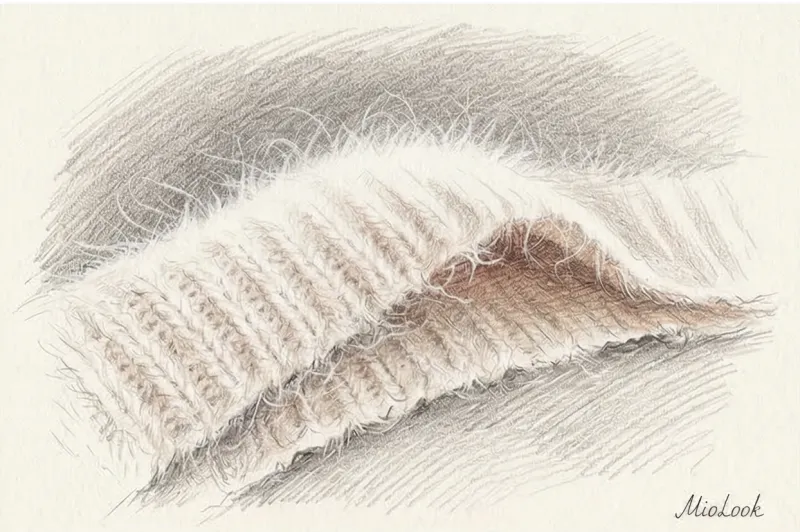
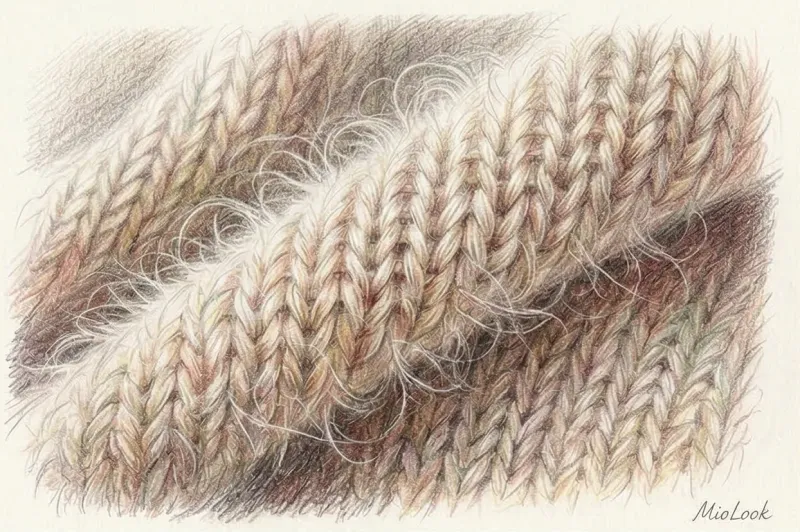
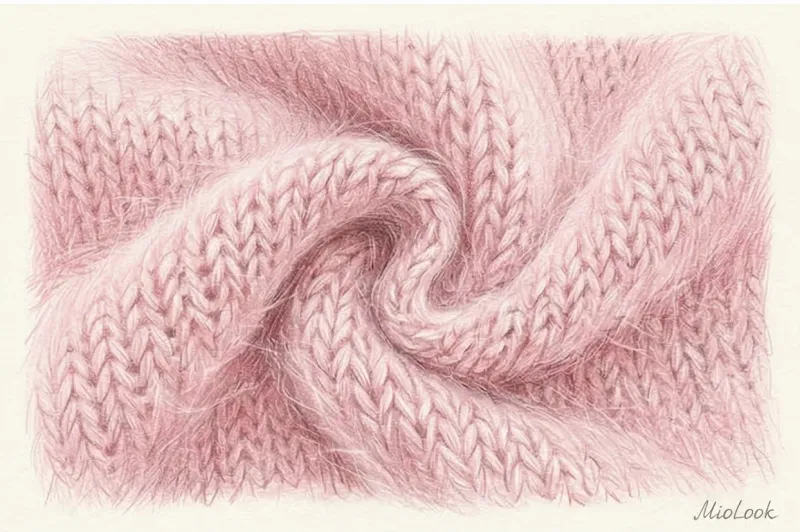
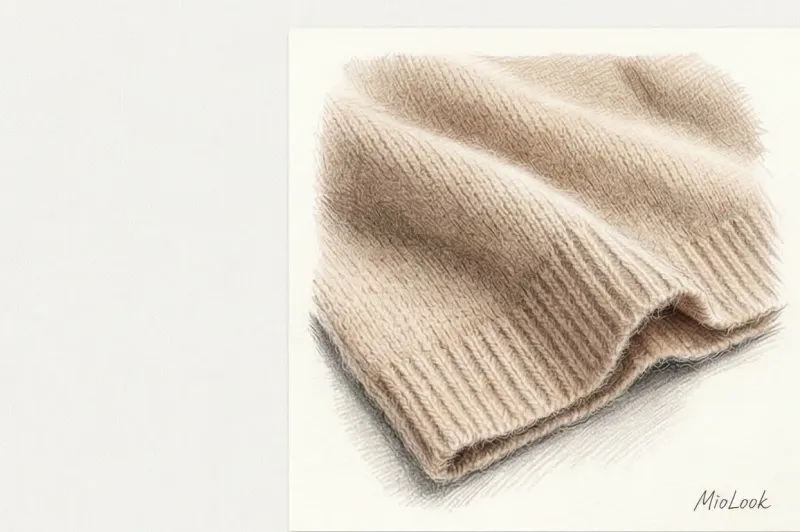
Angora Angora is a soft, fluffy yarn and fabric made from the down of Angora rabbits. It's important to distinguish it from mohair, which is made from the wool of Angora goats. When understanding angora, it's important to highlight its key feature—its distinctive fluffy pile, called a halo.
This material is rarely used in its pure form. Due to the fragility of the fibers and their lack of elasticity, down is blended with sheep's wool, silk, or acrylic. The standard angora content in high-quality knitwear ranges from 30% to 50%.
The material's name derives from the Turkish city of Ankara, formerly known as Angora. This breed of rabbit was originally bred in Turkey and later gained popularity in Europe, particularly France.
Distinctive features
The material is exceptionally soft, lightweight, and silky. The down fibers are completely smooth, making the fabric non-itchy and comfortable even on sensitive skin.

Angora rabbit hairs are hollow inside. This makes the yarn very lightweight, yet it retains heat significantly better than standard sheep's wool.
Because of the smoothness of the fibers, they are weakly secured into the thread during spinning. For this reason, angora is prone to rapid shedding and pilling in areas of constant friction.
How to care
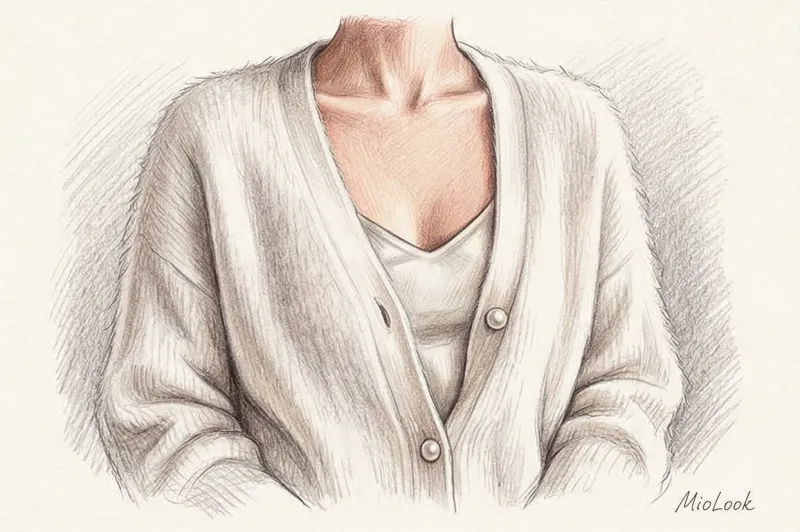
Angora items should be hand-washed exclusively in cool water at a temperature no higher than 30°C. For cleaning, use a special liquid detergent for delicate fabrics or a neutral baby shampoo. Avoid rubbing, wringing, or soaking the items for extended periods.

Dry angora strictly horizontally, carefully spreading it out on a dry terry towel. Keep away from direct sunlight and radiators to avoid deformation and excessive shrinkage.
Store clothes folded on a shelf, as hanging them on hangers can stretch knits. For protection, use breathable cotton covers and moth repellent. To restore the fluffy nap after drying, gently brush the garment with a soft brush.