What is Marsala?
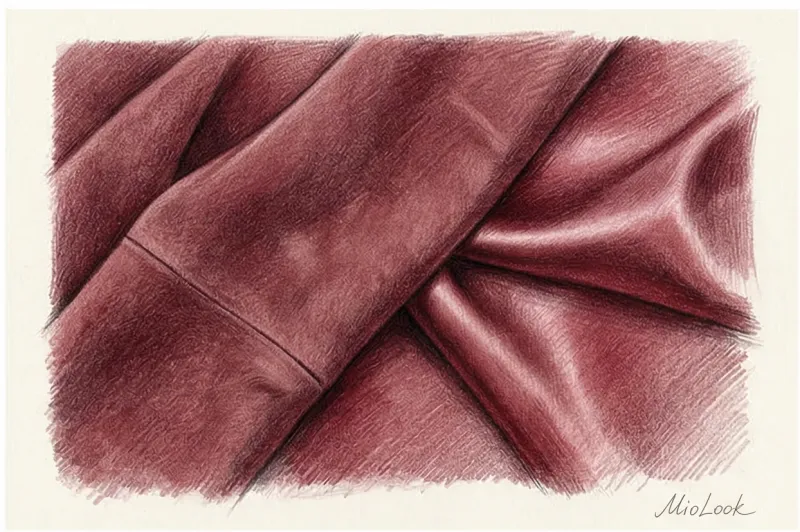
Marsala Marsala is a deep, rich wine-red with pronounced brown and earthy undertones. The shade's name comes from the fortified dessert wine of the same name, traditionally produced in the area around the Sicilian city of Marsala in Italy.
The term gained a firm foothold in the modern fashion industry after the Pantone Color Institute declared Marsala (Pantone 18-1438) the color of the year for 2015. Since then, the shade has become a classic element of fall/winter collections.
Distinctive features
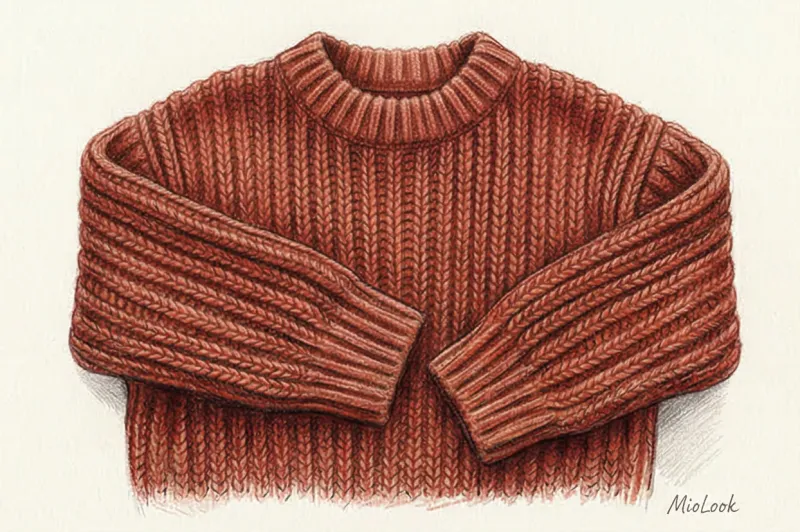
Marsala's color structure combines warm red, muted burgundy, and a distinct terracotta-brown base. To understand the exact shade of Marsala, simply compare it to related tones.
Unlike classic Bordeaux, which has a cool blue undertone, or bright ruby, Marsala always looks warmer and muted due to its earthy notes.

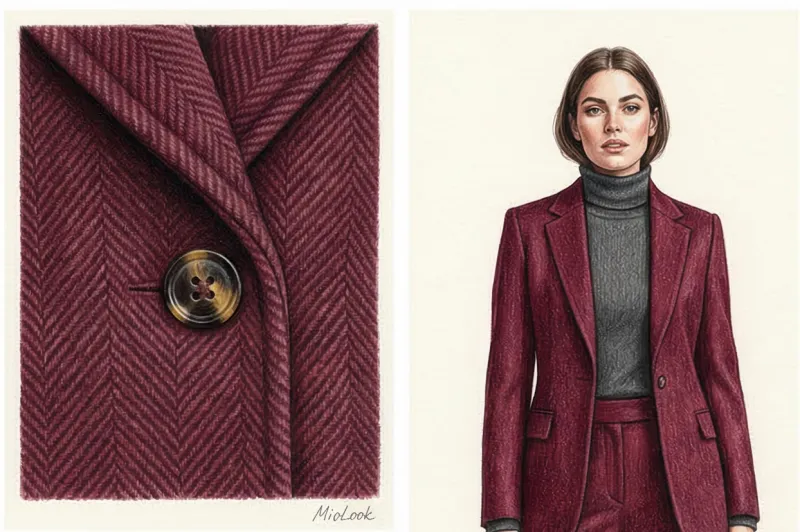
The perception of color depends heavily on the texture of the material. On matte surfaces such as suede, thick wool, or corduroy, Marsala looks natural and cozy. On smooth materials such as silk, satin, or patent leather, the color takes on a complex, luxurious sheen.
What to combine with
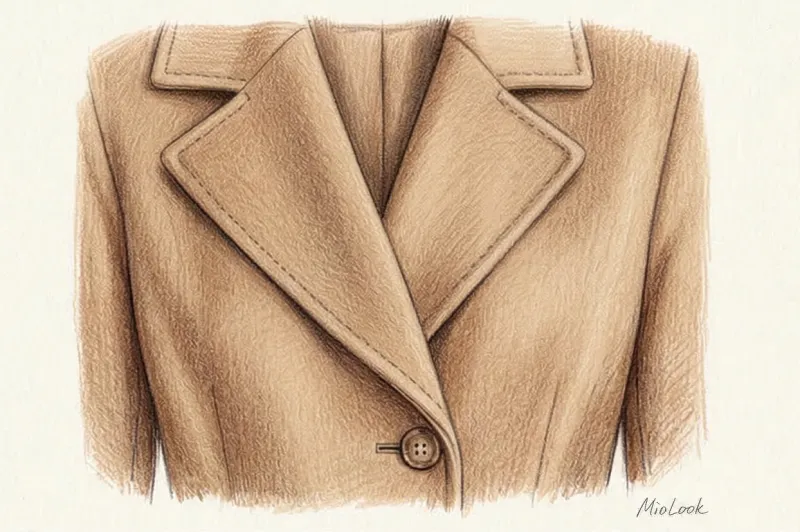
Marsala serves as both an accent and a base color in a wardrobe. The shade works harmoniously with neutral palettes: camel, warm beige, sand, and ivory. A classic example of this combination is Marsala wide-leg trousers paired with a beige cotton trench coat.
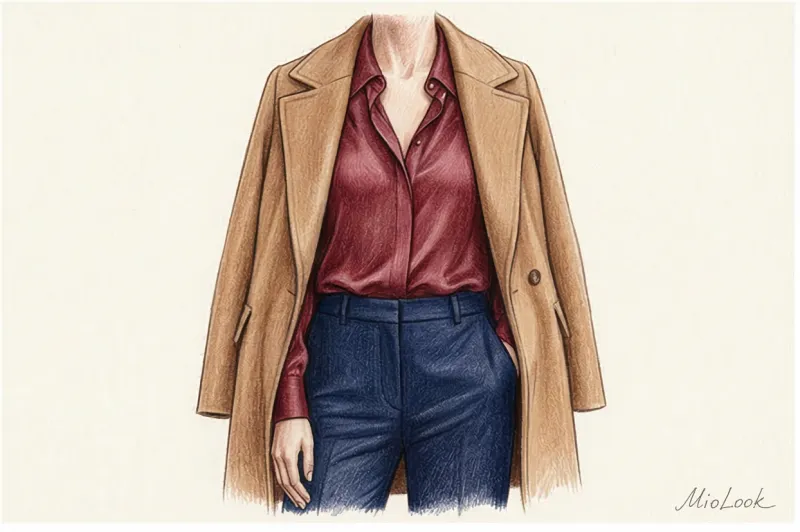
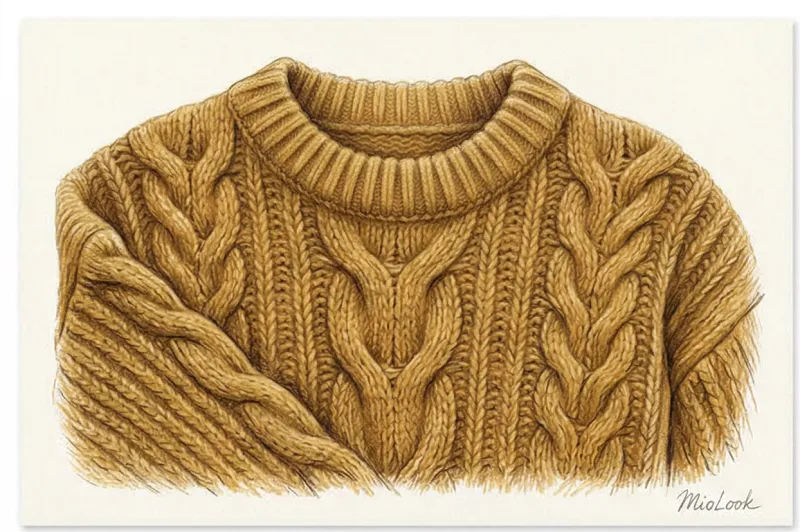
To create complex and layered looks, pair the wine shade with deep, contrasting colors like navy, emerald, or muted mustard. For example, a navy business suit paired with a marsala silk blouse creates a sharp yet distinctive silhouette.
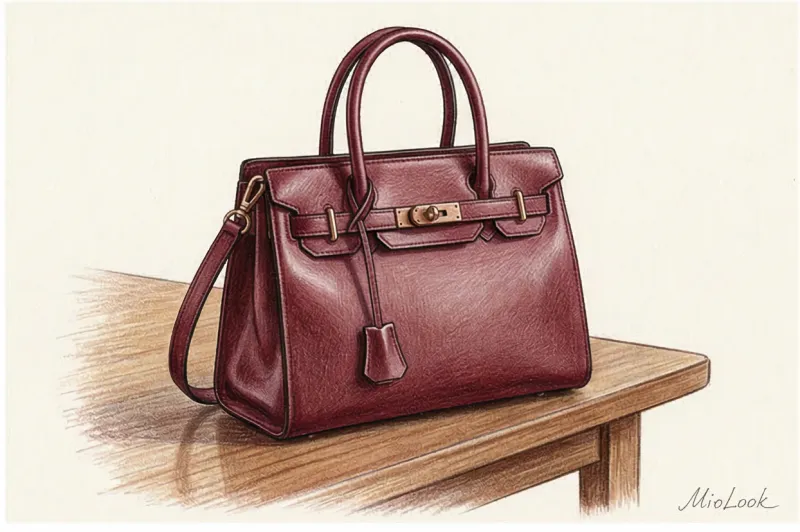
In an achromatic palette, pairing with light gray refreshes the wine tone, while pairing with black creates a more formal look, suitable for an evening dress code. Thanks to its warm, earthy undertone, Marsala pairs best with gold, bronze, and copper in jewelry and handbag hardware.