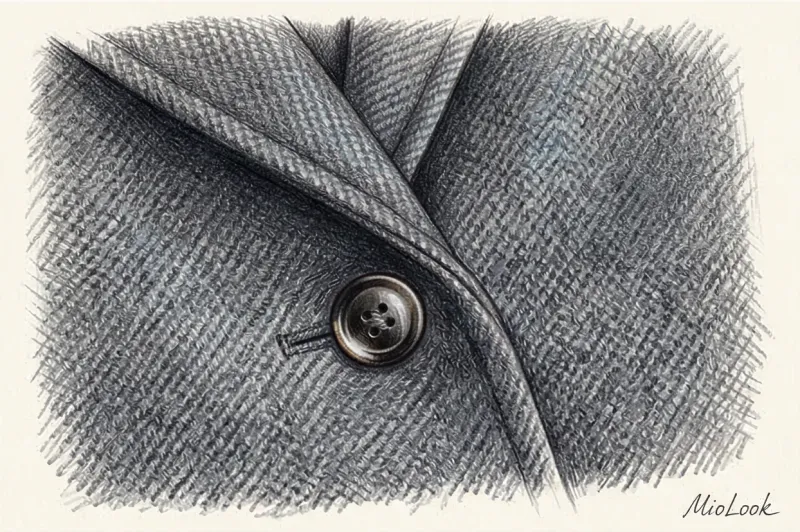
What is the color Marengo?
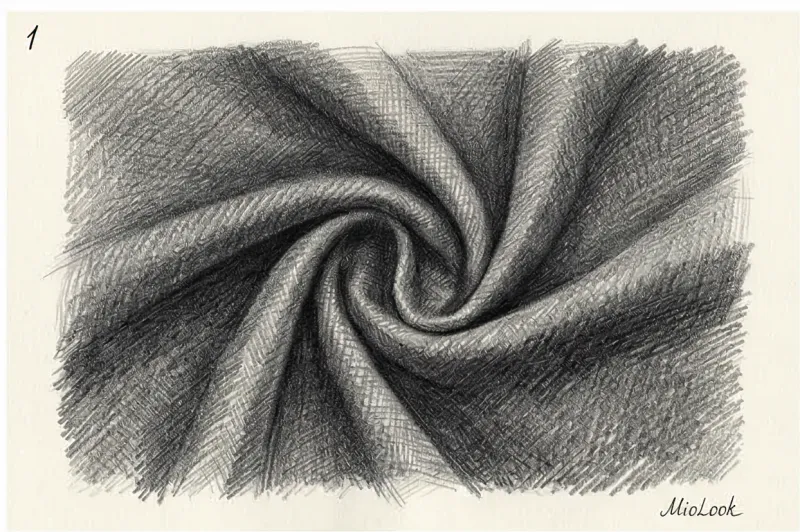
Marengo - This is a complex dark shade of gray with a slight blue or steel-blue tint.
Historically, the name is associated with the Battle of Marengo in 1800. After this battle, dark gray fabric came into fashion, associated with Napoleon Bonaparte's greatcoat.
Initially, the term was applied exclusively to cloth in which black threads were interwoven with a small amount of white, creating the effect of a deep and visually uneven gray.
In modern fashion glossaries, marengo is considered a classic basic color. It offers a softer, more refined alternative to pure black in both casual and formal wardrobes.
Distinctive features
Marengo's main characteristic is its cool blue undertone. This is what distinguishes it from flat graphite, anthracite, or wet asphalt.
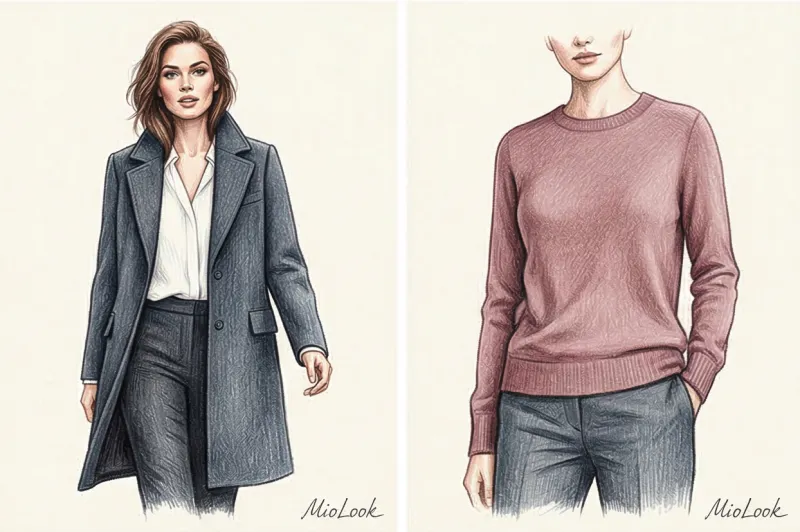
The color has optical depth and changes depending on the lighting. In dim light, it appears almost black, while in bright daylight, the bluish-gray base clearly appears.
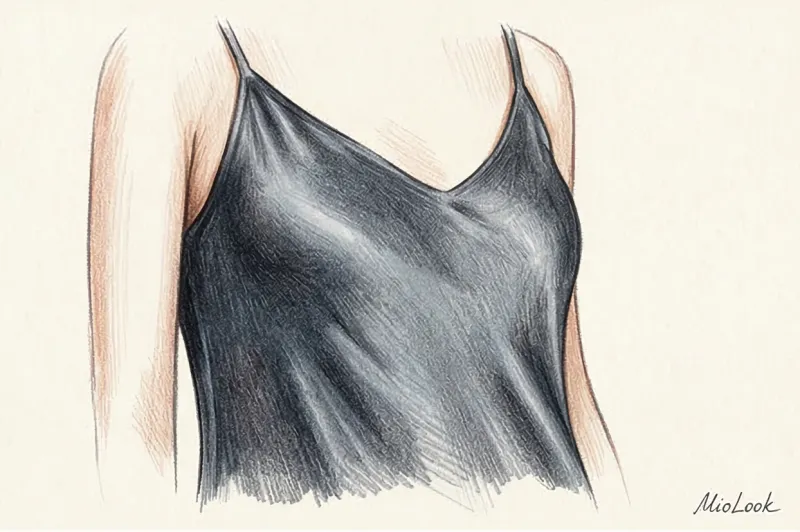
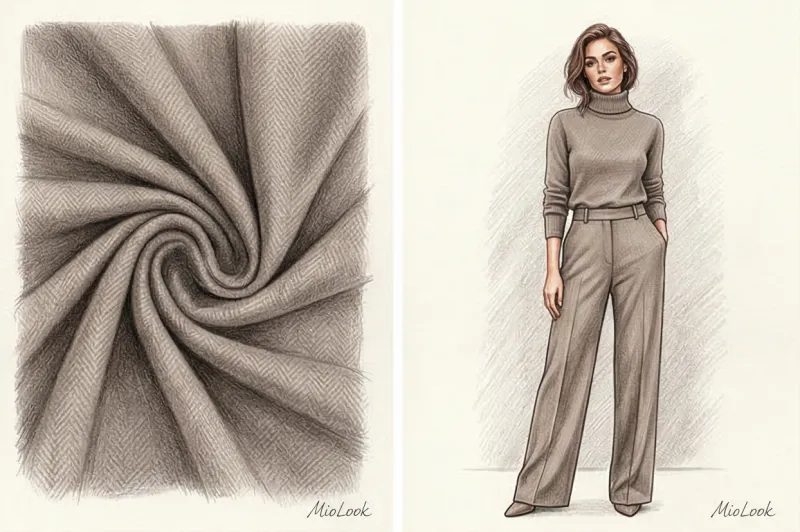
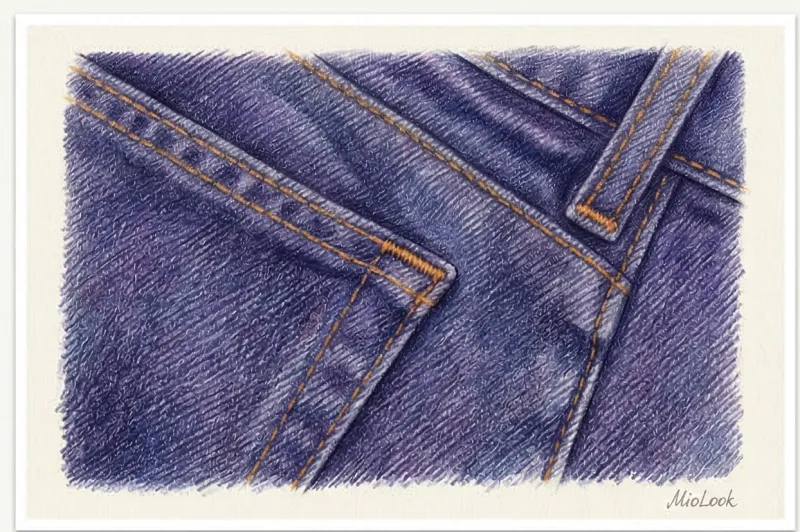
The shade reveals its full potential on textured materials: wool, tweed, cashmere, thick cotton, and matte silk. In smooth synthetic fabrics, marengo often loses its depth, visually transforming into a simple dark gray.
What to combine with
In basic business combinations, marengo works well with crisp white, pearl gray, and navy. This palette creates a sophisticated yet not gloomy look, suitable for an office dress code.
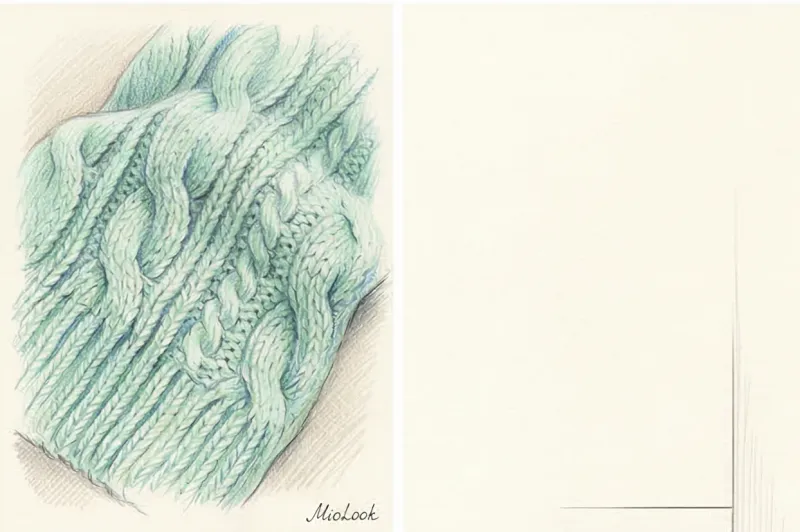
The dark marengo background is harmoniously softened by pastel tones. It complements shades of dusty rose, powder blue, lavender, and light mint.
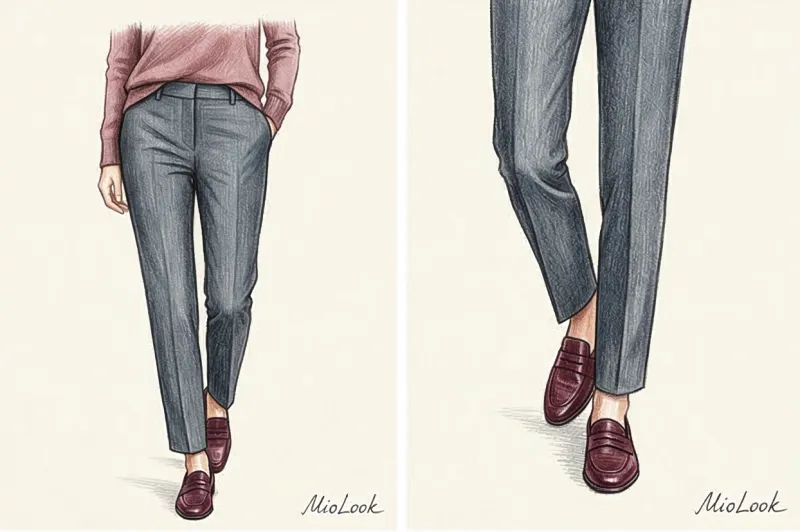
For contrasting looks, complement the color with deep, jewel-toned shades. Burgundy (Marsala), emerald, or wine create striking accents against a dark gray base.
In wardrobes, marengo is most often used for outerwear, including classic double-breasted coats. It's also used in tailored business suits, pleated trousers, and chunky knitwear.