One of my clients once called me in tears the morning after a charity gala dinner. Her stunning vintage pearl-toned silk dress, worth over €500, was hopelessly ruined. The cause? Heavy foundation, which had slowly but surely migrated from her jawline and neck to her delicate collar throughout the evening. Dry cleaning proved ineffective.
As a personal stylist, I constantly emphasize: your beauty look is inseparable from your wardrobe. And when we seek the answer to the question of how to create long-lasting makeup, we're not only solving an aesthetic problem but also protecting our investment in clothing. We discussed the concept of a unified look in more detail in our a complete guide to evening makeup.
Today, I'll share insider techniques that combine the expertise of makeup artists and stylists. We'll explore the chemistry of long-lasting makeup, ditch outdated social media trends, and learn how to create makeup that will outlast dancing, heat, and a glass of champagne—without ruining your favorite dress.
Skin Prep Secrets: Why Longevity Doesn't Start with Cosmetics
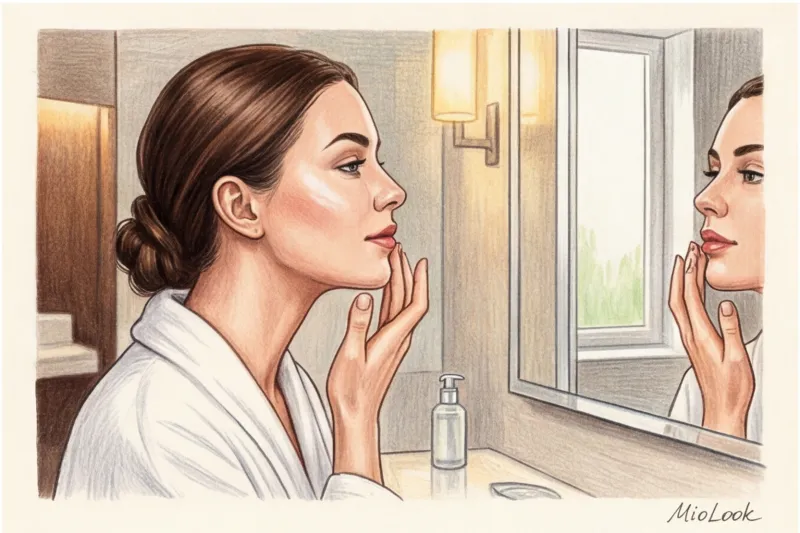
You bought the most expensive foundation with the "24-hour wear" label, but it still starts creasing after a couple of hours? The problem isn't the foundation itself. According to cosmetic chemists, sebaceous glands begin actively secreting sebum just 3-4 hours after washing your face. If the barrier is compromised, this process accelerates twofold.
Herein lies the main paradox of oily skin: trying to mattify your face with harsh cleansers until it squeaks, you overdry your skin. In response, your skin panics and produces even more sebum, which literally "eats" your makeup. Hydration is the foundation of long-lasting makeup for any skin type.
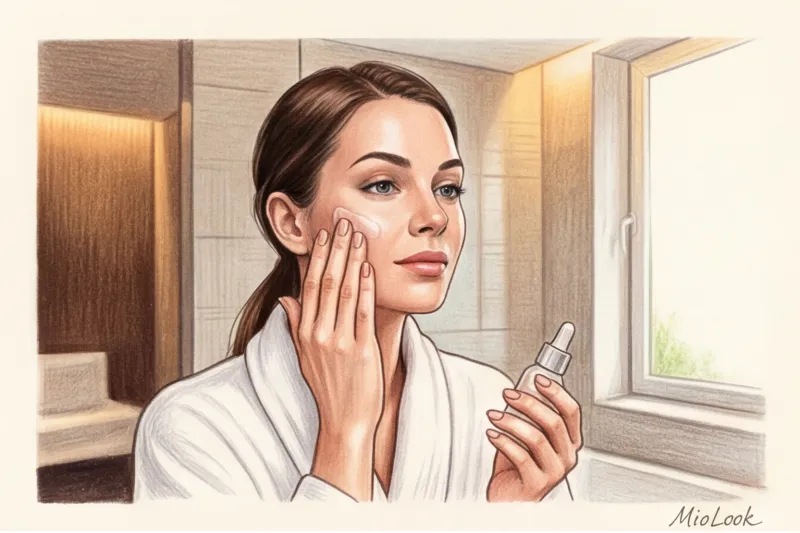
But there is one ironclad rule that I make all my clients follow: 15-minute rule Never apply foundation immediately after skin care cream.
If you apply a water- or silicone-based foundation over an oil-based foundation that hasn't absorbed, a chemical conflict will occur. The textures will simply repel each other, and your makeup will run before you even leave the house.
Primers: When are they necessary and when are they harmful?
The industry has convinced us that primer is a must-have. It's not. Primer is only needed to address specific issues. Do you have enlarged pores on your nose? Use primer only there. Is your skin peeling? Apply a moisturizing primer to the dry areas.
Be especially careful with silicone primers (look for dimethicone). They're great for smoothing out the texture for a photo shoot in the style of modern Y2K makeup , but dermatologists warn: daily use of such thick foundations creates an occlusive film. At an event in a stuffy room, the skin will sweat twice as much under this film, destroying the makeup from the inside.
Access to MioLook for €0.99 — one-time payment
A smart AI stylist will select the perfect look based on your individual characteristics.
Get access — €0.99 onceHow to create long-lasting makeup that won't ruin your outfit
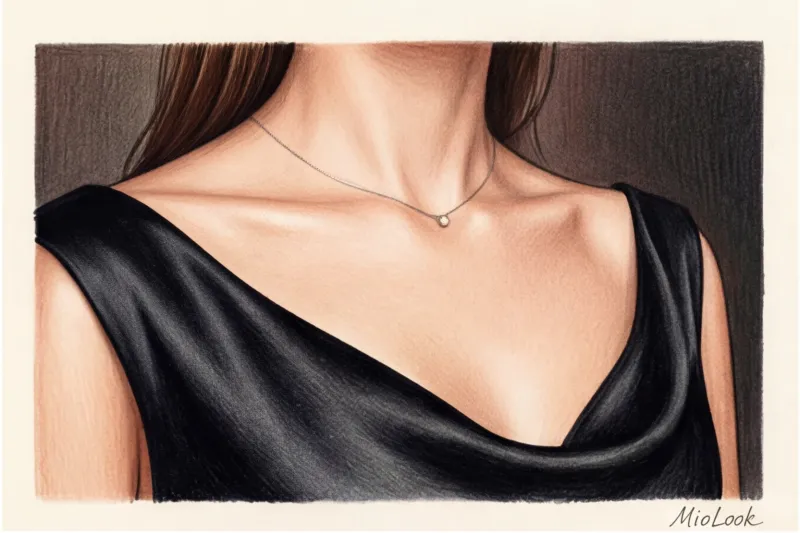
Let's return to dresses. The texture of the fabric directly dictates the texture of your makeup—this is the "Total Look" concept. If you wear heavy matte velvet, an overly shiny, dewy complexion will clash with the texture of your clothes. Silk, on the other hand, lends a delicate glow to your skin.
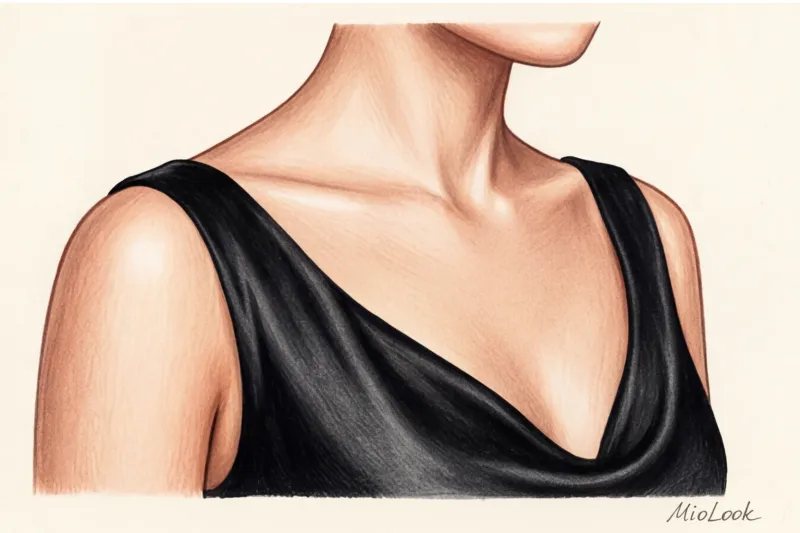
The biggest headache for a stylist is the problem transfer proof (print resistance). Light-colored collars, high necklines, and deep décolletés are at risk. If you need to even out the tone of your neck and décolleté, forget about regular foundation.
My personal secret to body fixation: Use liquid bronzers or water-based foundations, then be sure to sweep a large fluffy brush over your décolleté with translucent powder. Spray a generous amount of setting spray on top and let it dry for 2 minutes without getting dressed. No sticky creamy textures below the jawline!
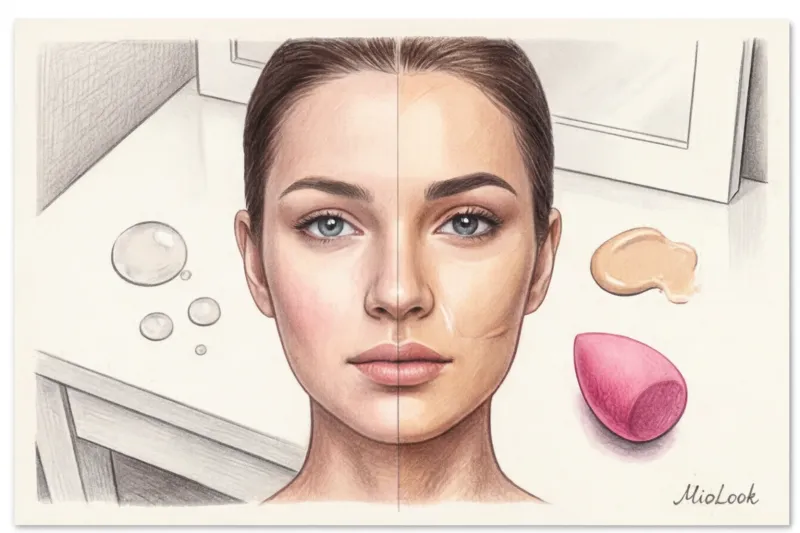
The Anatomy of Long-Lasting Foundation: The Thin Layer Technique
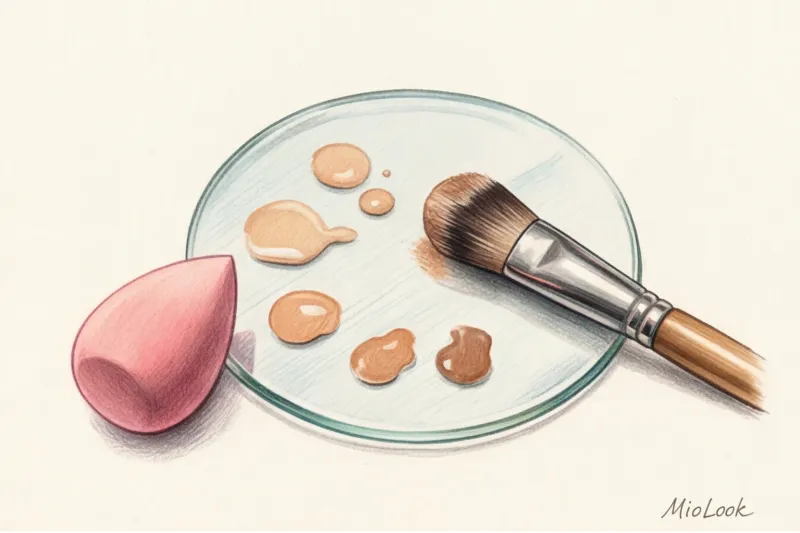
Over 12 years of modeling, I've learned one rule: one thick layer of foundation always loses to three translucent ones. Research shows that layering makeup in thin layers lasts 40% longer.
How does this work in practice?
- Take the liquid foundation fluid and apply it to the palette or the back of your hand (body warmth will make it more flexible).
- Using a slightly damp sponge, tap the product onto your face rather than smearing it. Use gentle, patting motions.
- If you need to cover up inflammation or pigmentation, add concealer locally, rather than applying a second layer of foundation all over your face.
Another professional trick - duplication technique In stuffy rooms, pigments begin to "flow" as body temperature rises. To prevent blush and contour from fading after an hour, apply the cream versions first, lightly powder your face, and then apply the same shades in a dry texture. This "sandwich" ensures the color stays on until morning.
Fixation without the mask effect: Myths about powder and sprays
Social networks have given us the fashion for Baking Baking is the act of liberally applying loose powder to the under-eye area and T-zone. It works great for drag queens on stage under the spotlights. But in real life? It's the worst thing you can do.
Baking dramatically dries out the under-eye area. On dry and aging skin, this method causes cracking of the skin tone and highlights even those wrinkles you didn't even know you had within two hours. This is a case where this trend is completely inapplicable to real life.
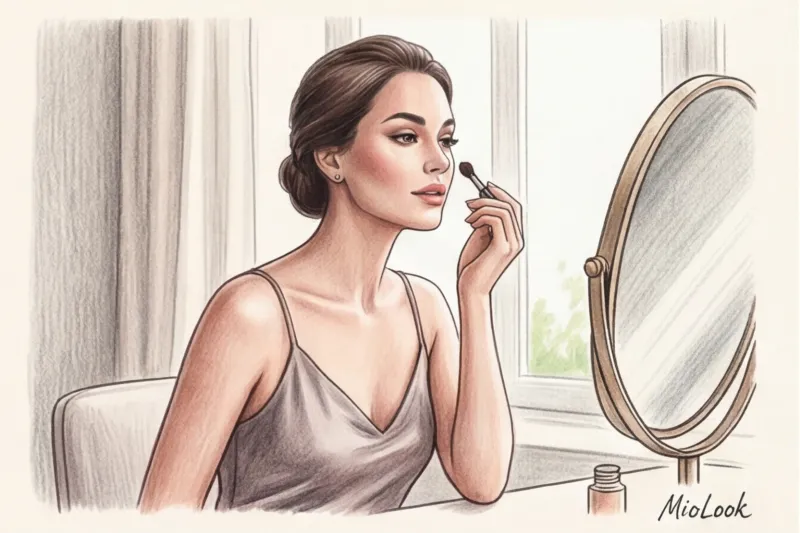
Instead, use spot powder: use a small brush to apply powder only to the T-zone, sides of the nose, and the center of the forehead. Leave your cheekbones bare—they don't need powder.
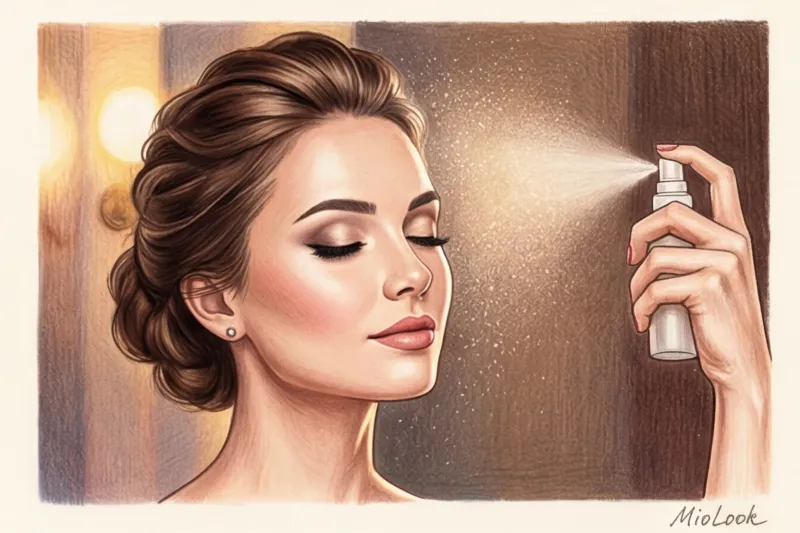
The real hero of the evening look is setting spray The WGSN Beauty Trends Report (2024) notes a sharp increase in demand for sprays containing film-formers. These are polymers (often PVP/VA copolymers) that, when dried, create a microscopic, invisible, elastic mesh on the face. This prevents pigments from shifting and protects makeup from rubbing. Just be sure to avoid sprays that list Alcohol Denat as the first ingredient if you have sensitive skin.
Your perfect look starts here
Join thousands of users who look flawless every day with the MioLook app.
Get access — €0.99 onceA permanent look and lips: focus on problem areas
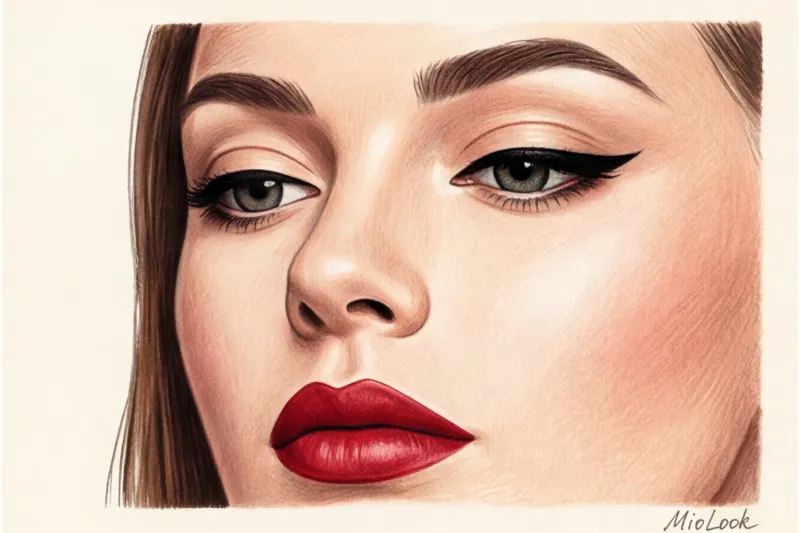
One of the most common mistakes is using a thick concealer instead of an eyeshadow primer. Concealer contains oils and moisturizing ingredients, and it will inevitably crease on the eyelid. For evening wear, a special polymer-based eyeshadow primer is essential.
To prevent your eyes from "running" from tears of joy or a stray breeze, be sure to apply a waterproof gel pencil between your lashes. Don't apply it to the mucous membrane, but to the roots of your lashes.
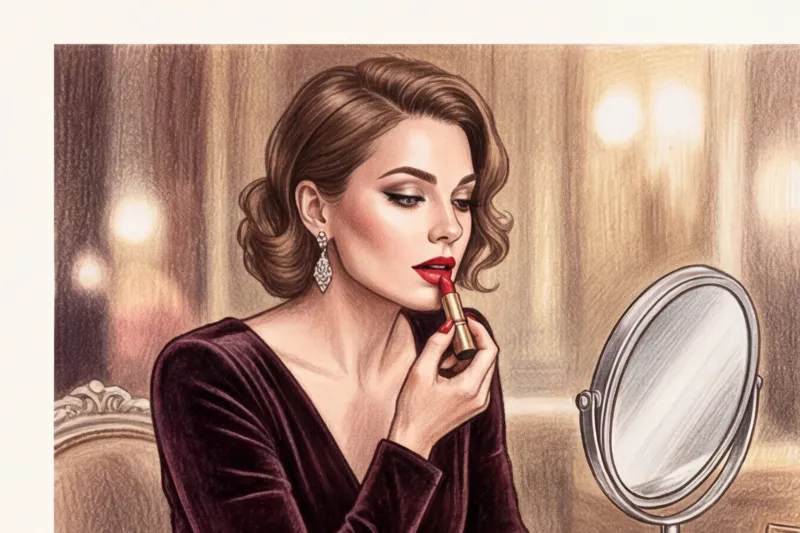
Now about lips. I've personally tested dozens of long-lasting lipsticks at prestigious events with the finest glass. Nothing cheapens a look like a bold red mark on the rim of a glass.
Here's my tried-and-true multi-step lip technique:
- Shade the entire surface of your lips with a long-lasting pencil (it’s drier than lipstick and adheres to the skin better).
- Apply the first, very thin layer of lipstick.
- Place one layer of regular tissue paper on your lips and lightly powder your lips directly through it.
- Apply a second thin coat of lipstick.
This method permanently seals the pigment into your lips. You can eat and drink (as long as it's not fatty) and the color will stay in place.
SOS kit in an evening clutch: what you really need
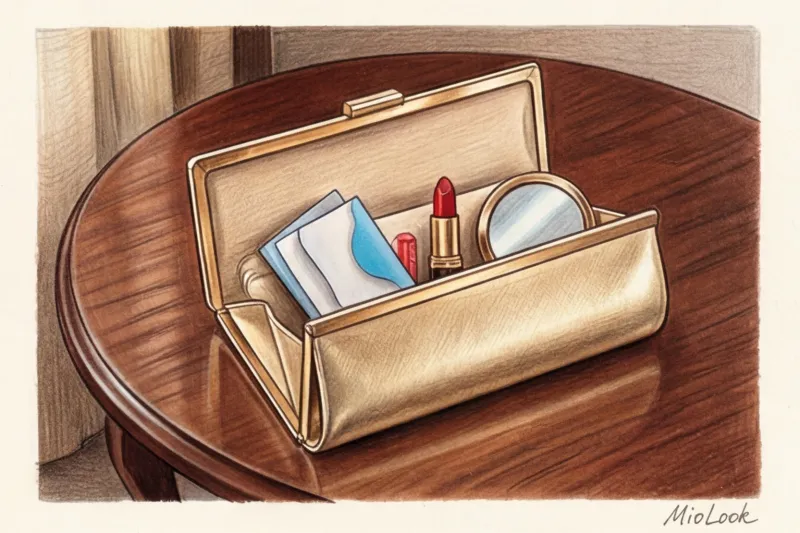
Evening bags are often limited in size, so taking your entire makeup bag with you isn't an option. MioLook , where we create virtual capsule collections, offers a great opportunity to plan your entire look in advance, including accessories. I always advise clients to plan their clutch contents even while choosing their dress.
What you really need in your purse:
- Mattifying wipes. Forget about compacts. If you powder your face over sebum every two hours, you'll end up with a sloppy, layered look by the end of the evening. Wipes absorb oil without adding texture.
- Two cotton swabs with makeup remover. Buy special wands with pre-filled liquid. This is a lifesaver if your mascara has crumbled under your eyes or your liner has started to run.
- Lipstick miniature. To refresh the center of the lips after the main dinner.
Eco-friendly makeup removal: how to gently remove long-lasting makeup
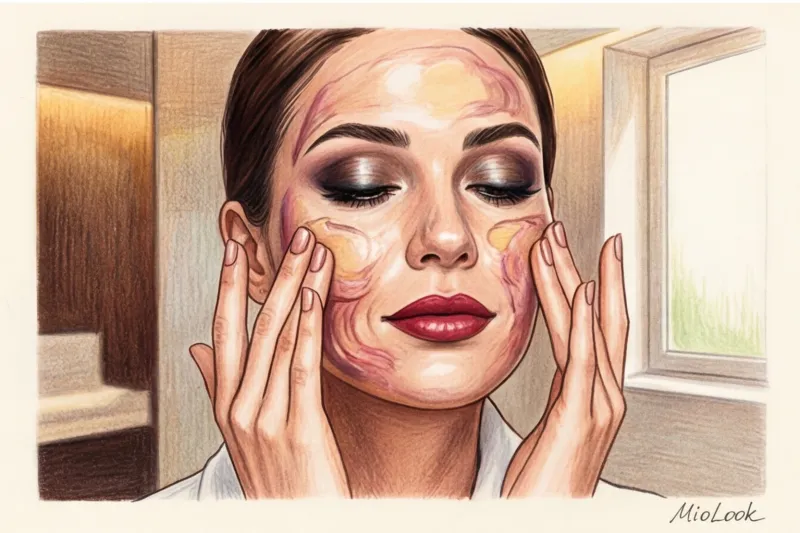
The evening is over, you're home. The biggest mistake at this point is to grab a cotton pad, generously pour micellar water on it, and start aggressively scrubbing your face. Regular micellar water doesn't dissolve stubborn film-forming agents and waterproof pigments. You'll simply stretch your skin and damage your lashes.
The gold standard for removing stubborn makeup is a two-step cleansing. First, apply a cleansing oil or balm to a dry face with dry hands. The oil will dissolve silicones and stubborn polymers. Massage for a minute, then add a little water (the oil will turn into a white milky substance) and rinse. Next, use your regular foaming or gel cleanser.
As a proponent of mindful consumption, I strongly recommend ditching disposable makeup remover wipes. Not only do they contain harsh surfactants that disrupt the skin's hydrolipidic barrier, but they also take years to decompose in landfills. Switch to reusable bamboo or cotton pads—they're eco-friendly, cost-effective, and much gentler on your face. And after properly cleansing, go to bed—preferably on the right pillow, which we discussed in more detail in the article about The benefits of a silk pillowcase for your face.
Long-lasting makeup isn't magic or a thick layer of plaster. It's about understanding textures, proper preparation, and respecting your wardrobe. Opt for thin layers instead of thick masks, trust polymers for hold rather than powder, and your look will remain flawless from the first photo to the last minute of the evening.