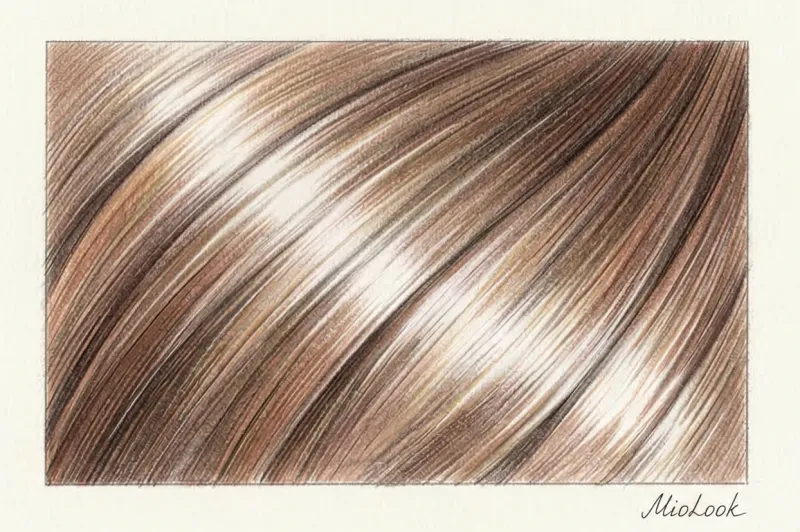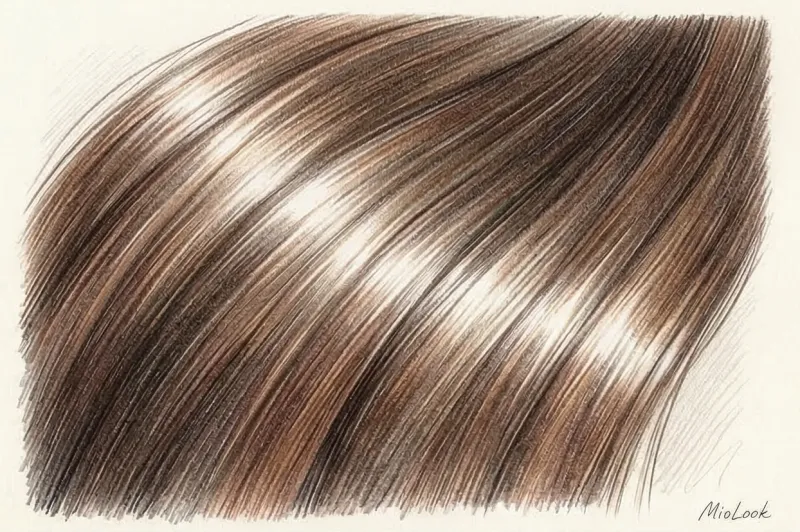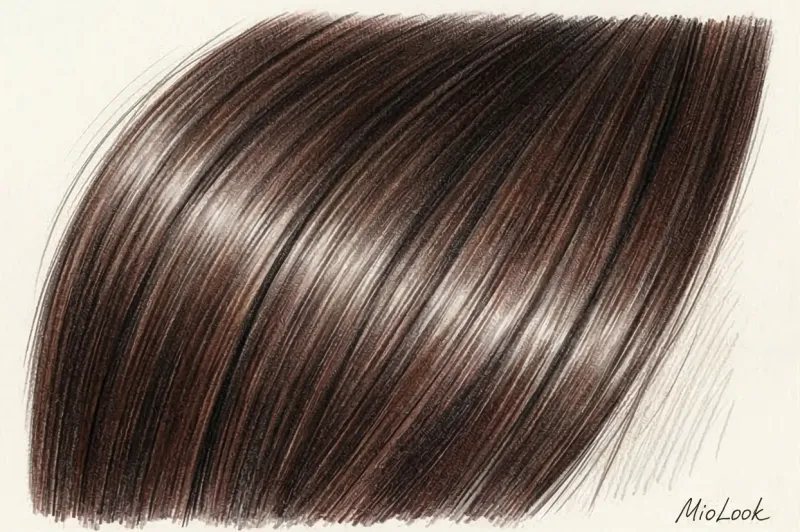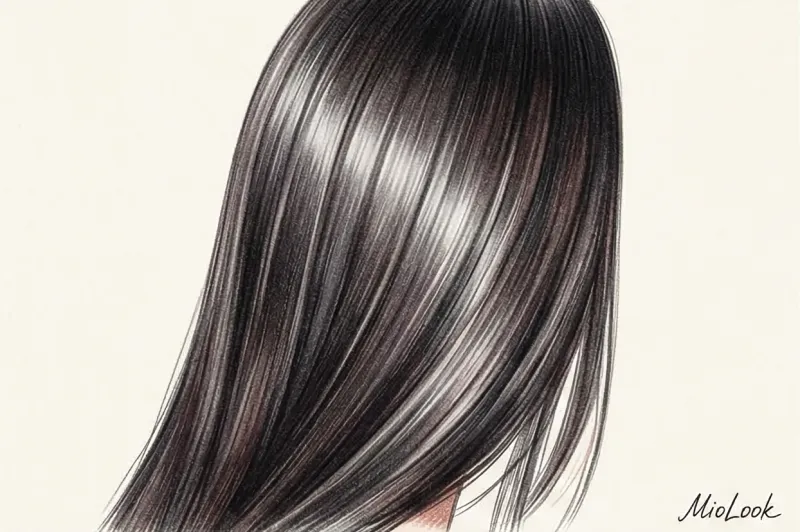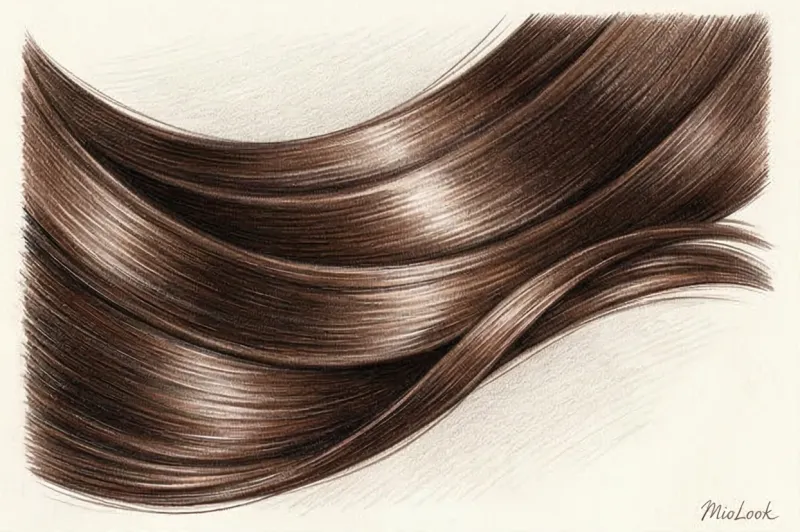
Hair lamination is a cosmetic treatment that coats each strand in a breathable microfilm to seal the cuticle. The formula contains polymers and proteins that envelop the shaft without altering internal bonds. Salons use this method to add mirror-like shine and prevent moisture loss.
What Is Hair Lamination Treatment
When you book a hair lamination treatment, you are investing in a protective shield for your strands. The procedure physically envelops the hair with a microscopic layer that locks in moisture and reflects light. Unlike chemical relaxers or perms, this process does not alter the internal structure or disulfide bonds of your hair. Instead, it works entirely on the surface.
This protective film defends your strands against mechanical damage from brushing, heat from styling tools, extreme temperature fluctuations, and environmental humidity. Visually, the treatment delivers a noticeable transformation. Because the laminating compound thickens each individual hair strand, you can expect a 10 to 15 percent increase in overall hair volume. The smooth, sealed cuticle completely eliminates frizz, leaving the hair with a pronounced, mirror-like shine.
How Laminating Hair Works
The process of laminating hair usually takes about an hour or two at the salon, depending on your hair length and density. The stylist begins by washing your hair with a clarifying shampoo. This step removes product buildup, excess sebum, and mineral deposits, ensuring the laminating compound can adhere properly to the hair shaft.
Next, the stylist applies the lamination formula evenly across damp hair, working section by section. The active ingredients need heat to activate and form the protective shield. You will typically sit under a hooded dryer or a steamer for about 20 to 30 minutes. The gentle heat opens the cuticle just enough for the conditioning agents to penetrate the outer layer, while the polymers form a tight seal around the strand.
Finally, the stylist rinses out the compound and applies a neutralizing mask or conditioner. After a final rinse and blow-dry, the results are immediately visible: glossy, manageable, and visibly thicker hair.
Main Types of Lamination Treatment for Hair
Not all lamination treatments are identical. Salons offer several variations tailored to different hair needs, ranging from simple glossing to color correction and deep hydration.
Classic Transparent Lamination
This is the standard procedure using a colorless compound. Its sole purpose is to add shine, smooth the cuticle, and provide a protective barrier. It works beautifully on natural, undyed hair or over an existing color that you simply want to protect and enhance.
Colored or Ionic Lamination
If you want to refresh your hair color while getting the benefits of lamination, this is the right choice. The formula contains semi-permanent pigments that simultaneously tone the hair. It is highly effective for neutralizing unwanted brassy or yellow tones in blonde hair, sealing the cool pigment safely inside the microfilm.
Biolamination and Phytolamination
Biolamination relies on formulations based on natural cellulose and extracts from dandelion or zucchini juice. Stylists consider this approach gentler and hypoallergenic, making it ideal for sensitive scalps. Phytolamination takes this a step further by enriching the formula with plant extracts, vitamins, and silk proteins. This variation provides intense surface hydration alongside the standard protective benefits.
| Lamination Type | Key Ingredients | Primary Effect | Best For |
|---|---|---|---|
| Classic | Polymers, silicones | Mirror-like shine, frizz control | All hair types, undyed hair |
| Colored / Ionic | Polymers, direct dyes | Toning, color protection | Color-treated hair, blondes |
| Biolamination | Natural cellulose, plant juice | Hypoallergenic coating, volume | Sensitive scalps, fine hair |
| Phytolamination | Silk proteins, vitamins, extracts | Surface hydration, repair | Dry, brittle, or damaged hair |
Laminated Hair vs. Keratin Straightening
Many people confuse lamination with keratin treatments, but they serve entirely different purposes. The main difference lies in how they affect texture. A keratin treatment aggressively smooths and straightens the hair, often breaking down natural curl patterns to achieve a pin-straight look.
Lamination does not straighten tight curls or waves. If you have wavy hair, the treatment will simply make your natural curls more defined, incredibly shiny, and completely free of frizz. It enhances your natural texture rather than fighting it, making it a versatile option for curly and straight hair alike.
How to Care for Laminated Hair
To preserve the protective film and extend the life of your treatment, you must adjust your hair care routine. With proper maintenance, the results typically last between three to six weeks before the coating gradually fades from the hair surface.
First, switch to sulfate-free shampoos with a mild cleansing base. Harsh detergents strip the microfilm away prematurely. You must completely avoid deep-cleansing shampoos, scalp scrubs, and chemical peels while the lamination is active. When washing your hair, use only warm or cool water. Excessively hot water melts and destroys the protective polymer coating.
Styling laminated hair requires some care as well. A sleek low ponytail is an excellent style option because the hair remains smooth without any flyaways. However, you must avoid using natural oils and alcohol-heavy styling products. Heavy oils dissolve the microfilm, breaking down the barrier you just paid to apply. Similarly, the high alcohol content in most hairsprays and texturizing sprays dries out the coating, causing it to crack and flake off.