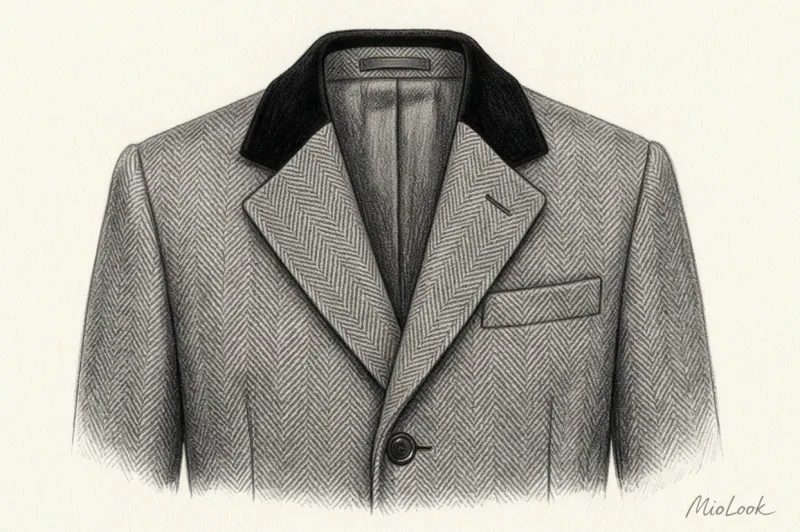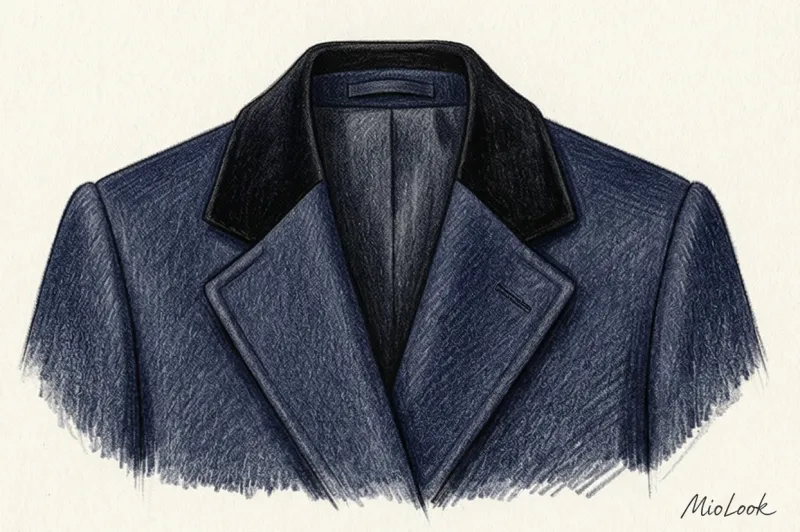
A Crombie coat is a classic single-breasted overcoat characterized by a strict silhouette and clean geometric lines. This garment features a straight cut, heavy wool construction, and a knee-length hem. It is widely used in both formal business attire and smart casual everyday wardrobes.
The Meaning Behind the Crombie Name
When exploring the Crombie meaning, many fashion enthusiasts are surprised to learn that the term originates from a specific heritage brand rather than a general tailoring technique. The name derives from J&J Crombie Ltd, a renowned Scottish textile manufacturer founded in 1805 by John Crombie. Initially, the factory focused entirely on producing premium, thick woolen fabrics for outerwear. Their cloth was so highly regarded for its durability and warmth that it quickly became the gold standard for British tailoring.
Over time, the company expanded its operations to include finished garments. The iconic, structured overcoat they produced became so ubiquitous and recognizable that "Crombie" evolved into a generic trademark. Today, the fashion industry uses the term to describe any coat sharing this specific strict, English-style design, regardless of the actual manufacturer or brand label.
What Is a Crombie Coat in Modern Fashion
For many decades, this overcoat was considered an exclusively male wardrobe staple. British politicians, corporate businessmen, and even youth subcultures like the 1960s Mods adopted the garment, cementing its status as a versatile cultural icon. The sharp lines offered a sense of authority and effortless cool.
Gradually, the style migrated into women's collections. Fashion designers recognized that the masculine silhouette provided a striking, empowering contrast when layered over feminine pieces. Modern iterations retain the historical essence of the original design. You will still find the same sharp geometry and structured shoulders, but contemporary brands frequently experiment with proportions, offering slightly oversized fits or a broader color palette beyond the traditional navy, black, and charcoal grey.
Distinctive Features of the Design
A true Crombie coat can be recognized by a specific set of design details that have remained largely unchanged for over a century. These elements work together to create a garment that looks sharp, structured, and refined.
Silhouette and Cut
The foundation of the design is its straight or slightly fitted shape. Unlike belted wrap coats or slouchy oversized outerwear, this piece relies on a sharp, accentuated shoulder line to create a strong, commanding profile. The traditional length falls exactly to the knee or just slightly above it. This specific hemline ensures the coat does not interfere with a natural walking stride while providing ample coverage against harsh weather.
Collar and Lapels
The neckline features a classic English turn-down collar with notch lapels. A famous historical detail found on many traditional styles is the contrasting top collar. This section is frequently crafted from black or dark blue velvet. Originally, this velvet trim was a practical addition, allowing the wearer to easily replace the fabric that rubbed against the neck, but it quickly became a hallmark of luxury tailoring.
Fittings and Hardware
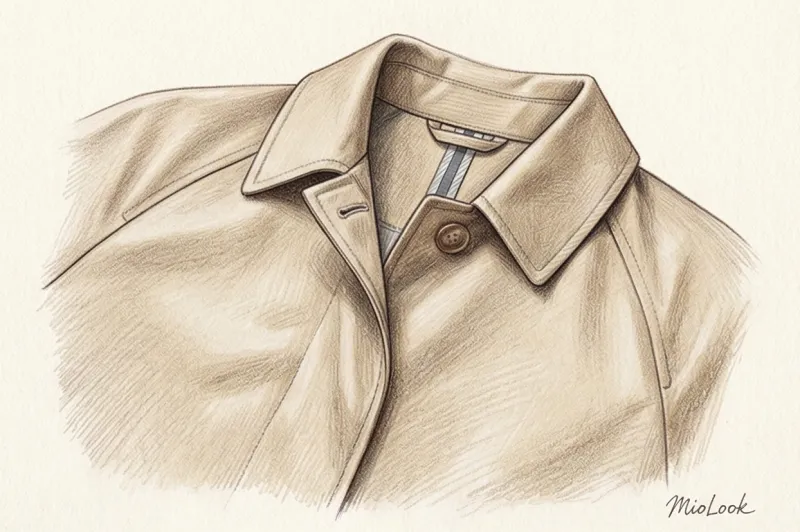
Minimalism defines the hardware and closures. The coat utilizes a single-breasted fastening system. Often, the buttons remain hidden under a fabric placket, creating a seamless, uninterrupted front profile known as a fly front. Practicality is addressed through neat side pockets equipped with flaps, alongside a single chest pocket traditionally used for displaying a silk pocket square.
Traditional Materials
Because the precise cut requires a rigid structure, manufacturers rely on heavy, shape-retaining fabrics. Thick Melton wool, robust tweed, and luxurious cashmere blends are the most common choices. These dense textiles provide excellent insulation, block harsh winter winds, and maintain the sharp lines of the tailoring without wrinkling or sagging over time.
Key Characteristics
| Feature | Standard Specification |
|---|---|
| Length | Knee-length or slightly above the knee |
| Fit | Straight or slightly tailored with a structured shoulder line |
| Material | Heavy wool, Melton cloth, tweed, or cashmere blends |
| Fastening | Single-breasted, frequently featuring a hidden button placket |
| Season | Autumn, winter, and early spring |
How to Wear a Crombie Coat
Thanks to its strict geometric shape, this outerwear easily anchors a wide variety of outfits. The structured nature of the heavy wool demands thoughtful pairing to maintain a balanced, cohesive silhouette.
Formal Business Attire
The coat naturally belongs in a corporate environment. It slips effortlessly over classic two-piece trouser suits without bunching or restricting movement. For women, it complements tailored pencil skirts, fitted blazers, and crisp cotton shirts without violating any formal dress codes. The hidden placket and velvet collar add a subtle touch of authority to standard office wear. Stick to monochromatic layers or subtle pinstripes to enhance the professional aesthetic.
Smart Casual Outfits
In a smart casual wardrobe, this style creates an excellent balance of volume and texture. The sharp tailoring instantly elevates relaxed weekend pieces. You can pair the coat with straight-leg blue jeans, thin cashmere turtlenecks, or chunky knit sweaters. The contrast between the rigid wool of the outerwear and the soft drape of a knit sweater creates compelling visual interest. Dark denim works best, bridging the gap between formal tailoring and casual comfort. Adding a woven wool scarf can further soften the strict neckline.
Choosing the Right Footwear
When selecting shoes, you must match the structured nature of the coat. Flimsy or overly casual footwear will clash with the heavy wool and sharp shoulders. Opt for substantial, well-crafted leather shoes. Brogues, classic loafers, and sleek Chelsea boots look exceptional and maintain the British heritage aesthetic.
For a more feminine approach, classic pumps or structured leather ankle boots provide the right amount of polish. Overtly athletic shoes, such as mesh running sneakers, do not pair well with such a tailored cut. If you prefer a modern, sporty edge, choose minimalist, low-profile leather tennis shoes in solid white or black to keep the overall look clean and cohesive.