What are complementary colors?
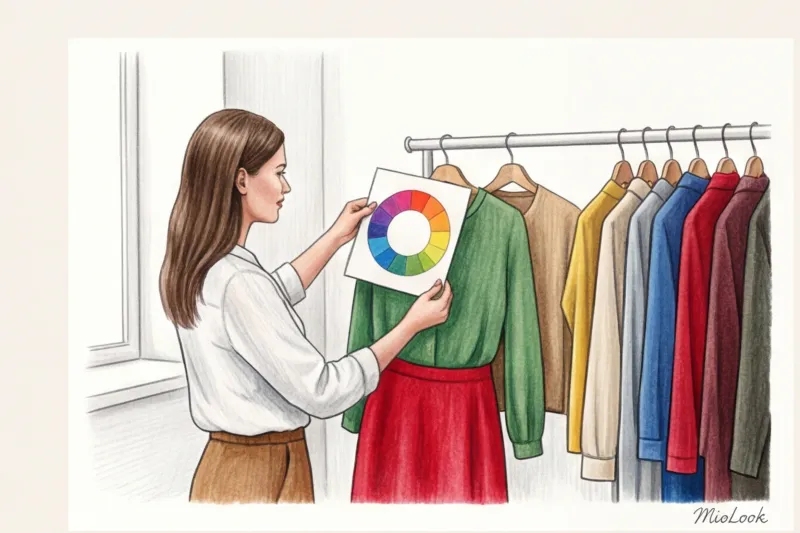
Complementary colors — these are pairs of shades located strictly opposite each other on the Itten color wheel.
Classic complementary pairs include red and green, blue and orange, and yellow and violet. The key feature of this contrast is that when placed next to each other, these colors maximize each other's brightness and saturation.
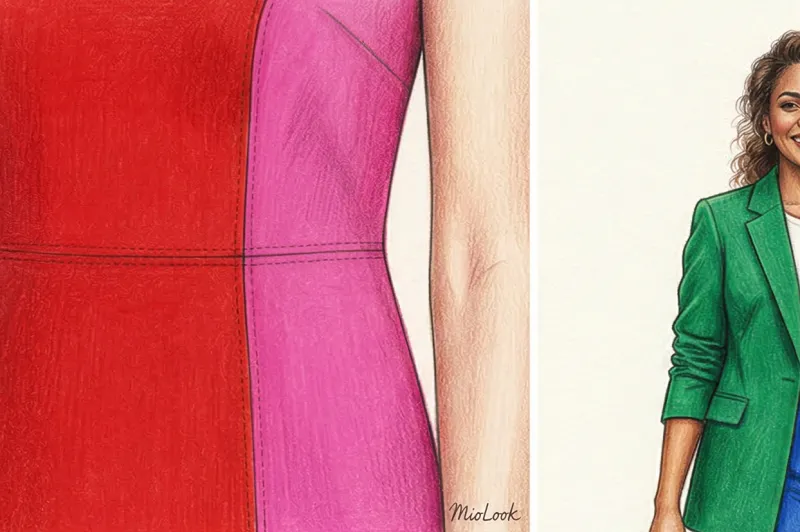
In styling, this tool is used to create dynamic, eye-catching looks with a high level of visual intensity. This combination requires care, as pure colors can compete with each other for dominance in an outfit.
Main types
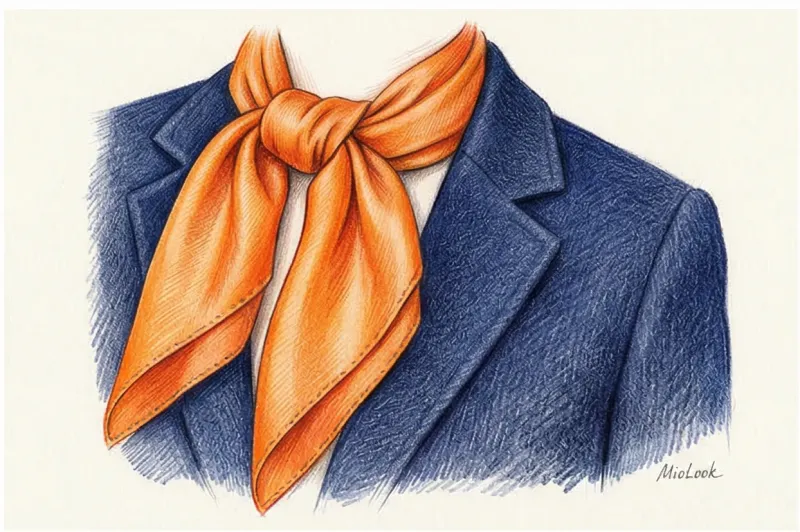
Direct complementary contrast involves using two diametrically opposed colors in their pure form. An example is the combination of a classic blue suit and a rich orange top. This is the boldest solution, often used in color blocking.
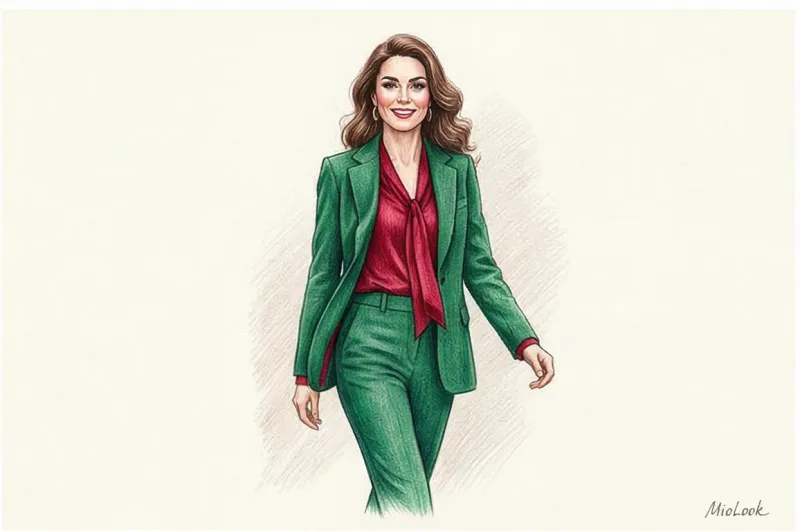
Split-complementary contrast is based on the combination of one base color with two shades placed adjacent to its direct antagonist. In this version, blue is combined with yellow-orange and red-orange elements of clothing, creating a more complex and multifaceted look.
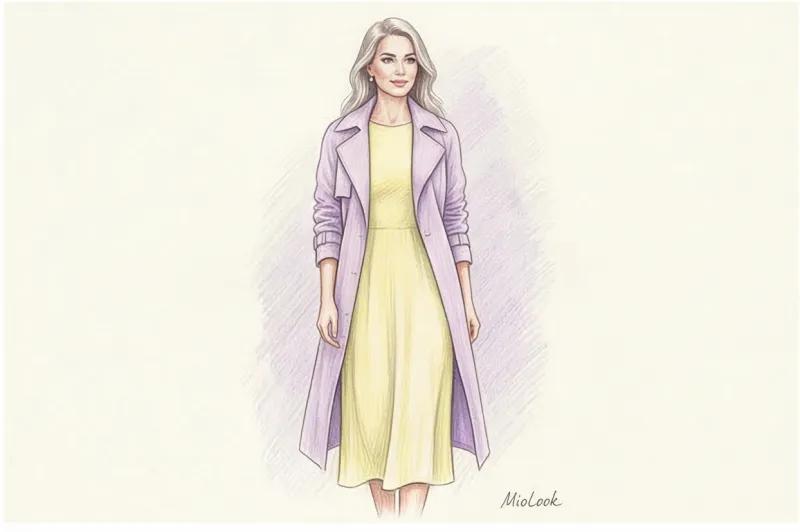
Muted contrasts help reduce visual tension by using dark, washed-out, or dusty versions of opposing colors. Popular combinations include burgundy and olive, lavender and pale lemon, and navy and peach.
How to use
When creating an outfit, it's not recommended to combine complementary colors in a 50/50 ratio. The optimal ratio is considered to be 70/30 or 80/20, where one shade occupies a large area and acts as a background, while the second acts as a point accent (shoes, bag, scarf).
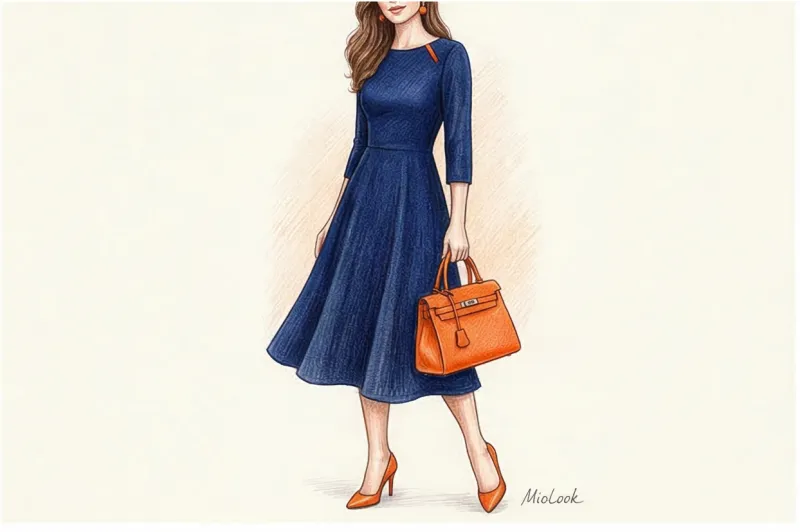
A good example of this proportion is a dark blue pantsuit complemented by terracotta pumps or a mustard scarf.
To soften the sharp transition between opposing colors, use the buffer rule. White, gray, or black serves as a neutral divider. For example, to balance an emerald jacket and ruby trousers, layer a basic white shirt between them.
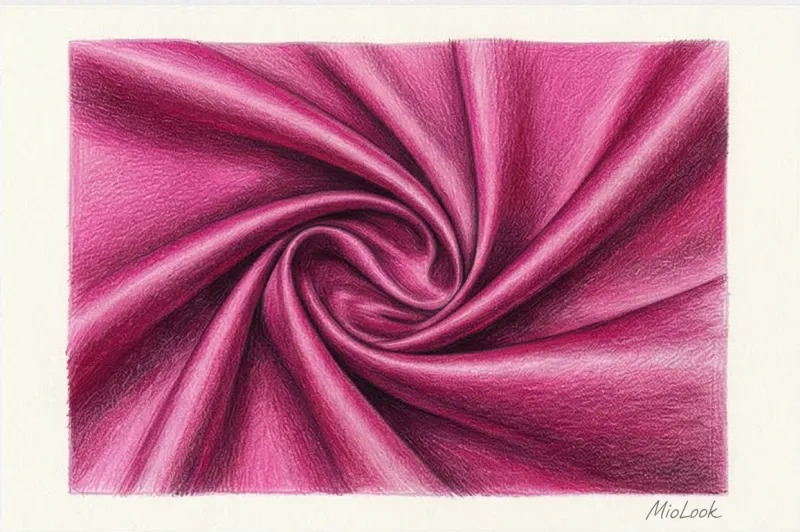
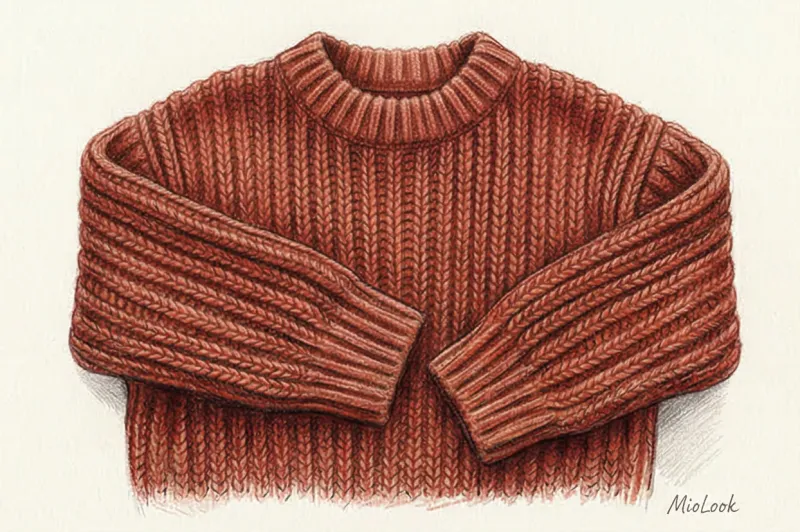
The combination looks more refined when using contrasting textures. Smooth materials with a slight sheen work well with matte and dense fabrics. A good example is an orange silk blouse paired with a thick blue wool skirt.