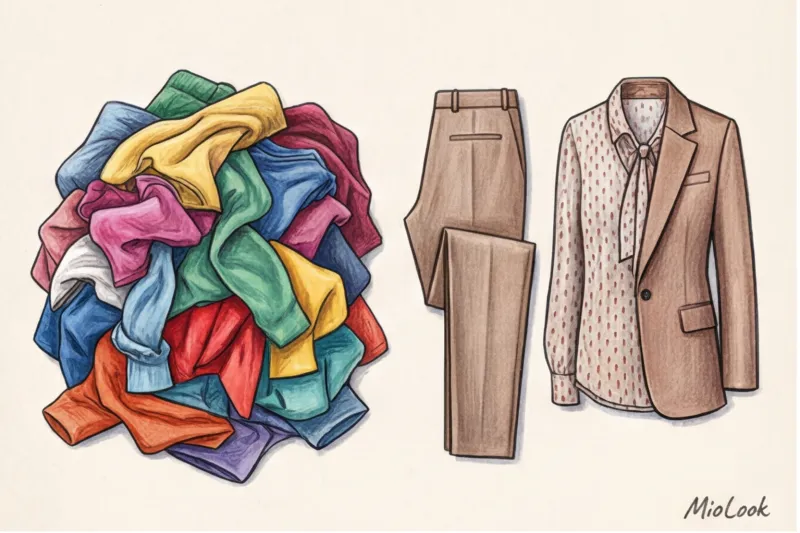
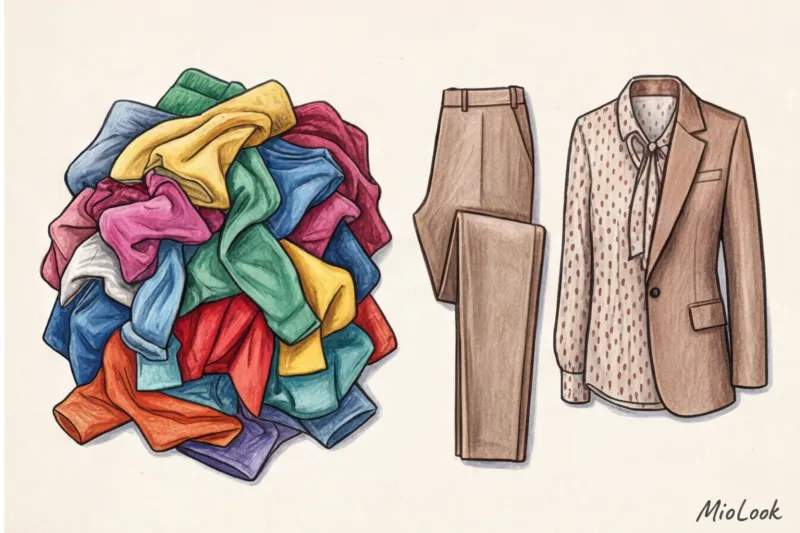
I vividly remember the day my client panicked and closed her browser tab, refusing to buy a luxurious €350 structured jacket we'd been searching for for three weeks. You know what turned her off? The "Frequently Bought Also" section. Beneath the elegant camel-colored jacket, the store's algorithm carefully piled neon sneakers, leopard-print cycling shorts, and a beach bag. The visual chaos instantly killed the magic of the premium piece. The client simply said: "Emily, this looks like some kind of cheap store if they wear things like that.".
Let's face it: classic clothing product card conversion Today, we've hit a glass ceiling. E-commerce owners continue to worship behavioral analytics algorithms, forgetting the cardinal rule of styling: people don't wear statistics. They wear images. We discussed the architecture of such solutions in more detail in our article. The Complete Guide to E-Commerce Personalization: AI Stylist for Fashion , but today I want to talk about the most painful spot of the sales funnel.
This article is written at the intersection of B2B analytics and practical styling. Over 12 years of working with private wardrobes and consulting for fashion brands, I've developed a strict rule: algorithmic "also bought" recommendations actively harm sales in the mid- and premium segments. True conversion is achieved only when a website's algorithm begins to think like a human stylist, suggesting not just items, but ready-made scenarios for their use.
Anatomy of a Failure: Why a Classic Product Shelf Is Killing Clothing Product Page Conversion
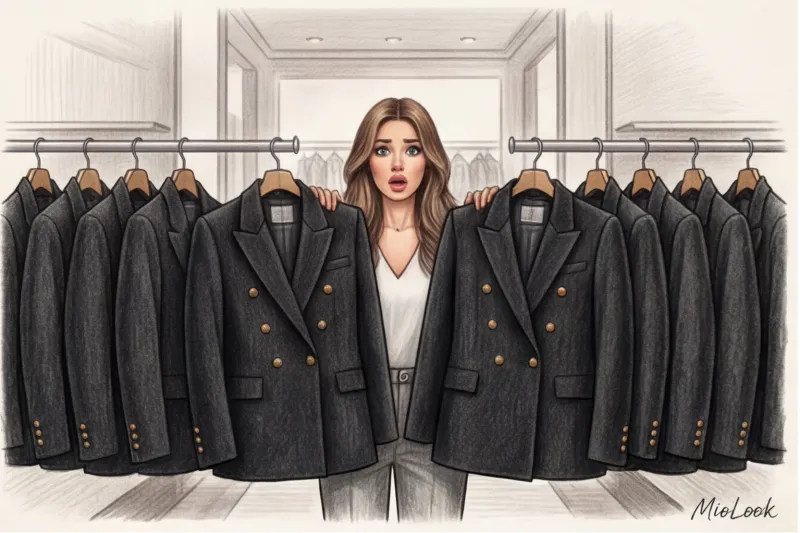
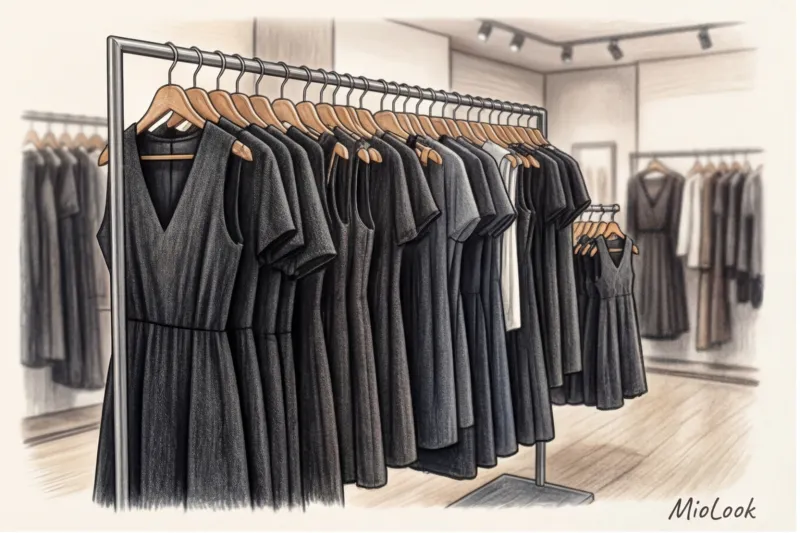
Imagine a typical website scenario. You open a basic white poplin shirt (say, for €80). What do you see at the bottom? A "Similar Products" section offering you 40 more white shirts. The algorithm thinks it's giving you a choice. In reality, it's inducing decision paralysis.
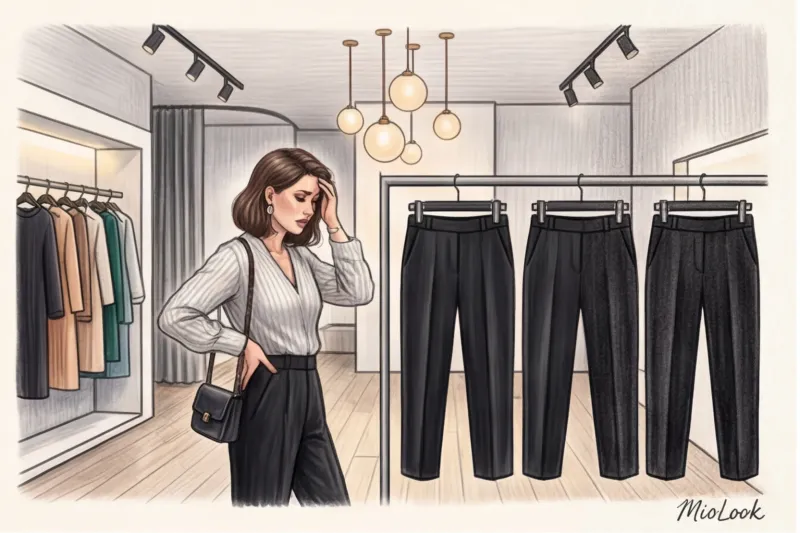
In the report McKinsey State of Fashion (2024) The phenomenon of decision fatigue has been clearly documented among online shoppers. When a customer is presented with too many similar alternatives, the brain chooses the most energy-saving option—abandoning the purchase altogether. Forty options for "similar pants" don't increase the chances of a transaction; they force the customer to switch to a competitor who offers a single, yet ideal, solution.
The notorious "Frequently Bought Together" block works even worse. I call it the leopard-print skirt syndrome. If 100 people bought a black turtleneck paired with flashy neon shoes (perhaps for a theater production or a theme party), the algorithm will start recommending this combination to everyone. The machine relies on "crowd behavioral statistics," completely ignoring the laws of color, proportion, and appropriateness.
A customer doesn't come to a website for a piece of seamed fabric. They come for a use case: confidence at a morning meeting, relaxedness at brunch with friends, or elegance on a first date. A product shelf sells fabric. A capsule store sells a use case.
I have a rule in my stylist practice: when I'm putting together a client's capsule wardrobe, I physically remove all unnecessary items from view. A website should do the same. Conversion rates for clothing product pages skyrocket when you clear the page of informational noise.
Paradigm Shift: From Single Pieces to Complete Capsules
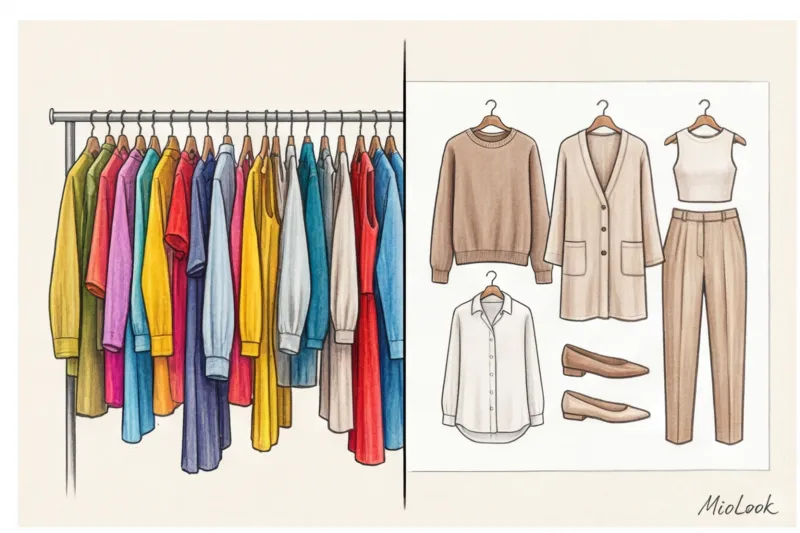
Modern online shopping requires a paradigm shift: from displaying an isolated item to visualizing its context. The main question a woman asks before adding an item to her cart is: "What will I wear this with?" If your product card doesn't answer this question within 3 seconds, you've lost the customer.
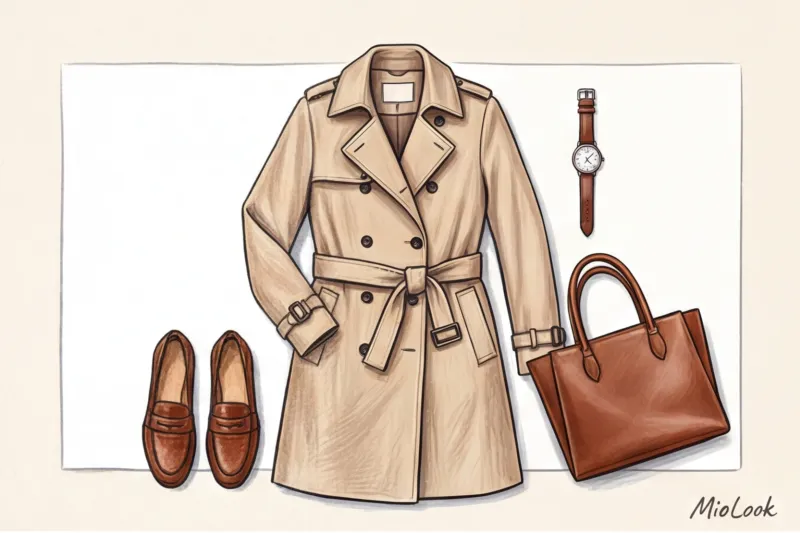
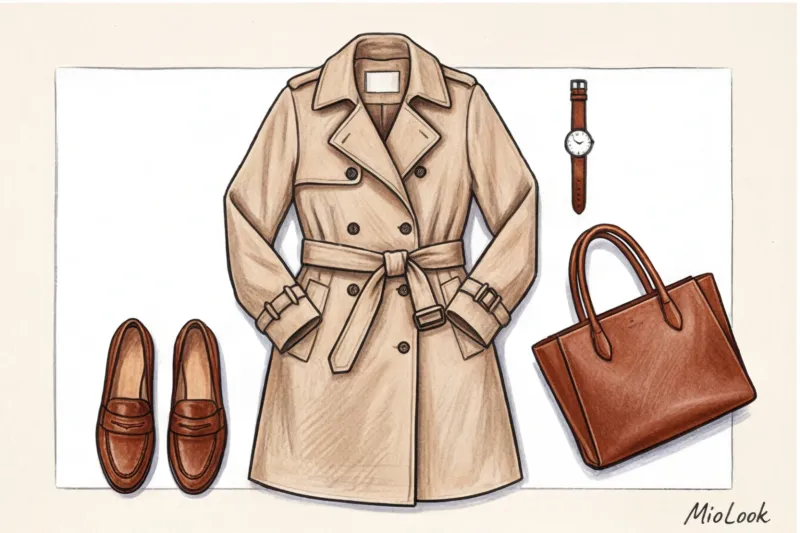
A stylistic recommendation is fundamentally different from a statistical one. It selects accessories based on clear design rules: matching color temperatures, contrasting textures (for example, the smooth silk of a skirt and the fluffy mohair of a sweater), and a balance of volumes (an oversized top with structured bottoms). This approach is the foundation of the smart wardrobe concept. You can learn more about the principles of pairing in this article. Capsule Wardrobe: A Complete Guide to Creating One.
Implementing an AI stylist instead of the "Similar Products" block
Today, primitive scripts are being replaced by artificial intelligence trained on styling rules. How does this work technically? The AI analyzes not the click history of other people, but the physical properties of the garment itself: cut, print, and fabric density.
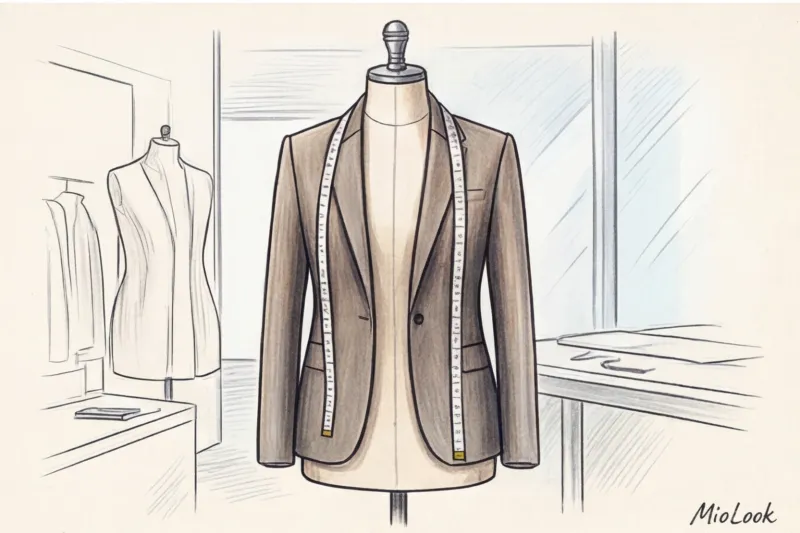
For example, if the system sees summer trousers (120 g/m² cotton), it will never suggest a heavy, chunky wool sweater to pair with them, even if statistically someone bought them together during mid-season sales. Implementing dynamic lookbooks directly in the product page allows you to show the transformation in one click: here's this jacket with trousers for the office, and here it is worn over a silk slip dress for an evening out.
Transform your sales with MioLook
Integrate AI stylist functionality into your business. Increase your average order value by offering clients complete capsule collections instead of individual items.
Get access — €0.99 onceSmart Fit and Body Type: Personalization that Reduces Returns by 30%
A high conversion rate for a clothing product is completely pointless if your LTV (Lifetime Value) is eaten up by returns. According to Baymard Institute (2023) More than 80% of online fashion returns are not due to defects, but rather because the item "didn't fit" or "didn't fit" in the wardrobe. The customer bought the picture, only to be disappointed when they looked in the mirror.
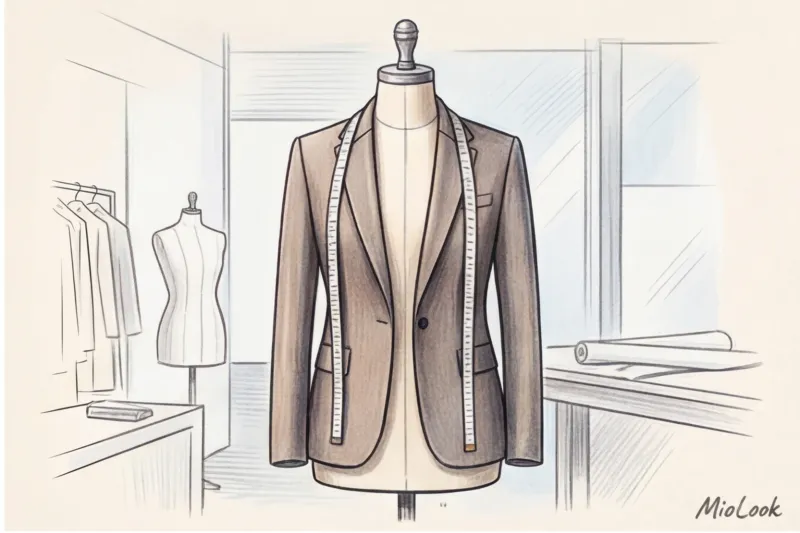
The standard size chart (S, M, L) is long outdated. A 90 cm chest measurement can look completely different on an inverted triangle body type than on a pear-shaped one. The transition to personalized recommendations based on body type is the next stage in the evolution of e-commerce.
Over the years of working with hundreds of women, I've noticed one pattern: an honest indication of the fit sells far better than aggressive marketing. A block of text on a card that reads: "It's perfect for a pear-shaped figure, as the A-line silhouette will conceal the hips, but please note that heights under 160 cm will require hemming." , inspires a tremendous level of trust. This is more powerful than dozens of faceless reviews that say "great dress, highly recommended."
Fair Limit: It's worth noting that deep stylistic personalization is NOT necessary for basic products (white-label T-shirts for €15 or socks). Speed and volume still reign supreme there. But as soon as we move on to complex designs (suits, coats, statement dresses starting at €100), a lack of understanding of body geometry is fatal to business.
Data vs. Intuition: Metrics That Change with Stylistic Personalization
For the B2B sector, beautiful words about style must be converted into numbers. Let's look at the real metrics that change when replacing a statistical shelf with a stylistic capsule.
Firstly, there is a radical growth Average Order Value (Avg. check) One of my clients, a mid-market brand, ran an A/B test. Variation "A" showed the standard "Customers Also Bought" block. Variation "B" offered the "Complete the Capsule Collection" block, which recommended a perfectly matching belt, shoes, and earrings to go with the dress. In the second case, the AOV increased by 38%. Why? Because the woman wasn't sold additional products; she was sold relief from the "what to wear with this" headache.
Secondly, it increases Time on Site without the irritation effect. The client doesn't have to wade through hundreds of pages of a catalog; they're engrossed in examining the finished looks in the product card. According to analytics McKinsey It's this kind of personalization that transforms a customer from a one-time buyer (buying a discounted sweatshirt and forgetting about it) to a brand ambassador (regularly updating seasonal capsule collections in a single store).
Your perfect online merchandising starts here
Try the MioLook app to create flawless product selections based on styling principles, not random clicks.
Get access — €0.99 onceA Practical Checklist: Implementing Fashion Stylist-Level Personalization
If you want to increase conversion right now, here's a step-by-step Action Plan, written from the perspective of a professional stylist who sees your customers' pain points every day:
- Kill aggressive cross-sales. Immediately remove algorithms from your website that rely on irrelevant purchase histories. If someone bought a tailored jacket and leopard-print leggings, that's their personal mistake; don't broadcast it to your entire audience.
- Change the block naming. Instead of the boring “Similar products” or “People also bought this” block, implement it. "Collect the image" , "The Perfect Couple" or "Everyday Scripts" Semantics sets the tone for shopping.
- Tag products like a stylist. The properties "color: red, composition: 100% cotton" aren't enough. Add hidden tags for stylistic archetypes and dress codes (Business Formal, Smart Casual, Romantic). We discussed how to put together such looks in the article. Smart Casual for Women: A Style Guide for the Office.
- Ensure visual clarity. The algorithm must understand basic color schemes. If a client is looking for a warm olive blouse, the recommendations shouldn't include cool icy blue trousers. Only related or complementary combinations.
The e-commerce market is overheated. Discounts no longer generate loyalty; they only eat into your margins. The future of fashion retail belongs to brands that stop selling just clothes and start selling self-confidence. When your product listings act like a sensitive, educated, and considerate AI stylist, conversion ceases to be a matter of luck and becomes a predictable result of high-quality service.