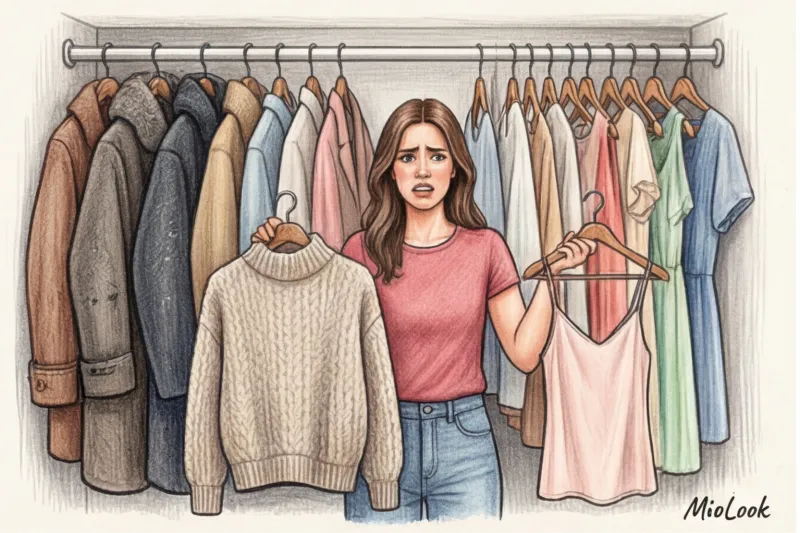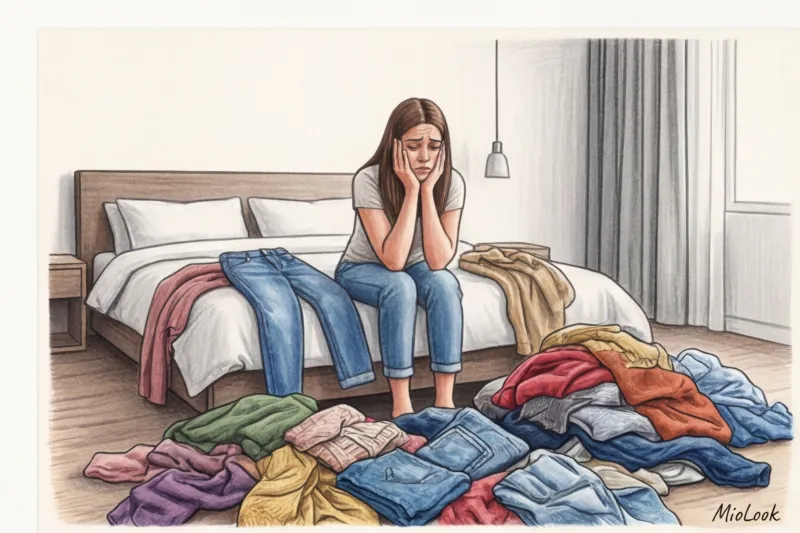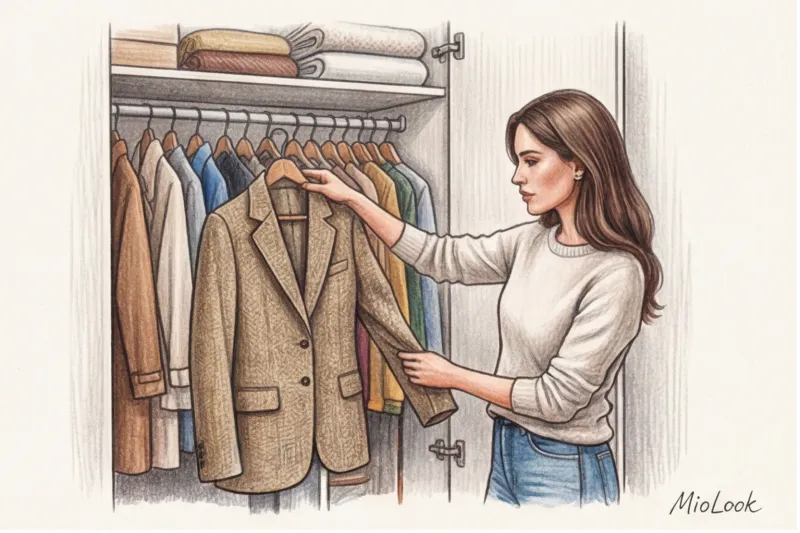
You know what I hear most often during my first consultation? "I have a closet full of clothes, but I have absolutely nothing to wear." One of my clients, let's call her Anna, almost threw away a luxurious vintage wool jacket simply because it felt "granny-esque." When we replaced the plastic buttons with accent metal ones and added a wide leather belt, the jacket became the foundation of her fall capsule wardrobe. And every closet is full of such "hidden treasures."
Before that How to update your wardrobe for the season , most women make the same mistake: they ruthlessly throw away half their clothes and then rush to the mall to buy the latest trends, which three months later will become dead weight again. We've covered how to break this cycle in more detail in our the complete guide to adapting catwalk trends.
Today, I'm offering you a different approach—the concept of "restyling the essentials." We won't burn bridges or throw out everything. We'll make your old pieces work in a new way by adding just one or two microtrends and cleverly adjusting silhouettes.
Why the strict "if you haven't worn it for a year, throw it away" rule no longer works
For decades, glossy magazines have taught us: if something has been hanging in the closet for 12 months without being worn, it's time to go. As a practicing stylist, I can officially declare: this rule is devastating to your style and budget.
An item may not be worn for entirely different reasons: you were on maternity leave, worked remotely, your weight changed, or—as happens in 90% of cases—there simply isn't the right pair. Statistics are merciless: women wear only 20% of their wardrobe 80% of the time. The rest simply waits for its time.
I once worked with a client who "rescued" half her wardrobe of elaborate printed skirts and trousers. She hadn't worn them in years and was planning to donate them. We simply bought three basic, well-fitting T-shirts (heavyweight cotton, at least 180 g/m², that holds its shape) and one structured jacket. Suddenly, all those "unwearable" skirts became perfect outfits.
"A thing can lie like dead weight not because it is morally outdated, but because it lacks stylistic 'glue' - the basic element that will tie the image together."
Furthermore, a sustainable approach to fashion dictates new rules. According to McKinsey (2023), extending the life of clothing by just nine months reduces its carbon footprint by 20-30%. Preserving high-quality fabrics (silk, cashmere, and heavy wool) is much more cost-effective than buying mass-market polyester substitutes every season.
Your perfect look starts here
Join thousands of users who look flawless every day with MioLook. Digitize your wardrobe and discover new combinations for old pieces.
Get access — €0.99 onceThe Anatomy of a Seasonal Look: A Stylist's 3-Stack System
To understand, How to update your wardrobe for the season No stress, just proper preparation. Set aside at least three hours. You'll need good daylight, a full-length mirror, and ruthless self-honesty.
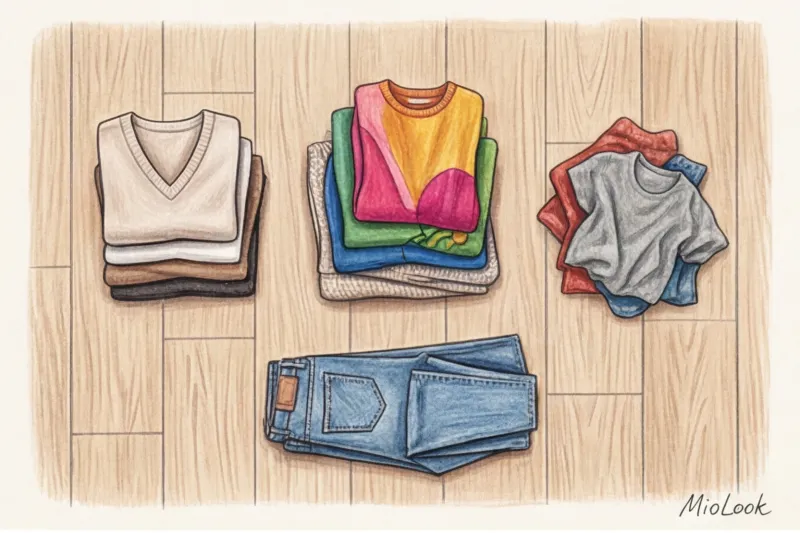
I use a three-stack system. Take absolutely everything out of the closet and sort it into the following categories:
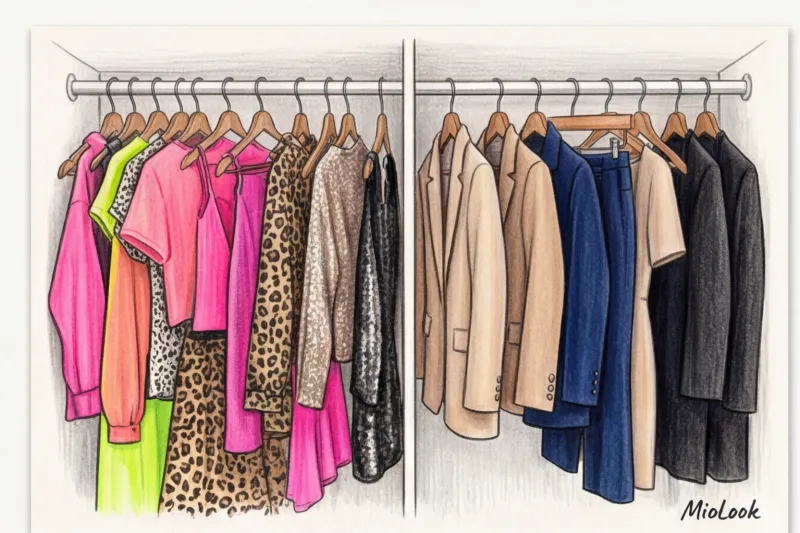
- Stack 1: "Reinforced concrete base". Items that last from season to season. Straight-leg jeans, white shirts, cashmere turtlenecks, classic trench coats. They fit perfectly and require no repairs.
- Stack 2: "Candidates for elimination." Items with stubborn stains, stretched knees, or pilling that won't machine-remove. Also included are items that are more than two sizes too small or too big. Fair Limit: Don't keep jeans "as motivation to lose weight" - they only generate guilt every time you open the door.
- Stack 3: "Stylistic Resuscitation". Good quality items that you don't wear for some reason. They need a new context or a little tweaking.
Life hack from personal experience: To speed up decluttering next season, I use the "reverse hanger" method. At the beginning of the season, hang all the hangers with the hooks facing you (unconventionally). When you wear an item and return it to the closet, hang it up properly. In six months, you'll clearly see what you've been missing.
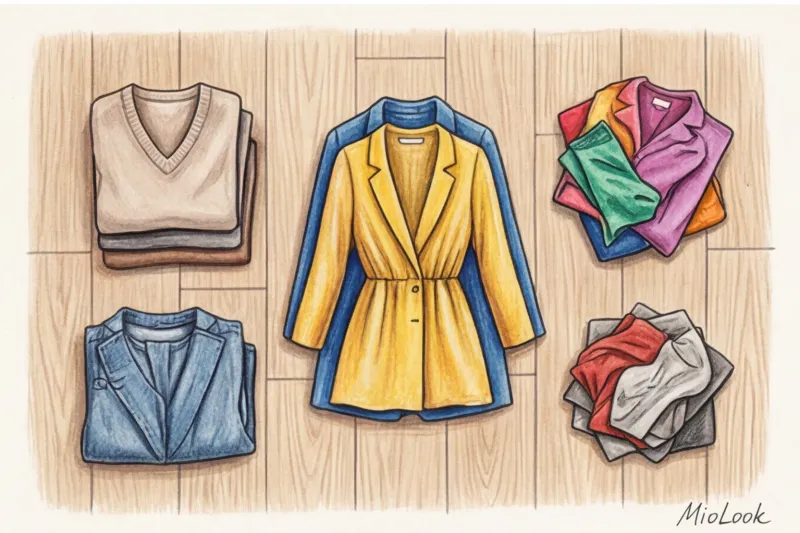
How to give things from your third pile a second chance
Before you throw something away, consider whether it can be saved. Sometimes a small intervention can make all the difference:
- Changing fittings: Cheap plastic buttons on a cardigan from Zara or H&M give away its price. Replace them with vintage metal, horn, or fabric-covered buttons (these will cost you €5-10 at a tailor's), and the item will look premium.
- Re-tailoring: An outdated midi dress with a loose hem can be shortened to a trendy mini. Remove unnecessary details: ripped-off decorative epaulettes or outdated ruffles on the sleeves can save a great silk blouse. But remember: This advice does NOT work with fine knitwear or complex bias cuts - they will become deformed when tweaked.
- New styling: A thin turtleneck that seems too tight to wear on its own makes a great base layer under a voluminous shirt or slip dress.
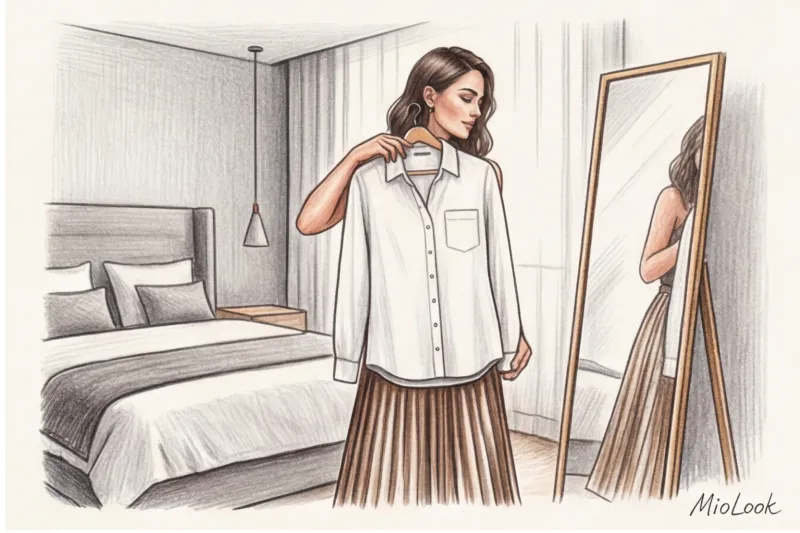
How to update your wardrobe for the season: a formula for integrating trends
Once the base is sorted, the question arises: how to add a fashionable twist? A report from the authoritative publication Business of Fashion (2024) shows that the life cycle of microtrends has shrunk to 3-5 months (remember the "mob wife" style or barbicore, which disappeared as quickly as they appeared).
Therefore, the golden rule of a stylist: 80% base and 20% trends It is this proportion that creates a contemporary yet wearable look. capsule wardrobe.
Choose trends based on your color type and body type, not on the mannequins in store windows. The Pantone Color Institute releases a palette of fashionable shades each season, but that doesn't mean you have to wear trendy Peach Fuzz if it makes your face look sickly pale. Carry the trendy color to your lower body (pants, skirts) or accessories.
Accessorizing is the safest and most cost-effective way to integrate your look. Buying just three trendy pieces (for example, a hobo bag, a belt with a statement buckle, and trendy shoes) can update up to 15 basic looks. It works without fail.
Access to MioLook for €0.99 — one-time payment
A smart AI stylist will select the perfect look based on your measurements, color type, and current catwalk trends.
Get access — €0.99 onceLagging Silhouettes: What's Really Time to Replace
Over 12 years of working with clients, I've realized one indisputable truth: it's not the color or even the print that gives away a garment's age. It's the silhouette. It's the cut and fit that make a look modern or throw you back to 2010.
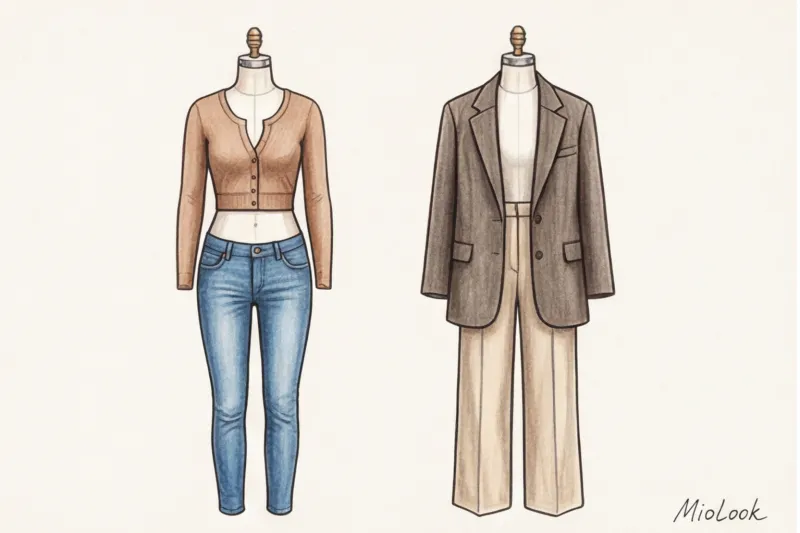
In clothing design, there's a term called "ease allowance." Modern fashion demands air between the body and the fabric. If a garment fits tightly, bursting at the seams, it visually cheapens the look and, paradoxically, adds bulk.
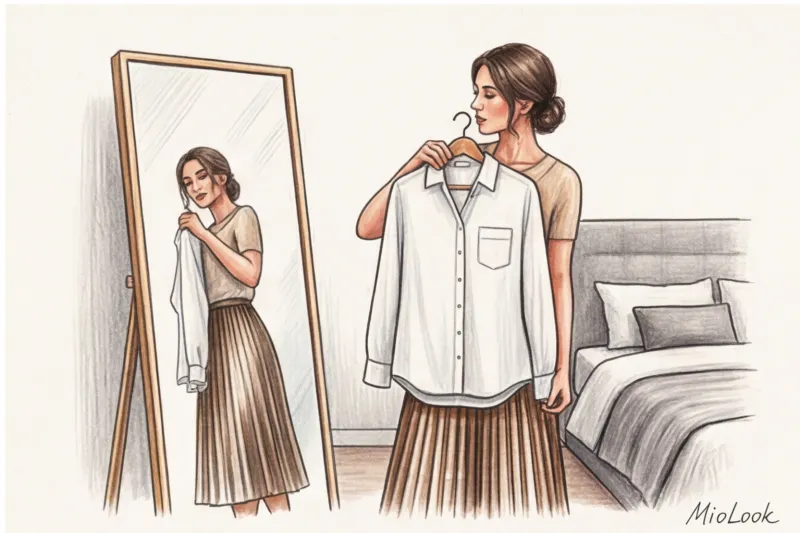
Anti-trends that need to be replaced:
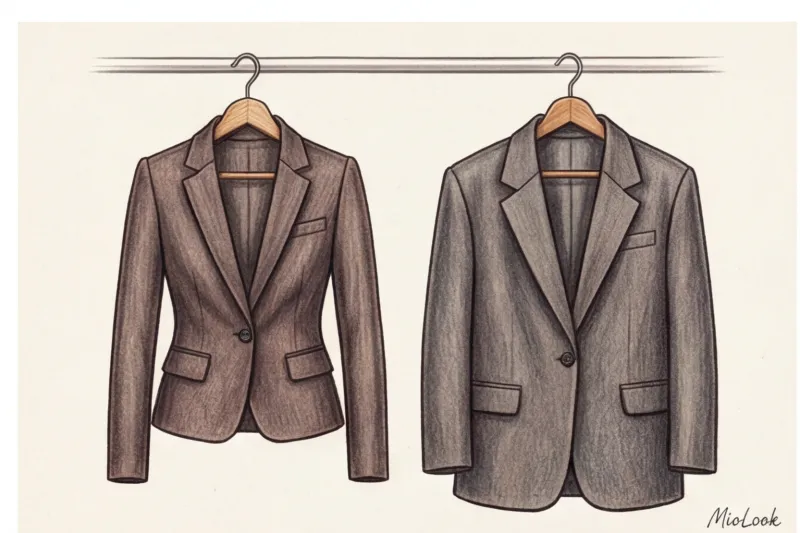
- Short, tight-fitting waist-length cardigans → Replace with voluminous, chunky knit cardigans or structured tweed jackets.
- Low-rise skinny jeans → Replace them with straight, full-length jeans with a high or mid-rise. They make your legs look infinitely longer.
- Fitted short jackets made of thin fabric → replace with straight-cut blazers with a clear shoulder line (like a man's shoulder).
It's important to maintain a balance of volumes. If you're wearing a voluminous top (like an oversized sweater), the bottoms should be more gathered (like a straight midi skirt or fitted trousers). Conversely, wide palazzo pants require a more compact top.
Smart Shopping List: How to Buy Trends That Last
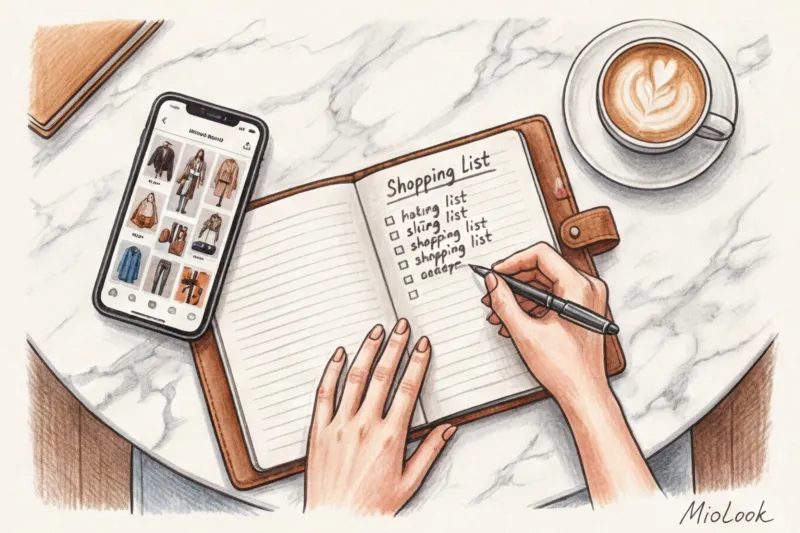
The biggest mistake is going to the store for "something new." Mindful shopping starts with the holes you've identified during your decluttering. A great option for this is electronic wardrobe , where all your clothes are in plain sight.
When compiling your list, use the compatibility matrix: One new item should create at least three new looks with what's already hanging in your closet. If you buy a neon top and need to buy special pants, underwear, and shoes to go with it, it's a bad investment.
I always teach my clients to calculate Cost Per Wear (CPOW). Let's take a quality basic jacket for €250. You'll wear it to work, to meet friends, and on a date at least 100 times over two years. Its CPOW is €2.50. Now, let's take a trendy rhinestone top for €40 on sale. You'll wear it to one party. Its CPOW is €40. Which is really more expensive?
What is worth investing in: Quality shoes, structured bags, outerwear, perfect jeans and jackets.
What you can save on: Trendy T-shirts, one-season tops, jewelry, statement tights.
Checklist: 5 steps to the perfect wardrobe before the new season
So, let's recap. How can you update your wardrobe for the season without panicking or spending too much? Follow this algorithm, tested on hundreds of my clients:
- Step 1: Full unloading and fitting. Take everything out. Try on the things you're unsure about. The mirror doesn't lie.
- Step 2: Sorting and care. Sort your clothes into three piles. Clean any remaining items immediately: take your coat to the dry cleaner, take your shoes to a shoe repair shop to have the heels replaced, and trim the lint from your sweaters.
- Step 3: Compiling ready-made kits. Create images from what you have and photograph them. Upload to MioLook app so as not to waste time in the morning.
- Step 4: Trend Analysis. Choose 1-2 microtrends that complement your figure and lifestyle (for example, burgundy or suede texture).
- Step 5: Spot shopping. Make a strict list and buy only what fills the identified gaps and reduces the overall cost of disposing of your old items.
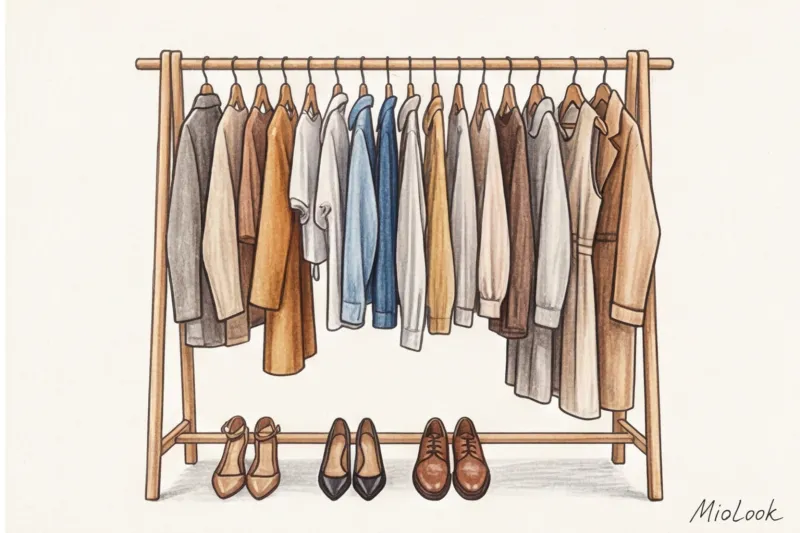
Remember the most important thing: style isn't about the number of new bags you buy from boutiques. Style is about taking a fresh look at what you already own, adding a touch of fresh relevance. Give your clothes a second chance, and they'll respond with flawless everyday looks.