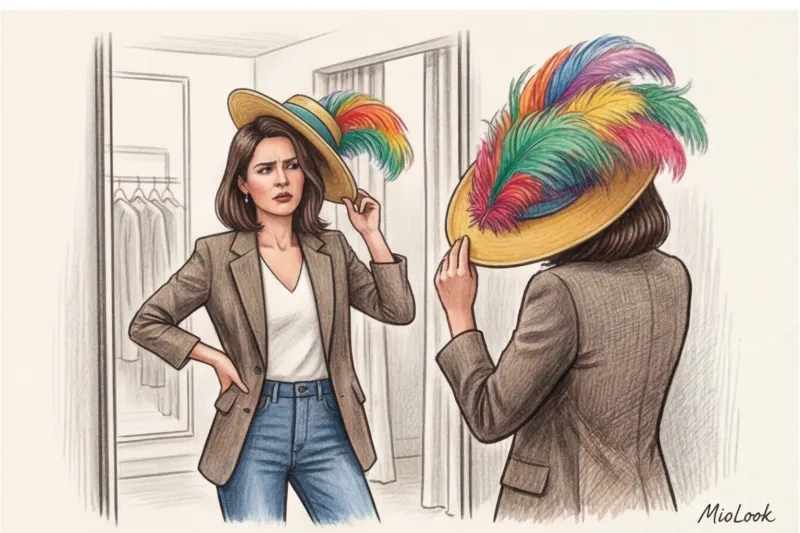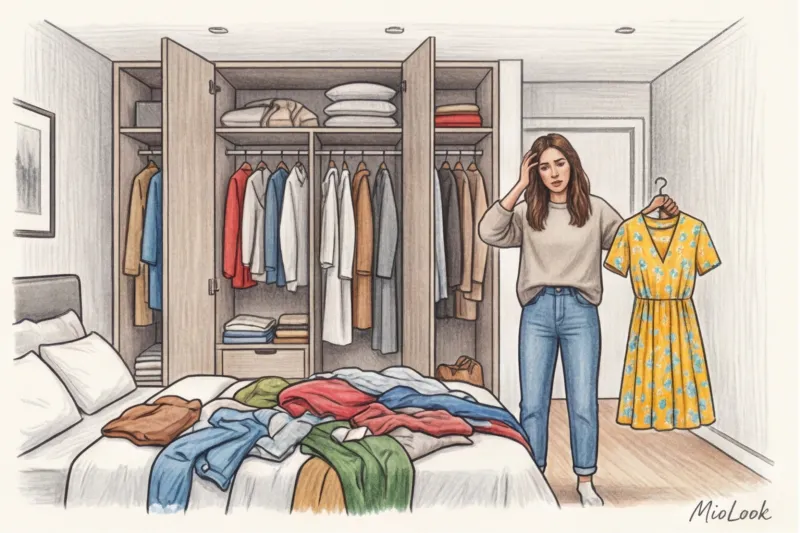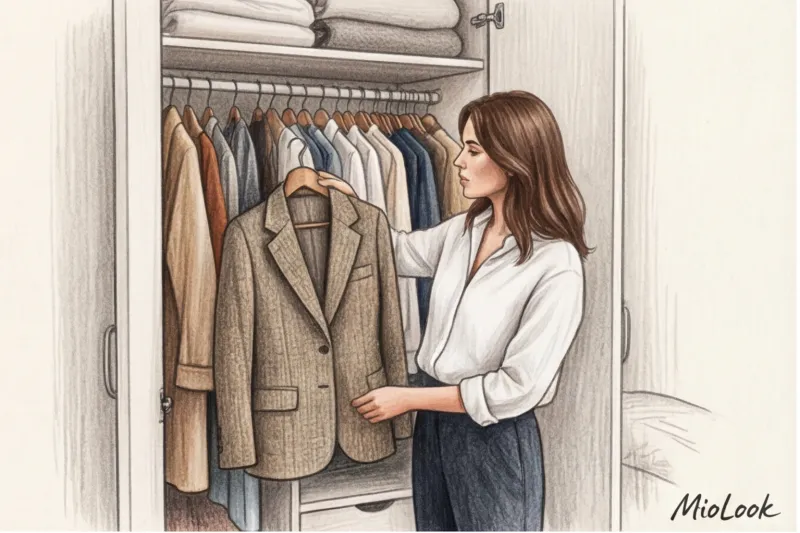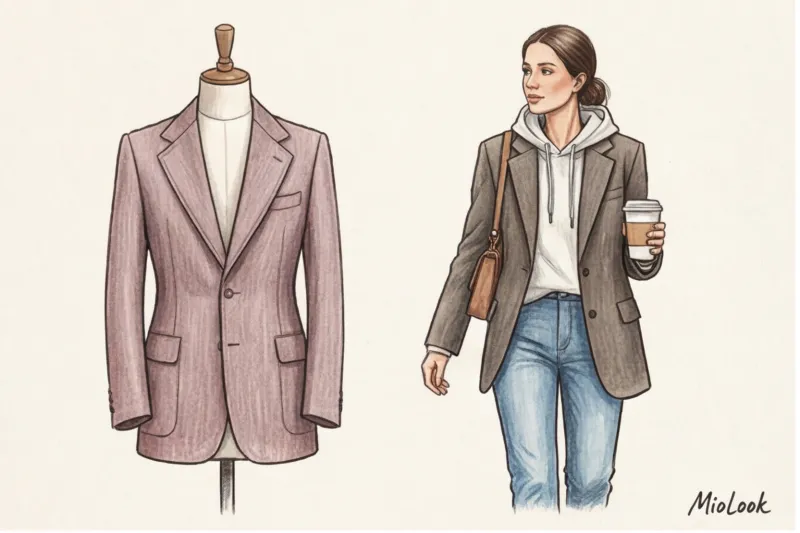

Have you ever noticed why we can unmistakably recognize Steve Jobs by his black turtleneck, or Karl Lagerfeld by his dark glasses and high starched collar? It's not the magic of a personal brand, but rather simple neuroscience. Our brains are lazy: they need visual anchors to process information in a split second. As an image strategist and colorist, I constantly observe the same thing: in an attempt to find their signature style, women start buying up outrageous hats, flashy brooches, or neon bags. But a true style signature works entirely differently.
We have already discussed the basic rules for building a wardrobe in more detail in our The Complete Guide to Finding Your Personal Style And today I'm going to explore a masterclass in fashion—creating that elusive element that will make you recognizable from behind, even if you're wearing basic jeans and a T-shirt.
What is a "signature gimmick" and why isn't it about shock value?
In cognitive psychology, there's something called the "Restorff effect" (or isolation effect). It's simple: the human brain best remembers an object that stands out from a homogeneous environment but is also regularly repeated. In the context of image, your signature look isn't a fancy dress costume. It's a subtle visual anchor, a detail that others notice within two seconds.
In marketing, there's a "7-touch rule"—a customer needs to encounter a brand at least seven times to remember it. The same math applies to personal style. People need to see your detail in different combinations at least seven times for it to become firmly associated with you in their subconscious. If you're rocking a grunge look today, a ruffled Turgenev girl tomorrow, and a minimalist the day after, you'll create a visual dissonance.
According to a 2024 report by analytics platform Lyst, amid fatigue from the hyper-fast shifts of microtrends (core aesthetics), shoppers are increasingly investing in one or two recognizable details, creating their own personal "soft uniform." A signature is your way of saying everything about yourself without saying a word.
Access to MioLook for €0.99 — one-time payment
A smart AI stylist will select the perfect look based on your preferences and wardrobe.
Get access — €0.99 onceThe Biggest Myth: Why Artificial Fashion Trends Don't Take Off
The worst advice you'll find online is: "Copy a style icon's signature look." What looks natural on Anna Wintour with her perfect bob will turn an ordinary woman with a busy schedule into a caricature. Artificial details always fall short of reality.
I had a very revealing case in my practice. A marketing client came to me and tried to make red lipstick her signature style—she wanted to project confidence and boldness. The problem was that she hated constantly touching up her lip liner after every cup of coffee, and matte lipsticks left her lips dry. By midday, her "bold signature" looked sloppy and only irritated her.
Style is not a masquerade. If a detail requires constant monitoring and interferes with your life, it will betray you. Utility always comes first.

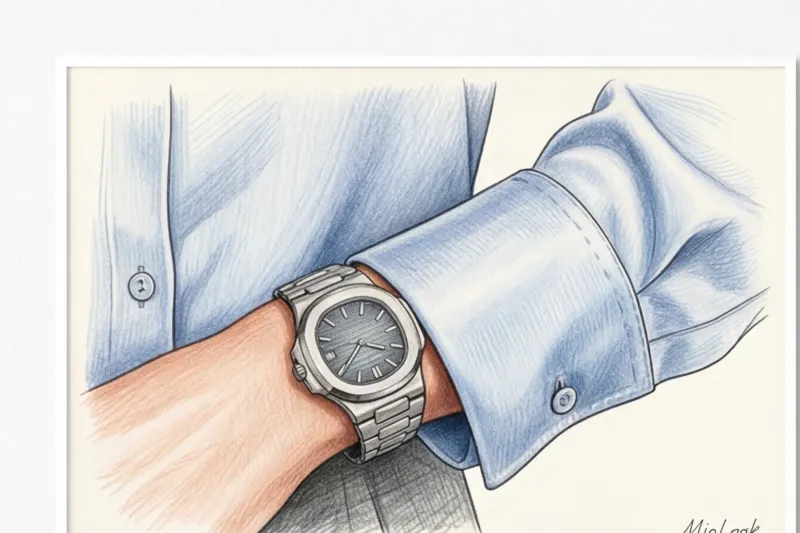
We completely de-emphasized makeup and shifted it to the portrait through clothing: her new signature feature was accentuated, elongated shirt cuffs (3-4 centimeters peeking out from under tailored jackets). It looked incredibly elegant, adding that special touch of boldness, yet didn't require a second of attention during the workday.
The 80/20 Principle of Finding Your Part
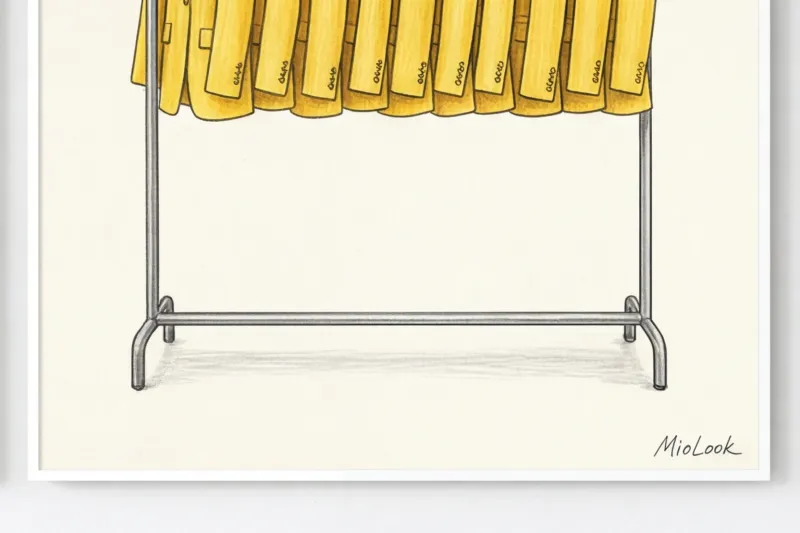
The golden rule of wardrobe is: we wear 20% of our clothes 80% of the time. It's in these beloved, worn-to-the-holes 20% that you should find the basis for your signature look. If you wear a hoodie and boyfriend jeans six days a week, a vintage cameo brooch will never be your signature look. Your piece should seamlessly integrate into your current routine, not into the ideal life you dream of.
5 Categories Where Your Unique Clothing Style Tricks Are Hiding
Over 12 years of working as a colorist and image consultant, I've developed a clear system for classifying style signatures. For a detail to be effective, it must fall into one of five categories and strictly correspond to your appearance and occupation.
Color and coloristics: an effortless anchor
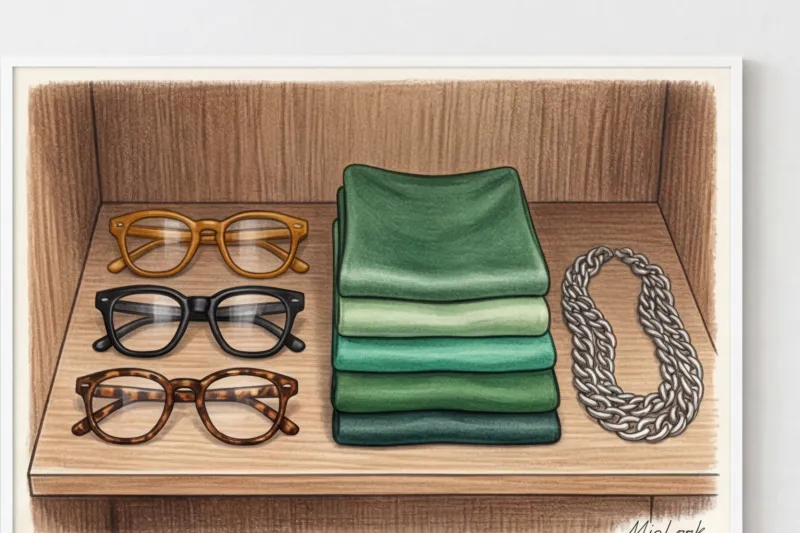
My personal favorite. You don't have to wear a complicated cut if you're a master of color. Choose one deep, complex shade and make it your signature look. In my minimalist wardrobe, burgundy (closer to a aged merlot) has become such an anchor. I might be wearing a simple white T-shirt and jeans, but I'll also be wearing Marsala leather loafers and a matching belt.
According to Johannes Itten's theory of contrast, using a single bright spot against a neutral background creates maximum visual tension, which is highly memorable. You can use monochrome as a gimmick: create all-blue or sand-colored looks, playing only on the difference in textures (for example, smooth silk with loose cashmere). This works especially well if you're looking for bright accents in a business look , where a strict dress code does not allow liberties with styles.
Textures and cut architecture
A devoted love of a particular material could become your signature look. I know a stunning architect who wears exclusively thick, form-fitting linen and crisp cotton with a weight of at least 180 g/m². No soft jersey.
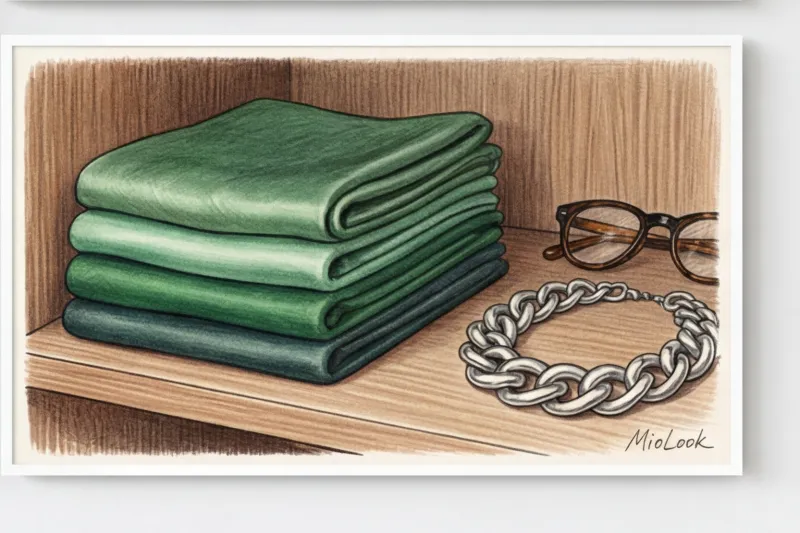
The architectural cut also comes into play. For example, the ever-present asymmetrical hems of skirts. Or the exaggerated shoulder line in the spirit of the '80s. Or the strict, sharp geometry of a jacket's lapels. When you choose an architectural cut, the garment itself becomes a statement.
Silhouette micro-techniques (Styling tricks)
Sometimes it's not WHAT you wear, but HOW you wear it that makes the difference. This is a favorite trick of stylists. Roll up the sleeves of a jacket to reveal a contrasting lining. Tuck in a shirt only halfway (the famous French tuck). Wearing a chunky men's watch over the narrow cuff of a thin turtleneck is a great technique if you choose accessories for office style.
Your perfect look starts here
Join thousands of users who look flawless every day with the MioLook intelligent assistant.
Get access — €0.99 onceHow to Find Your Signature Move: Wardrobe Audit Instead of Style Tests
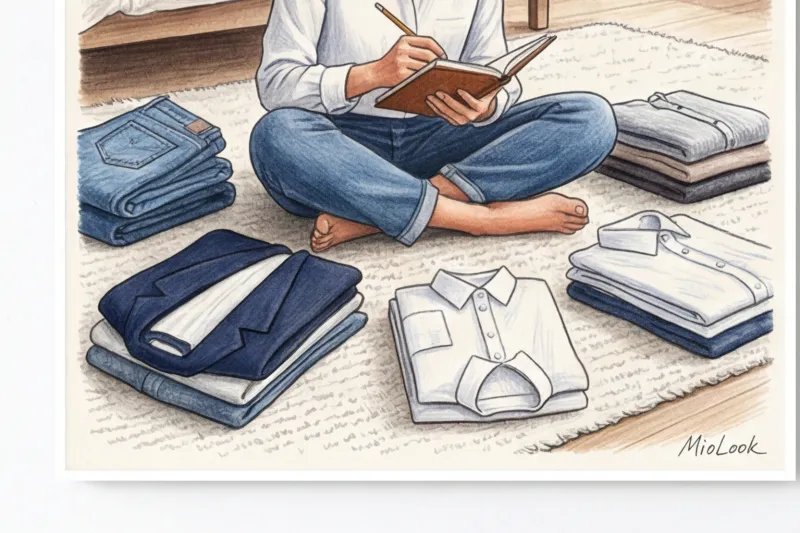
Please close all online tests to determine your style type. They give formulaic answers that are out of touch with your reality. The real thing is already hanging in your closet, you just don't notice it. Let's conduct an audit.
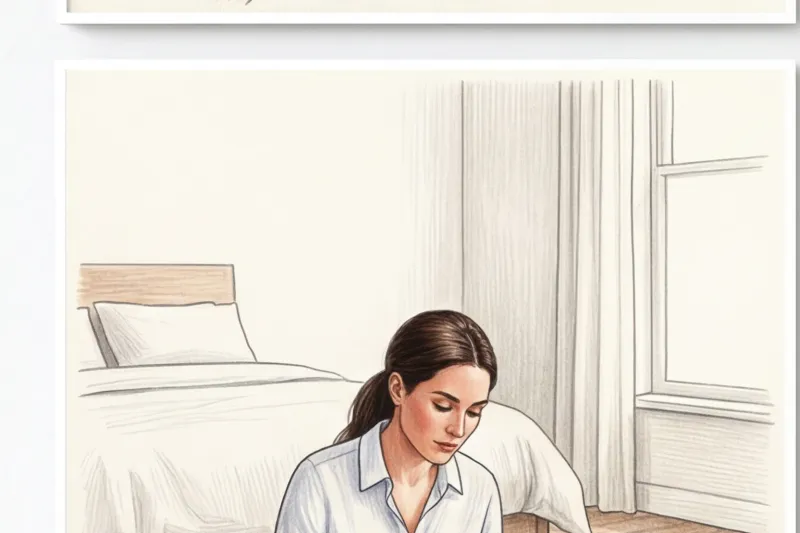
- Step 1: Analysis of unconscious patterns. Open your closet and look at your duplicates. What do you buy time and time again without even thinking? Perhaps you have five different Breton tops hanging on your closet. Or a whole shelf of chunky knit sweaters. Your brain instinctively gravitates toward what makes you feel most like yourself.
- Step 2: Compliment Test. Think about the clothes you wore that most often earned you compliments, not along the lines of "what a beautiful dress," but "how stunning you look today." These are usually the pieces that perfectly match your inner rhythm and natural contrast.
- Step 3: Friction test. Pick one potential feature (for example, massive rings on every finger) and test it for a day. If they click on the keyboard and irritate you while you're working, cross it out. The feature should serve you, not you serving it.
Rookie Mistake: When a gimmick becomes a sickening uniform
This is the trap many of my clients fall into when they decide to seriously pursue a personal brand. They find a winning detail (like a tailored double-breasted blazer) and begin wearing it obsessively, 24/7, afraid of "falling out of character."
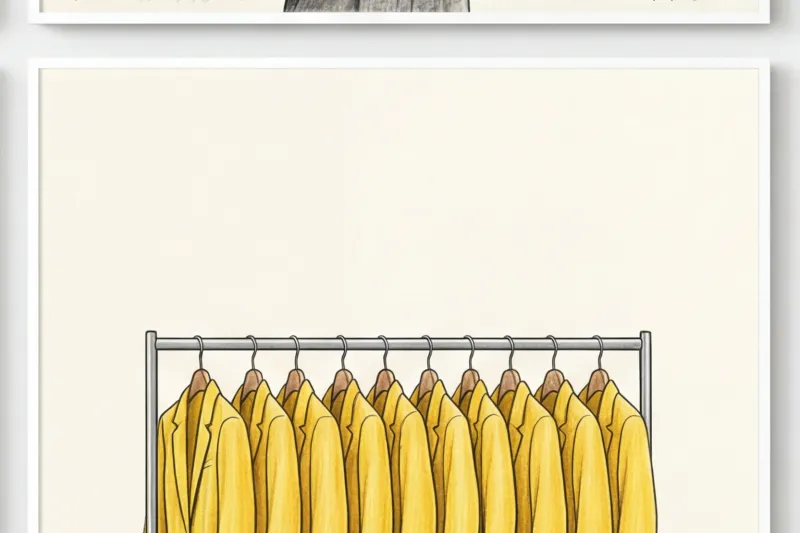
But I must warn you: this does NOT work when the context radically changes. If your signature look is a structured jacket, trying to wear it to a Sunday picnic with the kids will look awkward and out of place. A recognizable style isn't a prison of one piece. It's DNA that can be adapted.
The trick should mutate depending on the dress code. If your visual anchor is leopard print, then in the Friday office it could be a skinny belt or a silk scarf on your bag (by the way, we wrote about how to appropriately incorporate silk scarf in business style ), and for an evening get-together with friends, a pair of statement leopard-print shoes. Use your signature detail sparingly. You don't have to shout it out every day; whispering it regularly is enough.
Checklist: Implementing a Recognizable Detail in 21 Days
For a detail to become your second skin, your brain needs time to adapt. I offer my clients a three-week plan that's guaranteed to reinforce a new style habit.
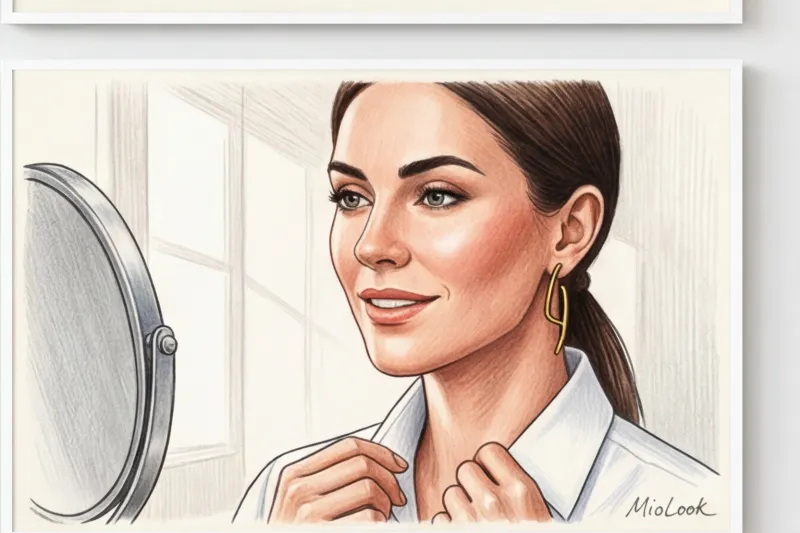
- Week 1 (Safe Zone): Incorporate your chosen feature only into everyday, most familiar situations. Going for coffee, walking the dog, meeting up with trusted friends. Get used to the physical sensation of this detail on yourself.
- Week 2 (Work Context): Adapt the trick to your professional work. If it's color, let it appear in accessories or underlayers. Observe your colleagues' reactions.
- Week 3 (Difficulty level - evening): Try incorporating your signature into a dressy or evening outing. Believe me, when you find a way to seamlessly incorporate your favorite rough texture into an evening dress code, it will be your absolute triumph.
To avoid having to remember all the combinations and track how your new trick works with different bases, I highly recommend digitizing this process. You can use an app MioLook — its smart algorithm will help you create a capsule wardrobe around your key piece and show you which items from your actual wardrobe it pairs best with.
Developing a personal style is a journey that has no place for rigid rules or blindly copying other people's idols. A true signature style always emerges from an honest answer to the question: "What truly makes me feel comfortable?" Find that one detail that gives you a sense of belonging, multiply it with consistency, and you'll create a look you'll never forget.