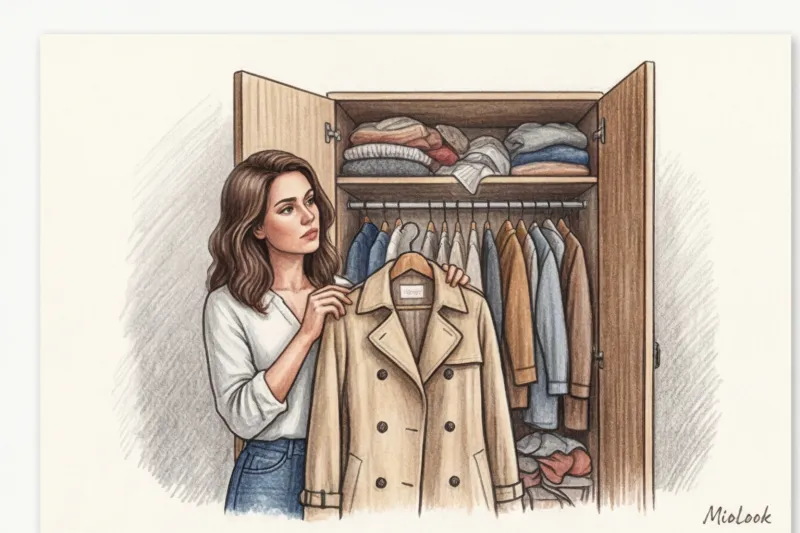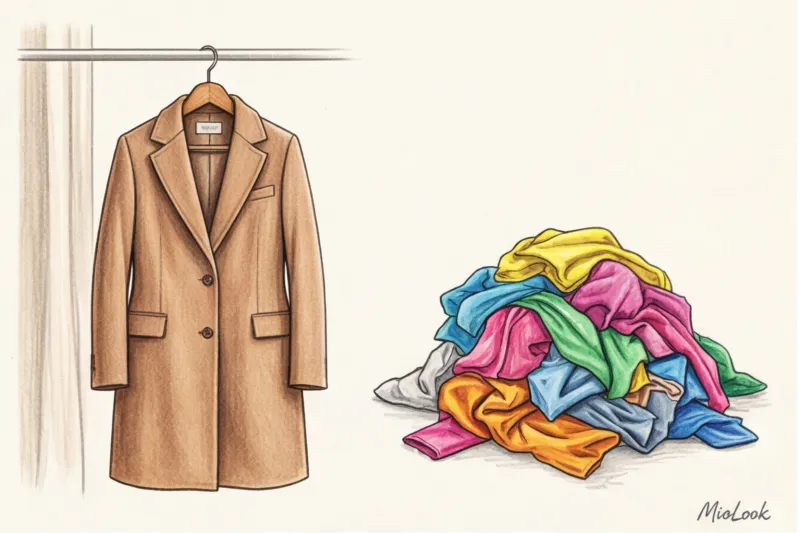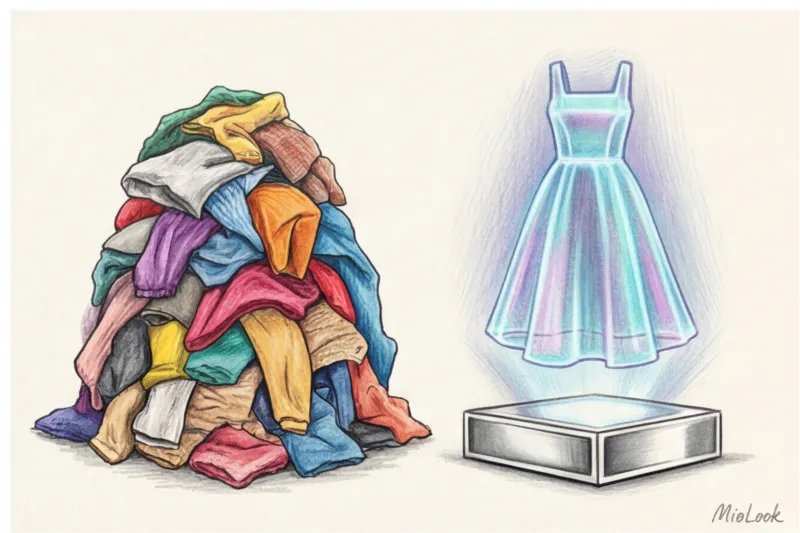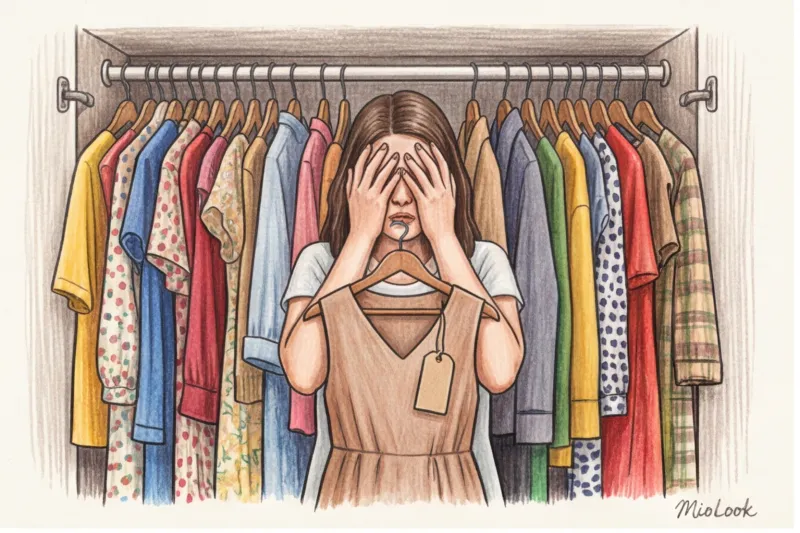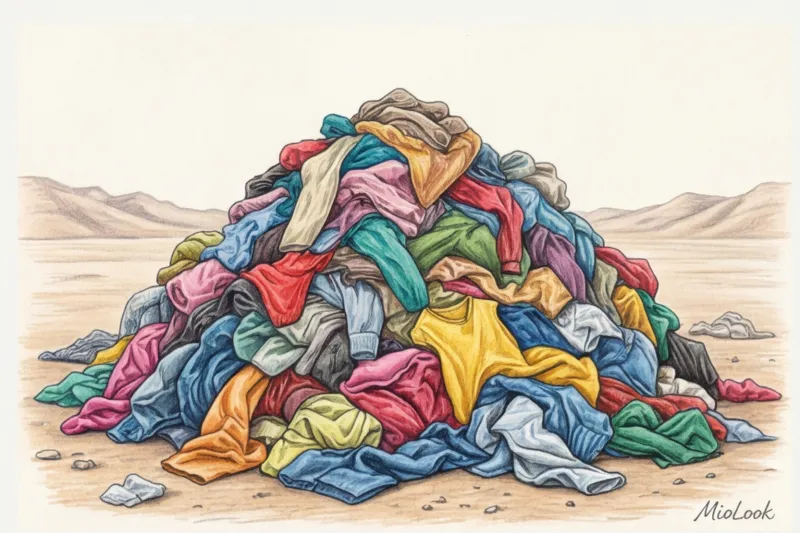
A month ago, I visited a new client to sort through her wardrobe. I opened her closet and saw 150 hangers hanging in tight rows. The problem? Almost 80% of these items turned out to be "one-off" purchases from mass-market stores. Stretched collars, pilling acrylic sweaters, and dresses that had lost their color after the first wash. The client complained that she literally had nothing to wear, even though the closet doors were so full of fabric that they wouldn't close. That's when we started talking about the harm of fast fashion — not somewhere out there, on a global level, but right here, in her bedroom.
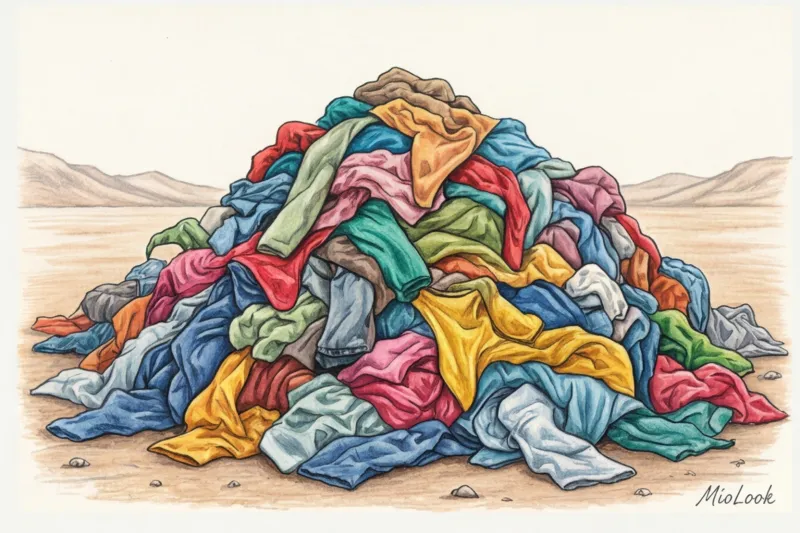
The environmental agenda often seems abstract to us until we start counting our own wasted money and damaged images. I wrote more about how to avoid marketers' bait and recognize greenwashing in our The complete guide to choosing ethical clothing brands Spoiler alert: saving the planet and creating impeccable personal style are essentially the same process.
The Harm of Fast Fashion: The Illusion of Cheapness and the Real Cost to the Planet
The fast fashion industry has disrupted the traditional fashion calendar. While brands used to release two to four collections a year, today giants like Shein, Zara, and H&M generate up to 52 micro-seasons. New items arrive in stores every week. This frantic pace has become the main trigger for environmental disaster.
Have you ever wondered how many resources are required to produce a basic cotton T-shirt, which we buy for €10 and throw away after a season? According to a UN Environment Programme (UNEP, 2023) report, the production of a single cotton T-shirt requires approximately 2,700 liters of water. This is the amount an adult drinks in two and a half years. And the entire fashion industry collectively generates 20% of the world's wastewater.
When we buy a €10 T-shirt while shopping, we think we've cheated the system. In reality, we're borrowing from the planet and our own wallets. A cheap item quickly loses its shape, and within a month, you're back in the store. Ultimately, five cheap T-shirts will cost you more than one high-quality base layer from a local, ethical brand for €40-50, which will last three years.
How Fast Fashion Tricks Our Eyes: A Professional Colorist's Perspective
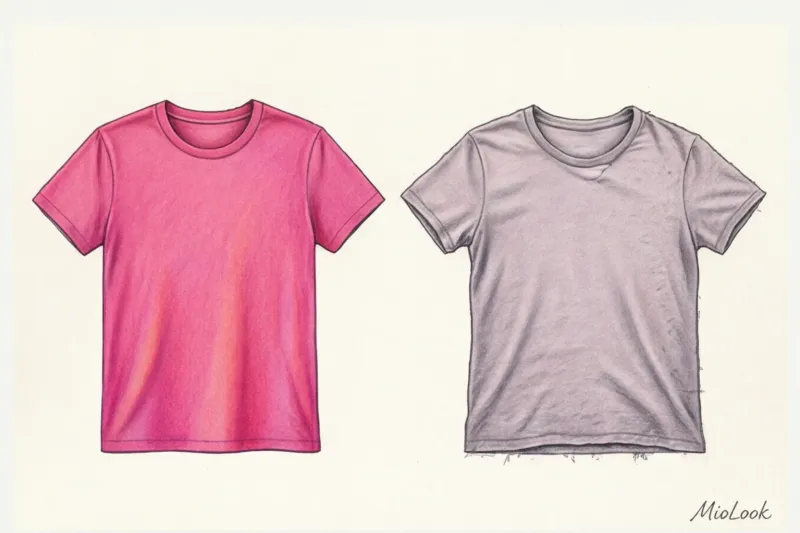
As a colorist with 12 years of experience, I can identify ultra-fast fashion items without even touching the fabric—just by how they reflect light. Cheap chemical dyes always look flat.
Creating a deep, refined hue requires complex thread dyeing technology and a high-quality base. Mass-market brands cut corners on this. As a result, the vibrant emerald green turns a dull green after the first wash in hard water, and the garment instantly takes on the appearance of a worn rag.
"When a girl tells me, 'Black makes me look older,' I always ask to see the item. Nine times out of 10, it's not the black itself that's to blame, but the cheap polyester fiber. It can't hold deep pigment and gives off a bluish or greenish undertone. It's this cheap sheen that makes the complexion look sallow and accentuates dark circles under the eyes."
Toxic Palette: Why Cheap Fabrics Are Harmful to Your Skin
It's not just a matter of aesthetics. To cut production costs, ultra-fast fashion brands often use harsh azo dyes. Independent lab tests regularly find elevated levels of heavy metals, lead, and phthalates in brightly colored synthetic items priced between €5 and €15.
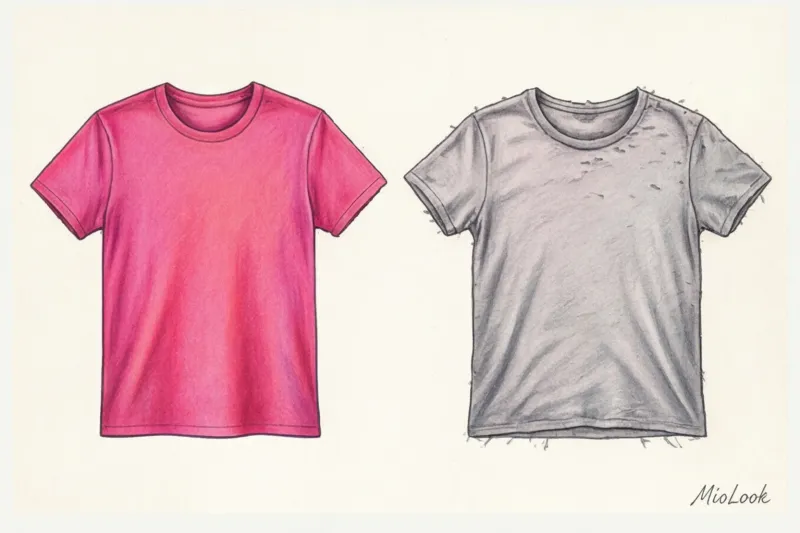
When you sweat in such clothes, your skin pores dilate, allowing toxic compounds to enter your body. Unexplained contact dermatitis, itching, and sudden allergies on your back and décolleté are common, yet subtle, consequences of "bargain" shopping.
Access to MioLook for €0.99 — one-time payment
A smart AI stylist will select the perfect look from what you already own and save you from impulse purchases.
Get access — €0.99 oncePlastic Wardrobe: Why Polyester Is the Environment's Main Enemy
Go to your closet and look at the tags on the clothes you bought on sale. I'd bet that about 60% of the material is polyester, nylon, or acrylic. These are essentially petroleum products, the same plastic used to make soda bottles.
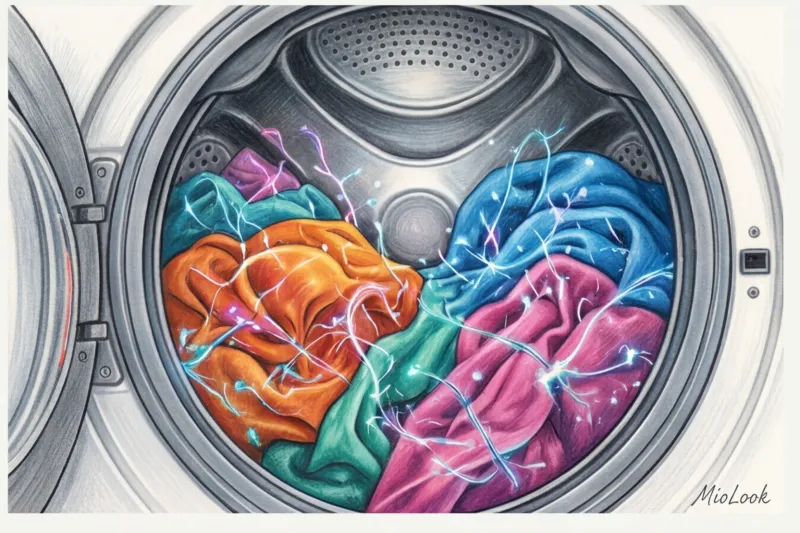
The most terrifying problem with cheap synthetics is microplastics. A large-scale study by the Ellen MacArthur Foundation (2022) showed that every time a cheap acrylic sweater is washed, thousands of invisible microfibers are shed from the fabric. Washing machine filters fail to trap them. They end up in wastewater, then in the world's oceans, and from there, in the fish we eat.
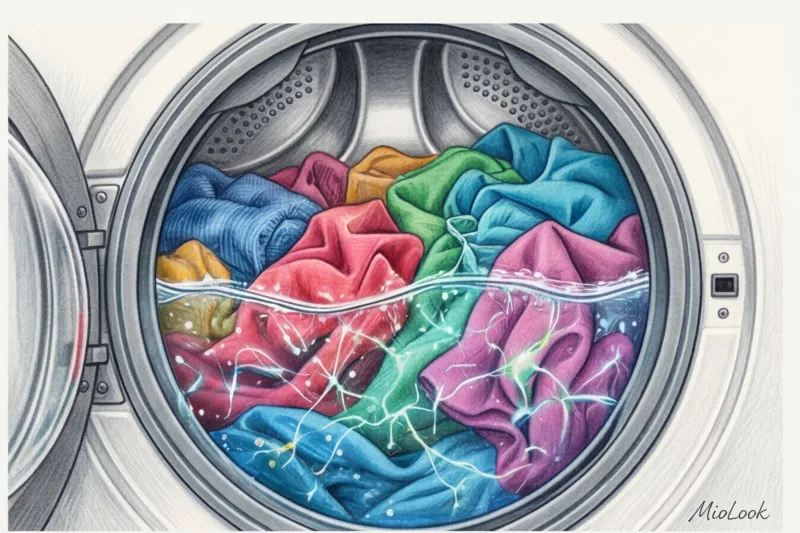
Of course, I must add a disclaimer: not all synthetics are absolutely evil. High-tech polyester is essential in professional sportswear: it wicks away moisture and lasts for years. But cheap polyester in a mass-market everyday blouse simply creates a greenhouse effect on your skin, preventing it from breathing.
The Recycling Myth: Where Do Old Mass-Market Items Really Go?
Now let's bust one of the biggest myths of modern consumerism. Have you noticed the green bins for collecting old clothes in major chain stores? The brand promises a 15% discount on a new purchase in exchange for your bag of unwanted items. Sounds like the perfect compromise between shopping addiction and caring for the environment, right?
In fact, this is classic greenwashing. Most fast fashion items are made from blended fabrics—for example, 60% cotton and 40% polyester. Technically, separating these micro-spun fibers back into plastic and organic matter is incredibly difficult and economically unviable. The share of clothing that is actually recycled into new fabric (fiber-to-fiber recycling) is less than 1% globally.
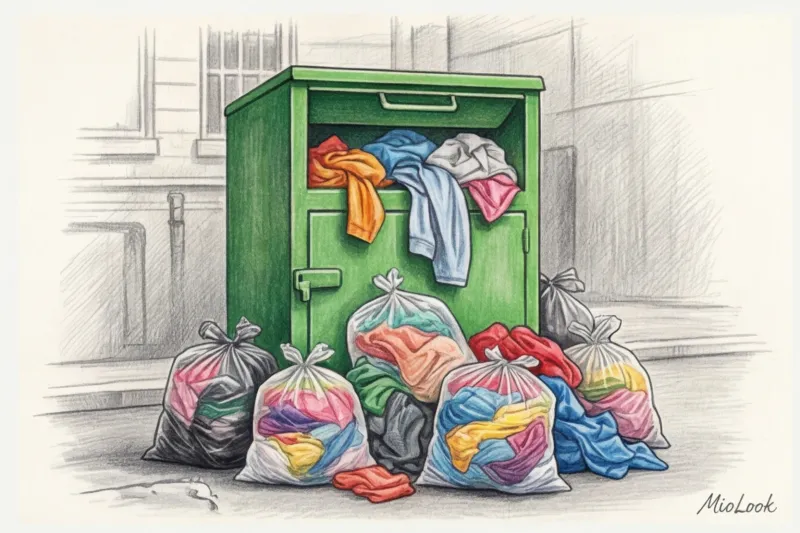
Where do our old T-shirts go? At best, they're recycled into industrial waste for factories. At worst, they're shipped in huge bales to countries in the Global South. The Atacama Desert in Chile and the Kantamanto Market in Ghana have become gigantic textile cemeteries. By flooding local markets with cheap secondhand clothing, we're literally killing the local textile economies of these countries.
The "Nothing to Wear" Syndrome: The Psychological Harm of Fast Fashion
The harm of fast fashion affects not only the environment but also our psyche. The industry is structured to artificially create a sense of wardrobe obsolescence. TikTok and Instagram algorithms pump out new core aesthetics every week: yesterday, everyone wore it. office siren style Today it's mob wife, tomorrow it's balletcore.
There is a term in the professional stylist community wardrobe obesity The closet is overflowing with trendy, complexly cut, and vibrantly colored pieces, bought on impulse. But the outfits don't come together because the wardrobe lacks "air"—basic, unifying elements in neutral shades and quality textures.
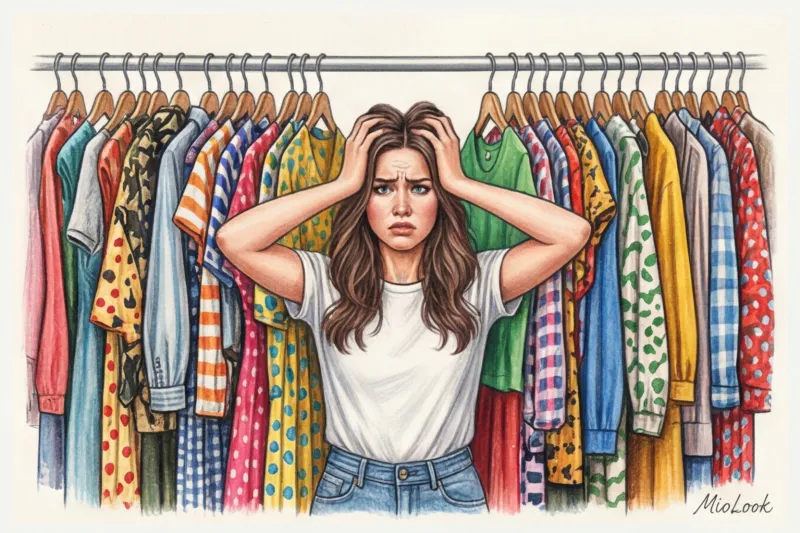
Brands relentlessly exploit FOMO through sales timers and limited-edition collections. We buy a dress because of the flashy price tag, not because it fits perfectly.
The Disposable Effect and the Cost-Per-Wear Formula
To cure wardrobe obesity, I teach my clients a formula Cost-Per-Wear (Cost per Wear) Simply divide the price of the item by the expected number of outputs.
Imagine: you bought a chic structured blazer made of a thick wool blend for €200. You'll wear it to the office, the theater, and brunch with friends at least 100 times over three years. Its cost per outing will be 2 €.
Now let's take a trendy acrylic cardigan with neon stripes for €30. It will pill and go out of style in exactly three wears. Its real value is 10 € per wear. An expensive, high-quality item always costs less in the long run.
Your perfect look starts here
Join thousands of users who look flawless every day with MioLook. Digitize your wardrobe and calculate your Cost-Per-Wear automatically!
Get access — €0.99 onceChecklist: How to Painlessly Break Out of the Fast Fashion Cycle
Breaking free from the microtrend race is easier than it seems. There's no need to go to extremes and throw out all your Zara clothes overnight. Mindfulness starts with small steps:
- Inventory and care. Start wearing what you already own. Invest in an anti-pilling machine (it'll save even inexpensive sweaters), use delicate cycles, and avoid harsh detergents. The longer a garment lasts, the smaller its environmental footprint.
- Change of focus. Move from impulse purchases to capsule composition Before buying a new blouse, try creating at least four outfits with it from your current wardrobe. Can't? The item stays in the store.
- Reading labels. Look for dense cotton (180 g/m² and above), viscose, lyocell (Tencel), and wool. If you choose synthetics, choose recycled polyester in outerwear where it's truly beneficial.
- Wardrobe digitization. To visually understand what you own, upload your items to the app MioLook Artificial intelligence can help you create dozens of new looks from old clothes, completely eliminating the morning anxiety of "I have nothing to wear."
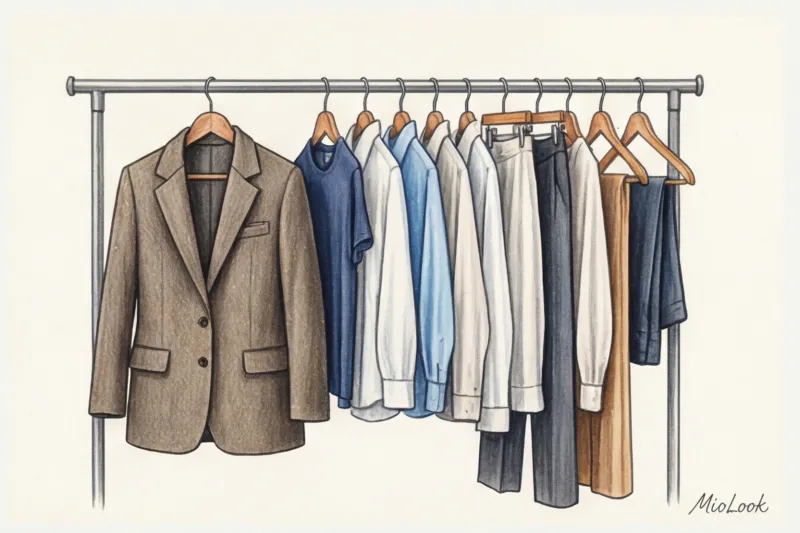
Every time you refuse to buy another one-time-use polyester T-shirt, you vote with euros for your health, your appearance, and the future of the planet. Self-respect begins with what's on your body—choose items that are worthy of becoming part of your personal story, not a landfill.
", "tags": [ "ecology", "fast fashion", "conscious consumption", "smart wardrobe", "cost-per-wear", "mass market" ] }