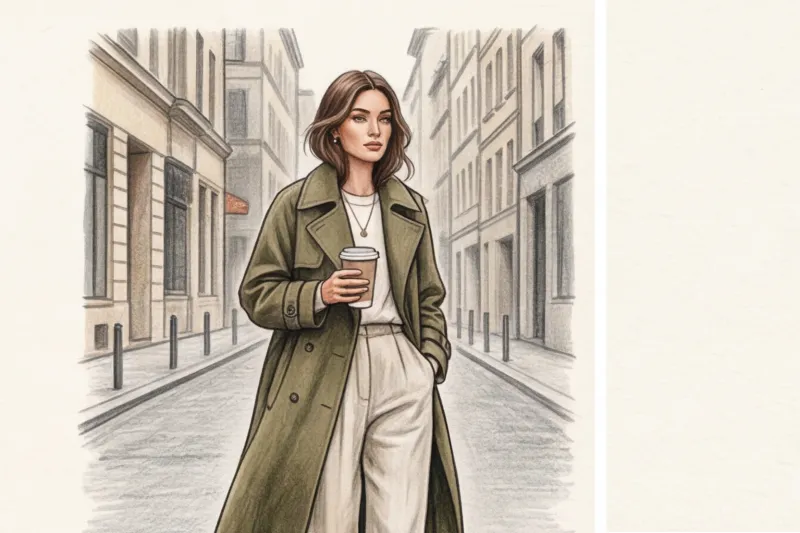
Have you ever caught yourself standing in a store in the middle of a busy workweek, seriously eyeing a pair of chunky hiking boots, even though you last climbed mountains back in school? It's not a coincidence or a sudden whim. This is precisely how an inner need for freedom comes into play, when deadlines and the hustle and bustle of the city become overwhelming.
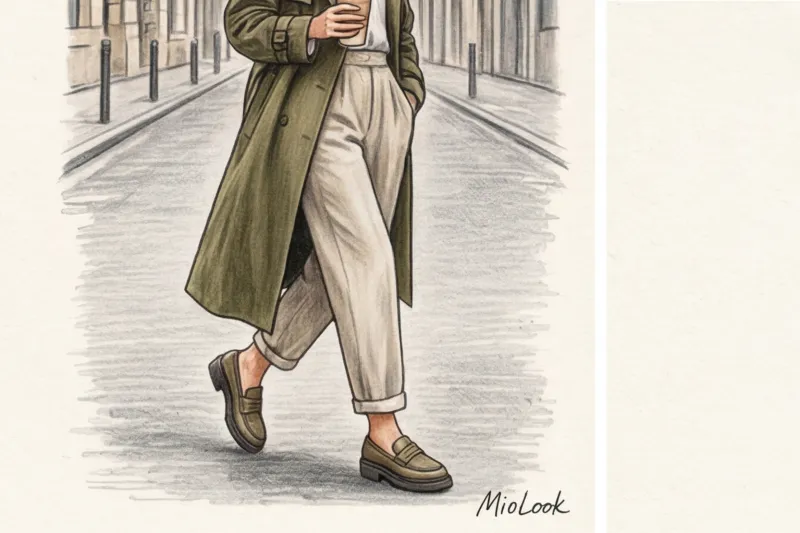
When we try to implement the seeker archetype in clothing , the first association is usually misleading. The imagination conjures up images of classic Indiana Jones, a vest with a hundred pockets, or the uniform of a regular at a fishing store. But modern Seeker isn't about literal tourist cosplay. It's about ultimate comfort, the tactile luxury of natural fabrics, and an outdoor aesthetic that's appropriate even for a creative agency business meeting. We've covered the basic architecture of the style and the connection between psychology and visuals in more detail in our article. a complete guide to style types and clothing archetypes.
The Explorer Archetype in Clothing: Moving Beyond the Tourist Uniform
The main myth about this style is that to convey a spirit of adventure, you must wear camouflage or a classic safari suit. In fact, the Explorer's philosophy is built on entirely different foundations: absolute independence, exploration of the world, and a lack of physical restraint.
I had a particularly revealing case in my practice. One of my clients, a leading architect, came to me with a wardrobe request because she felt physically "suffocated" in formal business suits. Burned out, she began instinctively buying overtly outdoor gear at sports outlets—shell jackets, fleeces, and drawstring pants—and tried wearing them to the office. This looked inappropriate and undermined her expertise in the eyes of her clients.
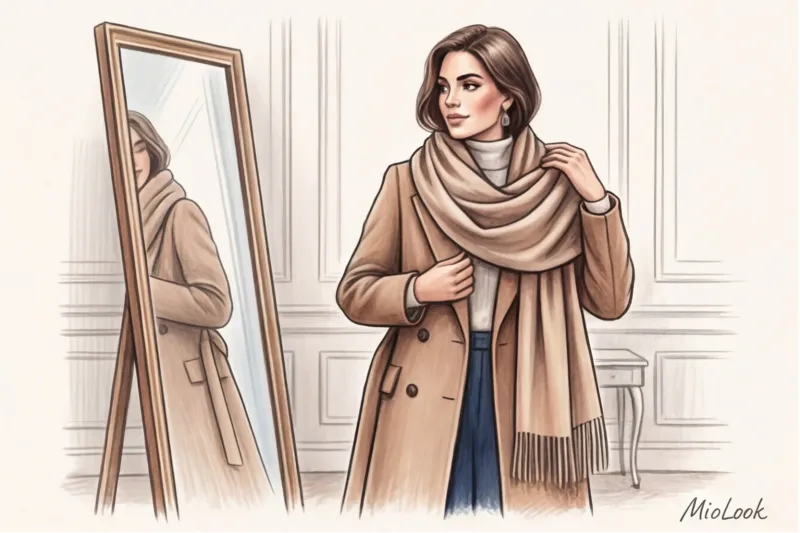
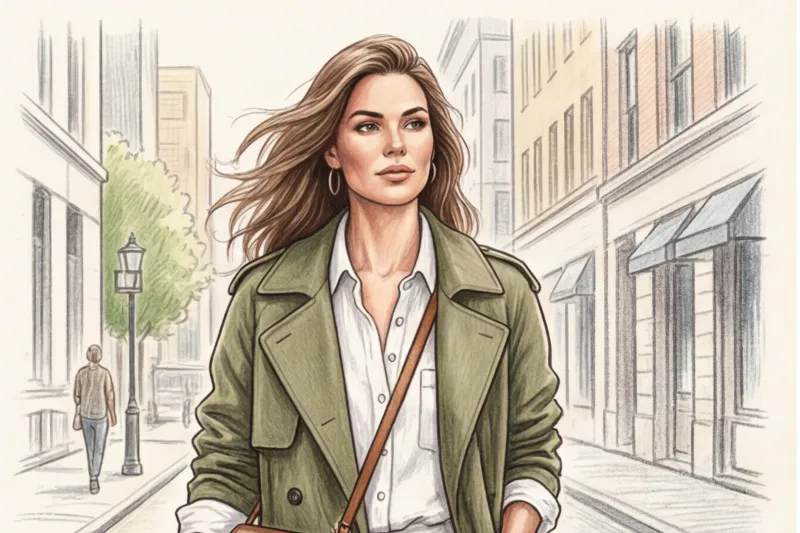
We didn't try to undermine her needs. We translated this energy from cheap nylon into premium urban smart-casual with utilitarian details. We replaced windbreakers with voluminous trench coats made of oiled cotton, and sporty fleeces with chunky knit sweaters made of undyed wool. The appearance became status-conscious, but the feeling of freedom remained.
Stylistic rule: The Seeker style requires adaptation to your body shape. For strict Yang types (Dramatic, Natural), dense, shape-holding fabrics like canvas are suitable. However, for Yin types (Romantic, Gamine), stiff cotton is contraindicated—here we use flowing cupra, soft corduroy, and washed silk with utilitarian details.
Your ideal image begins Here
Join thousands of users who look flawless every day with MioLook. The smart algorithm takes into account your archetype and lifestyle.
Get access — €0.99 onceTextile Base: How Fabric Reveals the Status of a True Seeker
Mass-market clothing often mimics safari style. You buy cargo pants for €30, and after the first wash, they look like you slept in them for a week. The problem lies in cheap synthetics and thin blends.
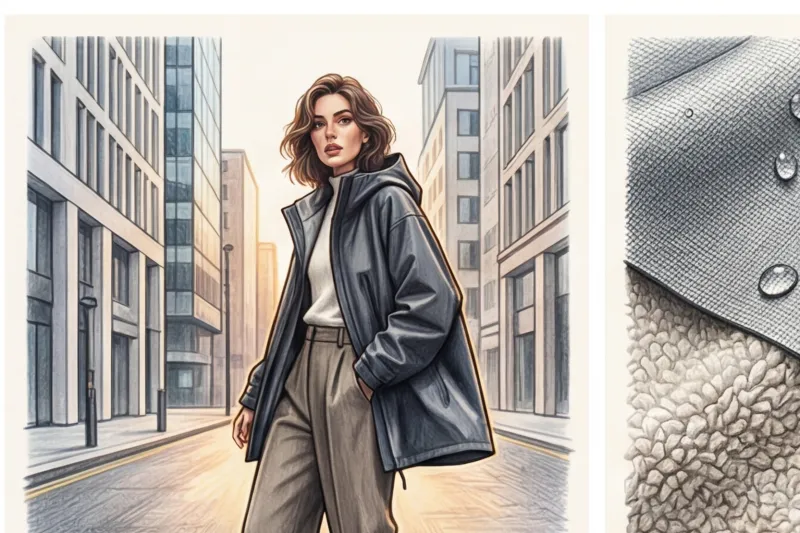
A True Seeker invests in texture. If it's linen, it's coarsely tanned. If it's cotton, it's at least 180-200 g/m². If it's silk, it's boiled (washed), without a glossy sheen. Modern technologies allow us to combine ecology and functionality: fabrics like Tencel (made from eucalyptus), recycled nylon ECONYL, and membranes like Sympatex, which are 100% recycled, are emerging.
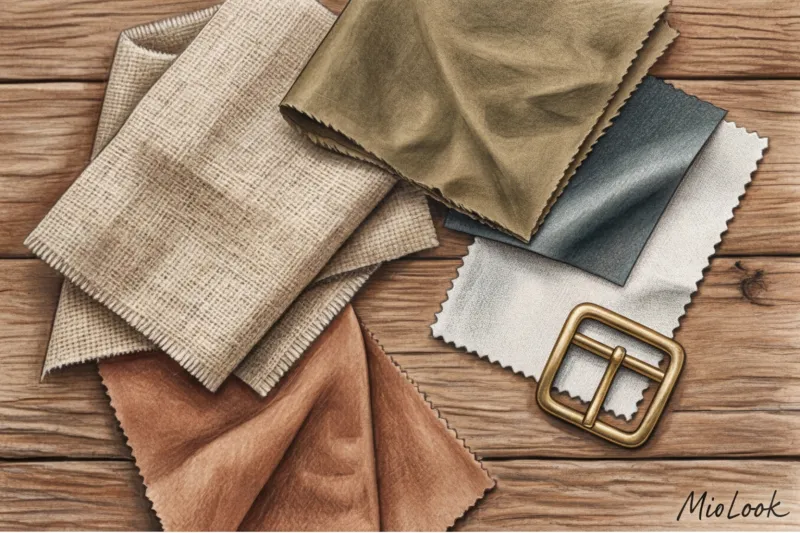
Let's look at some hard numbers. In textile manufacturing, there's the Martindale test, which measures a fabric's abrasion resistance. A typical cotton shirt, typically found in a mass-market shirt, can withstand around 10,000 to 15,000 cycles. However, ripstop cotton fabrics (with reinforced thread woven into the structure), used in high-quality outdoor clothing, can withstand 50,000 to 80,000 cycles. Such a garment will last you 7 to 10 years.
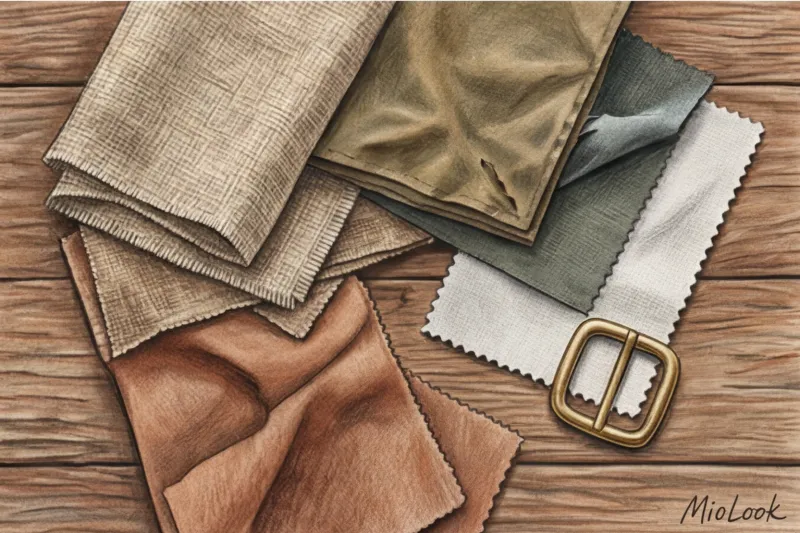
Weather protection is a separate issue. For years, the industry used PFCs (fluorocarbons) for water-repellent treatments. These are toxic substances. When I began to delve deeper into sustainable fashion, I personally tested eco-friendly wax treatments based on beeswax and paraffin (popular with Scandinavian brands) on my jackets. Yes, the coating needs to be refreshed once a season, but the fabric develops an incredibly beautiful, noble patina on the creases, which only enhances the garment over time.
Color palette: sophisticated earthy tones instead of boring khaki
Move away from flat military green. The Seeker palette is the colors of the planet. Consider terracotta, burnt sienna, the color of wet moss, stormy skies, and hot sand.
The best visual effect comes from fabrics that appear slightly sun-bleached (the sun-faded effect). This color scheme instantly adds a relaxed, luxurious feel to the look, unlike acidic or overly pure spectral colors, which look out of place.
Gorpcore: How to integrate outdoor aesthetics into everyday urban life
It's impossible to discuss modern Explorer without mentioning the Gorpcore phenomenon. The term is derived from the acronym "Good Ol' Raisins and Peanuts" (a favorite snack among climbers). Outdoors has become high fashion.
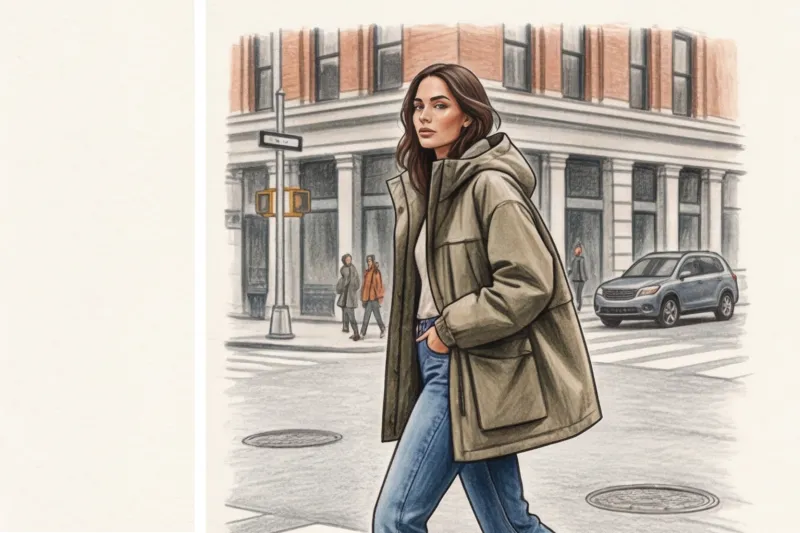
According to the Lyst Index 2024 report, searches for Salomon technical footwear and Arc'teryx jackets are steadily growing among urban audiences. But how to wear them without looking like an extreme tourist? The secret lies in the rule of strong contrasts.
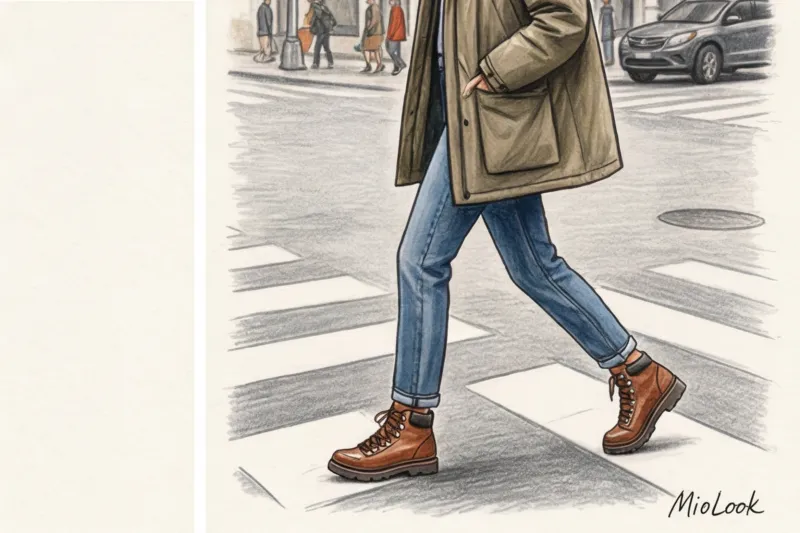
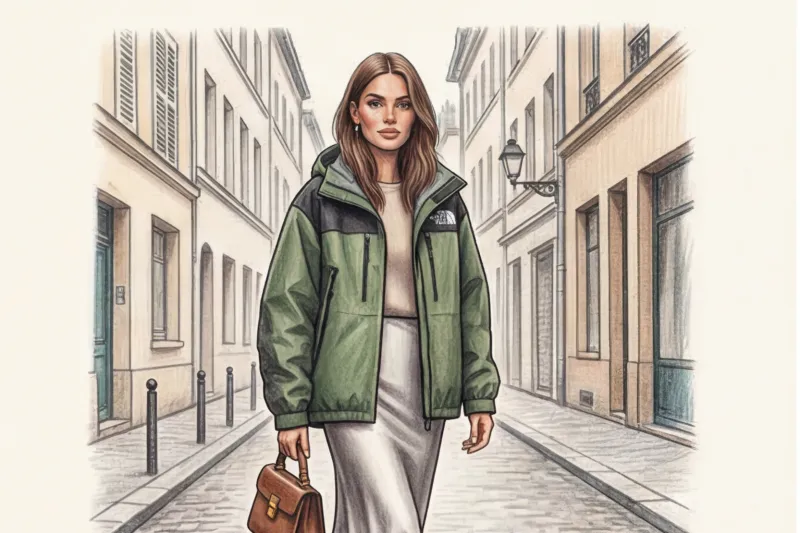
For Gorpcore to work in the city, you need to juxtapose utility with understated elegance. My favorite formula: a voluminous membrane anorak jacket + a flowy silk midi skirt + hiking boots or chunky sandals. The stylistic rule is: use a maximum of 1-2 functional pieces per outfit, the rest should be neutral urban staples.
Ready to digitize your wardrobe?
Upload your items to MioLook, and artificial intelligence will help you create stylish combinations with outdoor elements in just a few seconds.
Get access — €0.99 onceCommon Mistakes: How to Avoid Looking Like You Just Came Down from the Mountains
Despite the apparent simplicity of this style, it's very easy to mess up. Here are the three main pitfalls women fall into when trying to express their inner Seeker.
- A head-to-toe bow from a camping store. By wearing a fleece jacket, trekking pants and sneakers all at once, you're not just getting style, you're getting equipment.
- Ignoring the architecture of the cut. This is a fair style limitation: oversized clothing doesn't work for everyone. If you're petite with a soft figure, a shapeless parka will make you look like a mushroom. Oversized clothing should have a rigid structure (shoulders, collar, cuffs) to create a put-together look.
- Decorative fake pockets.
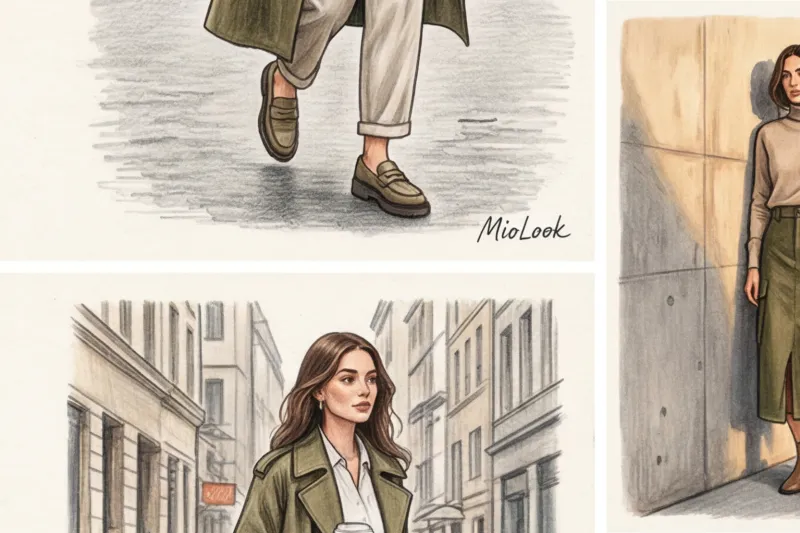
A counterintuitive insight I've come to over 12 years of experience: to convey a spirit of adventure, you don't need pockets that can't hold anything. An abundance of fake pockets, decorative zippers, and plastic snap hooks on cheap fabric betrays poor taste. A true Explorer values pure function: a minimalist design made from high-quality fabric (in the range of €150-€400 per item) looks far superior to a jacket with twenty fake flaps.
An Eco-Friendly Capsule for the Seeker Archetype: 7 Investments
You don't need to buy out half the store to build a functional capsule. Here are 7 proven investments that will pay for themselves down to the last cent. By the way, using smart wardrobe feature in MioLook , my clients easily calculate Cost Per Wear (the cost of one garment) - for these items it usually tends to zero due to their phenomenal wear resistance.
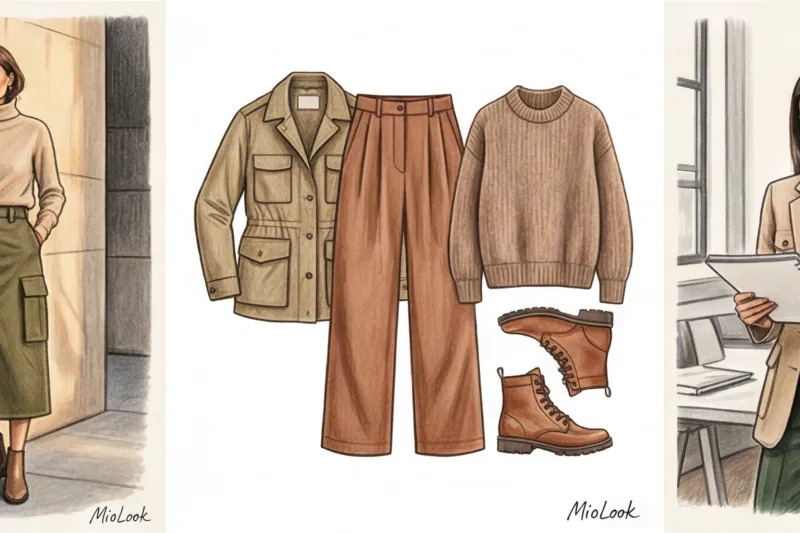
- Parka jacket or voluminous trench coat made of high-tech cotton with wax impregnation (mid-range: €200–€350).
- Cargo pants made of cupra or twill. They should flow when you walk, and not stand still (about 80-150 €).
- Loose shirt made of softened linen (in summer) or flannel (in winter).
- Chunky knit sweater made from natural undyed sheep's wool - grey, oatmeal or milky colour.
- Leather lace-up boots. Derbies with chunky soles or classic Chelsea tractors.
- A roomy tote bag. A thick canvas bag with leather handles or a minimalist backpack made from recycled materials.
- Multilayer basic long sleeves. Fine merino wool (from €60) is an ideal choice. It acts as a natural climate control, wicking away moisture and retaining warmth.
The Office Explorer: Adapting to Smart Casual and Dress Codes
Is it possible to be a Seeker if your reality is endless Zoom meetings, presentations, and investor meetings? Absolutely. Adaptation occurs through micro-details and nuances.
The ideal solution for an IT specialist or a representative of a creative profession with a casual dress code is to replace the classic formal blazer with safari jacket Made from heavy linen or high-quality sand-colored wool, paired with a smooth silk turtleneck and straight slacks, it looks absolutely professional. But the four patch pockets and belt subtly hint: you're not just here for Excel spreadsheets.
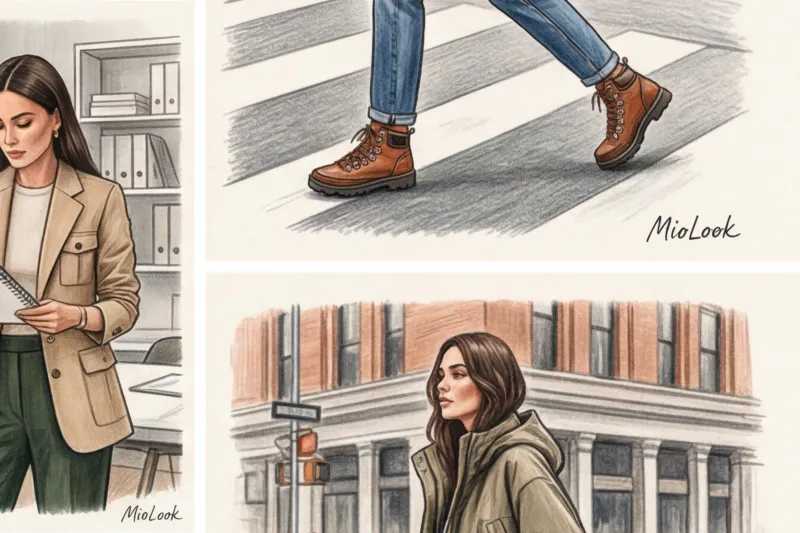
Hidden comfort is another life hack. Choose shoes with orthopedic insoles (many premium comfort brands now make stylish loafers) and wear breathable Tencel t-shirts under formal suits.
When building a Seeker's wardrobe, remember the most important thing: you don't need to prove to the world that you're ready to run off into the woods at any moment. It's enough that your clothes allow you to breathe deeply, take long strides, and feel protected in the concrete jungle. Choose pieces that serve you, not constrain you, and let every scuff on quality fabric be a diary entry in your personal victories.