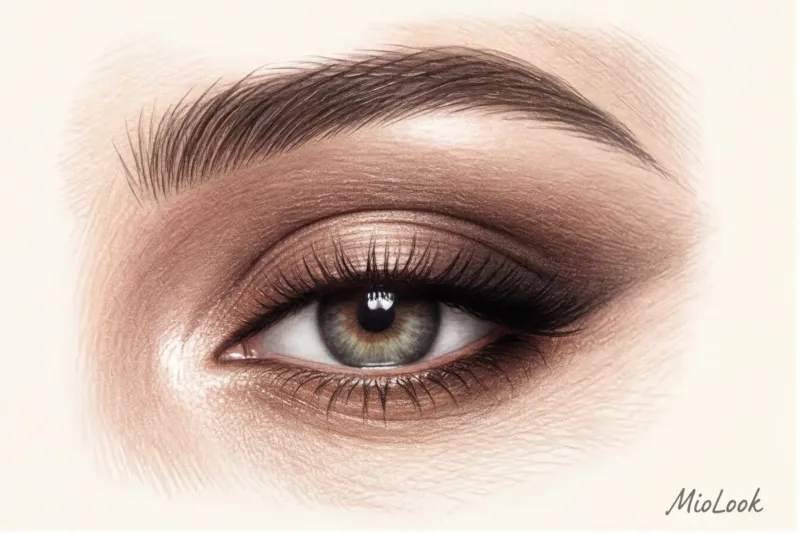
I analyzed hundreds of clients' mood boards in the MioLook app and noticed a striking pattern: 80% of unsuccessful evening looks are not due to poor eyeshadow blending, but to a complete misunderstanding of textures and bases. When we say the phrase " evening smoky eye makeup ", most women automatically imagine aggressive, jet-black circles under the eyes and half an hour of torment in front of the mirror with a cotton swab.
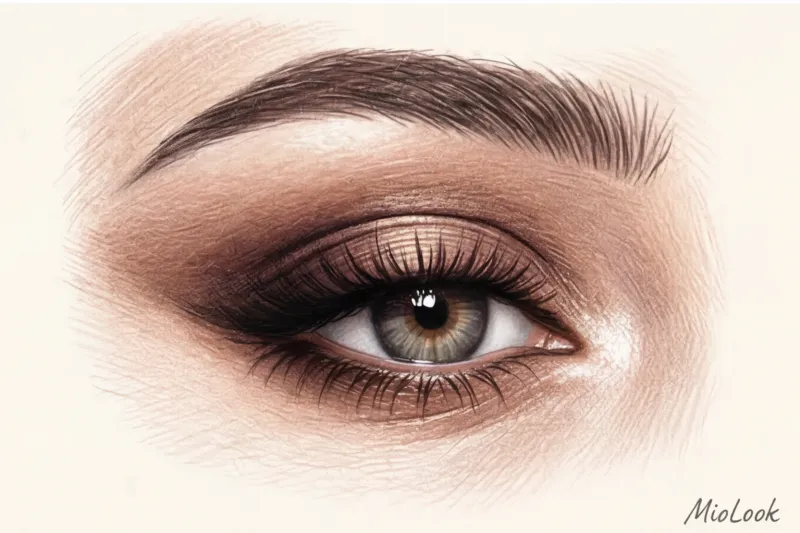
Forget that stereotype. Modern smoky eyeshadow isn't a color. It's an architectural technique for creating a smooth gradient.
By the way, the density of evening makeup is radically different from long-lasting festive looks for brides (we talked about this in more detail in our the complete guide to wedding makeup ). An evening out at a restaurant, theater, or corporate event requires a completely different approach to light, pigment intensity, and facial architecture.
The Anatomy of a Perfect Look: Why Evening Smokey Eye Makeup Is Architecture, Not Just Color
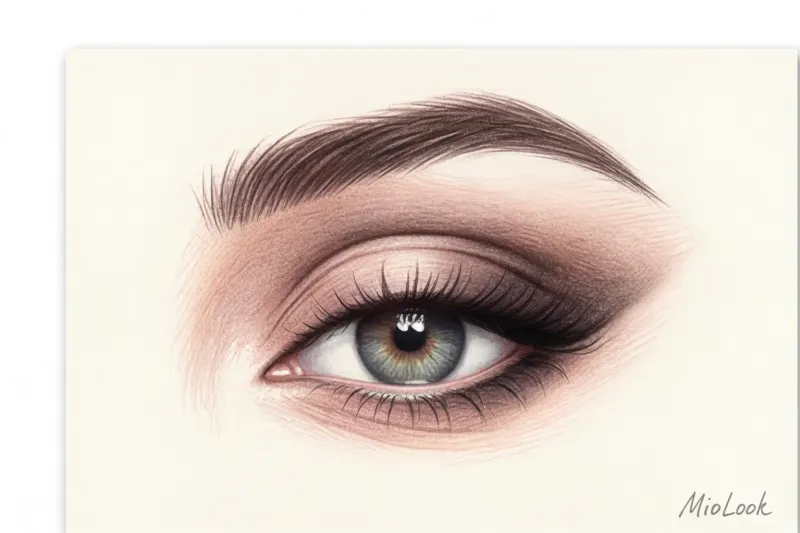
A true smoky eye is built on the principle of stretching: the darkest and most saturated pigment is always at the lash line, and then it softens, like a haze (hence the name). smoky ), dissolves in the skin towards the orbital fold and temples.
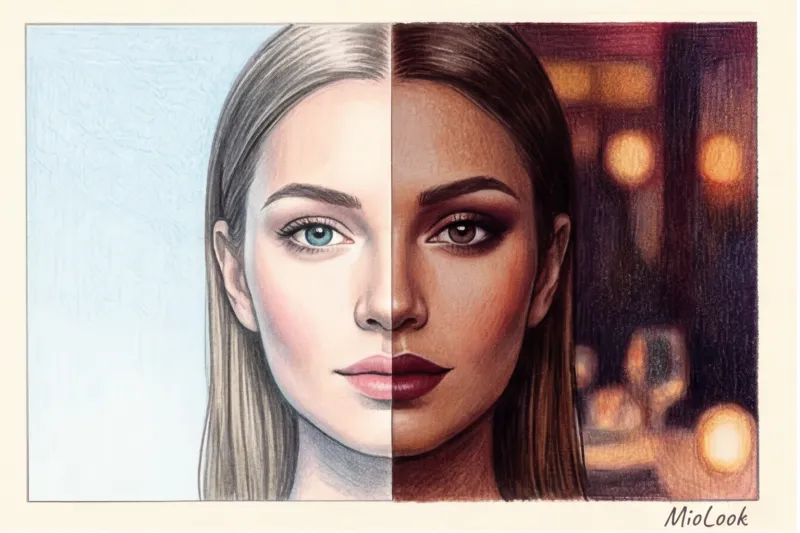
As a stylist, I constantly encounter women forgetting about a key factor: lighting. What appears bright and vibrant in front of a brightly lit bathroom mirror often turns into a muddy gray spot in the dim light of a restaurant. Dim evening light can reduce the intensity and contrast of makeup by up to 30%.
That's why evening smoky eye makeup calls for slightly exaggerated inter-lash line work and a richer creamy base than your daytime look. You need to create a framework that will "read" the shape of the eye even in candlelight.
Access to MioLook for €0.99 — one-time payment
A smart AI stylist will select the perfect look for your evening.
Get access — €0.99 onceThe Biggest Beauty Myth: Why We're Giving Up Black
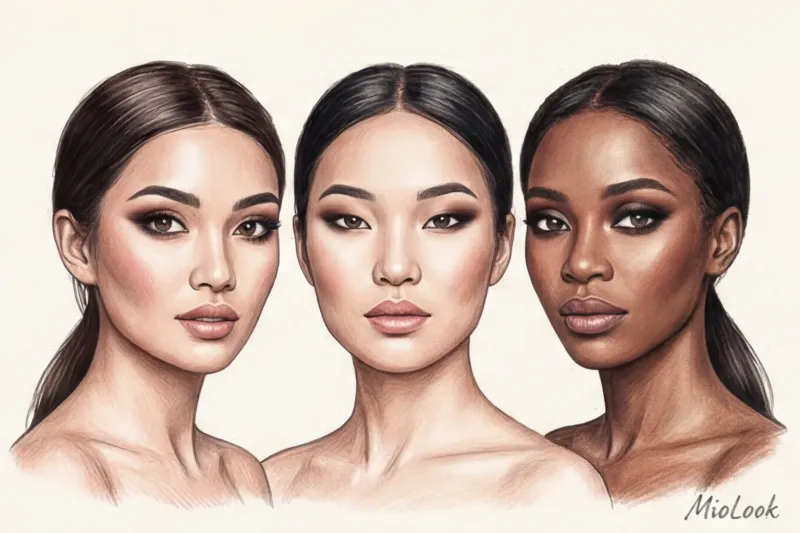
According to global beauty brand sales statistics (according to the McKinsey State of Beauty 2024 report), 70% of modern smoky eye palettes are created in bronze, taupe, and plum shades. Classic black pigment is rapidly losing ground.
Why? Jet black is the most dangerous makeup tool in a makeup bag. It visually makes the eyes look smaller, creates a heavy, tired look, and mercilessly emphasizes even the slightest wrinkles and dark circles under the eyes. Pure black simply doesn't suit most European-looking people with low-contrast complexions.
"In my experience, switching from black to a complex brown-bronze palette increases the wearability of a smoky eye by 90%. Women suddenly see a rested face in the mirror, not a gothic romance heroine."
The secret to a luxurious look lies in Itten's coloristic laws—we use complementary colors to make the iris glow:
- For blue and gray eyes: warm bronze, copper and peachy brown tones.
- For green eyes: deep plum, burgundy and eggplant.
- For brown eyes: sapphire, emerald or cool taupe.
If you are unsure about which palette to choose, I always recommend using the virtual try-on feature in MioLook app This allows you to evaluate how a particular eyeshadow shade works with your skin undertone before buying an expensive palette.

Texture Chemistry: Preparing a Base That Many Makeup Artists Don't Talk About
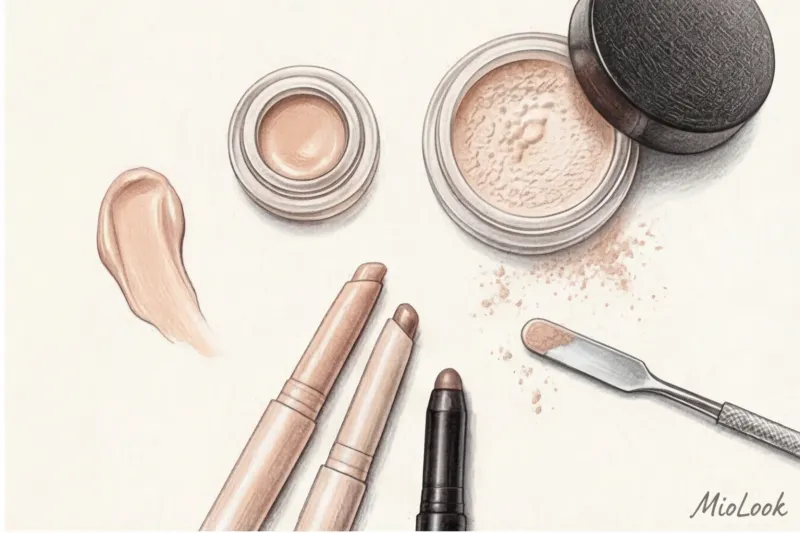
One of the most common mistakes I see my clients make is using regular concealer instead of eyelid primer. Concealer contains hydrating ingredients and oils for the delicate under-eye area. On the eyelid, these oils mix with natural sebum, and within an hour, your luxurious eyeshadow will start to crease into an unsightly streak.
A study in cosmetic chemistry (International Journal of Cosmetic Science, 2022) confirms that dry pigments are unable to absorb sebum on their own over a long period of time. For long-lasting evening makeup, a polymer bond is necessary.
I call this the "sandwich" rule: cream base + dry pigment = lasting all evening A properly applied creamy base (matte tint, long-lasting pencil, or special primer) increases the life of your makeup from 4 to 12 hours.
Evening Smokey Eye Makeup Technique: A Step-by-Step Guide
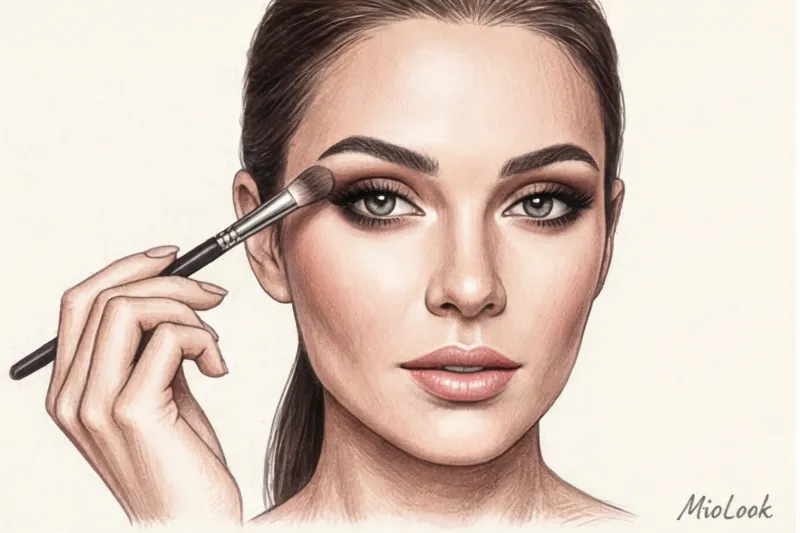
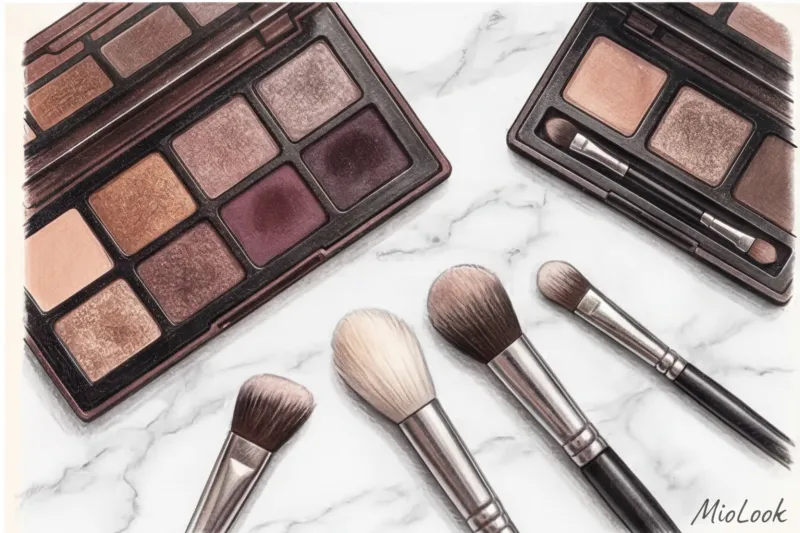
Consider this section a strict algorithm. There's no room for haphazard movements in a smoky eye. You'll need at least two brushes: a flat, dense one (preferably synthetic) for packing in the creamy texture and pigment, and a fluffy one (made of soft natural or high-quality synthetic bristles) for creating that hazy effect.
Step 1: Inversion of Order or the "Eyes First" Rule
I always forbid my clients from applying foundation before we finish their eye makeup. This saves at least 20 minutes of time fixing fallen eyeshadow. Creating a perfect foundation and then trying to wipe away black flakes from your cheeks without smearing the concealer is a nearly impossible task.
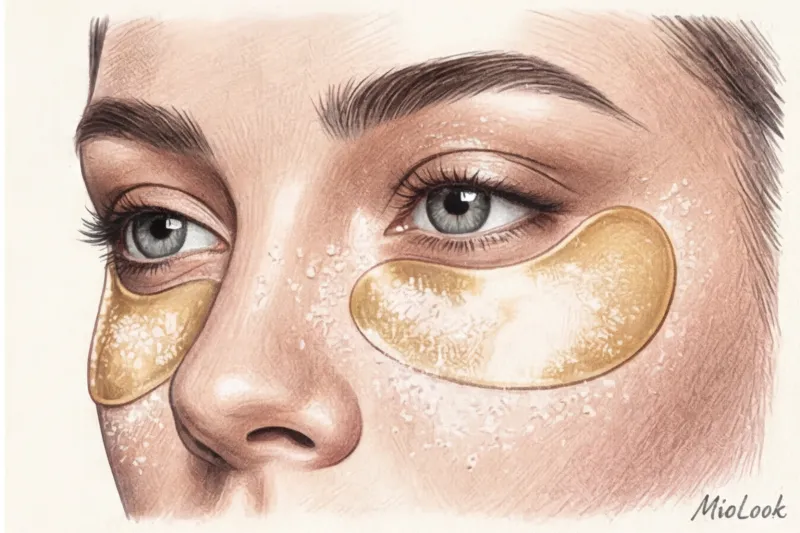
Start with a clean face. You can apply hydrogel patches under your eyes—they'll not only moisturize the skin but also catch any loose pigment. Alternatively, use a technique baking Apply a thick layer of loose transparant powder under your eyes, and when you're done, simply brush it off with a fluffy brush along with any remaining eyeshadow.
Step 2: Build the shape with cream tints and pencil
The foundation of a smoky eye is a deep lash line. Take a long-lasting kajal (a soft gel pencil) and carefully line the space between the lashes on the upper eyelid. Don't be afraid to go all the way to the mucous membrane—this will make your lashes appear three times thicker.
Then apply cream eyeshadow or blend the same pencil all over the lid, avoiding the crease. Using a flat brush, pull the color toward the temple, defining the shape. Work quickly: long-lasting cream textures set in 30-40 seconds, after which they are irreplaceable.
Step 3: Fixation with dry pigments and flawless shading
Now you need to "seal" the cream base. Take a flat brush, pick up the dry eyeshadow of your base color, and apply it over the cream base using pressing (not smearing!) motions.
For blending, use the "clean brush" rule. Take a fluffy brush and load it with a small amount of the transition shade—usually a color a couple of shades darker than your skin tone, such as a warm beige or light brown. Apply the brush strictly along the edge of the dark color, using light, circular motions. Blend only the edge, avoiding the rich center of the eyelid.
Face Geometry: How to Adapt Smokey Eyes to Your Eye Shape
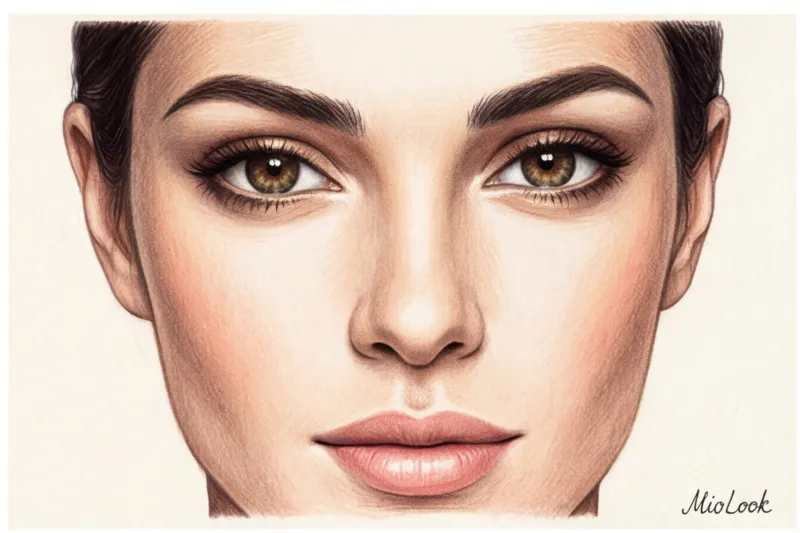
No online tutorial will work perfectly if you don't adapt it to your own anatomy. Evening smoky eye makeup should correct the shape, not ruin it.
- Hooded eyes: Your main technique is the "false crease." Apply the dark color just above your natural crease. Pro tip: always check the symmetry of your blending by looking directly in the mirror with your face relaxed. If you only blend with your eye closed, all your makeup will be hidden under the lid's hood when you open it.
- Deep-set eyes: You absolutely must avoid darkening the eyeliner into the inner corner of the eye—it will make your look heavy and gloomy. Focus on the outer third of the eyelid and a brightening highlight in the inner corner.
- Round eyes: To get a seductive almond-shaped cut, use the technique foxy eyes Direct the shading not upwards towards the eyebrow, but diagonally towards the temples.
Fair Limit: This technique of extreme stretching of the shape towards the temples is categorically doesn't work For close-set eyes, aggressive shading at the temples will only exacerbate the disproportion, drawing the eyes even closer together.
Checklist: 5 Mistakes That Turn a Luxurious Smoky Eye Into a "Panda Effect"
Even if you've blended your shadows perfectly, details can ruin the final result. Here are five critical mistakes I regularly correct:
- Pencil on the mucous membrane without fixation. If you line your lower eyelids with kohl and don't set it with dry eyeshadow, it will run into the wrinkles under your eyes within an hour. Always apply a dry eyeshadow after applying a creamy product.
- Absence of transit shade. Blending dark pigment directly into the skin will create a bruise. Always use a beige-brown intermediate color for a smooth transition.
- Ignoring eyebrows. Heavy, dark eye makeup visually "eats" your eyebrows. They should be slightly brighter and more structured than in your daytime makeup, otherwise your face will lose its frame. You can find helpful tips on how to maintain balance in your makeup in our article about business makeup for executives (the principles of facial geometry are the same there).
- The concealer is too light. White circles under the eyes combined with a dark smoky eye create a reverse panda effect. Use a tone-on-tone concealer or one with a slight peach undertone to neutralize the blueness.
- Lack of curler. A smoky eye against straight, uncurled lashes looks unfinished. A curling iron and two coats of volumizing mascara are a must.
Balance Your Look: How to Incorporate Active Makeup into Your Overall Style
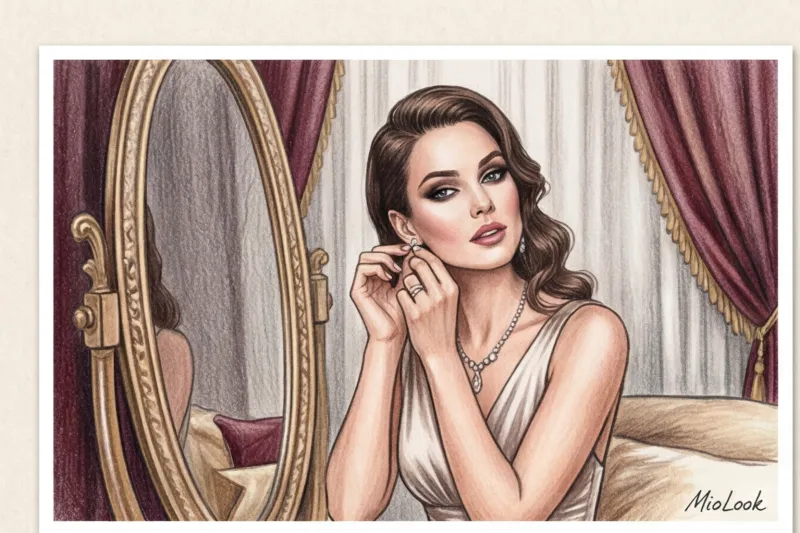
Makeup is inseparable from your wardrobe. The golden rule of styling is one bold accent. If you've chosen a smoky eye for an evening look, keep your lips neutral. Ideal choices include nude lipsticks with a satin finish, translucent glosses, or tinted balms that match your lip color.
Smokey eyes require a flawless, elegant backdrop. Since makeup itself is a powerful accessory, avoid overly embellished dresses with sequins, ruffles, and complex prints (unless you're going to a theme party). The perfect combination is minimalist silk slip dresses, strict pantsuits worn barefoot, or simple black architectural dresses.
To put together a complete evening look, including makeup, clothes, and even perfume (read our A guide to choosing an evening perfume ) work as a single mechanism, I recommend creating mood boards in advance. In the MioLook app, you can upload a photo of your dress and, using AI, find not only the perfect smoky look but also the perfect accessories.

The main takeaway: smoky eyes aren't a talent you have to be born with. They simply require knowing how to layer textures and getting into the habit of always starting with the eyes. Give yourself time to practice, arm yourself with a good fluffy brush, and remember: perfect shading isn't something you rush.