What are jeggings?
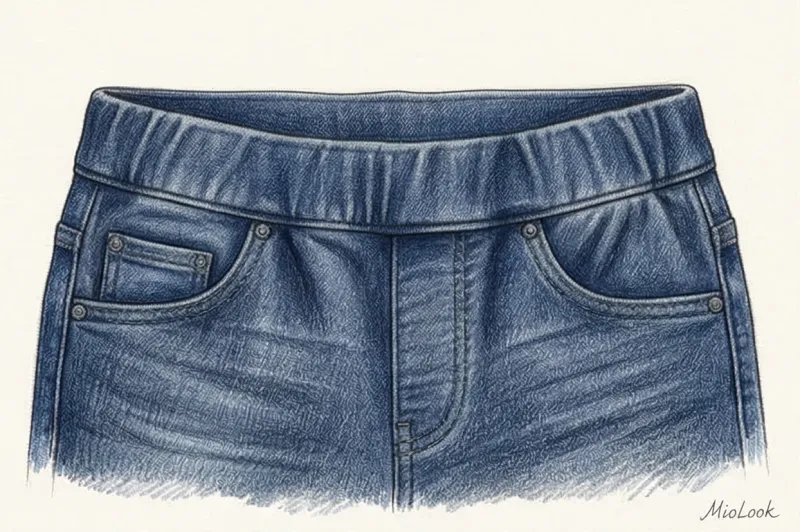
Jeggings — a hybrid of jeans and leggings, consisting of tight-fitting trousers made of elastic fabric. The name is derived from the fusion of the English words jeans And leggings.
The item emerged in the late 2000s, riding the wave of popularity of skinny jeans. Jeggings became a softer, more comfortable alternative to tight denim, which could restrict movement.
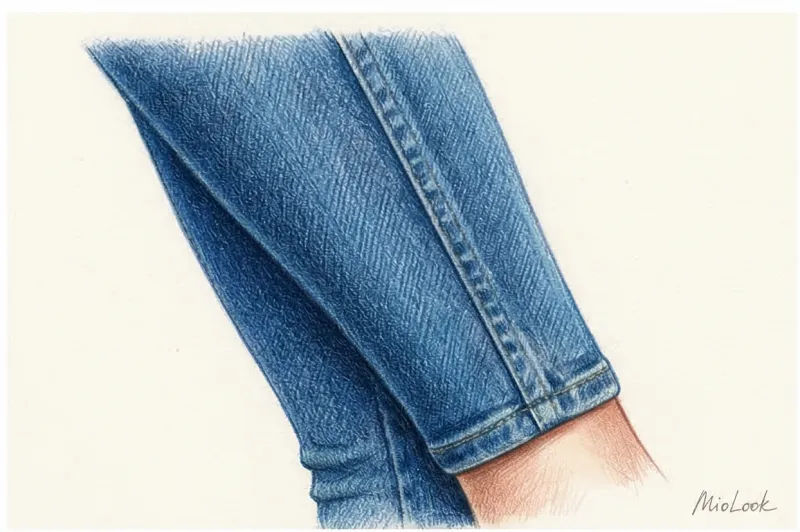
They are typically made from thin denim with a high elastane (spandex) content. Heavy knits are also used, which visually replicate the texture, weave, and color of classic denim.
Distinctive features
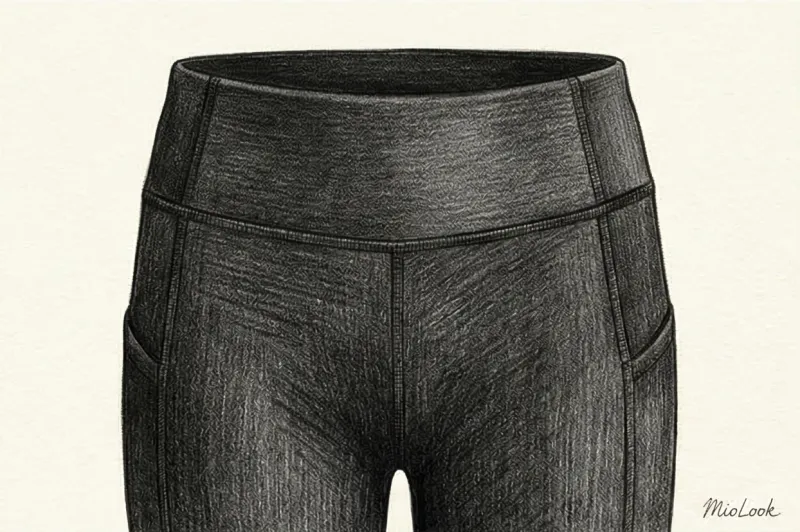
The main design feature of jeggings is a wide elastic waistband. It replaces a rigid belt with a metal button and zipper, although hardware may be present as decorative elements.

The cut details often mimic traditional jeans. Front pockets and fly pockets are often fake and simply stitched with contrasting threads. Back pockets, however, are usually real, patch pockets, enhancing the resemblance to classic denim.
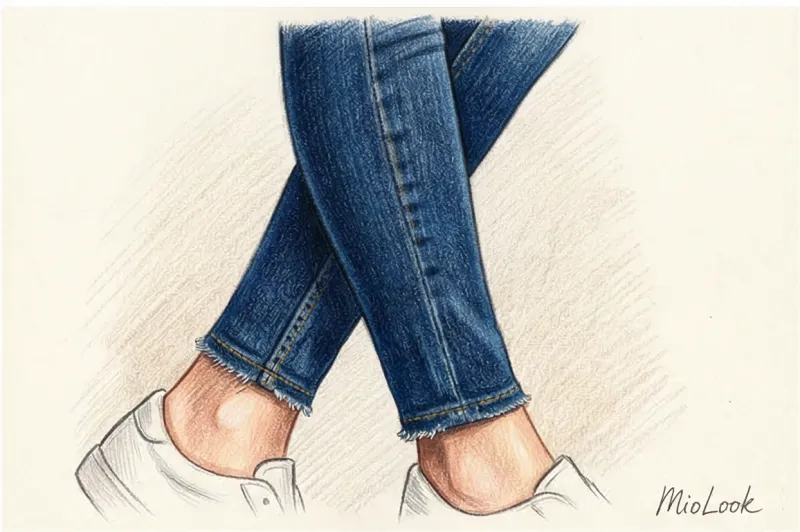
The fit of these jeggings is designed to hug the entire leg, from the waist to the ankle. The high elasticity of the fabric prevents the tight creases that are typical of regular skinny jeans from forming under the knees.
What to combine with
When styling jeggings, a basic rule of proportion applies: a tight-fitting bottom calls for a voluminous, loose, or elongated top. Oversized sweaters, tunics, and long shirts that cover the hip line complement them.
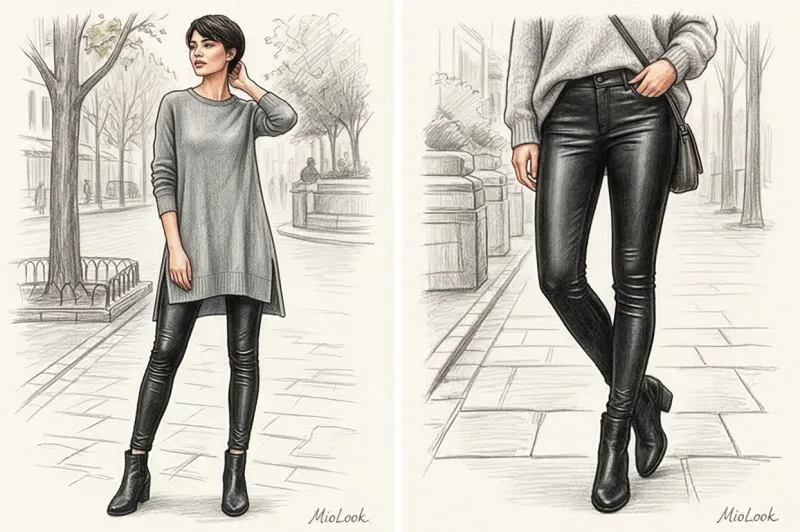
For a casual everyday look, pair navy or black jeggings with a basic white T-shirt and an oversized, menswear-inspired jacket. Complete this look with chunky loafers or minimalist sneakers.
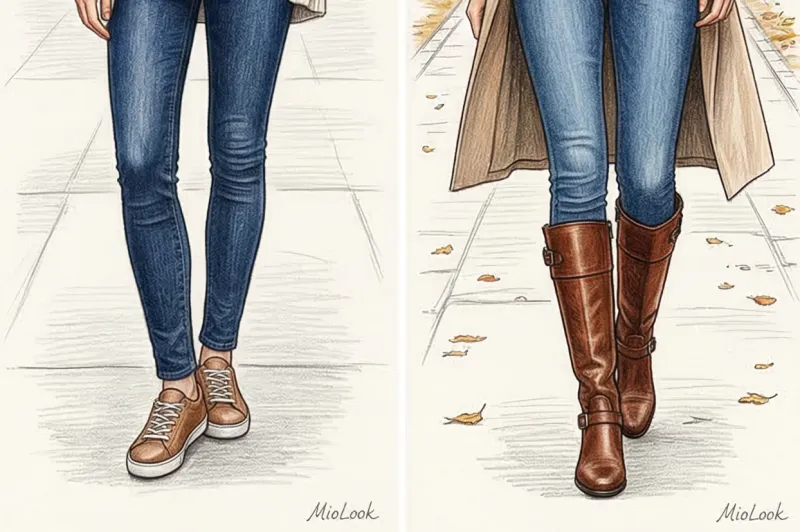
Thanks to their smooth fit, jeggings are comfortable when worn with tall shoes. They easily tuck into riding boots, wide-shafted boots, or over-the-knee boots without creating uncomfortable creases.