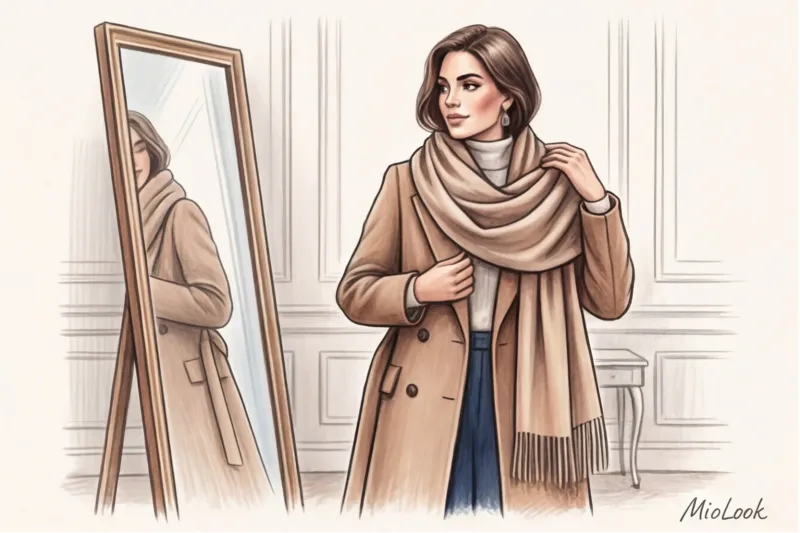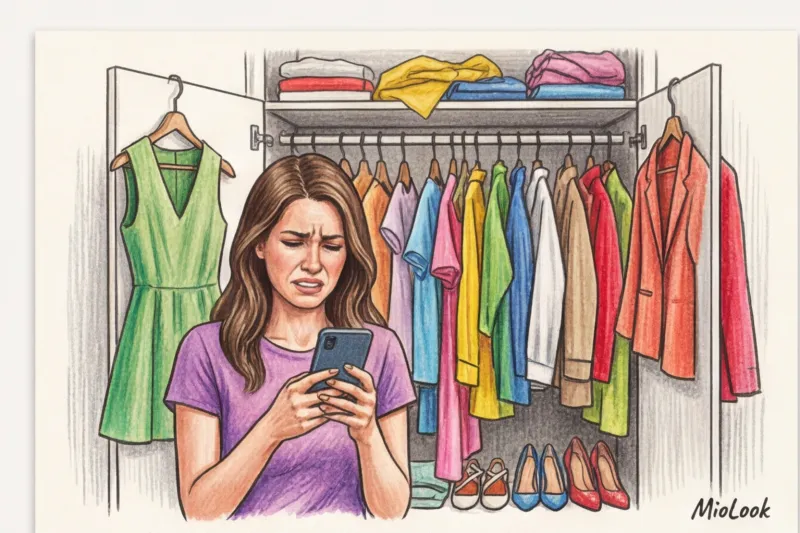
Have you ever bought clothes for your fantasy self?
Remember that moment when you opened a glossy magazine or a popular website, clothing style test , learned you're a "Dramatic Romantic" type, and in your excitement, bought a velvet jacket with Victorian sleeves? And then it hung in your closet for three years with the tag still on because in real life, you take the subway to the office, walk the dog, and drink coffee on the run.
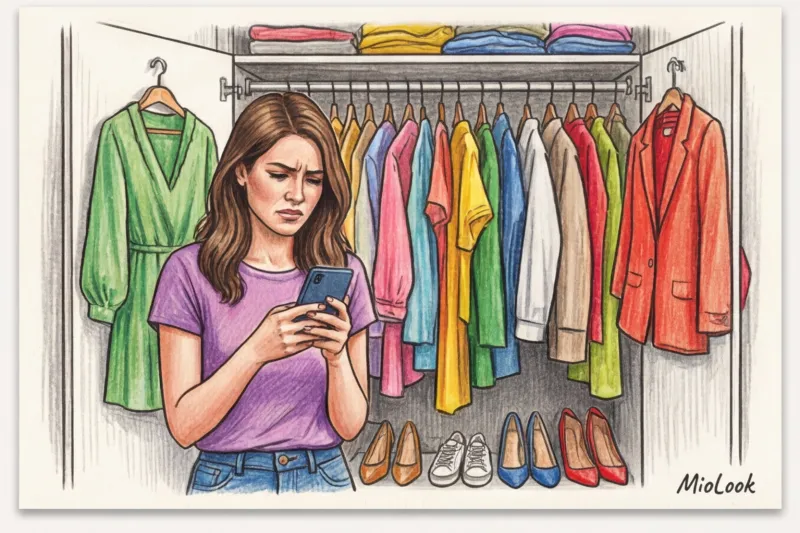
We have written in more detail about why rigid frameworks of personality types and color types are long outdated in our a complete guide to finding your own clothing style Spoiler: Typing puts you in a box instead of solving the daily problem of "nothing to wear."
After 12 years of working with wardrobes, I've realized something counterintuitive: most online style quizzes aren't just useless—they're actually damaging your wallet. They force you to buy "costumes" for role-playing games, not clothes for real life. Today, we'll ditch the "what's your favorite flower" questions and conduct a real, data-driven audit of your wardrobe.
Why the Standard Clothing Style Test No Longer Works
Let's be honest: asking questions about the perfect date won't help you choose the right fit for your jeans. Standard tests ask you to choose one of the internet's aesthetics— Cottagecore , Office Siren or Mob Wife But all of these are just aesthetic micro-trends that last a couple of seasons on TikTok at most.
According to Lyst's 2024 consumer behavior study, over 60% of impulse purchases in the mass-market segment are influenced by such micro-trends. Women buy items for a few photos, then throw them away because they don't match the rest of their closet.
There is a term in retail psychology Fantasy Self (Fantasy Self). This is the version of you who lives in an ideal world: she goes to the theater every night and wears only silk slips and stiletto heels. The problem is, we often buy our wardrobe just for her, ignoring our real needs. If you want to learn how to dress for a night out without being overly dramatic, check out our article. Minimalist Eveningwear: Luxury Without the Glitter.
Analysis Instead of a Quiz: A New Approach to Finding Your Aesthetic
I had a very revealing case in my practice. My client, Anna, a senior UX designer at an IT company, came to me. She took a popular online quiz and was labeled "boho chic." Anna had honestly bought a couple of flowing maxi dresses and a suede jacket with fringe. When she showed up to a developer sprint wearing these, she felt more like an entertainer at a children's party than a department manager.
Your style isn't a Pinterest board. It's a database of your personality. Professional stylists work not with associations, but with specific numbers, measurements, and a daily schedule.
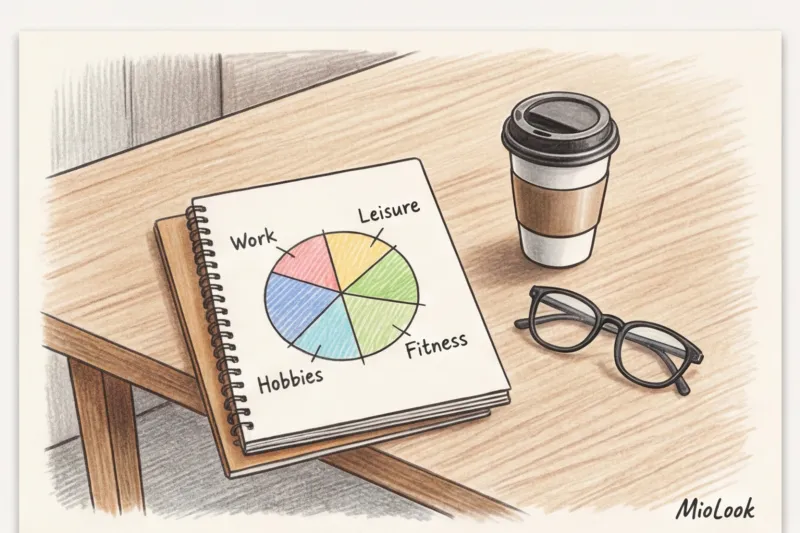
Real Life Audit: Your Time Chart
Have you heard of the 80/20 rule? We wear 20% of our clothes 80% of the time. Your job is to ensure that those 20% are impeccable quality and fit perfectly. Your style should mirror your calendar.
Take a piece of paper and draw a pie chart of your week:
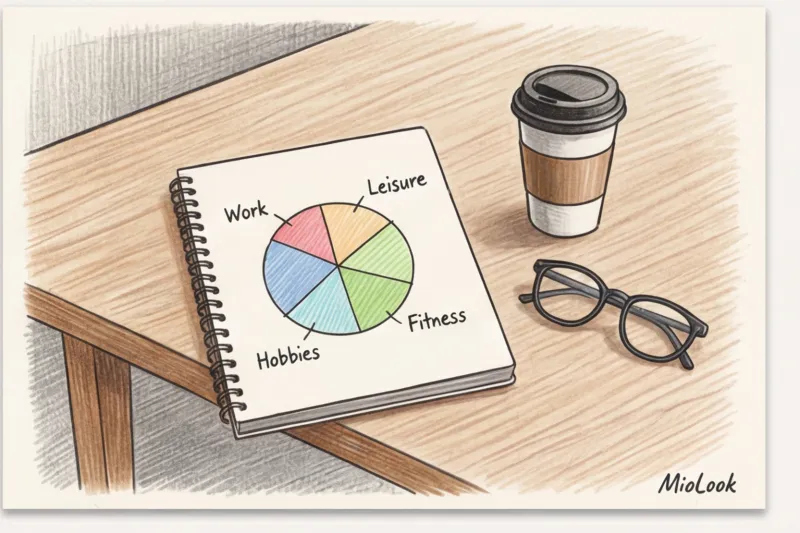
- How many hours do you spend in an office with a dress code?
- How long do you work from home?
- How often do you go for walks or play sports?
- How many hours do evening outings take?
If sports and walking take up 40% of your time, then 40% of your shopping budget should go toward premium knitwear, comfortable shoes, and quality jackets, not slip dresses.
Your perfect look starts here
Join thousands of users who look flawless every day with a smart wardrobe tracker.
Get access — €0.99 onceDress Style Practice Test: 4 Steps to Your Formula
Enough theory. Let's get practical and collect real data from your closet and smartphone. This algorithm will replace any test.
Step 1. Digital revision (saved files and screenshots)
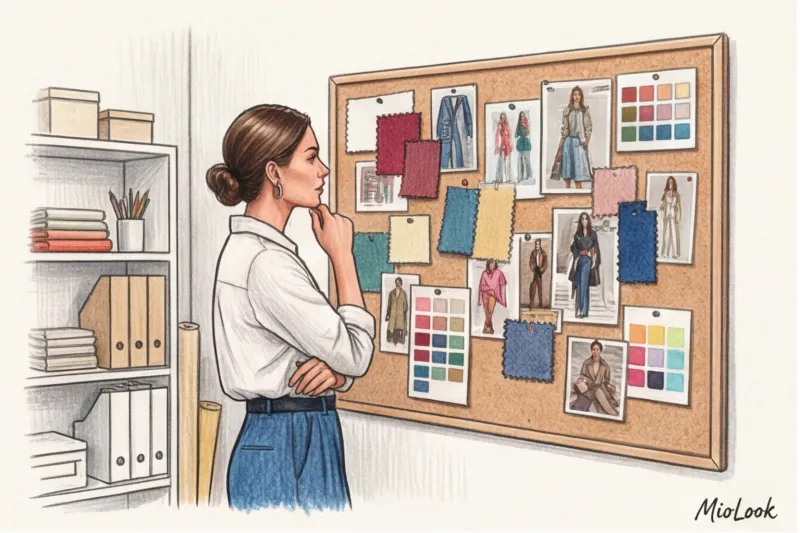
Open your saved Instagram images or Pinterest boards. Ignore the models' faces and brands. Look only at the garment's specifications. Ask yourself three questions:
- What silhouettes are repeated? (For example: a voluminous top and a narrow bottom, or a fitted cut).
- What colors are dominant?
- What textures are most common? (Thick wool, flowing silk, rough denim). Read on to learn how to mix materials correctly. Combining Textures in Clothing and Accessories: A Style Guide.
Now apply a strict filter: remove all images that don't fit your climate and your workload. If you live in a region with half-year winter, open shoes and bare feet with a wool coat is a pretty illusion, not a stylish look.
Step 2: Closet Favorites Test
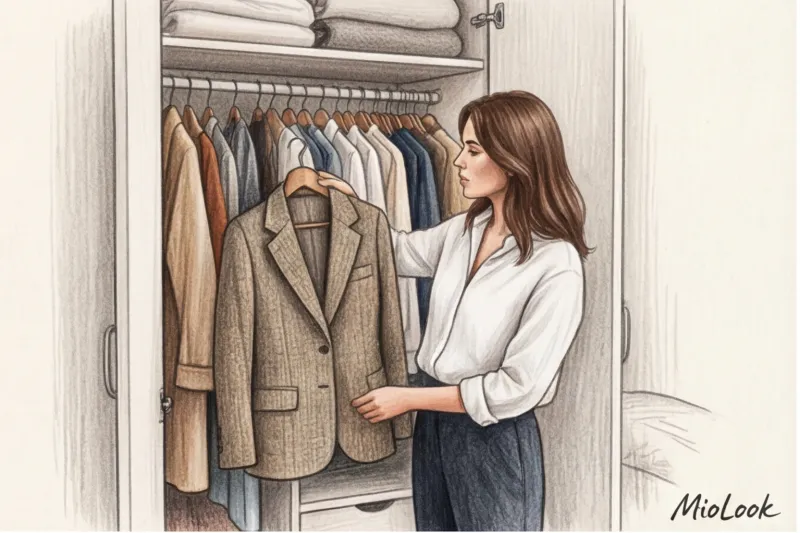
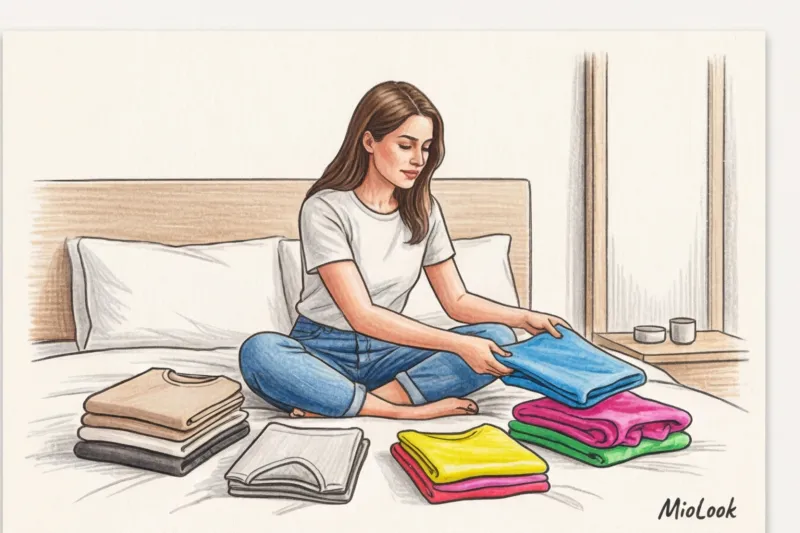
Take out 5 items from your closet that you wear constantly, wash, and wear again. And 5 items that you've worn exactly once. Lay them out on your bed.
Look for common denominators in your favorites. Perhaps they're all made of viscose with 5% elastane, have a loose fit, and don't require ironing? Now look at the underdogs. Why are they there? Are the fabric stiff and itchy? Are the armholes too narrow? Are they difficult to care for? Write these down. These are your personal red flags for future purchases.
Step 3: The Three-Word Method
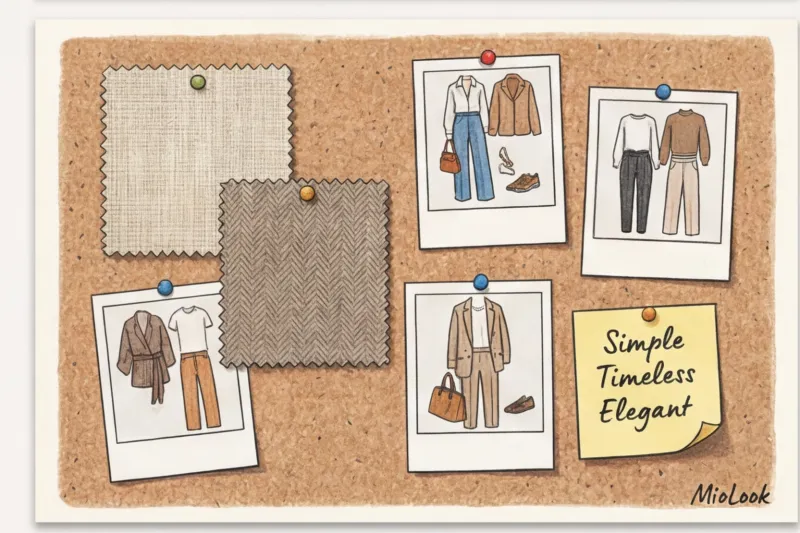
New York stylist Allison Bornstein popularized the brilliantly simple "Three Word Method" in 2023. The idea is to describe your desired style in just three adjectives, which will become your checklist at the checkout.
- First word (Basic): describes your foundation. For example: minimalist, classic, utilitarian.
- Second word (Emotional): What mood do you want to convey? Bold, relaxed, romantic.
- Third word (Functional): How should this clothing work on you? Comfortable, practical, multi-layered.
If your formula is "minimalist, relaxed, comfortable," then before buying another rhinestone-embellished corset for €80, you simply check it against these three words. Zero matches? The item goes back on the hanger.
How technology and AI are helping define your aesthetics
When I first tried to digitize my closet, I was in for a brutal reality check. I'd always thought my style was that quintessential "Parisian chic." But after tracking my daily looks in an app for three months, the statistics showed: 70% of the time, I wear high-quality smart casual with athleisure elements (sweatshirts, trench coats, sneakers, straight-leg jeans).
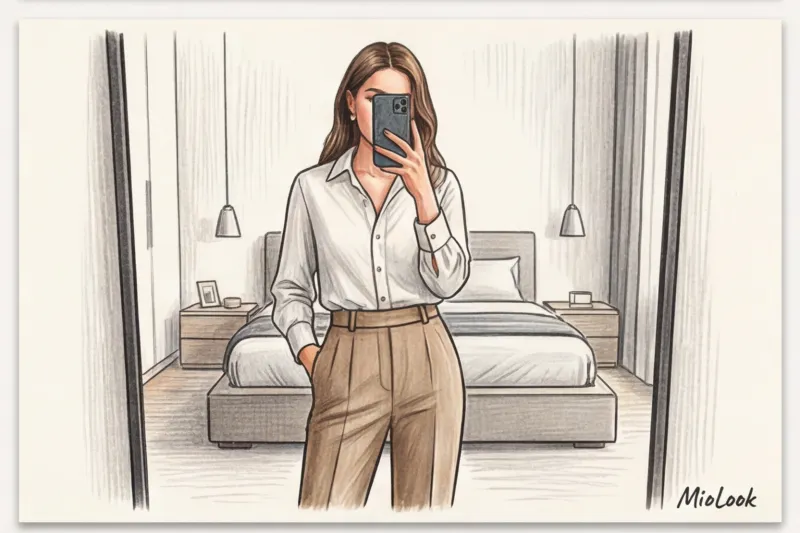
That's why the use of smart technologies trumps any intuitive guesses. Algorithms have no emotional attachment to the dress you wore on a date five years ago. They demonstrate pure mathematics.
One of the main indicators that shape style is Cost Per Wear (CPW) , the cost per outfit. If you bought a basic Massimo Dutti jacket for €150 and wore it 50 times, its CPW is only €3. And a statement neon dress from Zara for €50, worn once to a corporate event, cost you exactly €50. Tracking these metrics and creating outfits from what's already in your closet is incredibly convenient through smart wardrobe feature in MioLook AI analyzes your items and suggests combinations you never even thought of.
Ready to get started?
Try the MioLook free plan – digitize your wardrobe and find your true style without a stylist.
Get access — €0.99 onceThe main mistakes when trying to find your aesthetic
Finding your style is a process where it's easy to take wrong turns. Here are the most common pitfalls my clients fall into:
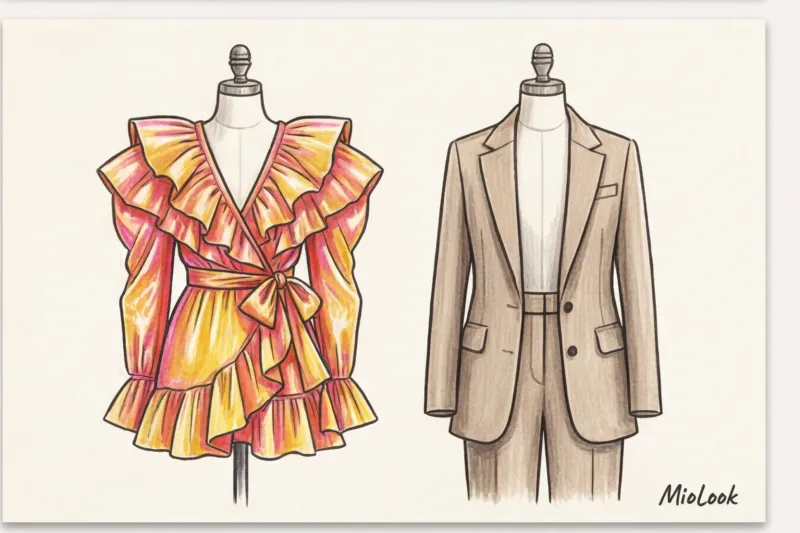
- Blind copying of influencers. What looks stunning on a 6'1" fashion blogger in Milan might look ridiculous on a slushy November commute to the office. Always consider your climate and the contrast in your appearance.
- Ignoring textures. You can buy a perfectly tailored suit, but if it's 100% cheap polyester that shimmers in the light and picks up static, the look will be ruined. The basics should be made of high-quality fabrics: cotton with a density of at least 180 g/m², wool blends, or heavy viscose.
- Searching for a “style for life”. I'll be honest, there are situations when the method of finding a single formula doesn't work. If you're going through a transition period (changed your profession, moved to another country, became a mother), your style must Change. Looking for one capsule for 10 years ahead is utopian.
If you want to go deeper into creating a working database, check out our The Complete Guide to Creating a Capsule Wardrobe.
Checklist: How to Make Sure You've Found the Right Style
How do you know you've finally found your unique aesthetic and no longer need online tests? Check out this short list:
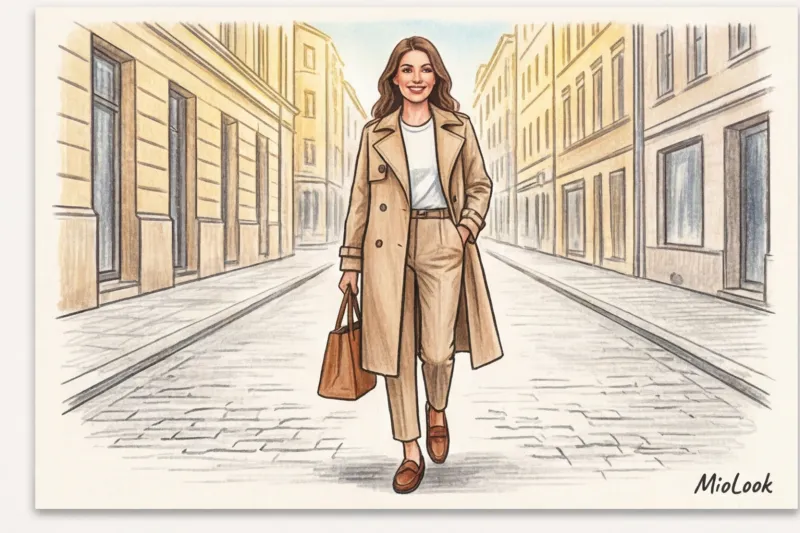
- Morning preparation takes less than 10 minutes. You don't stand in front of your open closet in despair because all 20% of your favorite things go together perfectly.
- Shopping has become predictable (in a good way). You easily pass by ultra-trendy neon tops for €30 because you know for sure: they won’t pass your “three words” filter.
- You feel confident. Clothes no longer feel like someone else's suit. You don't have to constantly tug at your skirt or adjust a complicated collar.
"Style isn't about how much you own. It's about how well your clothes reflect your life and your ambitions"—and there's no arguing with that maxim.
Finding your style means letting go of imposed patterns and facing the truth: your calendar, your habits, and your comfort level. Stop trying to squeeze yourself into the mold of "romantic" or "dramatic." The best test of your clothing style is your own life, coupled with a smart analysis of what's already hanging in your closet.