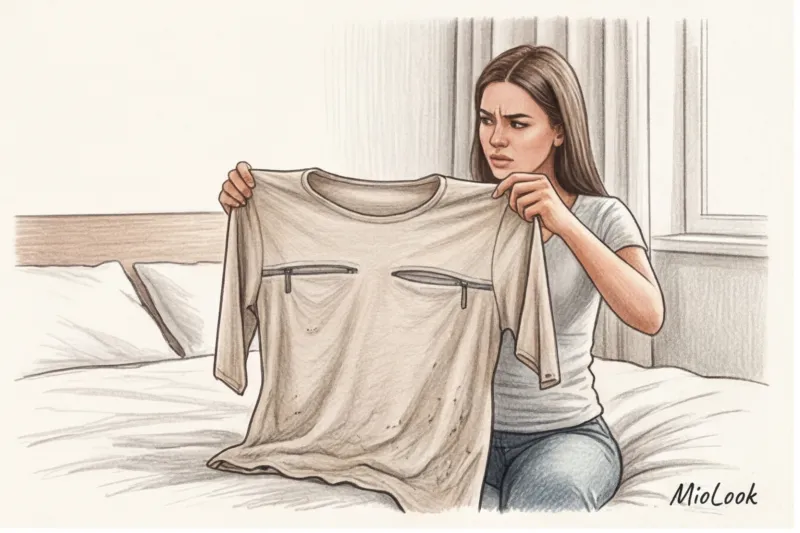
Do you know what irritates me most about the maternity and nursing fashion industry? The fact that women, at one of the most vulnerable times of their lives, are being asked to wear such blatantly tasteless clothes. I remember one of my clients, a top bank manager, sitting in front of me in tears. She was wearing a shapeless, melange polyester top with a complex system of hidden zippers across the chest. "Julia, I feel like my femininity is on hold," she said.
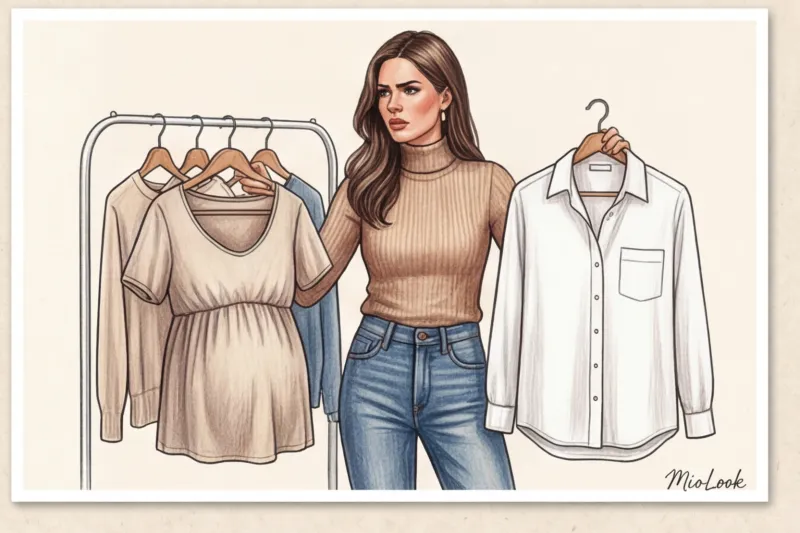
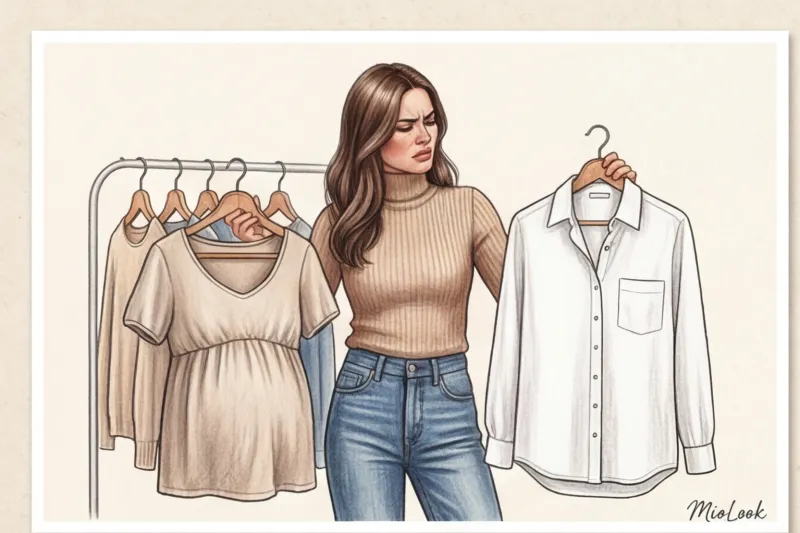
Let's be honest. Nursing-specific clothes (all those tops with secret flaps and horizontal zippers) are a marketing gimmick and, frankly, a bad investment. You don't need a separate wardrobe for nursing. You need a well-designed transition capsule of premium basics. Perfectly thought out. Basic wardrobe for a nursing mother consists of simple but high-quality clothes of the correct cut.
I have already spoken in more detail about the psychological aspects of this subtle period and the acceptance of a new body in our The complete guide to postpartum style Today we'll get down to pure practicality: wardrobe mathematics, fabric selection, and silhouette architecture.
The Biggest Myth: Why Nursing Clothes Are a Bad Investment
According to 2023 surveys by major fashion retailers, approximately 80% of women admit that maternity clothes make them feel less attractive. And this is not surprising. Hidden zippers stick out, creating unnecessary bulk in the décolleté area. Additional layers of fabric for "nursing secrets" disrupt the natural silhouette and visually cheapen the look.
Over 12 years of working as a stylist, I've developed a strict rule: we don't buy "nursing clothes." We invest in a smart, easy-to-access database.
"A transitional wardrobe isn't a break in your style. It's a chance to rethink your relationship with your clothes and commit to uncompromising quality."
Let's calculate the cost-per-wear. A special nursing top from a mass-market store will cost you about $50. You'll wear it for 6-8 months at most, wash it frequently (baby spit-ups are inevitable), and by the end of that time, it will be a rag. A classic oversized Egyptian cotton shirt from a good brand costs about $150. But you'll wear it during and after nursing, to the office, to the beach, and to cafes for the next five years. The investment math is clear.
Investing in Fabrics: A Basic Wardrobe for a Nursing Mom and Baby Safety
Tactility is the new benchmark for luxury. When you feed your baby, your clothes come into contact not only with your skin but also with the baby's face. A 2023 study by the European Society of Paediatric Dermatology directly links coarse synthetic fibers, cheap dyes, and the risk of contact dermatitis in newborns.
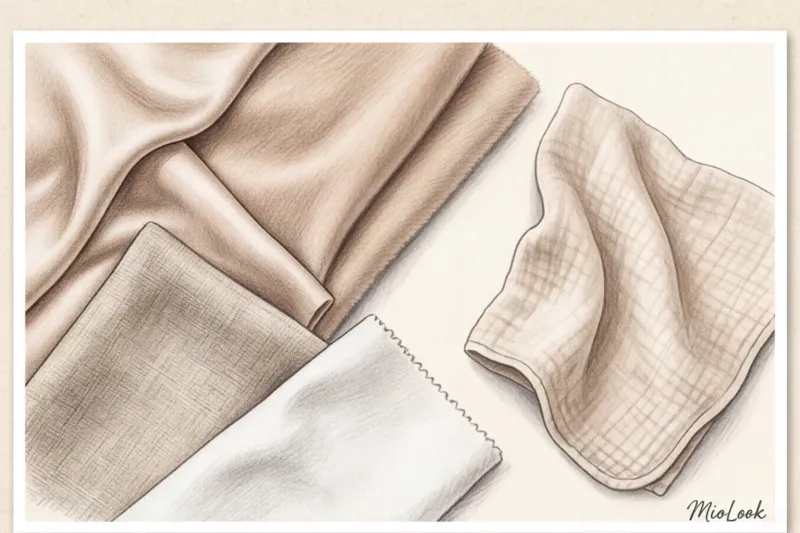
I categorically forbid my clients from buying acrylic or cheap polyester. Here are three materials that should form the basis of your transit capsule:
- Washable silk: The perfect balance of elegance and practicality. Made from 19-momme silk with a special sandwashed finish, it's machine washable on a delicate cycle. It feels cool on the skin and looks classy.
- Premium cotton (pima or egyptian): Smooth, durable, with a slight satin sheen. Choose a thread count of at least 120 threads per inch.
- Extra fine merino wool: The fiber thickness is 19.5 microns or thinner. It doesn't itch, maintains temperature regulation, and, unlike cotton, doesn't absorb odors immediately.
Tired of the “nothing to wear” problem?
Try MioLook for free: A smart AI stylist will analyze your clothes and select the perfect look for any occasion.
Get access — €0.99 onceCapsule Architecture: 7 Tips for Stylish and Convenient Feeding
Creating capsule wardrobe For new mothers, I use the rule of three mechanisms. Clothing should allow you to do one of three things: unbutton, close, or move If an item requires removal over the head, it goes to the far corner of the closet.
Men's shirt and silk blouse
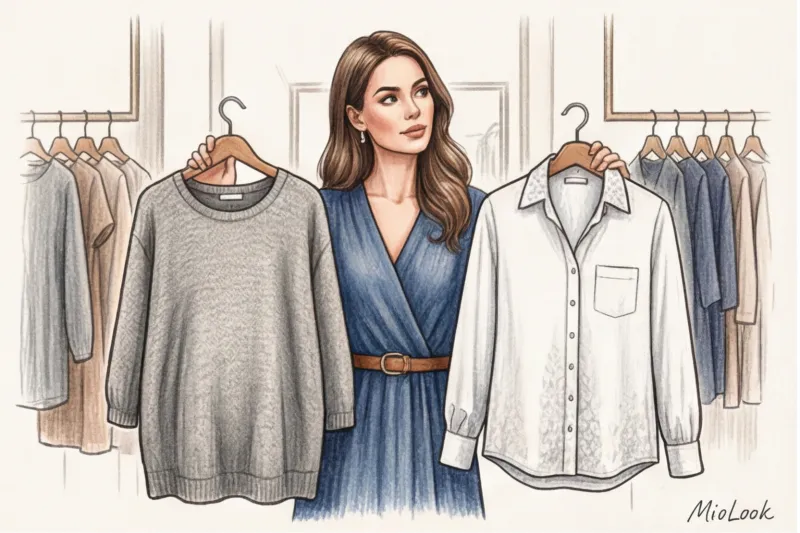
Nothing saves a tired mom's look like a crisp, perfectly tailored shirt. My favorite is a menswear-inspired (or distinctly oversized) shirt made from thick poplin. It works well both on its own and as a top layer over basic spaghetti strap tops.
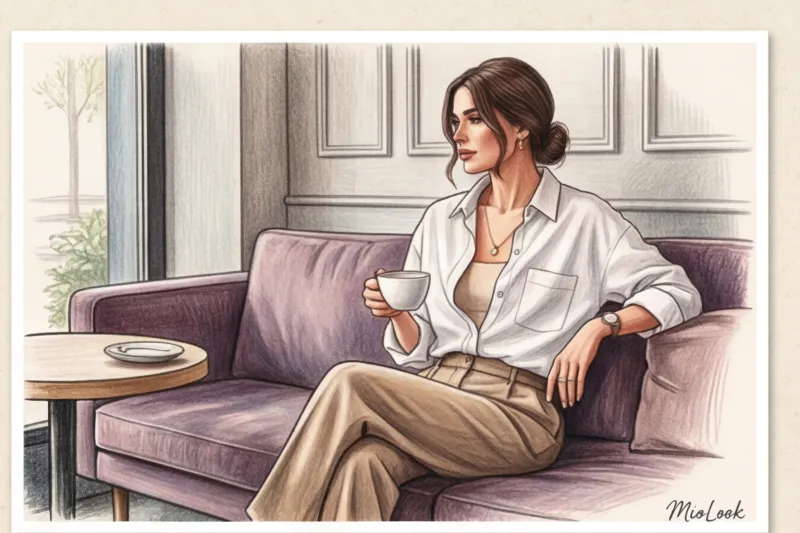
How to style: Don't button your shirt too tightly. Leave the top two or three buttons open, and casually roll up the sleeves to your forearms (this will reveal the thinnest parts of your arms and add a touch of elegance). For an evening out, swap out your cotton blouse for a silk button-down.
Wrap Dress and Knitted Two-Piece Sets
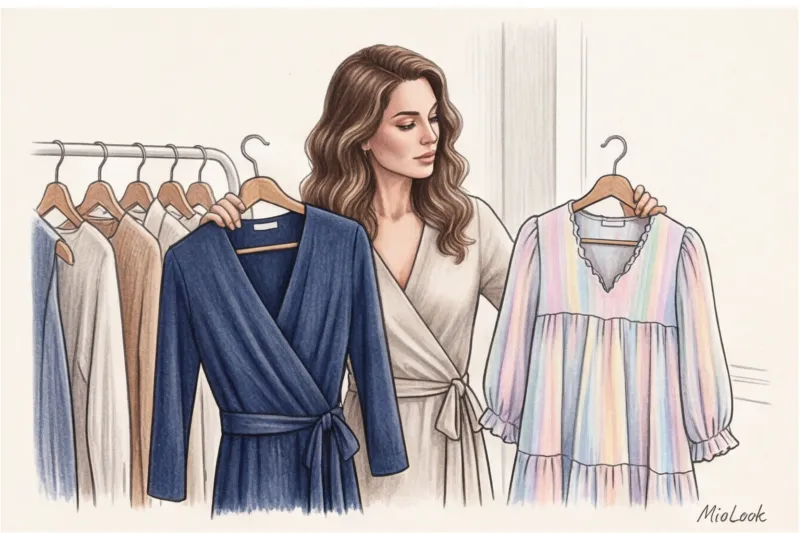
According to Lyst, a 2024 data analytics platform, interest in wrap dresses increased by 34%, and I know why. The iconic cut, invented by Diane von Furstenberg, is a genius invention. This dress adapts perfectly to a changing figure: the waist is adjustable, the bust can fluctuate, and the V-neckline provides instant access for nursing.
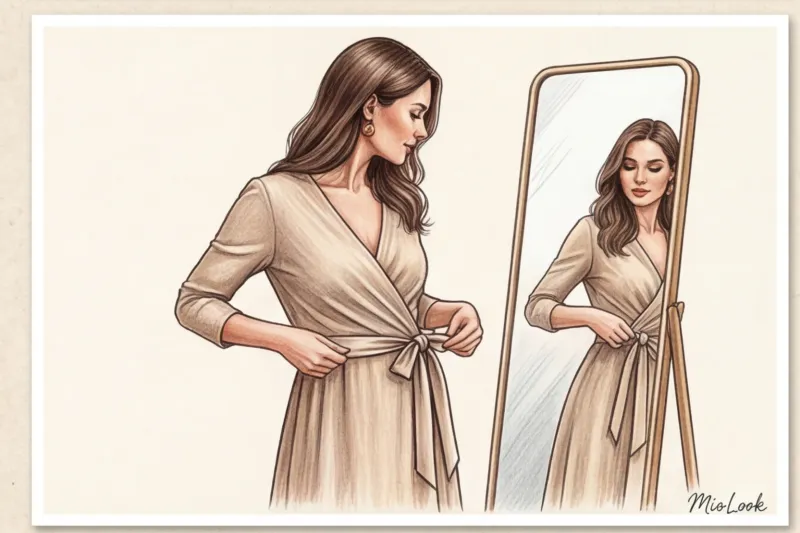
But there is here important limitation , which is often overlooked. Thin, flimsy knitwear (especially cheap viscose or low-quality cashmere) will play a cruel joke on you. It will mercilessly highlight your post-baby belly and every fold. Choose a dense ribbed knit or a heavy cotton blend—they act like a lightweight corset, cinching your silhouette.
Knitted two-piece sets (top + cardigan) are another lifesaver. A soft, chunky knit cardigan provides a feeling of security and coziness, while the top underneath slides down easily.
Underwear: The only exception for workwear
While I'm categorically against maternity departments when it comes to choosing basic clothing, underwear is the only exception. Skimping on nursing bras is a no-no. Period.
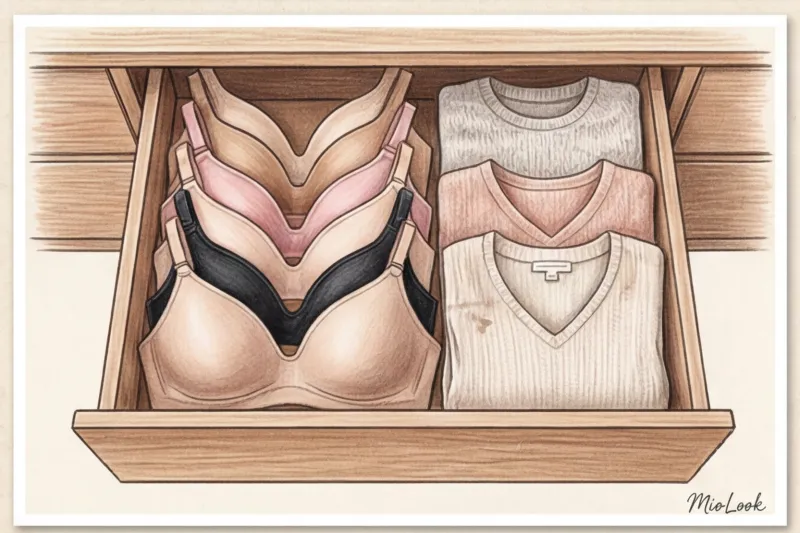
In my practice, women often complain of lactostasis due to poorly fitting bras. Avoid underwires. Rigid frames constrict milk ducts. Modern innovative materials provide excellent support without a single metal component.
Look for brands that make underwear aesthetically pleasing. Seamless microfiber styles in sophisticated shades (dusty rose, mocha, graphite, not just medical white) can be found at Natori, Bravado, or in premium lines of basic brands. You won't be embarrassed to show off such underwear if it accidentally peeks out through the neckline of an unbuttoned shirt.
Your perfect look starts here
Join thousands of users who look flawless every day with MioLook. Upload your items once and get ready-made looks.
Get access — €0.99 onceStatus accessories: stealing the spotlight
I'll reveal to you the main trick of stylists that I use when creating status capsules We call this "eye control." While your perfect shirt could get a milk or baby drool stain at any moment, your portrait area (face, hair, neck, wrists) must be flawless.
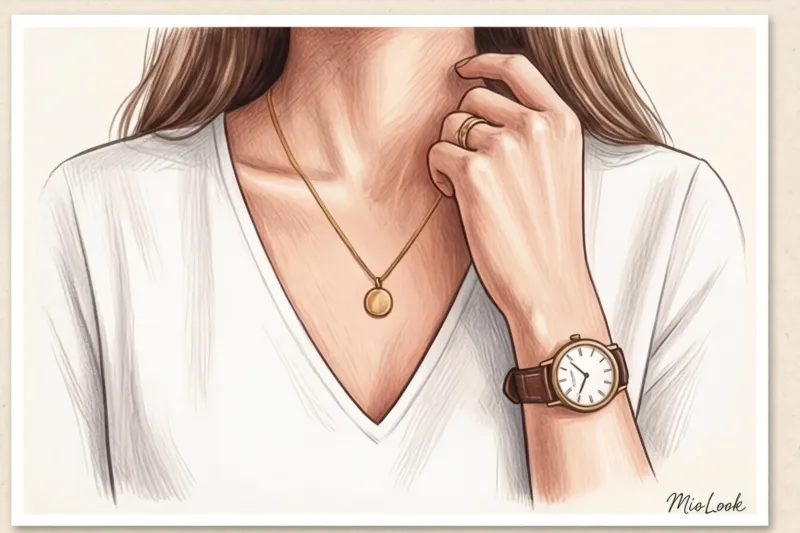
Your clothes can be as casual as possible, but if you have your hair slicked back in a bun (a lifesaver when you don't have time to wash it), simple pearl studs or geometric gold earrings, and a classic leather-strap watch on your wrist, you'll look expensive. Accessories bring the look together.
When it does NOT work: Avoid long chains and pendants. Around three months, your baby will begin to grab everything within reach. Replace necklaces with silk scarves—tie them to the stroller handle, bag, or braid them into your hair.
Checklist: Digitizing a Basic Wardrobe for a Nursing Mom in MioLook
A common problem for young mothers is physical fatigue from making decisions. You're simply standing in front of a full closet and not knowing what to wear. Let's automate this process.
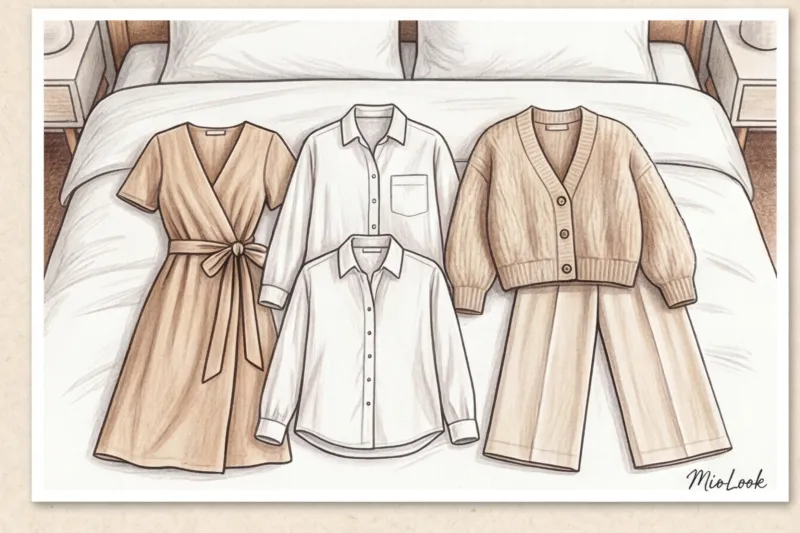
Here's the step-by-step plan I give my clients:
- Removing triggers. Physically remove from view all the pre-pregnancy skinny jeans and dresses that don't fit you. They're psychologically depressing. Your closet should contain only what fits you. Today.
- We are digitizing the database. Upload to the app MioLook All your button-down shirts, wrap dresses, stretchy tops and cardigans.
- We trust the AI stylist. Use the look generator feature. The algorithm will automatically suggest layered outfits using your own items, which you might have forgotten due to lack of sleep.
- Let's create a smart list. Buy new items only when the app shows a gap in your wardrobe (for example, you have a lot of shirts but no suitable wide-leg pants with an elastic waistband). No spontaneous purchases of polyester from mass-market stores.
Summary: Motherhood and elegance are compatible
Your body has done a tremendous job. It deserves respect, not your husband's baggy T-shirts you've been wearing for three weeks straight. A basic wardrobe for a nursing mother shouldn't scream "wet nurse"—it should speak volumes about your taste.

Buy less, but better. Investing in high-quality cotton, washable silk, and well-cut shirts and wrap dresses will pay off many times over, as these items will last long after you've finished breastfeeding.
Remember the most important thing: caring for a child begins with a mother's inner strength. And when you look in the mirror and see a gorgeous, confident woman, that strength comes naturally.
Ready to get started?
Try the MioLook plan for free—no commitments required. Organize your closet and create the perfect capsule for the next stage of your life.
Get access — €0.99 once