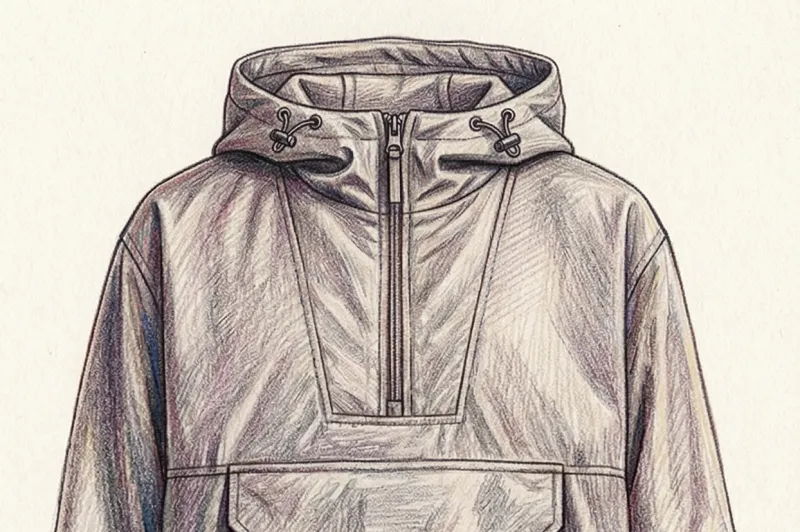
What is an anorak?
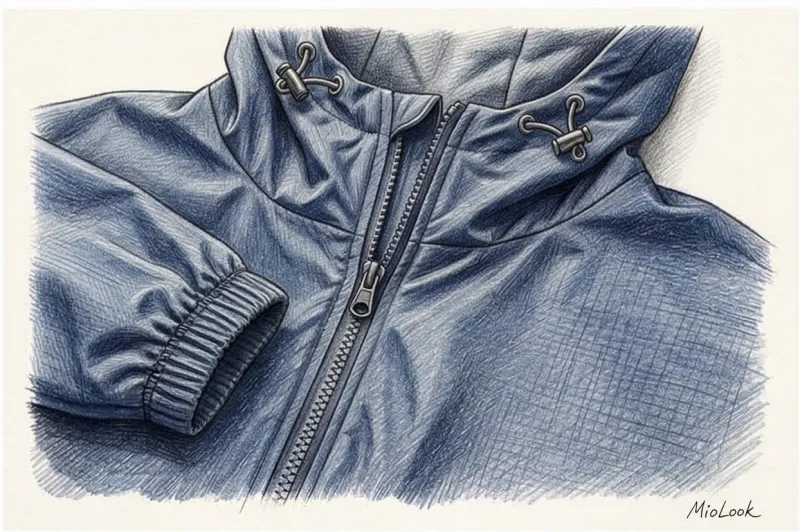
Anorak An "annoraaq" is a lightweight, windproof jacket without a solid front closure that is pulled on over the head. Historically, the word derives from the Greenlandic "annoraaq," a traditional Inuit garment made from the thick skin of caribou or other sea creatures, which protected against cold and moisture.
In the 20th century, the style was adapted for the needs of the military and mountaineers. Later, this practical jacket became popular in everyday and streetwear. The anorak's primary purpose is to protect against piercing winds, so its construction is extremely watertight.
Distinctive features
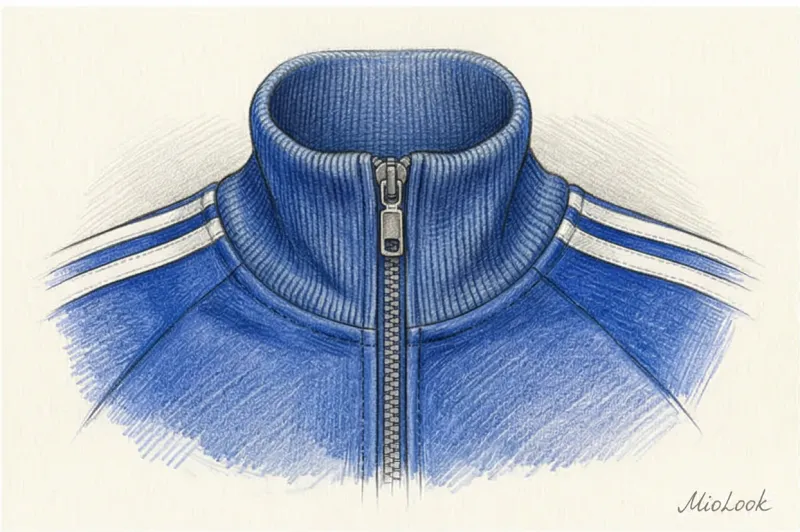
The main feature of the cut is the absence of a long central zipper. The fastening reaches no further than mid-chest, preventing air from leaking through the front seam.
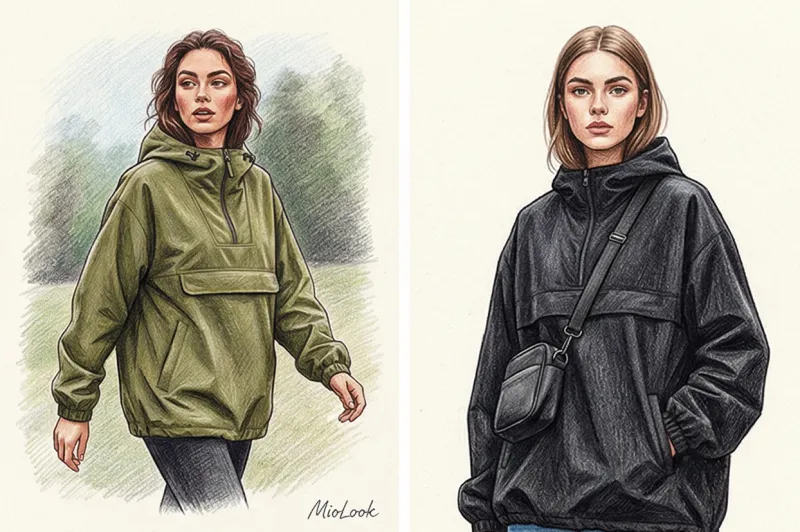
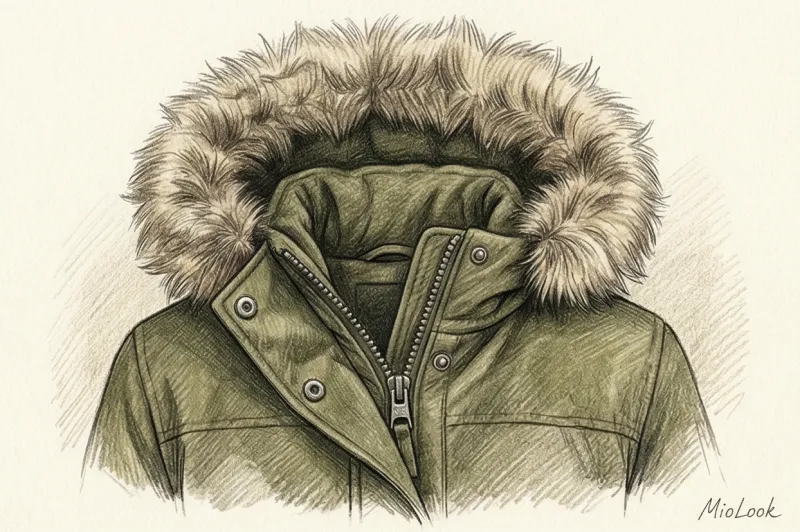
This design allows for a spacious kangaroo pocket on the stomach. It's often complemented by a flap with snaps or Velcro to protect the contents from rain. A classic anorak always features a hood and drawstrings at the waist or hem to lock in warmth.
Modern models are made from thin but durable synthetic fabrics. Manufacturers use nylon, polyester, and ripstop with water-repellent finishes.
What to combine with
For sporty and outdoor styles, the anorak looks great with cargo pants, joggers, hiking boots, or chunky sneakers. For casual street style, pair the jacket with straight-leg or wide-leg jeans, basic tees, and classic sneakers.
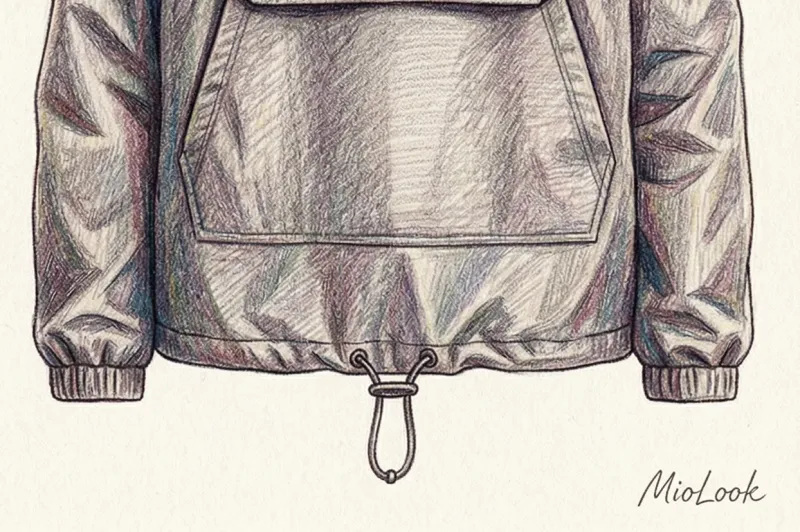
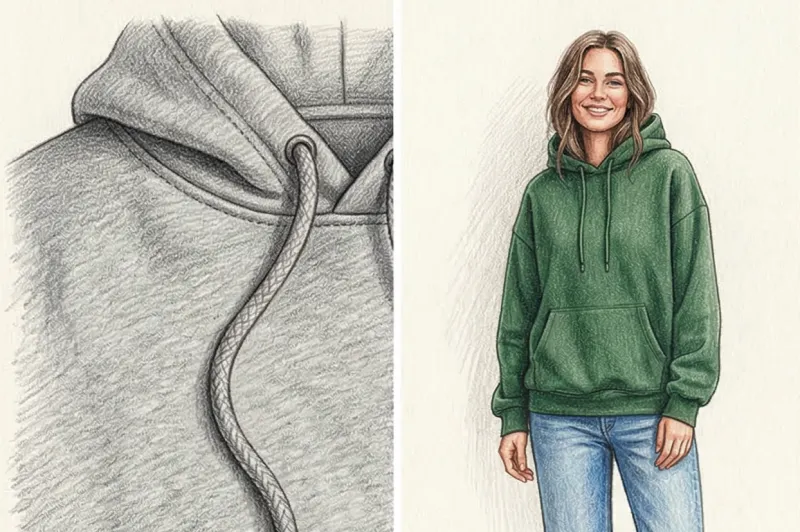
This thin nylon anorak is perfect for layering. It can be worn over a turtleneck or hoodie, or used as a midlayer under a bulky wool coat.
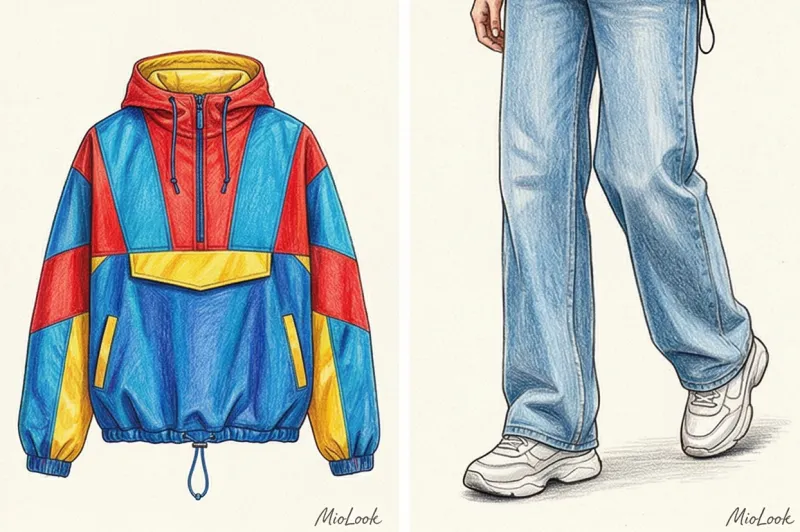
In a woman's wardrobe, the sporty character of the garment can be balanced with contrasting elements. Pair an anorak with a straight-cut midi skirt or wear an oversized, elongated version with cycling shorts and high socks.