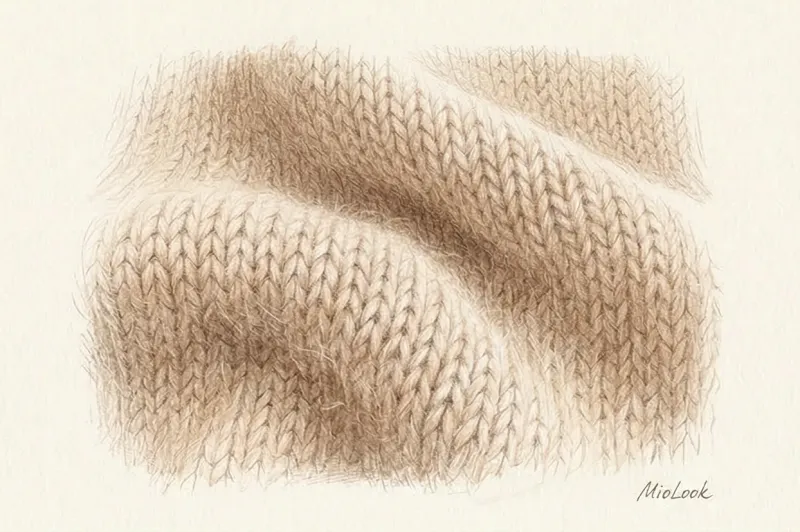
What is an alpaca?
Alpaca — is a natural wool obtained from the fleece of the camel family animal of the same name, which lives in the highlands of the South American Andes.
The animals are primarily bred in Peru. Historically, this material was called "Inca gold" and was used exclusively for clothing for the nobility.
Alpacas are sheared once a year, after which the fleece is hand-sorted by fiber thickness and color. The wool comes in over 20 natural shades, from pure white and silver to dark brown and jet black. This diversity allows textile manufacturers to avoid chemical dyeing of the yarn.
Distinctive features and types
The material's key feature is the absence of lanolin. Unlike sheep's wool, alpaca contains no animal wax, making it hypoallergenic and resistant to dust mites.
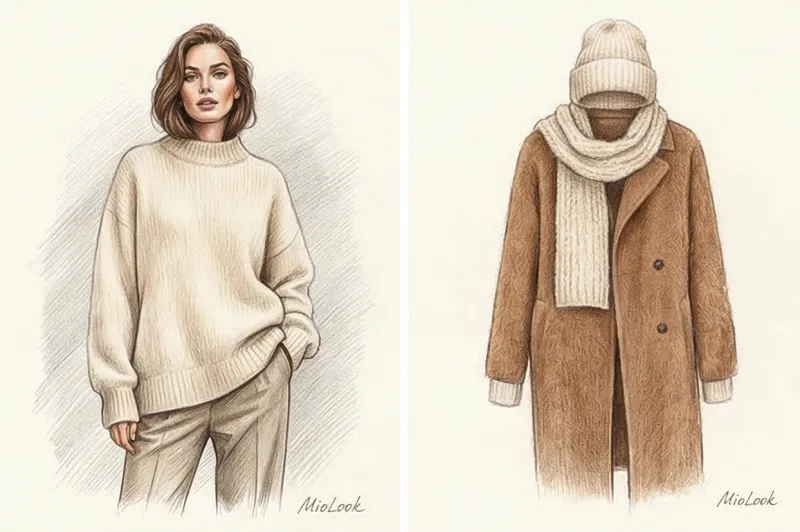
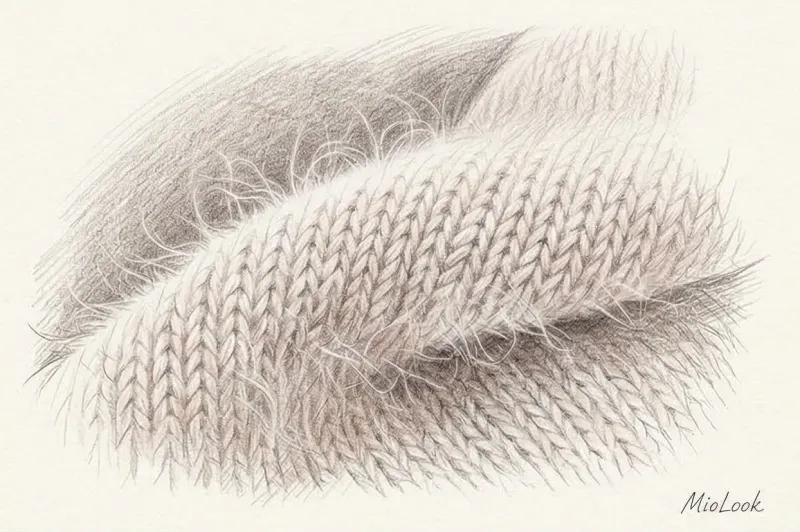
Microscopic air pockets within the fibers provide superior thermal insulation. The material is several times warmer than sheep's wool, yet remains lightweight and breathable. The fiber's smooth structure prevents pilling, repels water, and has a natural silky sheen.
In the textile industry, there are three main types of raw materials:
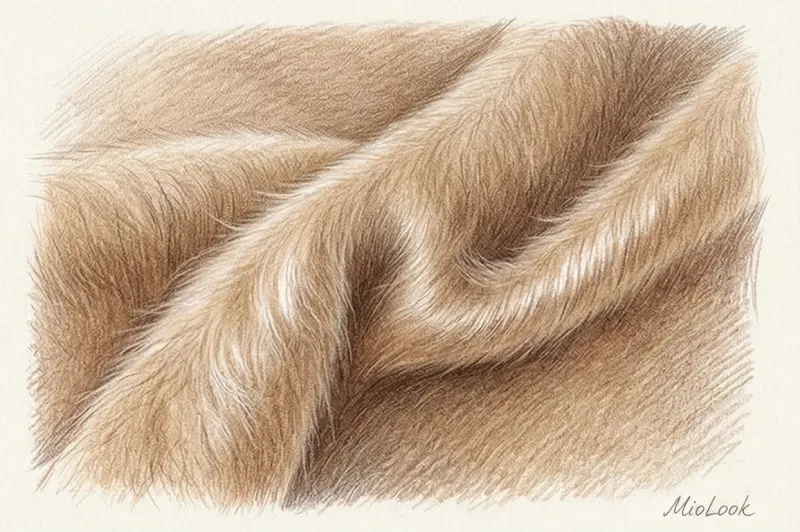
- Huacaya - fluffy and voluminous wool, reminiscent of plush, which is the most common.
- Suri - a rare species with long silky fibers without curls, distinguished by beautiful draping.
- Baby Alpaca — fleece from the first shearing of young animals. The fiber thickness is less than 22.5 microns, ensuring the ultimate softness of the finished product.
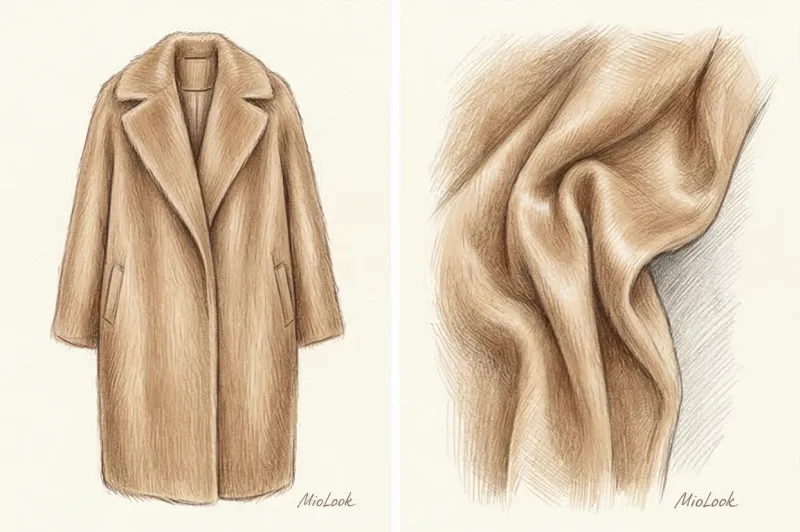
How to care
Items made from this yarn require careful handling. Hand wash only in cool water (not exceeding 30°C) using mild liquid detergents or special wool shampoos. Vigorous rubbing and wringing are strictly prohibited.
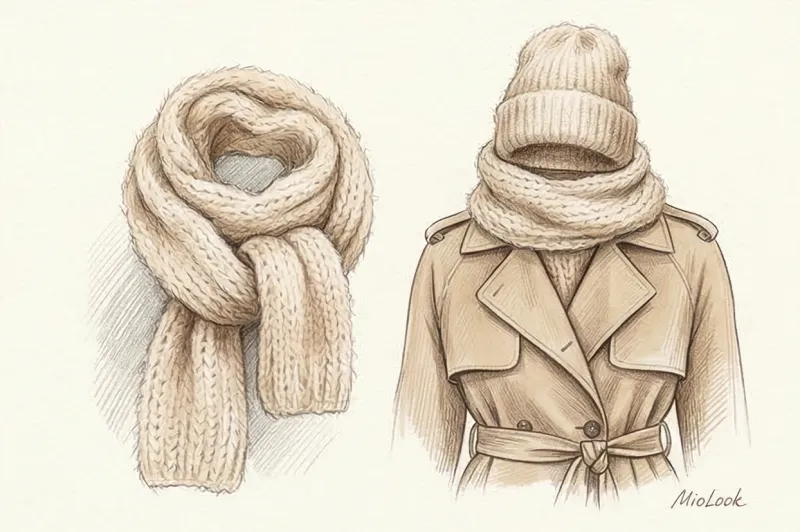
Dry items horizontally on a terry towel, away from direct sunlight and heating devices. This prevents deformation and shrinkage of the threads.
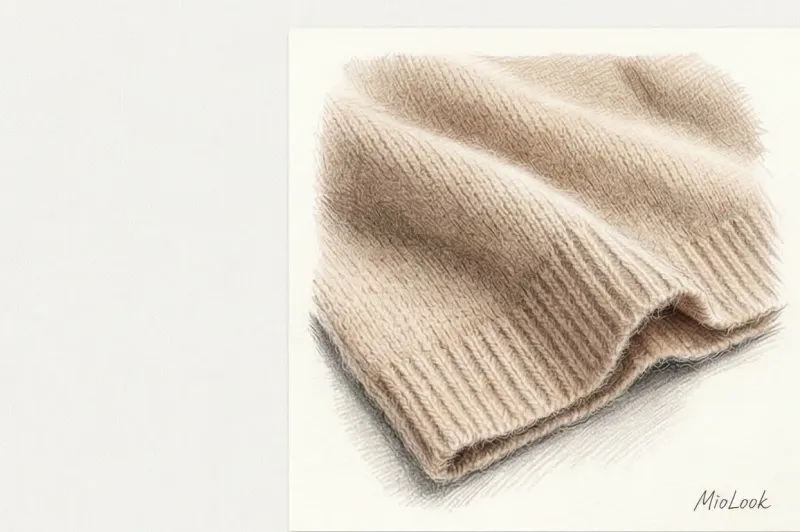
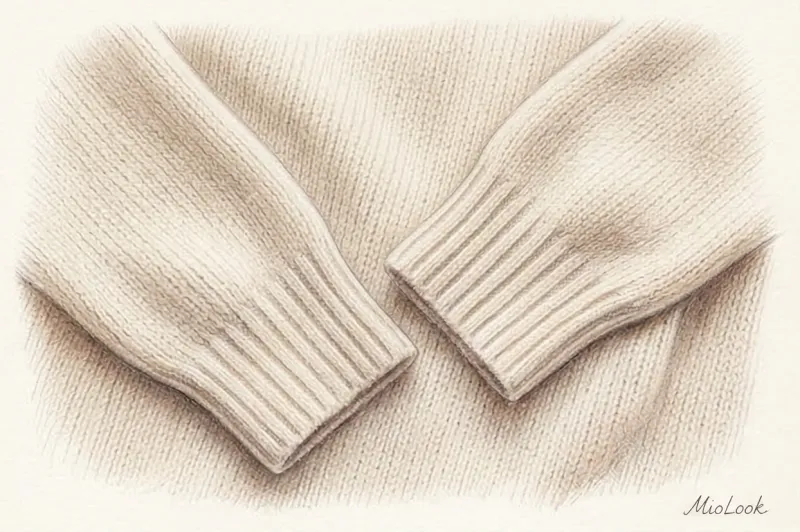
Alpaca knitwear should be stored folded on shelves, as hanging it on a hanger inevitably causes the garment to stretch under its own weight. For moth protection, natural repellents such as lavender sachets or cedar balls are recommended. Avoid chemical mothballs, as natural wool quickly absorbs odors.