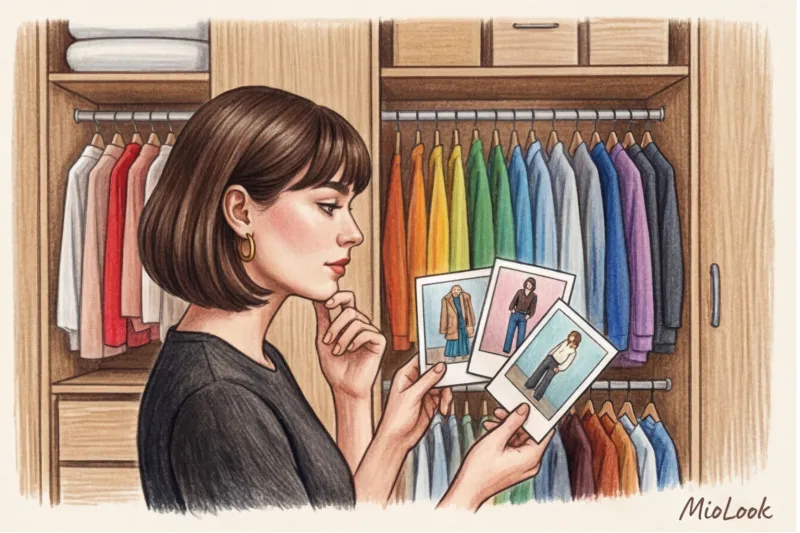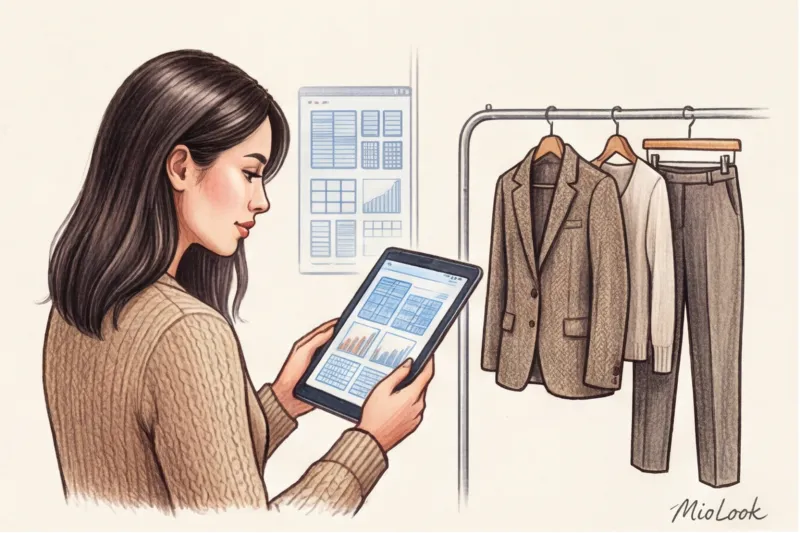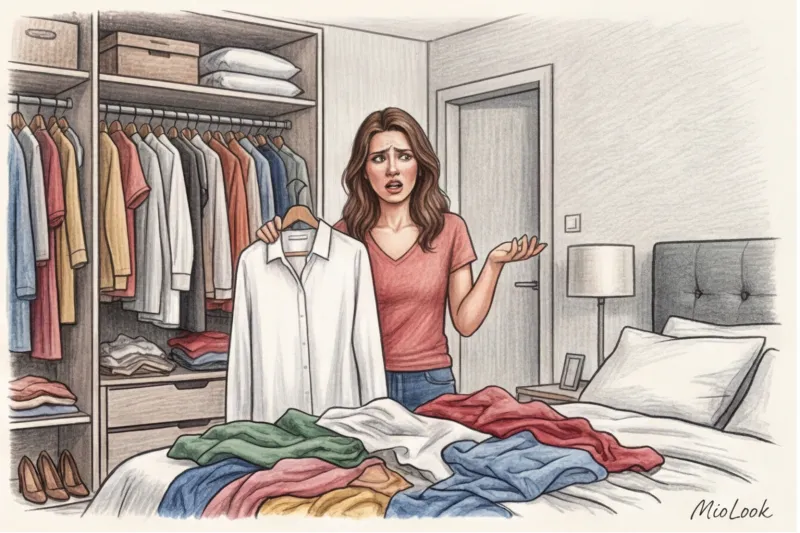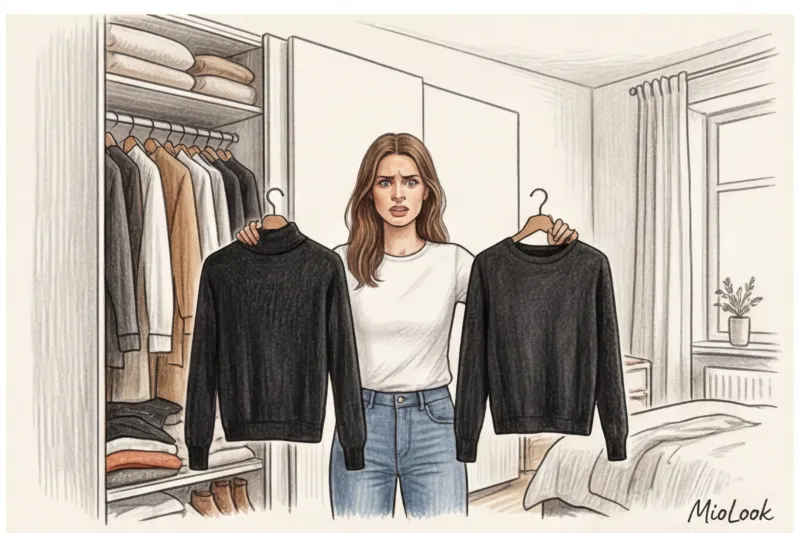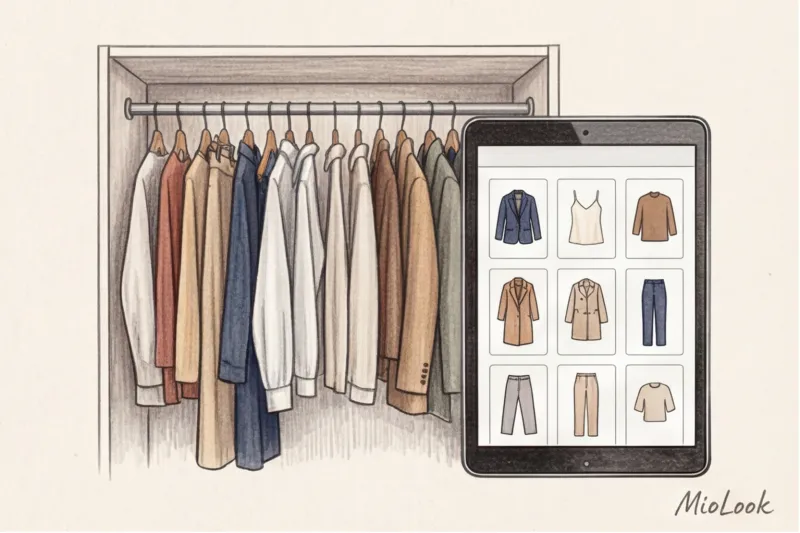
When people come to me for a wardrobe review, 90% of the time I see the same picture: a closet overflowing with clothes, some still with tags, and the owner despairingly utters the classic "I have absolutely nothing to wear." For a long time, I believed that such clients simply lacked a keen eye and a creative approach. I was wrong. They didn't need creativity—they needed a ruthless mathematical analyst. And this is where the modern designer comes in. and stylist.
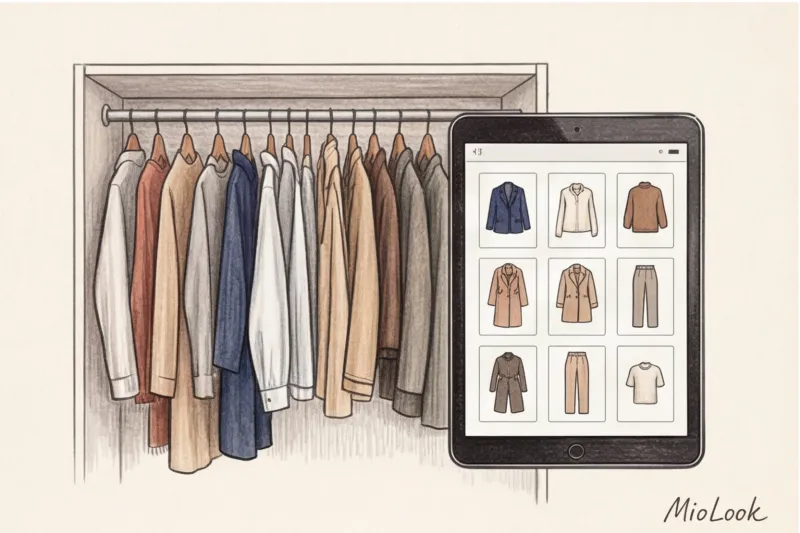
It's commonly believed that neural networks in fashion are designed to generate crazy, futuristic, cyberpunk-inspired looks. In reality, the main superpower of artificial intelligence lies in the "boring" routine. The algorithm will prevent you from buying a fifth identical white shirt and will force you to wear the 80% of your wardrobe you've long forgotten about. We've covered this global paradigm shift in the industry in more detail in our complete guide to Fashion tech in 2024: innovations and fashion trends , and today I propose to look at AI exclusively from a practical side.
AI Stylist in 2024: The End of Metaverses and the Beginning of Real Usefulness
A couple of years ago, the industry was abuzz with virtual sneakers, NFT dresses, and metaverse fashion shows. Today, that hype has died down, giving way to a more stern, utilitarian approach. According to the report, McKinsey State of Fashion 2024 , brands and developers have redirected budgets from virtual worlds to solving real-world problems: reducing product returns and optimizing hyperconsumption.
Today's AI stylist isn't just a generator of pretty images, but a powerful analytical tool for your physical closet. The "closet full, but nothing to wear" problem is essentially a combinatorics problem. You have 50 items that could potentially be combined in thousands of ways. The human brain, getting ready for work at 7:30 a.m., is simply unable to process this massive amount of data. An algorithm, however, solves this problem in a split second, based on given parameters.
How neural networks "see" clothes: the mechanics of a digital stylist
Ironically, modern algorithms do exactly the same thing that Christian Dior's assistants did in the early 1950s. To manage the vast collections of the New Look silhouette, they compiled paper index cards containing fabric swatches, sketches of styles, and clients' measurements. The only difference is that today these "index cards" are digitized and operate at a speed of millions of operations per second.
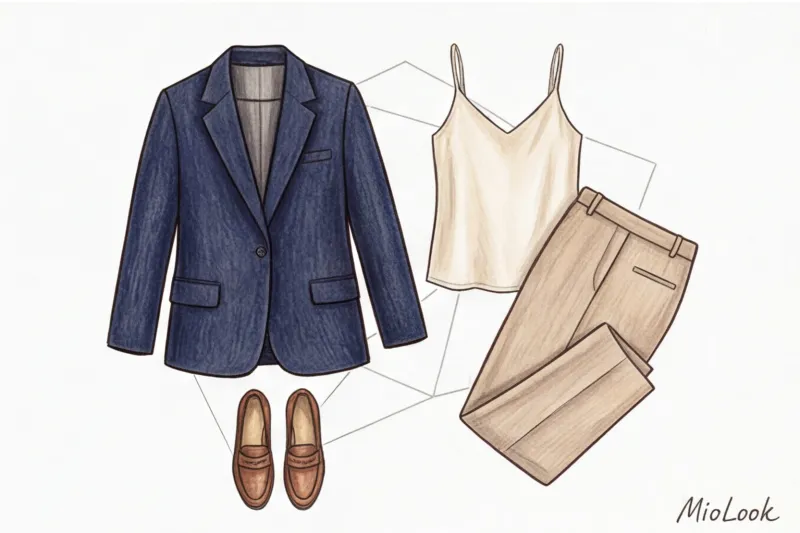
The neural networks are based on computer vision technology. When you upload a photo of an item to the app, the camera doesn't just see "black pants." The algorithm breaks down the image into molecules, creating a semantic core for your wardrobe. It automatically assigns tags: cut (palazzo), fabric (visually similar to thick wool), seasonality (winter, mid-season), and formality level (smart casual).
Compatibility algorithms and the color wheel
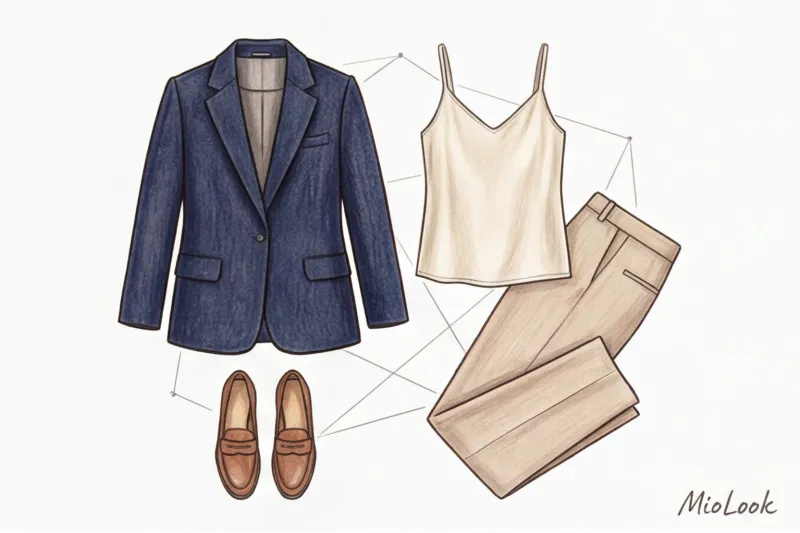
Having digitized the database, the AI stylist begins combining colors. Good apps rely not just on random selection, but on strict color principles. The neural network uses Itten's color wheel, instantly selecting analogous (adjacent) or complementary (contrasting) combinations. You can explore the theory yourself by reading our A guide to the 12 color types of appearance , or delegate it to the machine.
Mathematics also applies to proportions. If the algorithm sees that you've chosen a slim bottom (such as skinny jeans or a pencil skirt), it's highly likely to suggest a voluminous top—a chunky knit sweater or an oversized jacket—to balance out the geometric silhouette.
Access to MioLook for €0.99 — one-time payment
A smart AI stylist will digitize your wardrobe and select the perfect looks for every day.
Get access — €0.99 onceAlgorithm Blind Spots: What AI Stylists Can't Do Yet
I'm not writing these lines to sing the praises of algorithms. As a practicing stylist, I have a duty to warn you about their blind spots. There are areas where soulless mathematics fails.
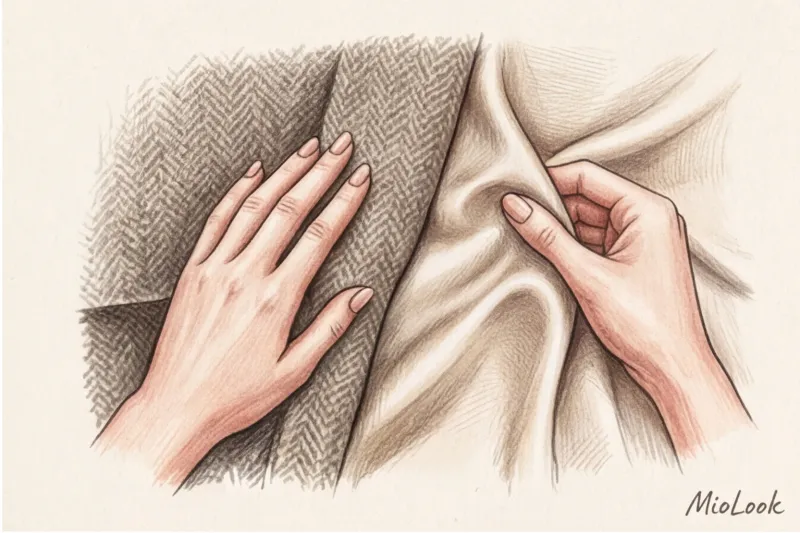
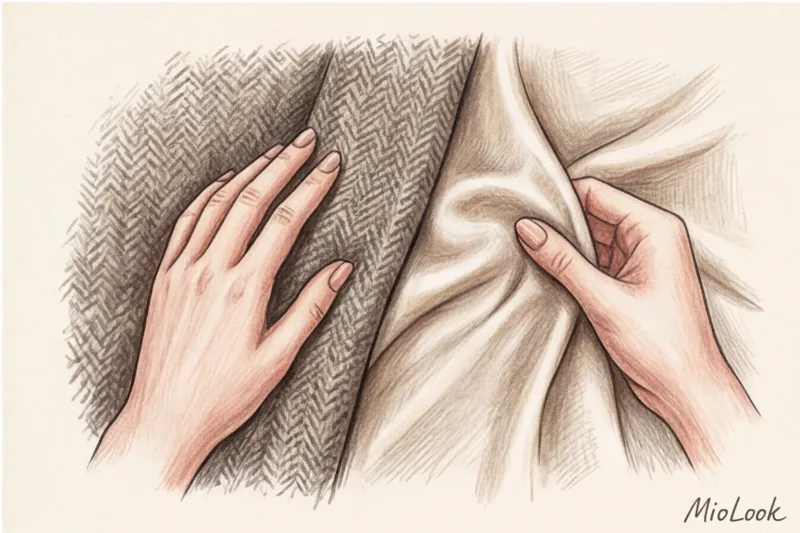
I had a telling case in my practice. A client came in with a "perfectly" put-together capsule look in an app: a silk midi skirt and an oversized sweater. On the screen, everything looked flawless. But in reality, the skirt turned out to be cheap, shiny polyester from a mass market, and the sweater was a squeaky acrylic. Fabric texture is the main Achilles heel of neural networks. The camera often confuses expensive, dense silk (19-22 momme) with slippery synthetics. As a result, items become magnetized, bunched up, and look untidy. The machine can't touch the item.
"AI is great at image architecture, but it doesn't understand the concept of a 'comfort blanket.' It doesn't know that on this particular cloudy Tuesday, you need that old, slightly stretched cashmere hoodie simply because it makes you feel secure."
Another serious limitation is fit and drape. The algorithm knows your waist measurements, but it doesn't take into account your posture, lower back curve, or shoulder asymmetry. The way fabric flows on a non-standard figure currently requires only the human eye.
5 Tasks You Should Delegate to Your AI Stylist Today
Despite the limitations, industry statistics are relentless: due to the so-called "Pareto principle of wardrobe," we wear only 20% of our clothes 80% of the time. Neural networks are the tool that can help break this vicious cycle. Here are five tasks I strongly recommend outsourcing to algorithms right now.
- Digitization of the database. It's like an inventory of your closet. The process of photographing it is sobering. You'll finally see that you own four pairs of identical black jeans and not a single quality basic t-shirt.
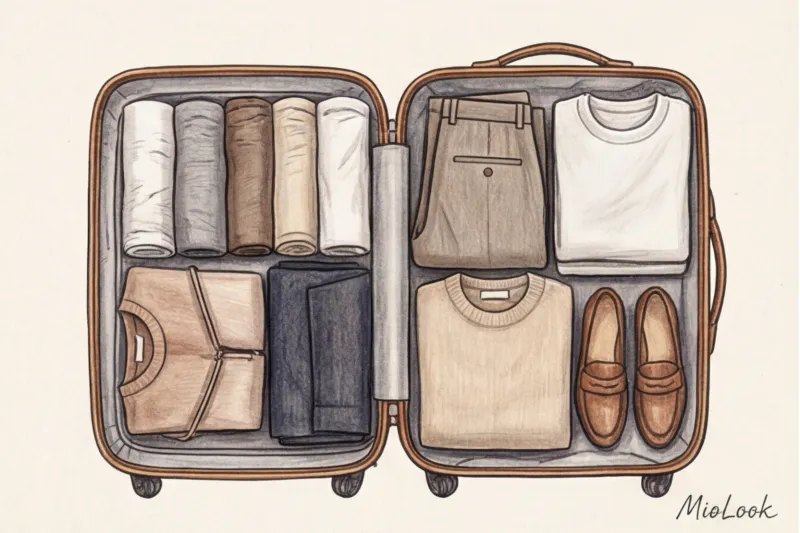
- Formation of travel capsules. The algorithm parses weather data at your destination and packs a compact suitcase. For those who always pack too much, this is a lifesaver. Read our guide about creating a capsule wardrobe , and entrust the assembly to the application.
- Tracking Cost Per Wear (cost per exit). My favorite feature. Buying a €350 cashmere coat seems like a waste. But the AI calculates: if you wear it 100 times over two seasons, the cost per wear is only €3.50. But a €40 sequin top worn once to a party is a net loss of €40.
- Blocking impulse purchases. Standing in front of a seductive but odd skirt in the fitting room, take a photo of it and upload it to the app. If the algorithm can't find at least three looks from your current wardrobe, hang it back up.
- Integration with smart wardrobes. For example, by loading your things into MioLook , you get ready-made selections for the day, reducing the time of your morning preparation from a nervous 15 minutes to a relaxed 2.
Your perfect look starts here
Join thousands of users who look flawless every day with MioLook. Digitize your wardrobe in minutes.
Get access — €0.99 onceHow to Set a Neural Network Task Correctly: The Art of Fashion Prompting
The main mistake beginners make is writing in the application: "Put together a nice outfit for me for work." For a neural network, the concept of "beautiful" doesn't exist, and "work" could mean anything from a bank office to an art gallery.
To ensure that my stylist delivers the right results, I teach my clients to use the formula for ideal fashion prompting: Context + Constraints + Mood.
Let's look at a specific example. You need image for a corporate event Instead of general phrases, enter parameters:
— Context: Evening event at the restaurant, dress code Cocktail.
— Restrictions: Room temperature around +22°C, no high heels (feet hurt), budget for new parts up to €100.
— Mood: Understated elegance, emphasis on the waist, without a deep neckline.
Only by setting the task this way will the algorithm avoid suggesting an inappropriate miniskirt or an overly warm velvet jacket. And don't forget to train your personal algorithm: regularly upvote and downvote suggested combinations. Machine learning requires your feedback.
Will the algorithm replace the personal shopper?
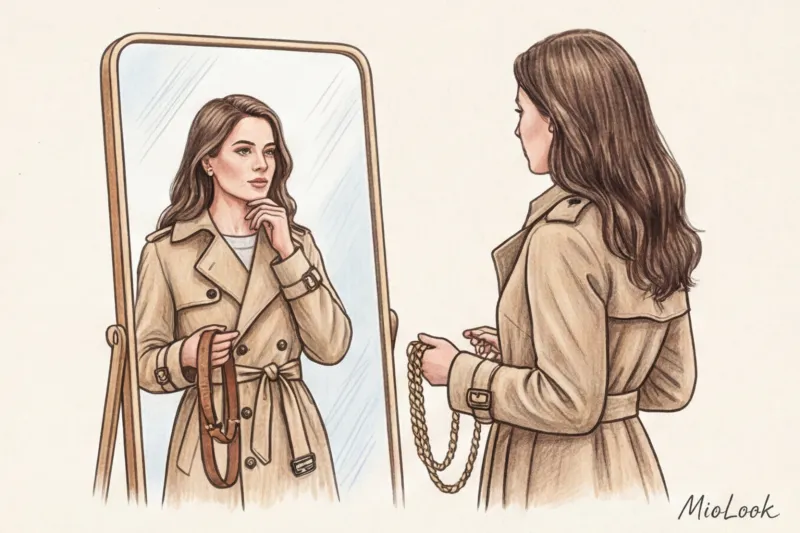
Spoiler: no. At least, not in the next ten years. When I see how deftly neural networks assemble base capsules, I don't feel a threat to my profession. On the contrary, I feel relieved.
An AI stylist isn't a replacement for a human. It's a powerful exoskeleton for your personal taste. Let the algorithms handle all the dirty math: inventory management, color matching, budget control, and wear tracking. Humans are left with the most valuable assets: empathy, the psychology of choice, and the therapeutic power of fashion.
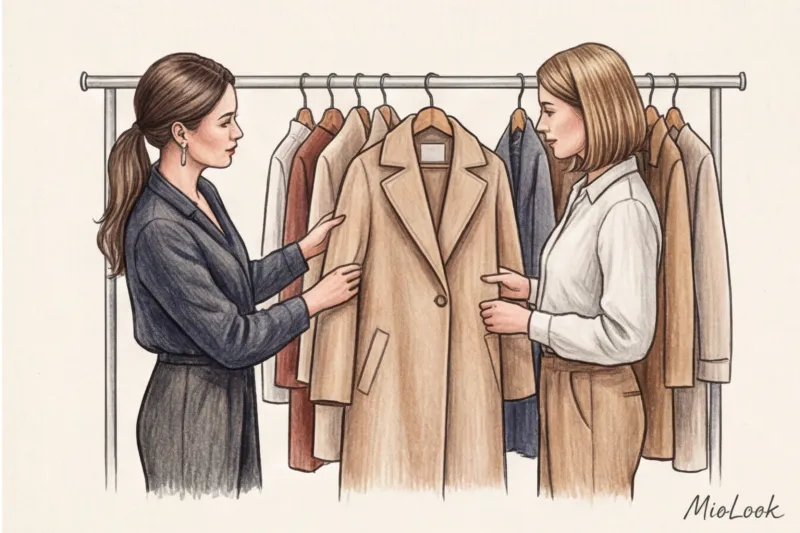
You don't have to try to digitize your entire life right away. Start small: choose 15-20 basic items that you wear most often (jeans, sweaters, jackets), add them to the app, and ask it to find unexpected combinations between them. I promise, you'll be surprised at how many new looks have been hiding in your own closet all this time.