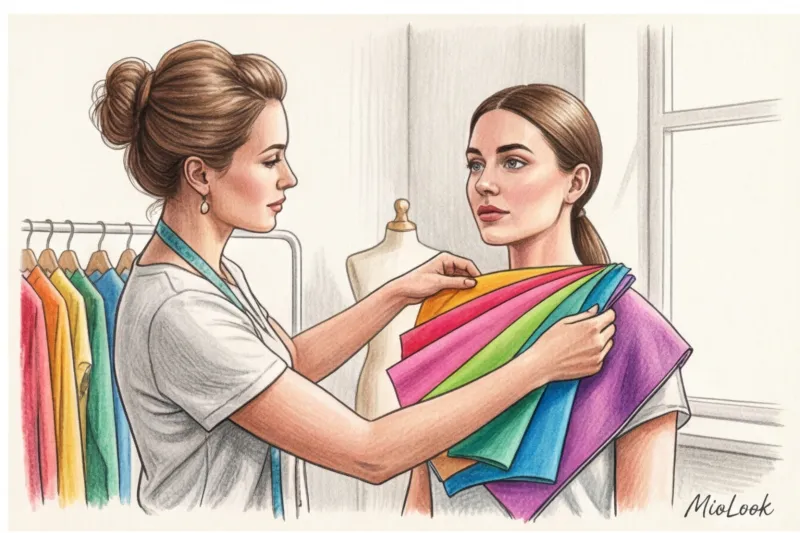
Знакома ли вам ситуация: один эксперт говорит, что вы «Контрастная Зима», другой уверенно записывает в «Холодное Лето», а в примерочной магазина при желтом свете вы вообще кажетесь себе землисто-бледной? Наверняка вы хоть раз сомневались в палитре, которую вам подобрали. Долгие годы индустрия моды опиралась исключительно на глаз человека. Но сегодня у нас есть альтернатива.
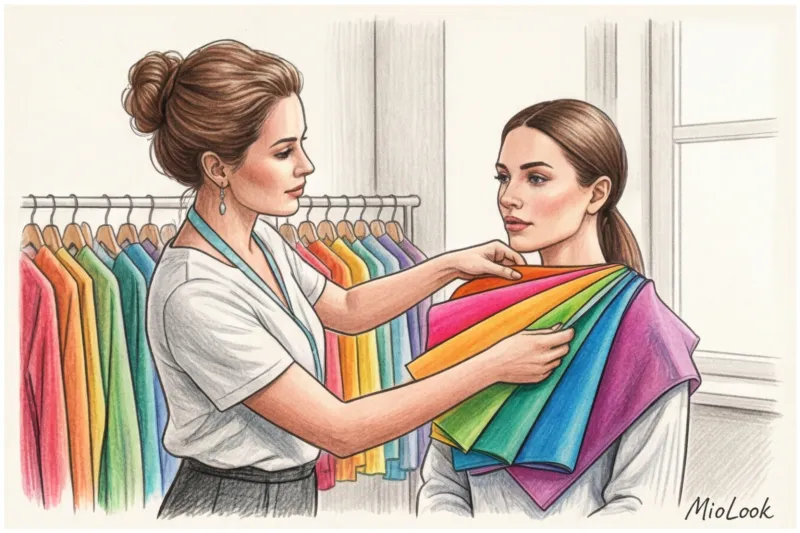
Эта статья разрушает популярный миф о том, что машинный алгоритм «бездушен» и не способен понять вашу уникальность. На самом деле, когда речь заходит про цветотип — нейросеть или стилист, именно искусственный интеллект дает самую объективную, математически выверенную базу. Алгоритмы освобождают нас от рутины, оставляя человеку самую главную задачу — психологическую адаптацию гардероба под ваш образ жизни. Подробнее о механизме работы таких алгоритмов мы рассказали в нашем полном гиде по определению цветотипа по фото с помощью ИИ.
Давайте разберем, почему «живой» взгляд часто проигрывает пикселям, и как использовать технологии, чтобы перестать тратить деньги на вещи, которые вас не украшают.
Эволюция типирования: от драпировочных тканей к пикселям
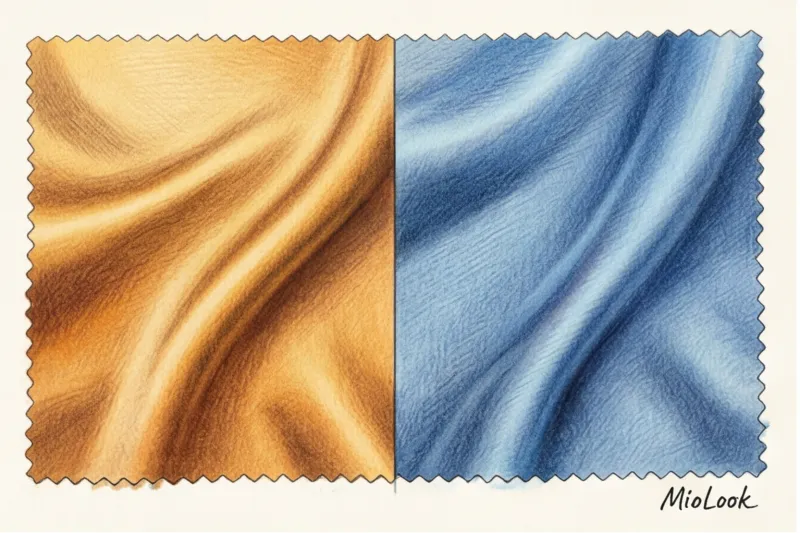
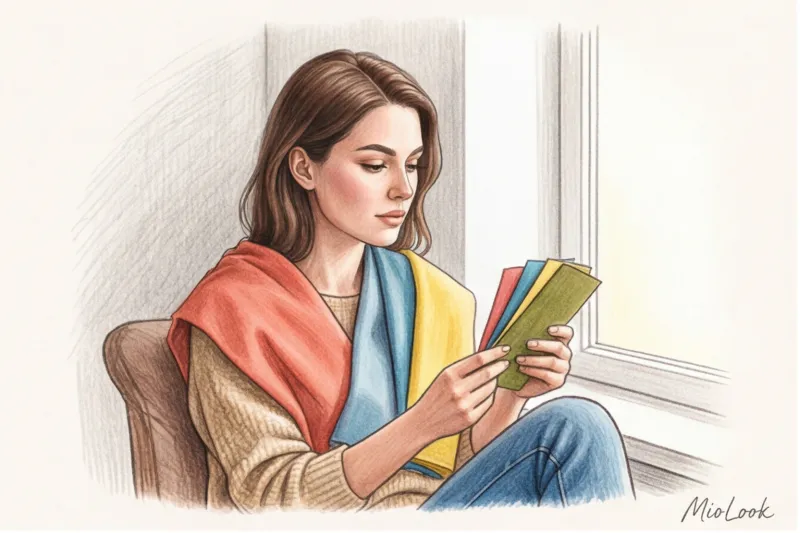
Когда я только начинала работать имидж-консультантом 12 лет назад, мой рабочий инвентарь весил около семи килограммов. Это был огромный чемодан с десятками разноцветных платков — дирекционными драпировками. Метод прикладывания тканей к лицу был золотым стандартом с 1980-х годов, когда Кэрол Джексон выпустила свою культовую книгу «Color Me Beautiful».
Мы сажали клиентку перед зеркалом и поочередно меняли ткани: теплый персиковый, холодный розовый, приглушенный синий. Задача стилиста заключалась в том, чтобы уловить, как цвет отбрасывает рефлекс на подбородок и сглаживает ли он носогубные складки.
Но мода стала дата-центричной. По данным McKinsey (2024), внедрение технологий компьютерного зрения (Computer Vision) в fashion-индустрии снизило количество возвратов одежды на 30%, потому что алгоритмы точнее предсказывают, как вещь сядет на конкретную фигуру и подойдет ли к тону кожи. Сегодня индустрия переходит от субъективного «мне кажется, этот оттенок вас освежает» к жесткому математическому анализу пикселей.
Доступ к MioLook за €0,99 — разовый платёж
Умный AI-стилист подберёт идеальный образ на основе ваших реальных данных, а не догадок.
Открыть доступ — €0,99 разовоЧеловеческий фактор: почему даже топовые стилисты ошибаются
Одна из моих клиенток, Анна, 10 лет покупала вещи исключительно в оттенках горчицы, хаки и терракоты. Предыдущий стилист диагностировал ее как «Теплую Осень». Но Анна жаловалась, что выглядит уставшей, если не нанесет плотный слой тонального крема. Когда мы прогнали ее фотографию без макияжа через колориметр и проанализировали HEX-коды кожи, алгоритм выдал однозначный холодный подтон. Анна оказалась «Летом». Как же так вышло?
Человеческий глаз невероятно легко обмануть. Существует оптическая иллюзия, известная как симультанный контраст. Один и тот же оттенок кожи будет казаться более теплым на фоне холодного синего платка и более бледным на фоне яркого красного. Кроме того, на вердикт специалиста неизбежно влияют его личные вкусы. Если стилист обожает эстетику «тихой роскоши» и бежевую палитру, он подсознательно будет «тянуть» ваш колорит в сторону приглушенных осенне-весенних тонов.
Ловушка освещения: как лампы меняют ваш колорит
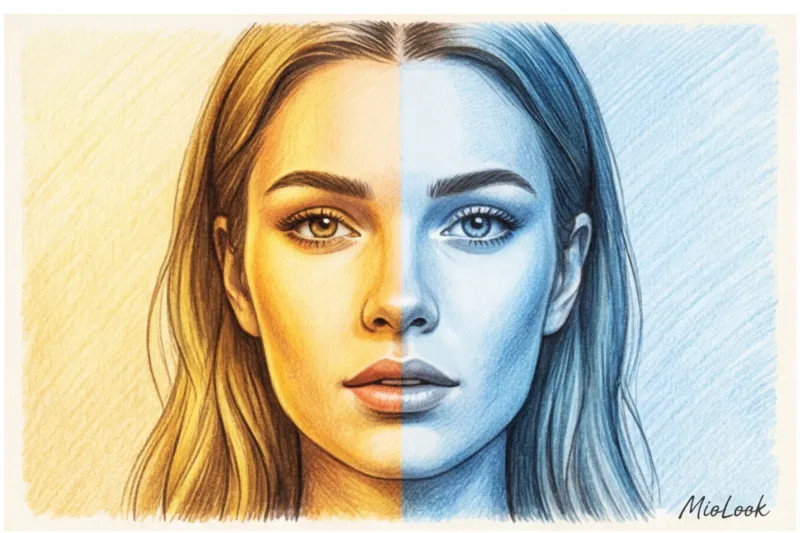
Самый большой враг объективности — свет в помещении. Лампы накаливания в студии дают температуру около 3000K (теплый желтый свет). Студийный дневной свет — это 5500K. Разница колоссальная.
Замечали, что в примерочных H&M или Zara вы иногда выглядите так, будто не спали неделю? Искаженное освещение меняет восприятие вашего подтона. Желтый свет нейтрализует холодные пигменты кожи, делая истинную «Зиму» похожей на «Осень». Нейросеть, если ей дать правильно сделанную фотографию при рассеянном свете от окна, эту погрешность исключает полностью.
Как нейросеть «видит» вашу внешность
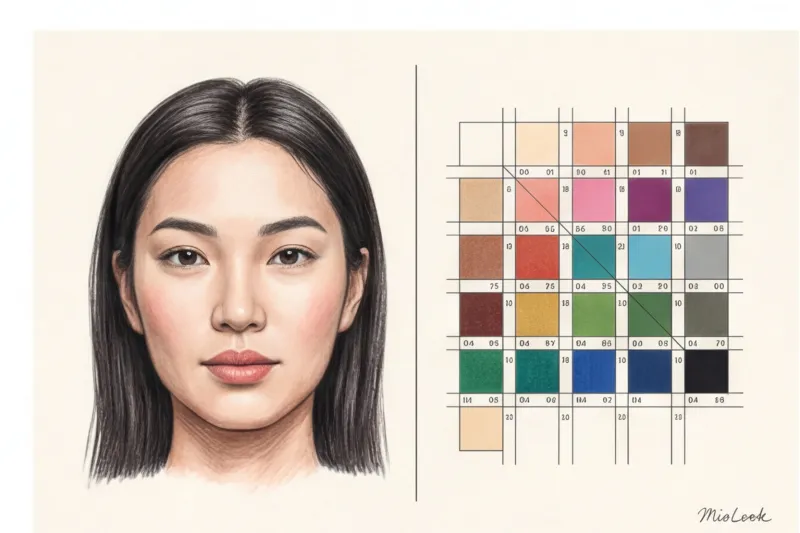
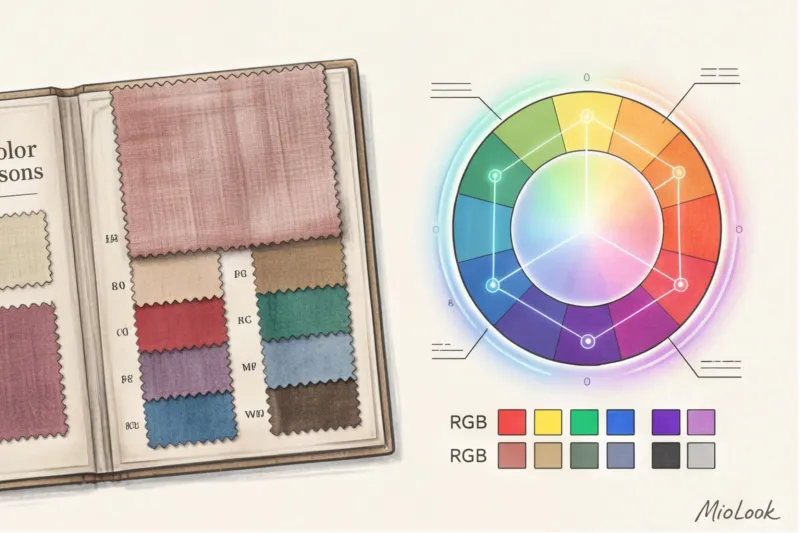
Для искусственного интеллекта ваше лицо — это не набор эмоций, а математическая матрица. Алгоритм не делает догадок. Он сканирует пиксели и переводит их в цветовое пространство CIELAB (L*a*b*), которое описывает все цвета, видимые человеческим глазом, опираясь на систему Манселла.
- Определение подтона: ИИ вычисляет точный HEX-код вашей кожи на участках без теней и румянца.
- Анализ склеры: Белок глаза — отличный индикатор контрастности. Машина считывает, насколько он чистый и холодный или мягкий и кремовый.
- Уровень контраста: Разница между самым светлым пикселем (кожа/белок глаза) и самым темным (зрачок/волосы) рассчитывается по шкале от 1 до 10.
Именно поэтому алгоритмы, заложенные в функцию «умный гардероб» в MioLook, дают такой точный колористический профиль. Они видят чистую физику цвета.
3D-сканирование фигуры против сантиметровой ленты
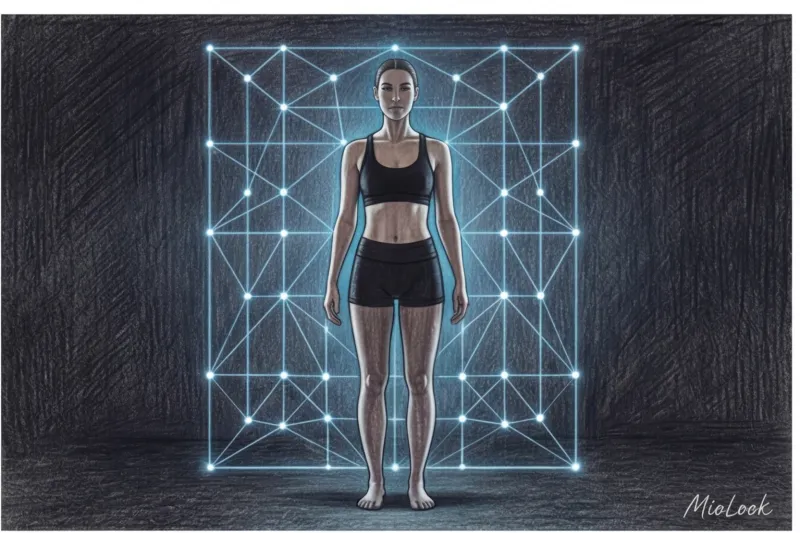
Миф о том, что фигуру нужно вписывать в стандарты «яблоко», «груша» или «песочные часы» (с обязательным стремлением к 90-60-90), давно устарел. Исследование WGSN показало, что стандартная размерная сетка не подходит 60% современных женщин.
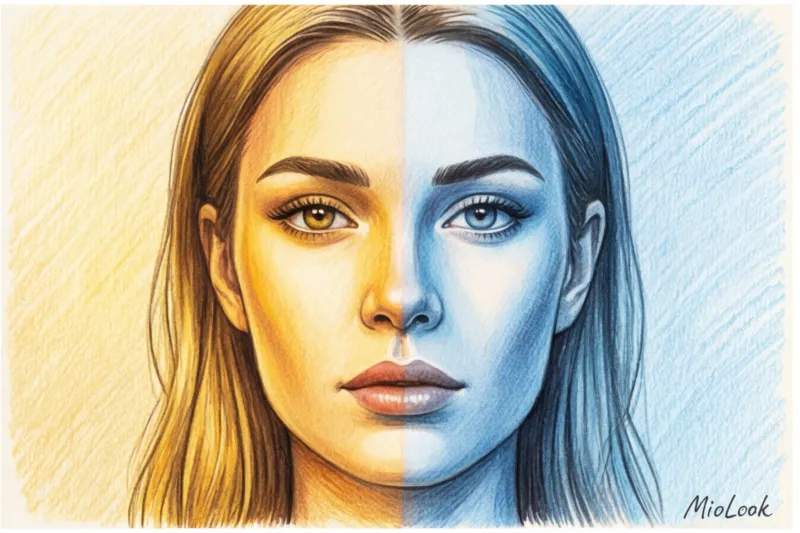
Классические замеры лентой не учитывают самого главного — углов и распределения объема. Нейросеть использует более 100 контрольных точек. Она считывает угол наклона ваших плеч (покатые или прямые), длину торса относительно ног, расположение таза. Две женщины с обхватом бедер 100 см будут выглядеть совершенно по-разному в одних и тех же брюках от COS, если у одной высокое бедро, а у другой низкое. ИИ эту разницу видит.
Ваш идеальный образ начинается здесь
Присоединяйтесь к тысячам пользователей, которые каждый день выглядят безупречно с MioLook. Узнайте свои точные пропорции и цвета.
Открыть доступ — €0,99 разовоБитва на практике: цветотип — нейросеть или стилист?
А теперь давайте перейдем к сухим фактам. Если вы решаете, кто должен определять ваш колорит — машина или человек, сравните два подхода.
Скорость: Сессия с драпировками занимает около двух часов. Нейросеть выдает результат за 2–5 секунд после загрузки правильного фото.
Объективность: Человек подвержен усталости глаз. После 15 минут работы с контрастными тканями цветовосприятие притупляется. Математика HEX-кодов не устает никогда.
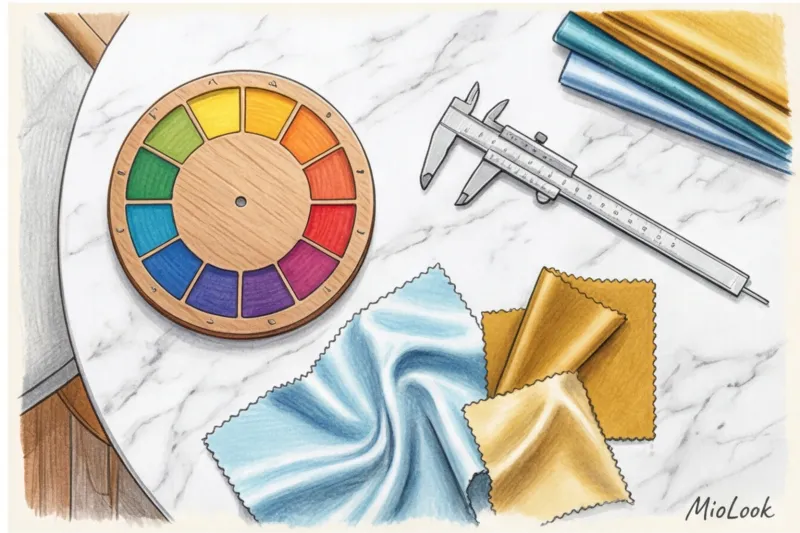
Парадокс современности заключается в том, что вам больше не нужно платить 150–300 € просто за то, чтобы кто-то назвал вас «Мягким Летом». Эту базовую диагностику машина сделает точнее и быстрее.
Многие боятся, что машинный анализ «усредняет» внешность, выдавая шаблонные решения. Это глубокое заблуждение. Шаблоны выдает уставший стилист-новичок. ИИ же генерирует уникальную палитру из миллионов возможных комбинаций RGB, подбирая комплементарные цвета именно под ваш контраст.
В чем искусственный интеллект пока бессилен
Будучи апологетом fashion-tech, я обязана быть честной: есть вещи, с которыми технология не справится. Это и есть та граница, где заканчивается работа алгоритма и начинается искусство стиля.
Нейросеть не знает психологии. Существует понятие «dopamine dressing» (дофаминовый гардероб) — практика выбора одежды для поднятия настроения, популяризированная фэшн-психологом доктором Доун Карен в 2020 году. Иногда вам нужно нарушить все правила цветовой гармонии и надеть неоново-розовый свитер просто потому, что сегодня дождливый ноябрь и вам физически нужен цвет.
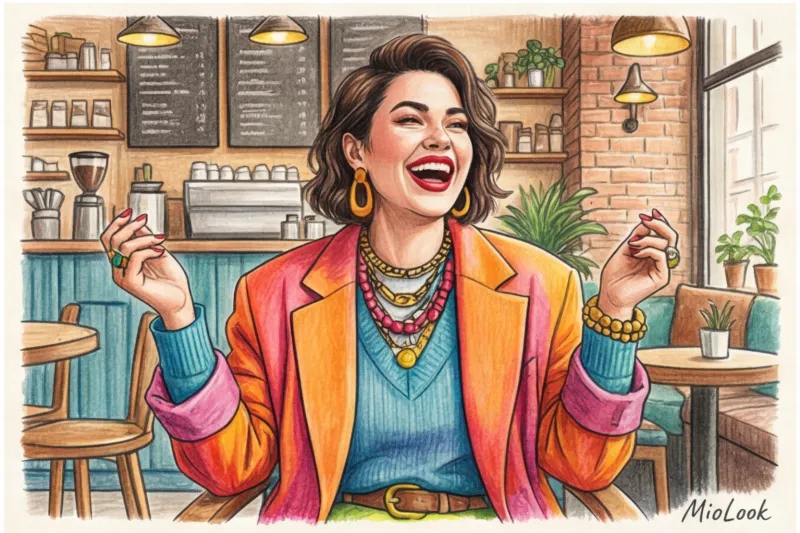
Кроме того, ИИ видит вашу геометрию, но не считывает харизму, контекст и профессию. Алгоритм не в курсе, что вы работаете в IT-компании, где строгий жакет по вашему колориту будет выглядеть неуместно, или что завтра у вас важная презентация, где нужно транслировать жесткость через угловатые формы одежды, даже если ваши плечи покатые.
Готовы начать?
Попробуйте бесплатный план — без обязательств. Оцифруйте свой гардероб и создавайте капсулы за пару кликов.
Открыть доступ — €0,99 разовоИдеальная формула: ИИ как ассистент стилиста
Лучшие профессионалы сегодня не конкурируют с искусственным интеллектом, они делают его своим сверхточным инструментом. Симбиоз технологий и человека — это и есть идеальная формула стиля.
Нейросеть делает рутинную математику: выдает вашу природную палитру, определяет линии фигуры и показывает, какие фасоны физически сядут лучше. А вы (или ваш персональный стилист) берете эту базу и адаптируете ее под свою жизнь. Это переход от вопроса «какие цвета мне идут?» к вопросу «как сочетать эти цвета в моем конкретном гардеробе для моих конкретных целей?».
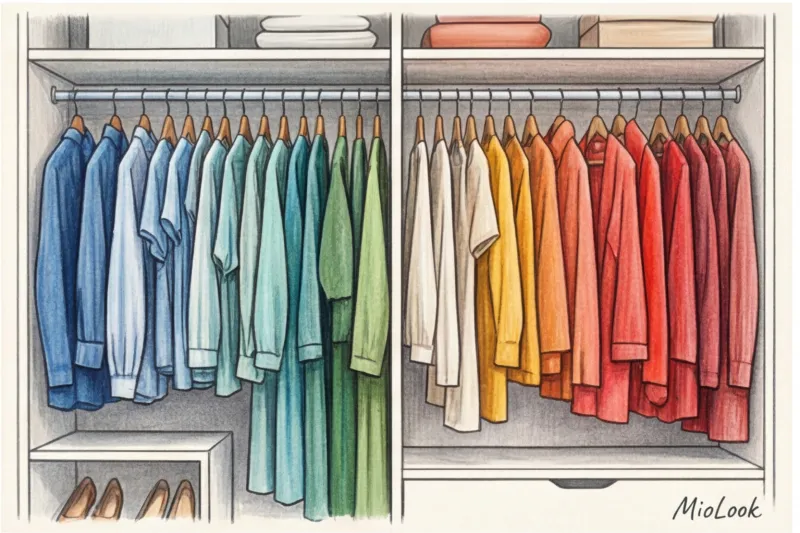
В приложении MioLook вы можете загрузить свои вещи и, опираясь на выверенную ИИ палитру, создавать образы, которые будут не только технически правильными, но и отражать вашу личность. Это освобождает огромное количество энергии по утрам.
Чек-лист: как правильно подготовиться к цифровому анализу внешности
Чтобы ИИ выдал максимально точный результат (с погрешностью менее 1%), ему нужны корректные вводные данные. Мусор на входе — мусор на выходе. За сотни тестов в приложении мы вывели идеальную формулу для фото:
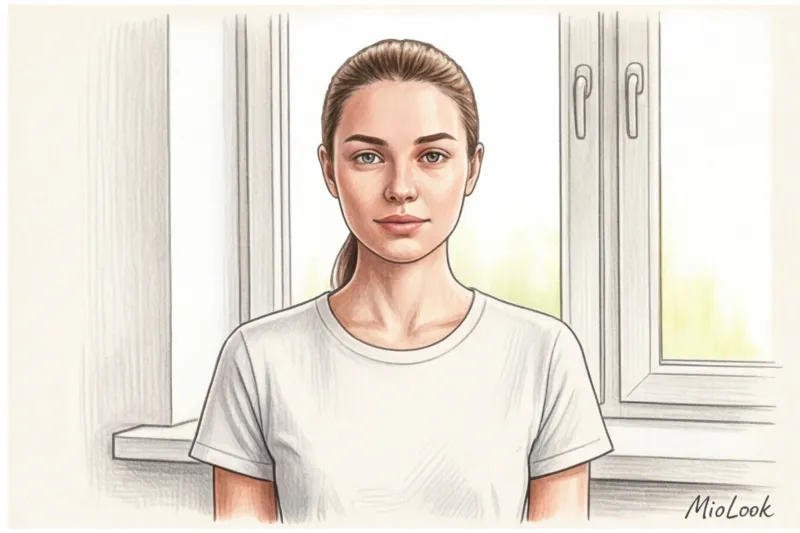
- Правильное освещение: Делайте селфи только днем, стоя лицом прямо к окну. Расстояние до окна — около полуметра. Никаких прямых солнечных лучей (они дадут жесткие тени) — только мягкий рассеянный свет. Выключите люстру и торшеры в комнате.
- Чистый холст: Абсолютно никакого макияжа. Даже прозрачный BB-крем или оттеночный бальзам для губ исказят результат. Волосы необходимо гладко зачесать назад или убрать в хвост, особенно если они окрашены.
- Нейтральная одежда: Наденьте белую, светло-серую или черную футболку, открывающую шею и ключицы. Яркая одежда (например, красный свитер) даст цветовой рефлекс на подбородок, и алгоритм считает вашу кожу более розовой, чем она есть.
Оставьте субъективные оценки и муки выбора в прошлом. Сегодня у нас есть доступ к инструментам, которые раньше стоили сотни евро и требовали часов времени. Узнайте свою математику цвета с помощью технологий, а освободившееся время потратьте на то, чтобы наслаждаться собой и своим отражением в зеркале.