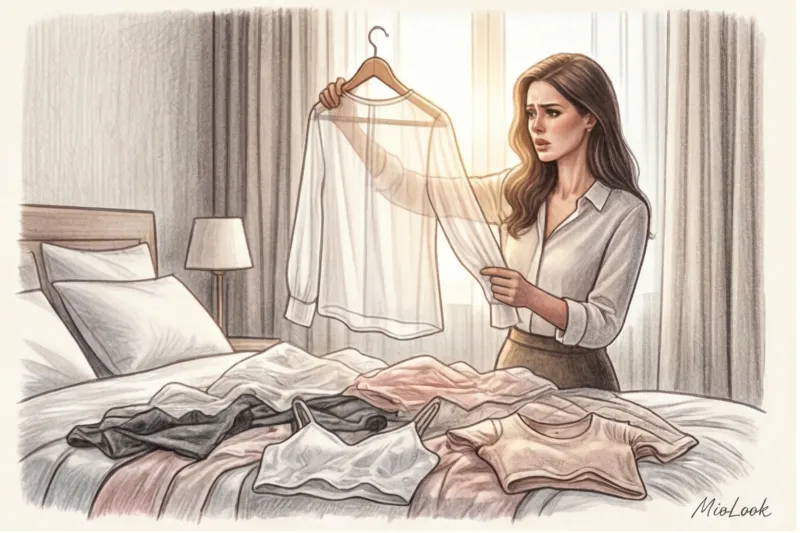
Over 12 years of working as a personal stylist, I've learned one hard and fast rule: finding the perfect "modest" item in a typical mass-market store is more difficult than finding a vintage Chanel bag in pristine condition. Of the 1,000 items on the racks in a typical shopping mall, only about 12-15% actually meet the strict criteria for modest fashion. And it's not just the sleeve length that's at issue.
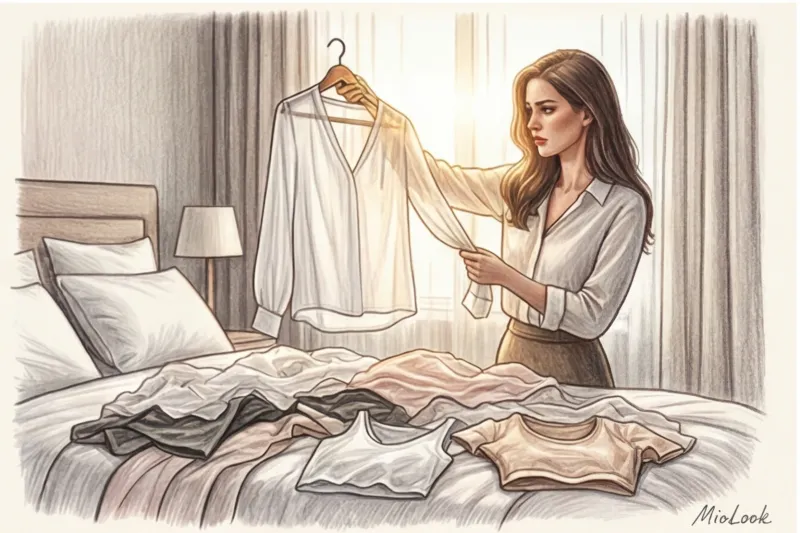
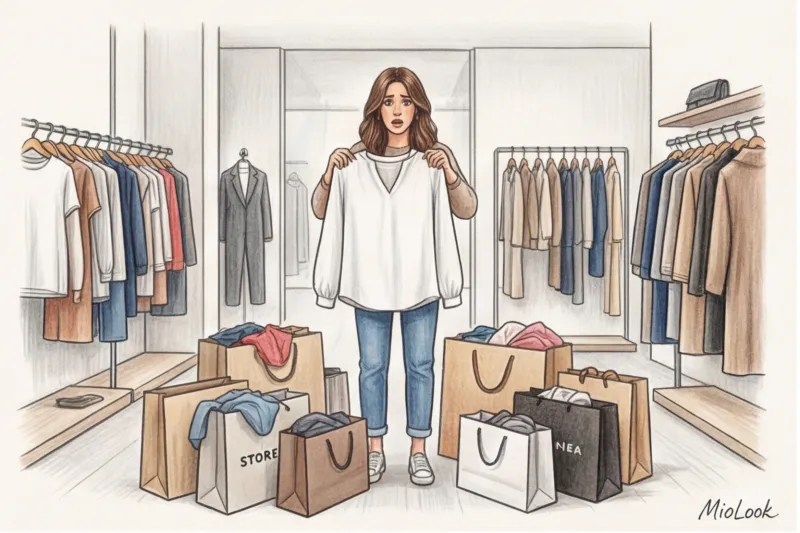
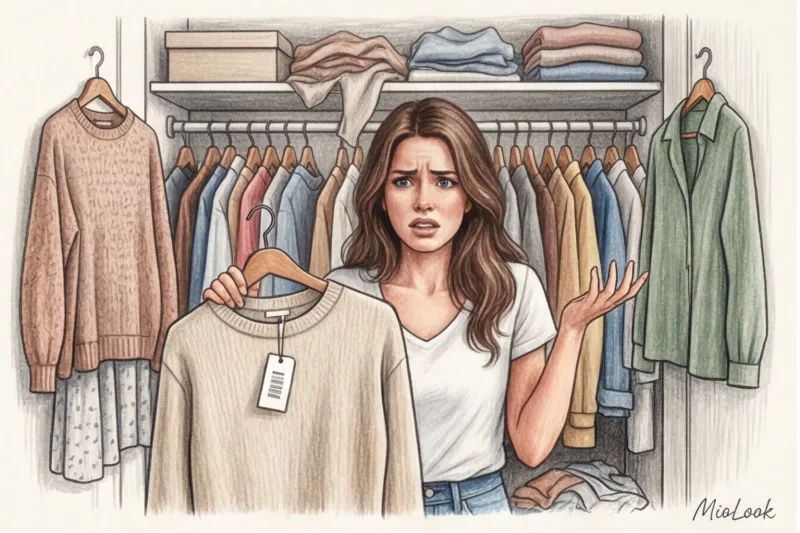
Recently, a lawyer client came to me with a seemingly simple request: a basic white shirt without unnecessary details for a court appearance. Before our meeting, she had ordered seven different styles, ranging in price from €50 to €120. The result? Three were translucent, two pulled tight across the chest with the slightest movement, and the remaining two looked like drab hospital scrubs. This endless cycle of "order-try-on-return" is the main pain point for women choosing modest fashion for the corporate environment.
Today this problem is effectively solved app for choosing closed-toe clothing We have already discussed the basic principles of such algorithms in more detail in our a complete guide to virtual fitting online But in this article, I want to go further and show you the inside story. We'll explore how artificial intelligence translates the abstract concept of "modesty" into rigorous mathematical parameters, and why traditional online shopping filters are hopelessly outdated.
The Illusion of Choice: Why Standard Online Store Filters Don't Work
The biggest mistake most retailers make is a simplistic understanding of clothing that covers up. Go to the website of any popular European brand and check the filters for "maxi" and "long sleeves." What will you see? 90% of the time, you'll see dresses made of fine ribbed knitwear that hug the figure so tightly they feel like a second skin.
For a typical store's algorithm, this is a "covered" item, since there's no exposed skin. But for a woman looking for modest fashion for the office, this is a disaster. Covered clothing isn't just about the absence of bare legs or cleavage. It's a tool for impression management: in business, people should listen to you, not look at the contours of your underwear.
Hidden traps lurk at every turn. You buy a formal midi dress, only to discover a high leg slit when you try it on that only becomes visible when you walk. Or you pick up a thick shirt, only to discover a translucent panel in the back that the catalog photographer carefully concealed with the right angle and lighting.
Try MioLook for free
A smart AI stylist will select the perfect look based on your length, cut, and fit requirements.
Start for freeThe Anatomy of Modesty: How an AI Stylist Scans Clothes
When I manually assemble capsule collections for brands like COS or Massimo Dutti, I analyze the garment's architecture. I look at how the dart is positioned, the armhole line, and the stiffness of the collar. Previously, this skill was reserved for professionals. Today, these same principles of architectural tailoring are used by an algorithm.
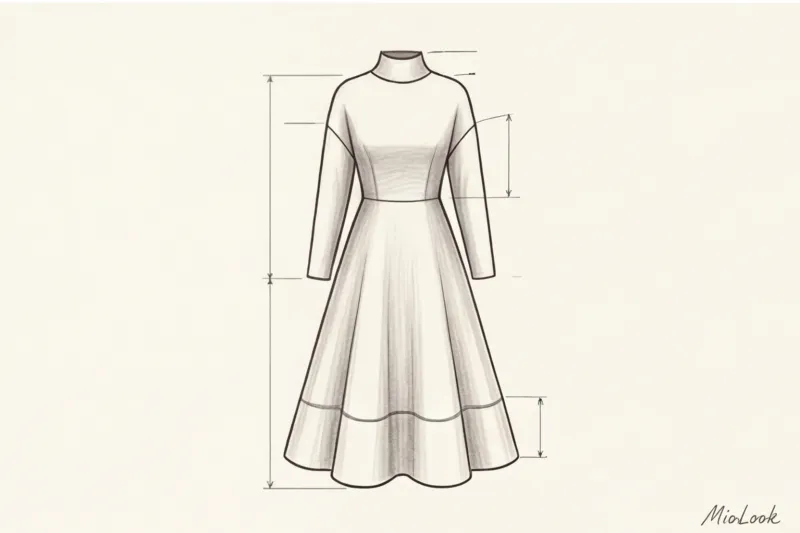
AI doesn't just look at a picture of a dress. It literally parses it into hundreds of tags. Machine learning based on professional patterns allows the neural network to understand:
- Where is the actual shoulder line (is it a classic fit or a relaxed dropped sleeve?)
- What is the depth and width of the neckline in centimeters, taking into account the proportions of the model in the photo?
- Does the item have hidden slits, vents or asymmetrical details?
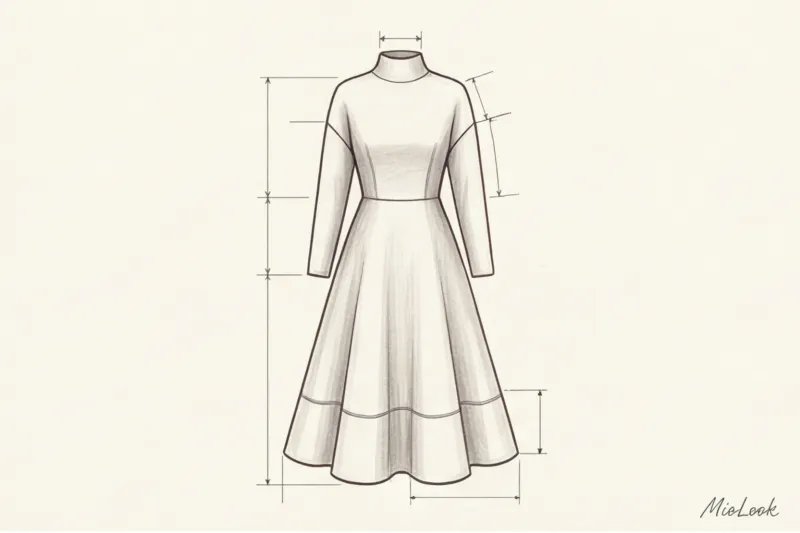
It's important to make a fair disclaimer here: AI is not omnipotent. This does NOT work If you're initially looking for a dense, shape-retaining item in the ultra-fast-fashion segment for €15–20, you're probably looking for something. Technology won't perform miracles and transform loose fabric into premium poplin. AI is needed to find those perfect 10 options among thousands of reasonable options.
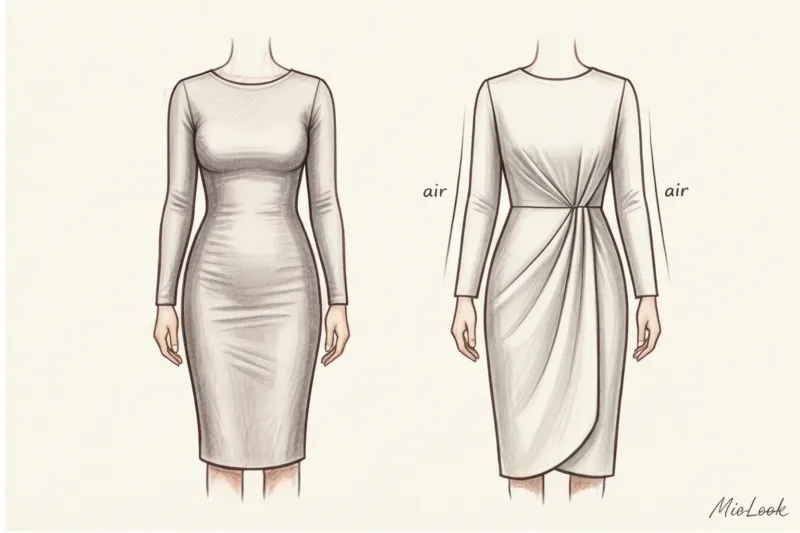
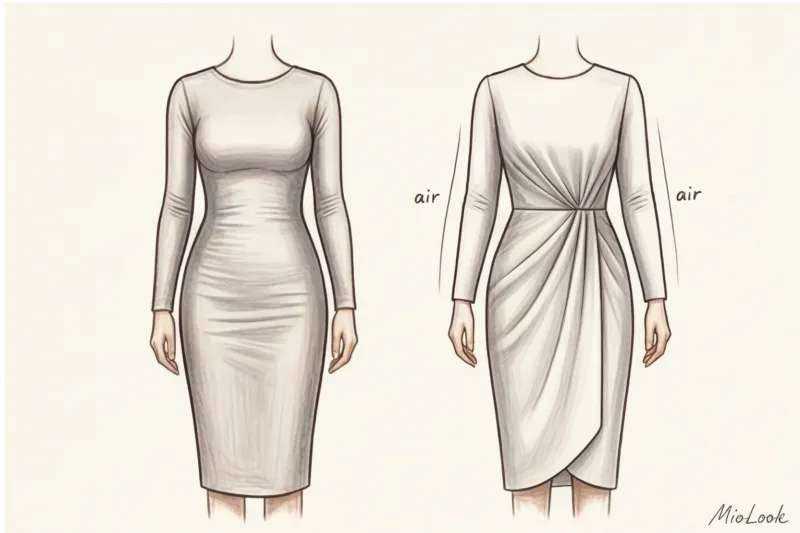
The "Air" Rule: Allowance for a Relaxed Fit
The most counterintuitive insight that often shocks my new clients is that a long, tight dress looks much more provocative than a skirt that falls just below the knee, but in a proper A-line silhouette.
"In modest fashion, the main rule is: there should always be air between the body and the fabric. We don't hide the figure, we package it in the right architectural form."
The app's algorithm calculates the so-called ease allowance. It distinguishes a true architectural oversize (where the shoulders are in place and the volume is built into the cut) from the situation of "I just wore something two sizes too big." A virtual try-on allows you to predict whether the shirt will stretch across your chest so tightly that telltale gaps form between the buttons.
Density Detector: The End of the See-Through Blouse Era
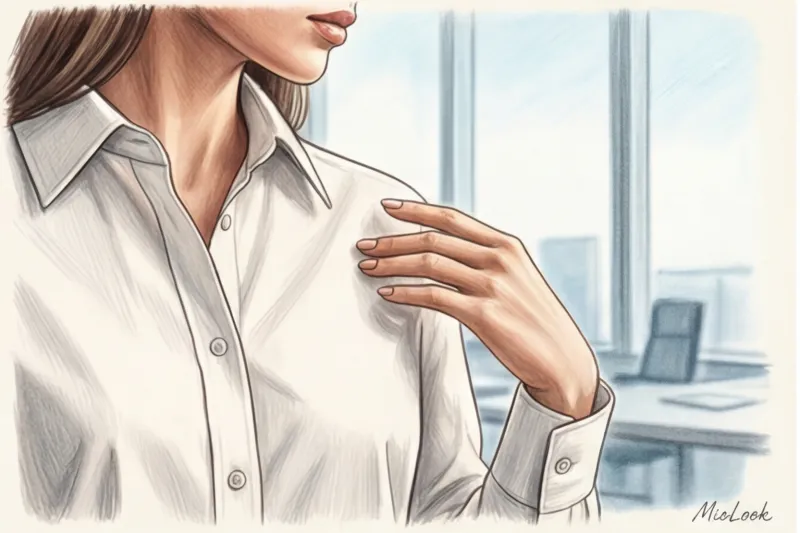
Have you ever noticed how, under the harsh lights of your open-plan office, your favorite white shirt suddenly becomes translucent, revealing the lace of your bra to your colleagues? This is the X-ray effect, caused by the low density of the fabric.
The neural network is trained to recognize textures. It can visually distinguish dense cotton (for example, poplin weighing 180 g/m² or more) from cheap viscose or translucent chiffon. Dense fabric is always a status symbol. It doesn't wrinkle at the first touch, holds its shape, and creates that protective barrier so important in secluded fashion.
Smart Capsule: AI vs. Boring "Base"
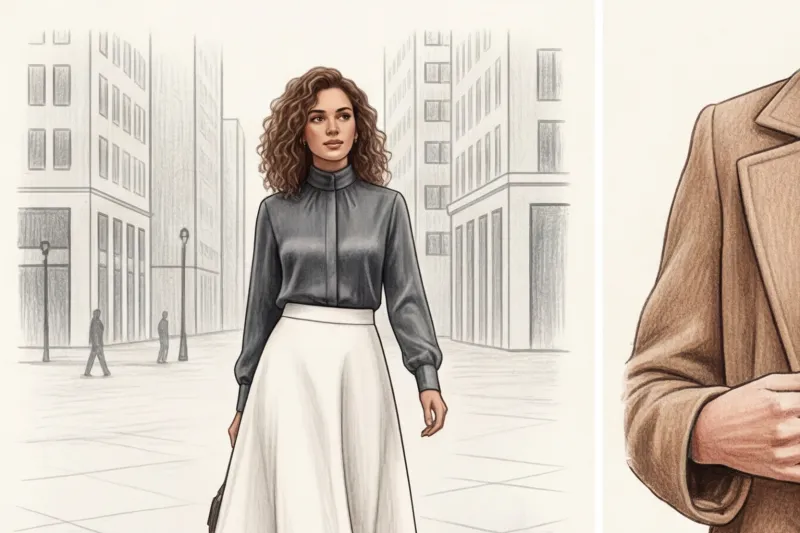
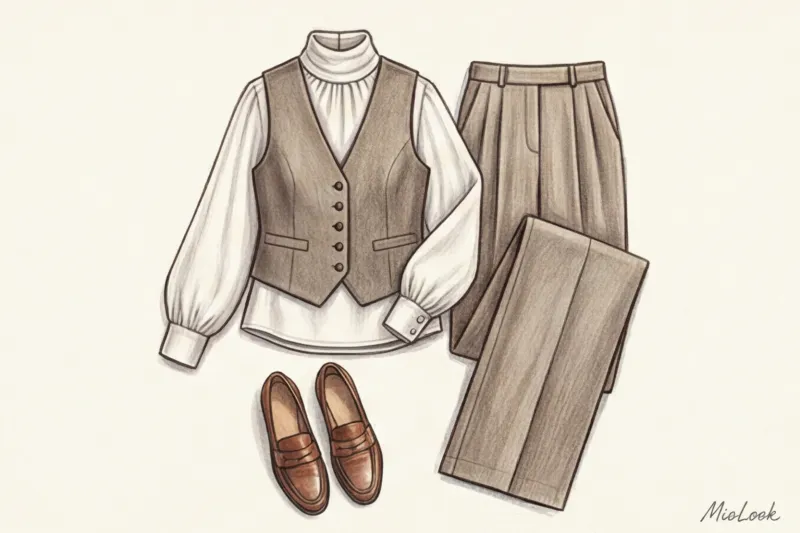
It's time to debunk a popular myth: closed-toe clothing doesn't mean dull, shapeless robes or gray turtlenecks worn under a black blazer. If you build a wardrobe exclusively from basic, "closed-toe" pieces, you risk looking like you're heading to a monastery rather than signing a contract.
My personal stylistic principle: the less exposed the body, the more complex the texture and color should be.
It works great here. image composing function in MioLook The algorithm understands that if we cover our entire body, we need visual interest. It will suggest wearing a structured, thick wool vest over a smooth silk shirt, adding palazzo pants with a crisp crease, and finishing the look with matte, smooth leather shoes. It's a mix of textures that begs to be explored.
Instead of boring black, the AI stylist uses deep shades: chocolate, burgundy, deep emerald, and rich graphite. Monochrome looks in these tones always look expensive and classy, visually elongating the silhouette.
Your perfect look starts here
Join thousands of users who look flawless every day with the help of the smart MioLook algorithm.
Start for freeMy checklist: how to set up an app for a strict dress code
To ensure the app produces not just "okay" but flawless options, it needs to be trained properly. Here's a rigorous step-by-step guide I use with my corporate clients:
- Accurate digitization of parameters. In closed-toe fashion, every centimeter is critical. If you're off by even 2 cm in your bust measurement, the garment could lose that essential "breathing space." Enter your measurements honestly and update them every six months.
- Setting up hard stop lists. Avoid V-necklines below the collarbone, skirts above the knee, and fabrics with more than 5% elastane. Large amounts of elastane in mass-market clothing guarantee a clingy look.
- Filter by architect brands. Prioritize brands renowned for their tailoring right away. In the mid-price range (€80–€150), these include &Other Stories and COS. They tailor their patterns to the specific measurements we need.
- Online multilayer testing. Before you click the "buy" button, try the item in a virtual fitting room. your digital wardrobe in MioLook Try wearing a new shirt under your favorite jacket. If the shirt sleeve is too wide, it simply won't fit through the jacket's armhole.
Investing in comfort: saving time and nerves
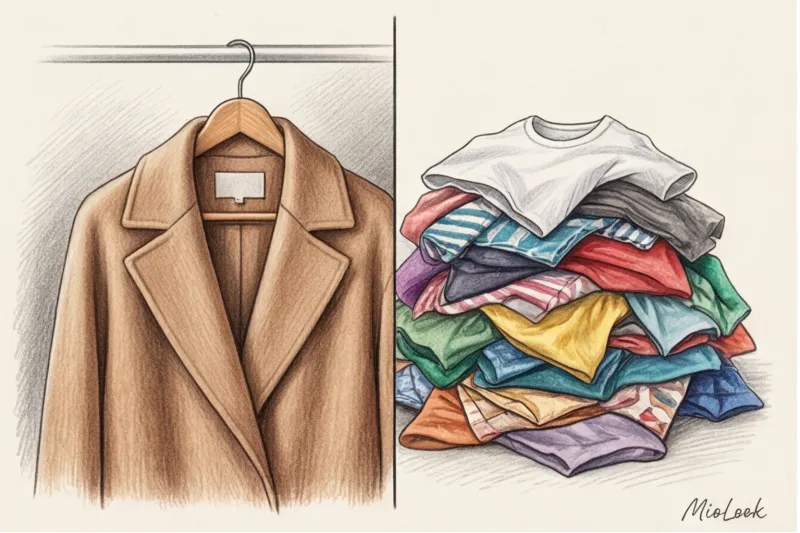
Let's look at the numbers. According to McKinsey's "State of Fashion 2024" report, demand for modest fashion in the corporate segment continues to grow. Meanwhile, online retail statistics are relentless: up to 30% of clothing purchases are returned to stores. In the closed-toe fashion category, this figure is even higher: women return items due to poor fit, unexpected sheerness, and fabric not meeting expectations.
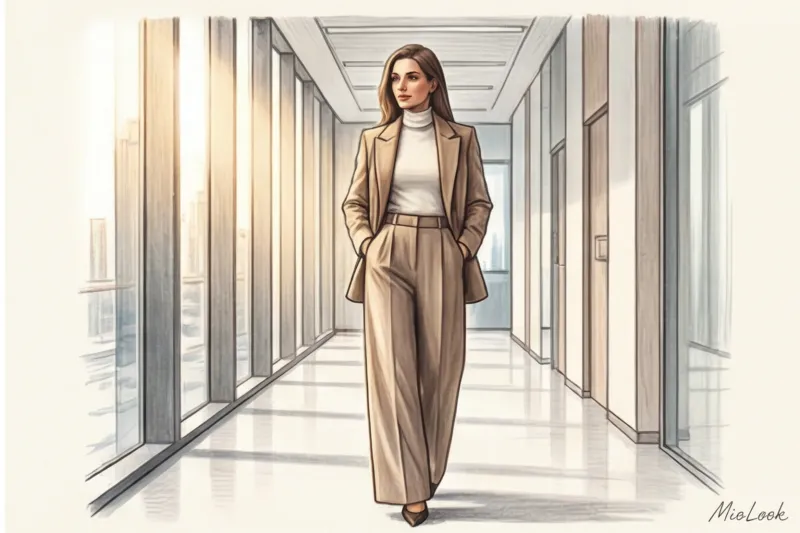
Avoiding "blind" orders saves not only your nerves but also real money on endless shipping. Modest fashion today isn't about restrictions. It's about establishing personal boundaries in the workspace. When your clothes fit perfectly, aren't see-through, and allow you freedom of movement, others' attention naturally shifts to your professional qualities.
Leave the technical selection process to neural networks, and leave the most enjoyable part to yourself—the final choice of that one perfect suit in which you'll conquer new career heights.
Ready to get started?
Try the free plan—no commitments. Create your perfect indoor fashion capsule today.
Start for free