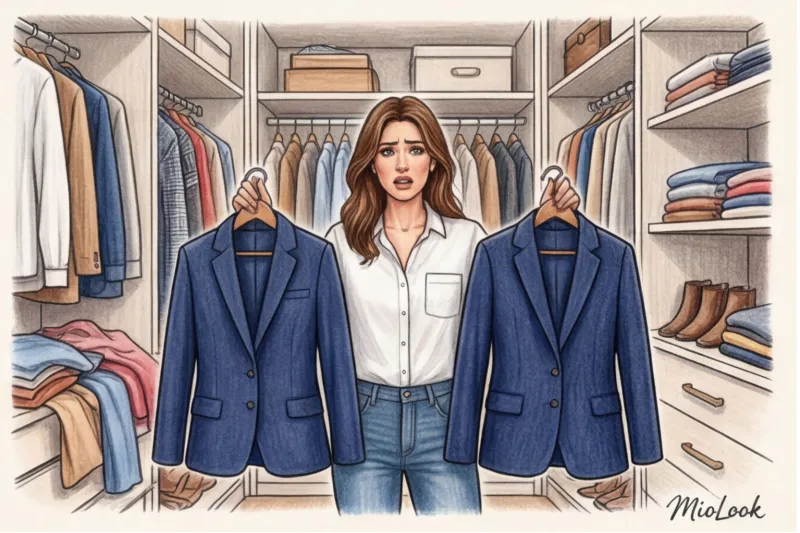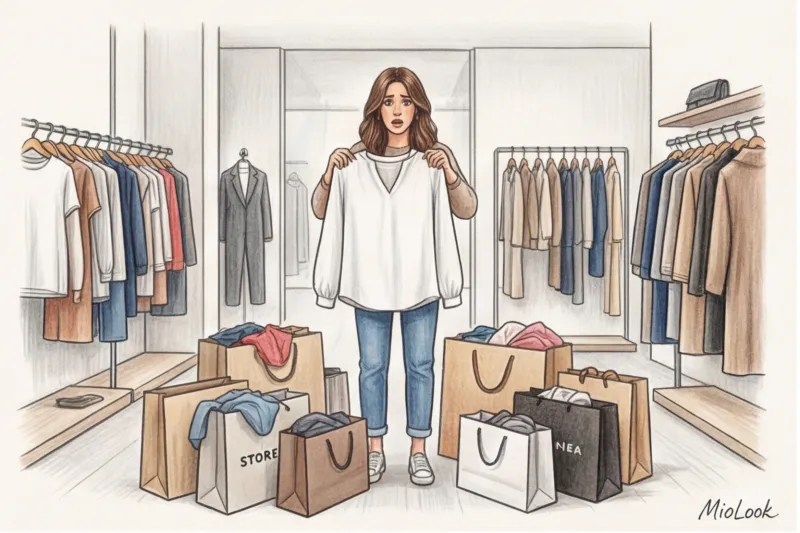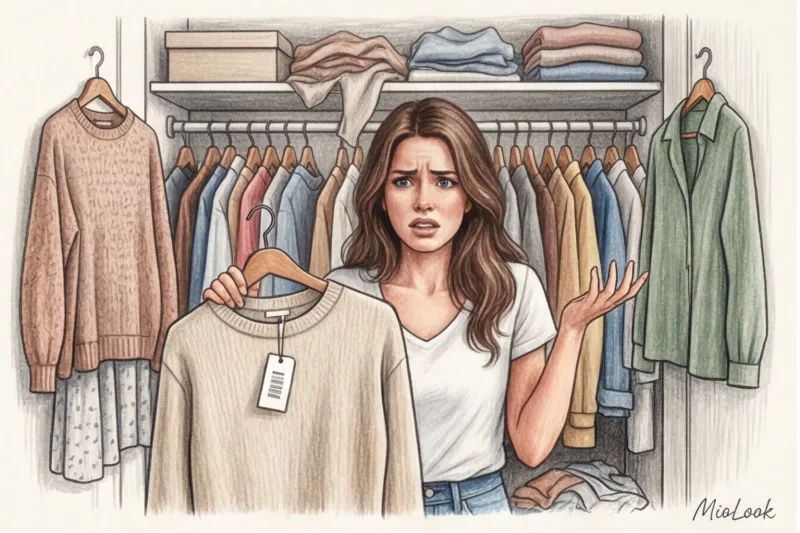
Just last week, my client almost left 120 euros at the checkout at Zara for three thin knit sweaters in different shades. Only one thing stopped her: five minutes before paying, she opened her digital wardrobe on her phone and saw that she already had four similar items, two of which she hadn't worn in over a year. This pause didn't just save her 120 euros that day—it saved her about 1,200 euros over six months. Most articles describe clothing tracking app Simply as a beautiful visual catalog for aesthetically sorting items by color. My approach is radically different: it's your personal, strict, and impartial financial director (CFO) who blocks emotional purchases and ensures that every item earns its price.
We've already covered in more detail why classic Excel expense spreadsheets no longer save you from spontaneous shopping in our The Complete Guide to Budgeting and the Cost Per Wear Rule Today, we'll talk about how to hand over routine tasks to artificial intelligence and turn your phone into a fashion analytics tool.
Why Blind Shopping Costs So Much: The Overstuffed Closet Trap
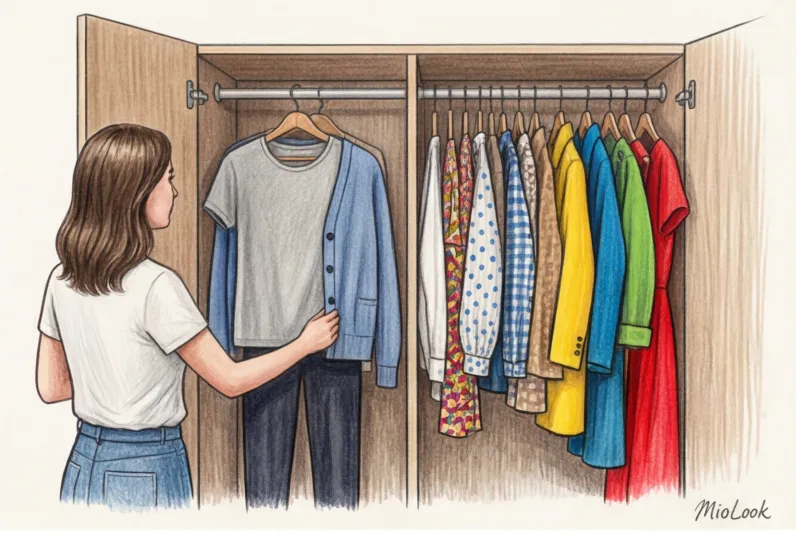
Over 12 years of working as a personal stylist in Europe, I've seen hundreds of wardrobes. Do you know what they all have in common? The illusion of scarcity amid physical abundance. According to a large-scale consumer habits study by WGSN (2023), the average woman regularly wears only 20% of her wardrobe. The remaining 80% is "dead capital," simply taking up space on hangers.
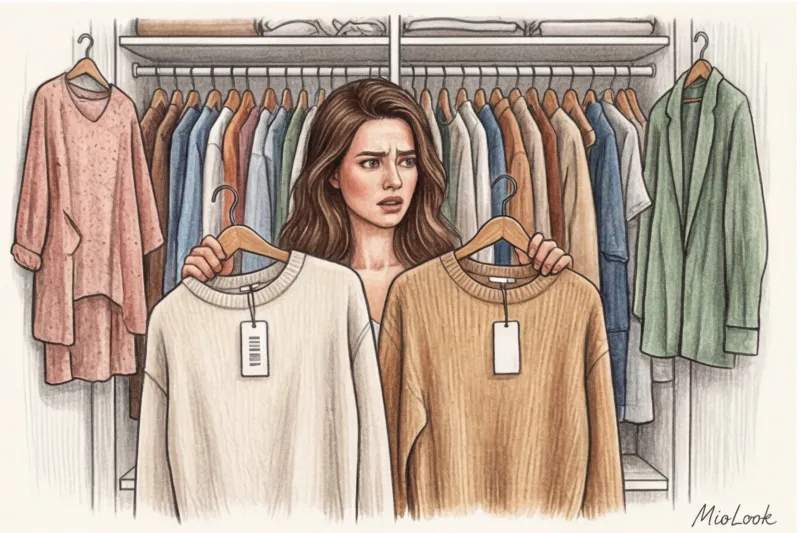
The Pareto principle works flawlessly in our closets. But why do we keep buying? The anatomy of emotional buying is tricky. After a hard day at work, the brain craves a quick hit of dopamine. You walk into H&M or Mango and buy your fifth gray cardigan for €39. It seems like a small thing. But in reality, you don't need a fifth shapeless cardigan, but one well-tailored jacket from Massimo Dutti or COS for €150 that will pull together any outfit. This lack of visibility is the main reason we forget about items with tags on the back shelves and continue to accumulate clones.
Clothing Tracking App: Your Personal Financial Director
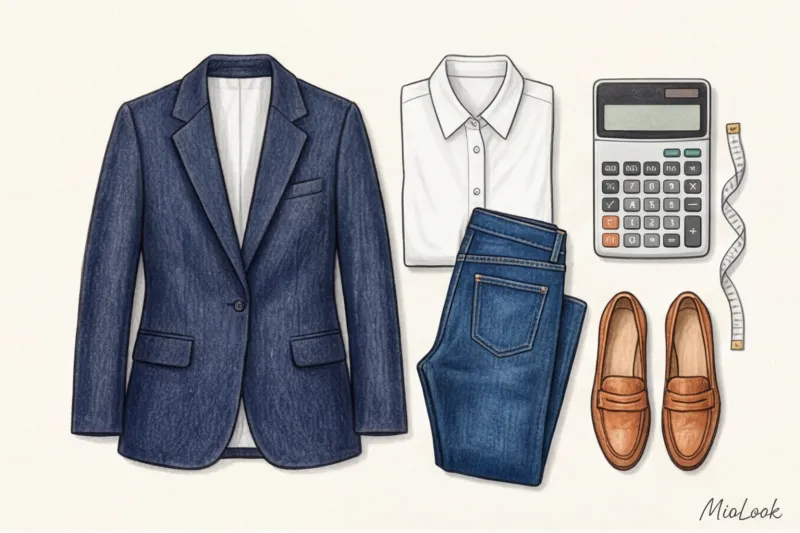
In the modern fashion industry, the concept of conscious consumption has long since transcended eco-activism. It's simple math. As McKinsey notes in its State of Fashion (2024) report, consumers are increasingly making decisions based on cost-per-wear. And a high-quality clothing tracking app is designed precisely to automate this calculation.
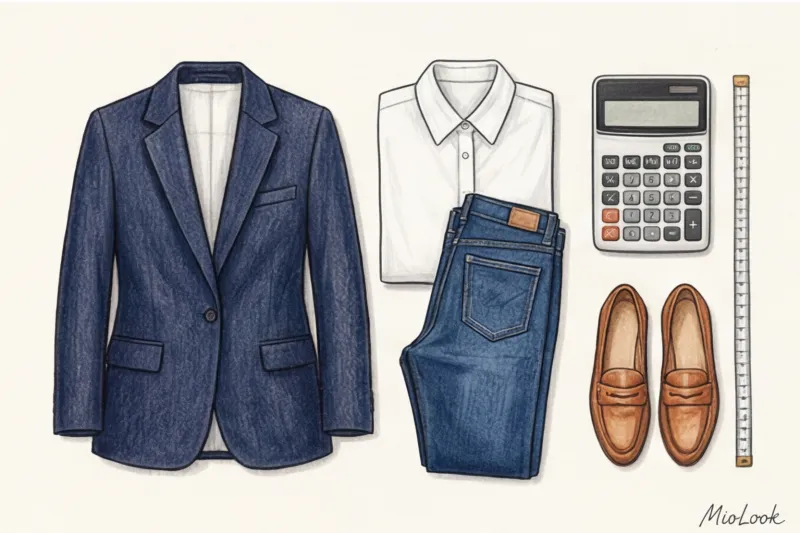
Let's debunk the "cheap" shopping cart illusion. The app's artificial intelligence tracks how often you wear a particular item. Let's say you bought a 100% acrylic sweater for €30. After three washes, it's lost its shape and become covered in pills, and you've only worn it three times. Its Cost Per Wear is €10 per wear. Meanwhile, you wear a basic merino wool pullover for €140 all winter—say, 50 times. Its Cost Per Wear is only €2.80. The AI mercilessly shows you these figures, proving that "cheap" mass-market items cost you three times more than premium staples.
"A database in your pocket is the best antidote to the SALE sign. When you're standing in front of a sale rail, one tap on the screen reveals that you already own four pairs of identical black pants, of which you only wear one. The magic of the sale instantly dissipates."
Your perfect look starts here
Join thousands of users who look flawless every day, control their budget, and save time with MioLook.
Get access — €0.99 onceHow AI is Debunking the Myth of the "Long-Term Digitization"
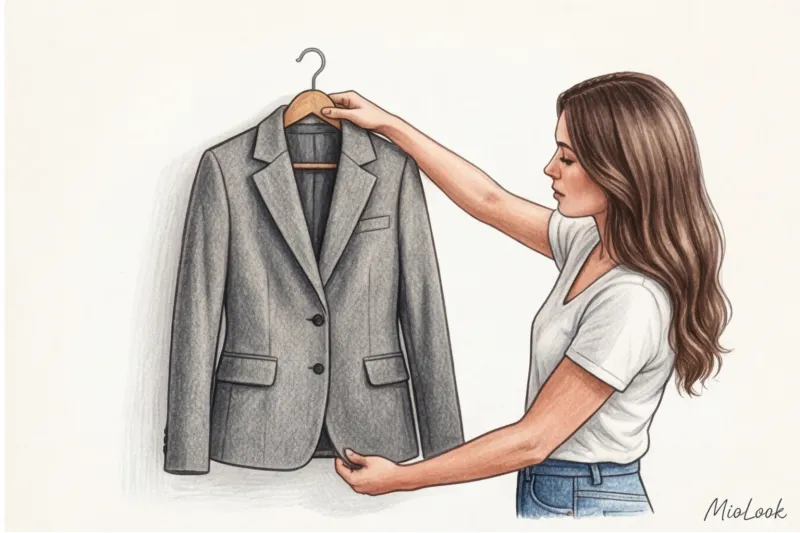
The main counter-intuitive insight I share at every consultation is that not digitizing your wardrobe not only costs you hundreds of euros a year but also wastes hours of morning thinking about what to wear. A common myth is, "I don't have time to photograph it all and enter it into the database."
Five years ago, that was the case. Today, modern algorithms built into MioLook , do this job in 3 seconds. You simply take a photo right on the hanger. The neural network automatically removes the background, identifies the item's category (e.g., "blazer"), recognizes the color, and even suggests seasonality. What's more, the AI stylist generates new combinations from your database, suggesting formulas you never even considered, thereby bringing long-forgotten items back to life.
3 Major Mistakes When Switching to a Smart Wardrobe (and How to Avoid Them)
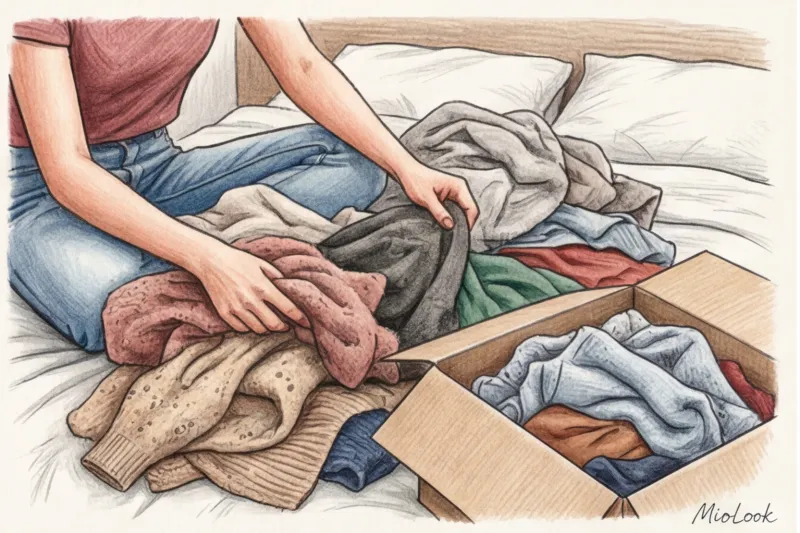
I have an ironclad rule for new clients: until we digitize their closets, we don't buy a single new item. But when working independently, many make common mistakes that negate the app's usefulness.
- Mistake 1: Digitizing everything (including garbage). This is my favorite "limitation" of the method. The app will NOT save your style if you upload stretched-out T-shirts and pilling knits. The AI doesn't detect the wear and tear of an item. If an item has lost its shape, it belongs in the recycling bin, not in a digital capsule. Conduct a thorough physical inspection BEFORE you click the camera button.
- Mistake 2: Ignoring basic parameters (seasonality and fabric). Uploading a photo is only half the battle. Be sure to tag the material's weight. Summer suit wool (super 120s) may look similar to winter flannel in a photo, but in real life, they are not interchangeable. If the AI doesn't know the material, it might suggest you wear a lightweight linen top under a heavy tweed jacket, which would throw off the proportions and texture of the outfit.
- Mistake 3: Creating images “in a vacuum”. Users often start putting together stunning outfits with stiletto heels and silk blouses in the app, forgetting about their real-life lifestyle. If you work at an IT company with a casual dress code, your digital formulas should be built around high-quality jeans, loafers, and structured knitwear, not red-carpet fantasies.
Ready to get started?
Try MioLook's free plan—no commitments required. Upload your first items and let the AI create a weekly capsule for you.
Get access — €0.99 onceSmart Shopping Ecosystem: From Analysis to Targeted Investments
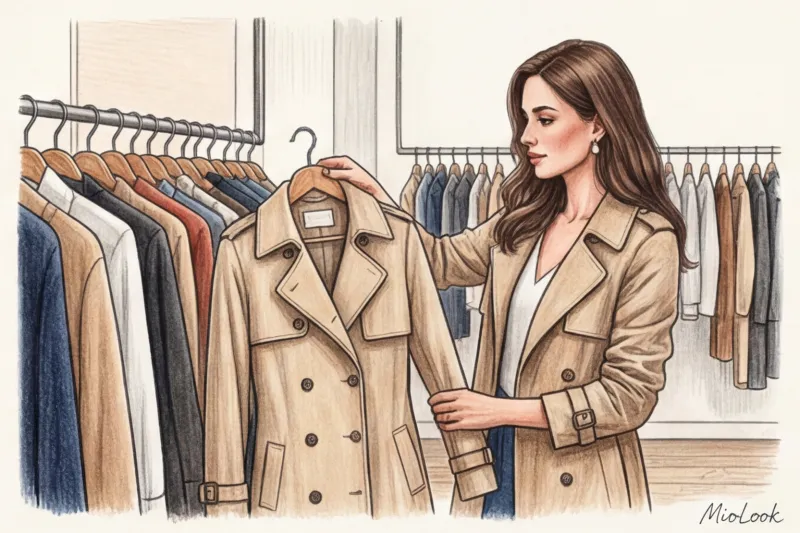
A clothing tracking app reveals its true potential during the shopping planning stage. As you begin recording your daily appearances (wearing virtual outfits), the system accumulates analytics. After a month, you'll clearly see the gaps in your wardrobe.
For example, analytics might show that you own five statement skirts with complex cuts (those emotional purchases), but you've only worn them once because they lack a simple, neutral top made of thick viscose or a basic white shirt in the right cut. Your shopping list is automatically generated and highly targeted: you go to the store not for "something new," but for a specific white shirt.
Integration with visualization tools lets you check out your new item before you check out. You can take a photo of the item in the fitting room, add it to the app, and immediately see if it matches your current pants and shoes in 3-4 outfits. If not, it's returned to the store rack. No compromises.
Checklist: How to Start Digitizing This Weekend
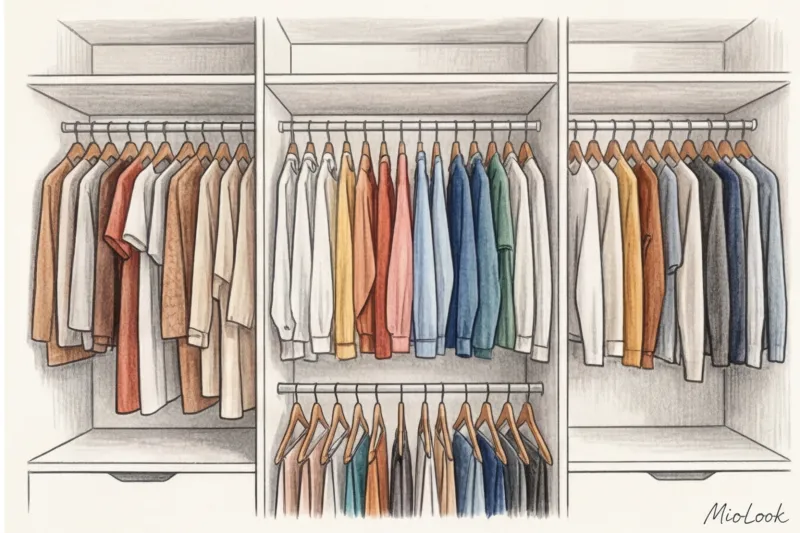
Large-scale digitalization is daunting. To avoid perfectionist paralysis, I've developed micro-steps for my clients that deliver instant results without burnout.
- Step 1: Work only with the current season. Don't bring out your summer sundresses in November. Only bring out the basics, outerwear, and shoes you're wearing right now.
- Step 2: Provide the right background and lighting. Find a solid-color wall or interior door. Photograph items during the day using natural light from a window—this will make it easier for algorithms to accurately identify the fabric's shade (for example, distinguishing navy blue from black).
- Step 3: Start with 15 favorite things. Select your most popular trousers, a pair of jeans, 3-4 basic tops/shirts, 2 jackets, and 3 pairs of shoes. Upload them. This minimum (if the items are compatible) will be enough for the neural network to generate over 30 different outfits.
- Step 4: Track the outputs. For the next week, use the app to record what you wore each evening. Simply train your brain to this micro-habit.
To summarize: stop treating your closet like a money-sucking black hole. Digitization isn't boring bureaucracy; it's taking back control. Your main task this weekend is to download those 15 basic items to your phone. Once you see how many new combinations the algorithm can create from them, you'll lose any desire to go on another pointless weekend shopping spree.