Как ИИ в модных брендах меняет бизнес: от хаоса к устойчивому развитию
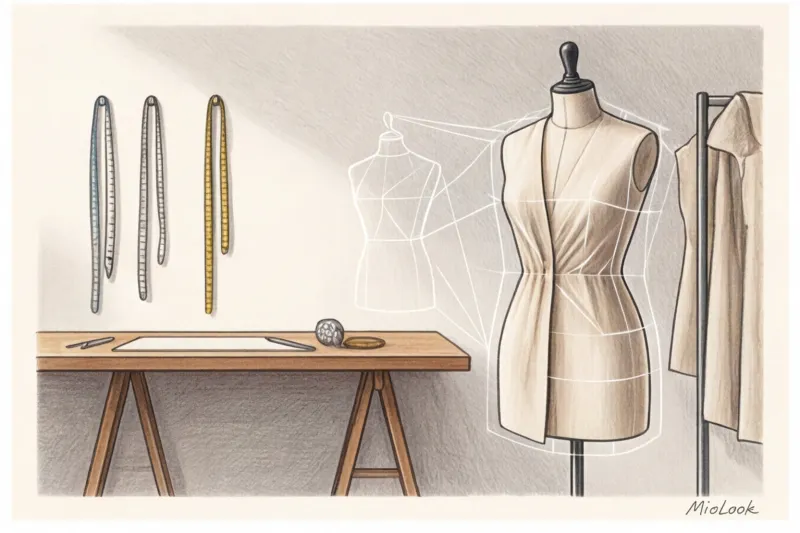
Когда мы слышим фразу «искусственный интеллект в моде», мозг автоматически рисует картинки из киберпанка: голографические платья, цифровая одежда для метавселенных и роботы-кутюрье. Но правда в том, что самая масштабная и прибыльная революция происходит за закрытыми дверями фабрик и складов. Как текстильный эксперт и стилист, я вижу, что ии в модных брендах занимается куда более «скучными», но жизненно важными вещами: он спасает индустрию от перепроизводства и помогает создавать лекала, которые наконец-то садятся по фигуре.
Подробнее о глобальных трендах мы рассказали в нашем полном гиде по внедрению нейросетей в fashion-индустрию. Но сегодня я хочу показать вам изнанку процесса. Задумайтесь: около 30% всей произведенной в мире одежды так никогда и не находит своего покупателя. Это миллионы тонн так называемого дедстока (мертвых остатков), которые отправляются на свалки. По данным отчета McKinsey «State of Fashion 2024», 73% CEO модных брендов сделали инвестиции в генеративный ИИ своим главным приоритетом именно для решения проблемы логистики, а не для создания сумасшедших дизайнов.
Моя задача — научить вас читать между строк. Когда бренд заявляет об использовании технологий, это маркетинговая уловка или реальная забота о качестве? Давайте разберем, как алгоритмы меняют ту одежду, которую мы с вами покупаем и носим каждый день.
Ваш идеальный образ начинается здесь
Присоединяйтесь к тысячам пользователей, которые каждый день выглядят безупречно с MioLook.
Начать бесплатноМасс-маркет: как H&M и Zara используют ИИ для борьбы с перепроизводством
Если вы зайдете в магазин Zara в Берлине и в Мадриде, вы увидите разный ассортимент. Это не случайность и не ручная работа мерчандайзеров. Сегодня масс-маркет гиганты используют компьютерное зрение и предиктивную аналитику, чтобы сканировать миллионы постов в социальных сетях. Алгоритм не просто понимает, что «в моде синий». Он вычисляет, что через три недели в Северной Европе будет востребован конкретный оттенок кобальта в сочетании с плотным трикотажем.
Для логистики (Supply Chain) это означает конец слепого угадывания. Система точно знает, что в берлинский филиал нужно отправить ровно 142 свитера размера M, а не 300, избегая тем самым нераспроданных остатков. Это феноменальный шаг к устойчивому развитию (sustainability). Меньше произвели впустую — меньше выбросили.
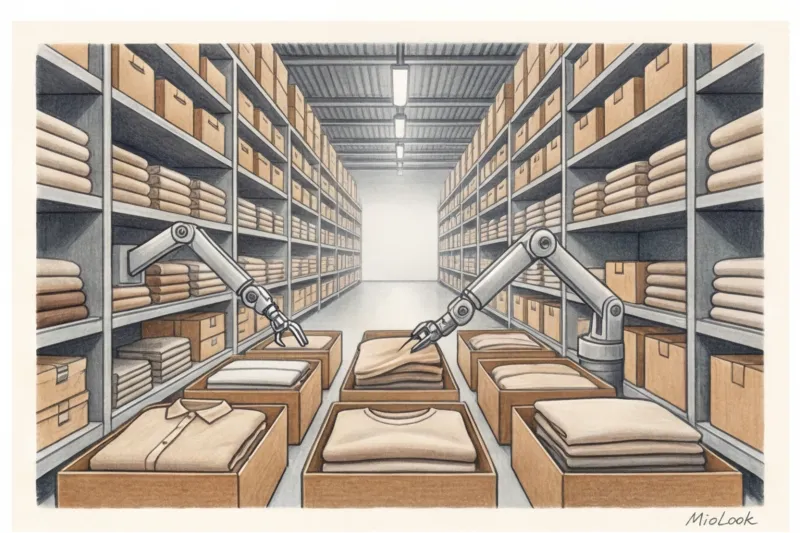
«Главная ценность алгоритмов в масс-маркете — способность превратить хаотичный конвейер в систему точечных поставок. Но ИИ решает проблему количества, а не качества самого волокна».
И здесь кроется мое главное предостережение как стилиста. Да, Zara сошьет ровно столько жакетов за 60 €, сколько купит аудитория. Но алгоритм не сделает полиэстер дышащим, а акрил — долговечным. Нейросеть предсказывает спрос, но ответственность за чтение бирок с составом всё ещё лежит на нас. Если бренд хвалится умным прогнозированием, проверьте, улучшилась ли при этом плотность ткани — ищите базовый хлопок от 180 г/м² или смесовую вискозу.
Люкс и премиум-сегмент: Gucci, Burberry и защита аутентичности
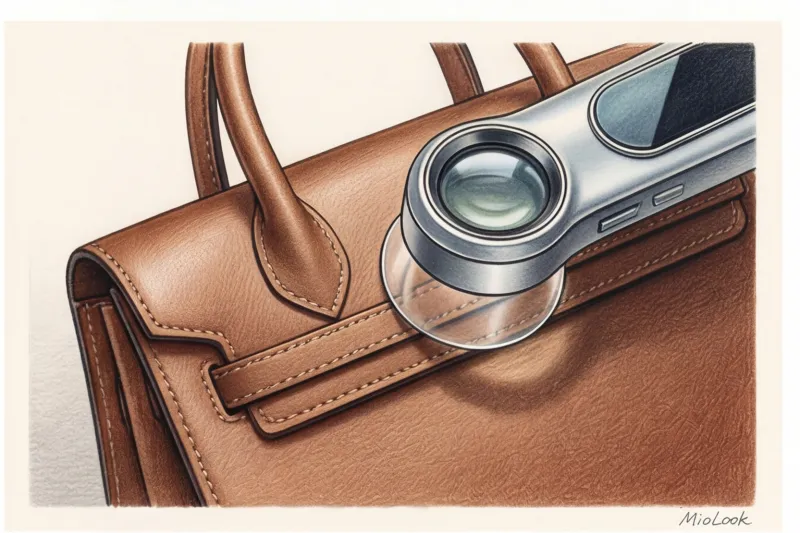
В сегменте тяжелого люкса, где стоимость сумки начинается от 2000 €, ставки совершенно другие. Здесь ИИ выступает в роли детектива и ювелира. Главная боль премиум-рынка — это высококлассные подделки (так называемые «суперфейки»). Бренды внедряют технологии вроде Entrupy — это система микроскопического анализа, которая с помощью ИИ изучает текстуру кожи, натяжение нити в швах и микроцарапины на фурнитуре, выдавая вердикт о подлинности с точностью 99%.
На самом производстве алгоритмы творят чудеса экономии. Раскрой дорогих тканей, таких как шелк плотностью 19 момме или кашемир, теперь доверяют лазерам под управлением ИИ. Программа раскладывает лекала на полотне так, чтобы количество обрезков стремилось к нулю. Но есть одно «но».
За 12 лет работы с премиальными гардеробами я убедилась: ни один сканер в мире пока не способен оценить тактильную мягкость нити. Мои пальцы мгновенно чувствуют разницу между длинноволокнистым монгольским кашемиром и коротким жестким пухом, который покроется катышками через месяц. ИИ может идеально раскроить ткань, но сырье всё еще должен отбирать человек.
ИИ и ценообразование: почему вещи стоят именно столько?
Замечали, как цены в онлайн-бутиках могут неуловимо меняться? Это динамическое ценообразование. Алгоритмы анализируют спрос, погоду, ваши предыдущие покупки и даже цены конкурентов, чтобы вычислить идеальный момент для скидки. Бренд сохраняет свою маржинальность, избегая тотальных распродаж, которые вредят его статусу. Если вы планируете инвестировать в качественный гардероб, добавляйте вещи в «избранное» — системы часто триггерят персональные промокоды именно на отложенные товары.
Идеальная посадка: нейросети на службе у Levi’s и Nike
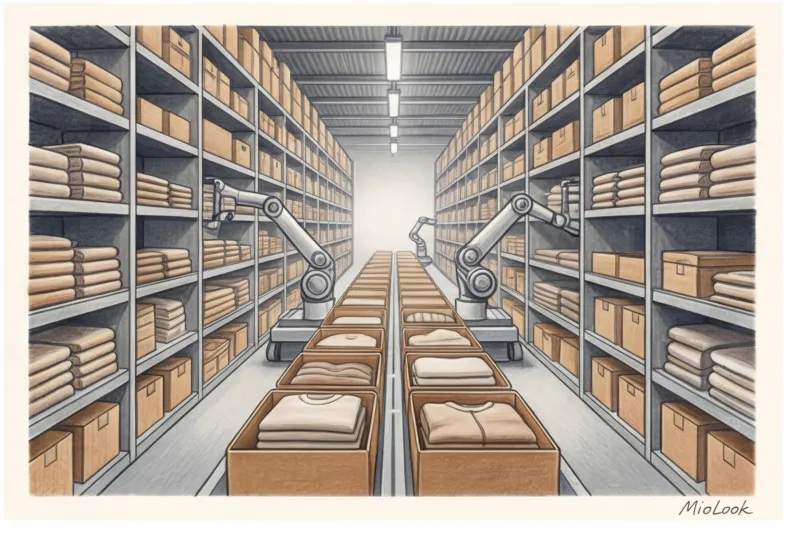
По статистике, около 40% одежды, купленной онлайн, отправляется обратно. И главная причина — плохая посадка. Если вы когда-нибудь заказывали джинсы своего привычного размера, а они не сходились на талии на пять сантиметров, вы понимаете, о чем речь. Возврат одежды в интернет магазине — это колоссальные убытки для бизнеса и углеродный след от лишней доставки.
Чтобы решить эту проблему, такие бренды как Levi's начали внедрять ИИ-генерацию моделей с разными типами фигур. Вместо того чтобы снимать каждую пару джинсов за 100 € на десятках разных моделей (что физически и финансово невозможно), алгоритм накладывает 3D-модель изделия на аватары реальных женщин: от petite до plus-size.
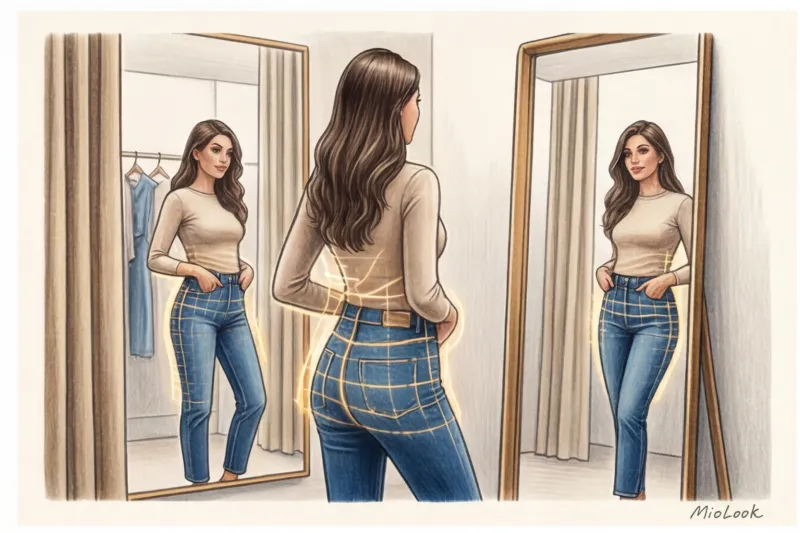
Одна из моих клиенток онлайн-сопровождения, назовем ее Анна, обладательница ярко выраженной фигуры «груша» (узкая талия, объемные бедра). Годами заказ брюк был для нее лотереей. Когда мы начали использовать встроенные виджеты виртуальной примерочной (где алгоритм анализирует замеры и прошлые удачные покупки), процент ее личных возвратов упал практически до нуля. Если вам интересно, как алгоритмы помогают собирать образы из уже купленных идеально сидящих вещей, попробуйте MioLook — умный гардероб анализирует ваши вещи и предлагает готовые сочетания.
Попробуйте MioLook бесплатно
Умный AI-стилист подберёт идеальный образ на каждый день из ваших собственных вещей.
Начать бесплатноЭкологичный текстиль: совместный проект Stella McCartney и Google Cloud
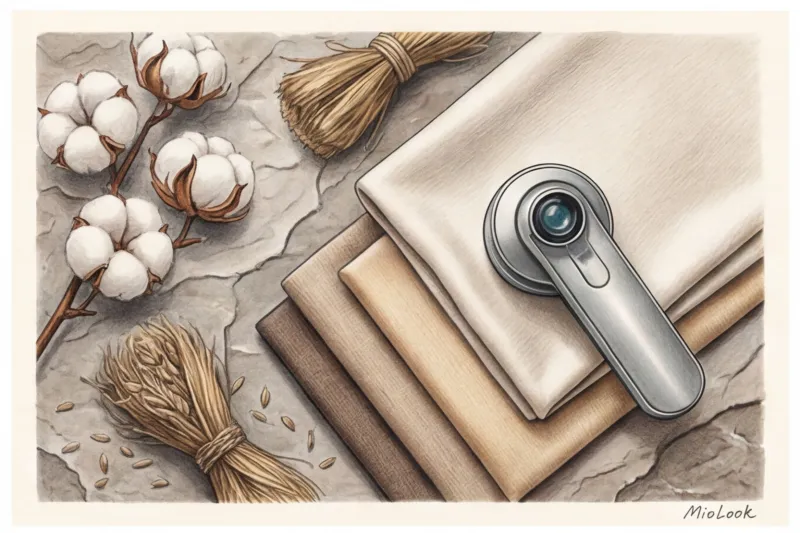
Устойчивое развитие — это не просто сумки из переработанного пластика. Это прозрачность. Бренд Stella McCartney, пионер этичной моды, в партнерстве с Google Cloud создал платформу на базе ИИ, которая анализирует воздействие производства на окружающую среду. Алгоритмы обрабатывают спутниковые снимки и данные о цепочках поставок, чтобы отследить путь хлопка от поля в Индии до вешалки в лондонском бутике.
Согласно исследованиям Ellen MacArthur Foundation, переход к экономике замкнутого цикла невозможен без точных данных о составе. Как технолог, я всегда говорю: вы не можете создать идеальный долговечный гардероб, если не знаете, из чего он состоит. ИИ помогает брендам контролировать фермеров — не использовали ли они запрещенные пестициды, сколько воды ушло на полив. Для нас, потребителей, это гарантия того, что футболка за 50 € из органического хлопка действительно является органической и не вызовет аллергии.
Обратная сторона инноваций: когда алгоритмы вредят стилю
Было бы нечестно говорить только о плюсах. Есть сценарии, где ИИ откровенно убивает портновское искусство и экологию. Ярчайший пример — ультра-фаст-фэшн гиганты вроде Shein. Они используют нейросети для генерации до 10 000 новых моделей в день. Алгоритм видит микротренд в TikTok (например, топ определенного кроя), мгновенно создает лекало и отправляет на фабрику. Это апофеоз одноразовой моды, состоящей из дешевого скрипучего полиэстера.
Более того, существует серьезная технологическая проблема. ИИ часто кроит математически идеально, но абсолютно бездушно. Натуральные ткани (шерсть, лен, натуральный шелк) имеют свою пластичность. Человеческий закройщик понимает, как ткань ложится по косой (bias cut), как она будет вытягиваться в процессе носки. Алгоритмический крой ультра-фаст-фэшна игнорирует эти нюансы. В результате мы получаем платье, которое визуально выглядит как на картинке, но в жизни перекручивается по швам после первой стирки при 30 градусах.
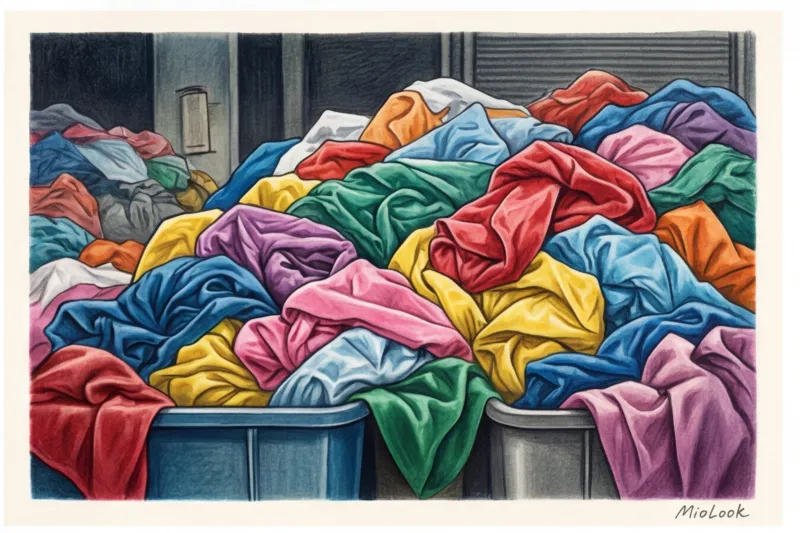
Также я вижу опасность в формировании «усредненного» стиля. Рекомендательные системы маркетплейсов работают в эхо-камере: если вы купили серый свитер, ИИ будет предлагать вам сотни других серых свитеров. Это лишает нас насмотренности и визуального риска, превращая гардеробы тысяч женщин в клонированные наборы.
Чек-лист для бизнеса: какие ИИ-решения брендов говорят об их качестве?
Как потребителю понять, что перед ним действительно технологичный и ответственный бренд, а не просто громкий пресс-релиз? Вот как я советую оценивать марки при выборе одежды для статусного гардероба (например, стиля бизнес-кэжуал):
- Ищите прозрачность, а не картинки. Если бренд хвастается ИИ-кампаниями с виртуальными моделями — это чистый маркетинг, он не улучшает вещь. Если бренд заявляет об ИИ-контроле качества швов или отслеживании происхождения льна — это инвестиция в продукт.
- Тестируйте рекомендательные виджеты. Внедрена ли на сайте виртуальная примерочная, которая запрашивает параметры вашего тела и рост, а не просто стандартный размер? Если да, бренд заботится о снижении возвратов.
- Оценивайте стабильность посадки. Если вы покупаете брюки бренда N из года в год, и размер M всегда сидит одинаково — значит, у них настроена идеальная алгоритмическая работа с лекалами.
Готовы начать?
Попробуйте бесплатный план MioLook — без обязательств. Загрузите свои вещи и получите умные рекомендации сочетаний.
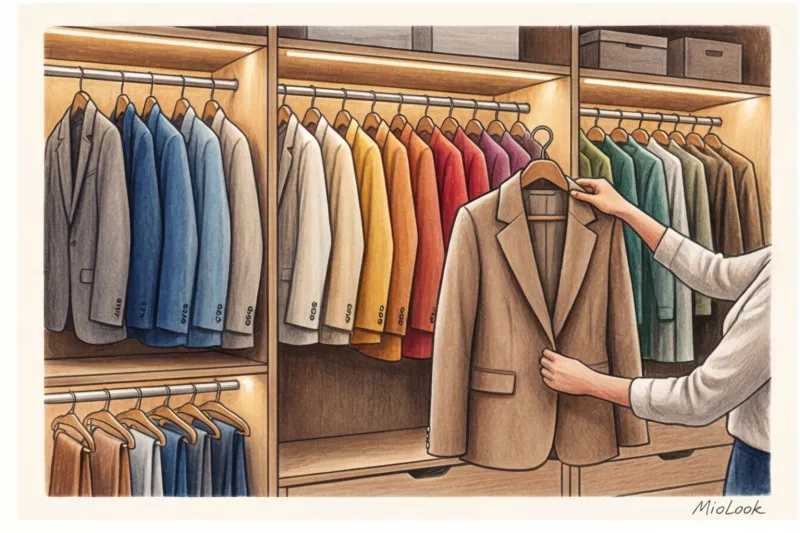
Начать бесплатноВнедрение нейросетей в производство одежды — это не про роботов на подиуме. Это про уважение к ресурсам планеты и к нашему времени. В следующий раз, надевая идеально сидящий жакет, вспомните: возможно, его точные пропорции и идеальное прилегание воротника — это результат работы не только талантливого дизайнера, но и сложнейшей математической модели, которая просчитала каждое ваше движение.