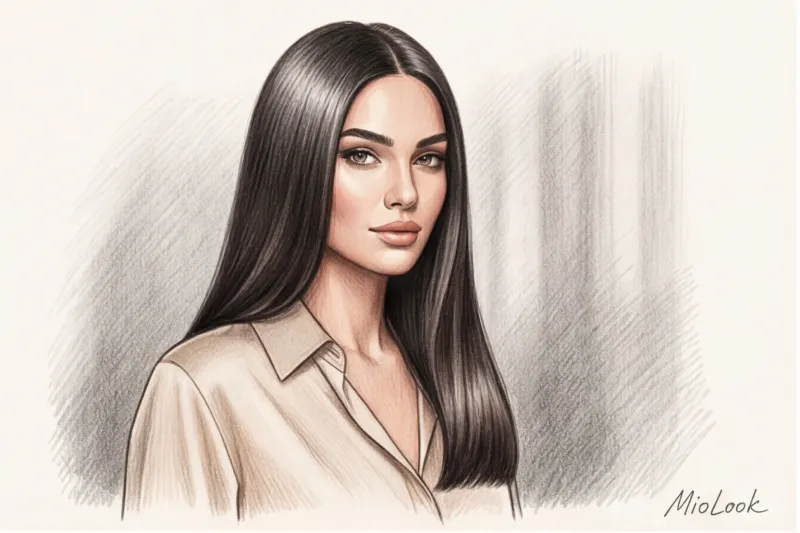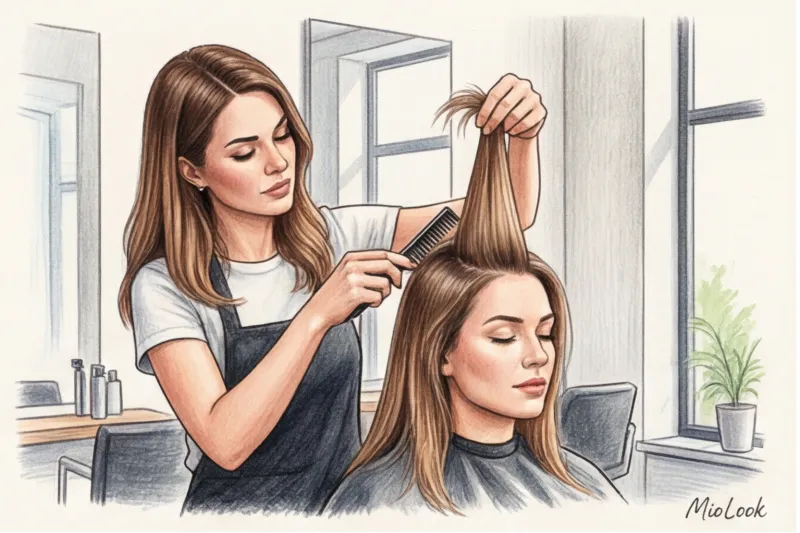
Каждый сезон после Недель моды в Париже ко мне подходят десятки девушек с одним и тем же вопросом: «Как модели off-duty добиваются этой идеальной, живой небрежности на волосах? Они встают на два часа раньше ради укладки?». Спойлер: нет. Большинство из них не прикасаются к плойкам или круглым щеткам в обычной жизни. Их секрет кроется не в стайлинге, а в геометрии. Умная стрижка не требующая укладки — это не миф из глянца, а математически выверенная парикмахерская архитектура.
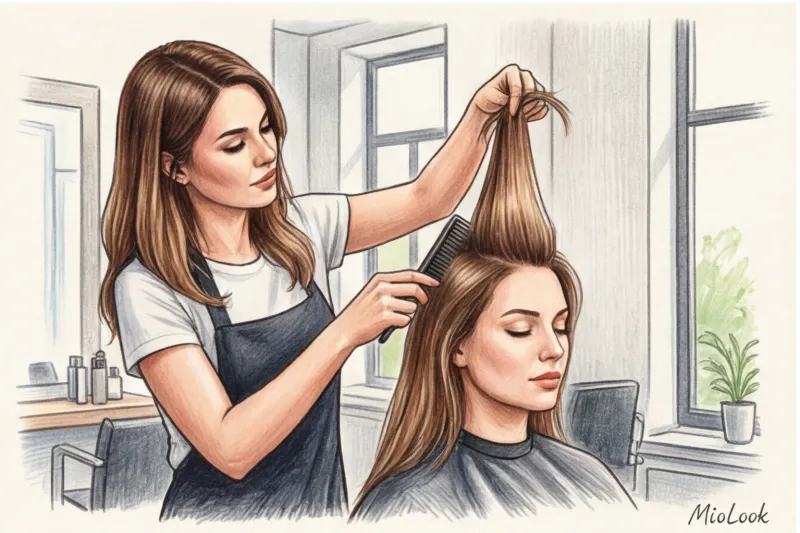
По статистике, отказ от ежедневной горячей укладки экономит в среднем 240 часов в год. Только вдумайтесь: это десять полных суток, которые вы проводили с феном в руках. Более того, при переходе на архитектурную форму, термическое повреждение структуры волоса снижается на 70%. Подробнее об анатомии таких решений мы рассказывали в нашем полном гиде по умным стрижкам по структуре волос, а сегодня разберем практическую сторону вопроса: почему ваш мастер должен резать волосы, опираясь на их физику, а не на картинку из Pinterest.
Анатомия «умной стрижки»: почему дело не в названии фасона
Когда мы говорим об «умной стрижке», многие сразу представляют конкретный фасон — боб, пикси или каре. Это фундаментальная ошибка. Любая форма может стать умной, если она создана по законам распределения веса (weight distribution). Этот принцип еще в 1960-х годах внедрил легендарный Видал Сассун со своей революционной философией Wash and Go («Вымыл и пошел»). Он первым доказал: если срез учитывает костную структуру черепа и угол роста волоса, прическа будет держать форму даже после сушки на ветру.
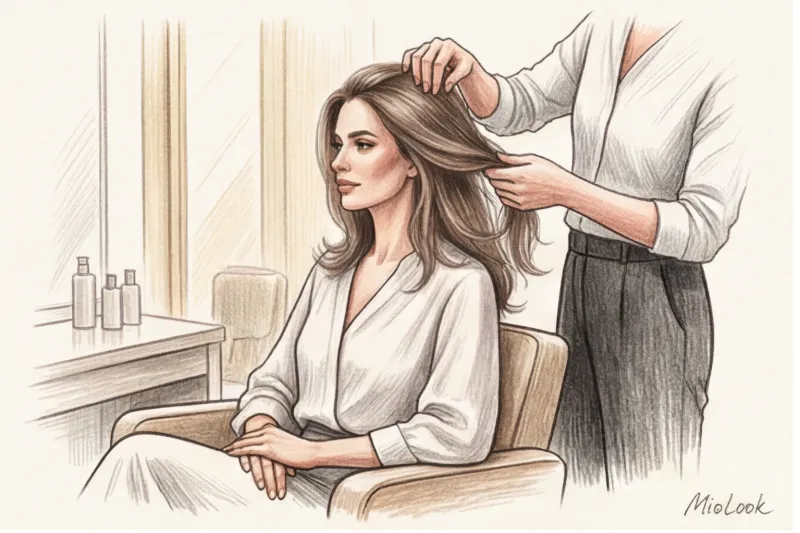
За 12 лет работы стилистом я усвоила золотое правило: грамотный мастер никогда не отправит вас сразу в мойку. Сначала он изучает краевую линию роста волос, ищет скрытые вихоры и смотрит на естественный распад прядей на сухую. Волосы — это живая материя с собственной памятью. Если пытаться переломить их природу, заставляя вихор лежать в противоположную сторону, вы обрекаете себя на вечную борьбу по утрам. И в этой борьбе победит вихор, как только вы попадете под малейшую морось.
Как структура волоса диктует форму: гид по текстурам
Главный закон парикмахерского минимализма — не перекраивать природу, а использовать ее сильные стороны. Адаптация одной и той же длины под разные типы волос требует кардинально разных техник среза.
Для тонких и прямых: архитектура плотного среза
Самое страшное преступление против тонких волос — филировочные ножницы. К сожалению, многие мастера по привычке начинают «облегчать концы», чтобы добавить текстуры. В итоге вы получаете эффект прозрачных, редких прядей, которые висят сосульками уже к обеду.
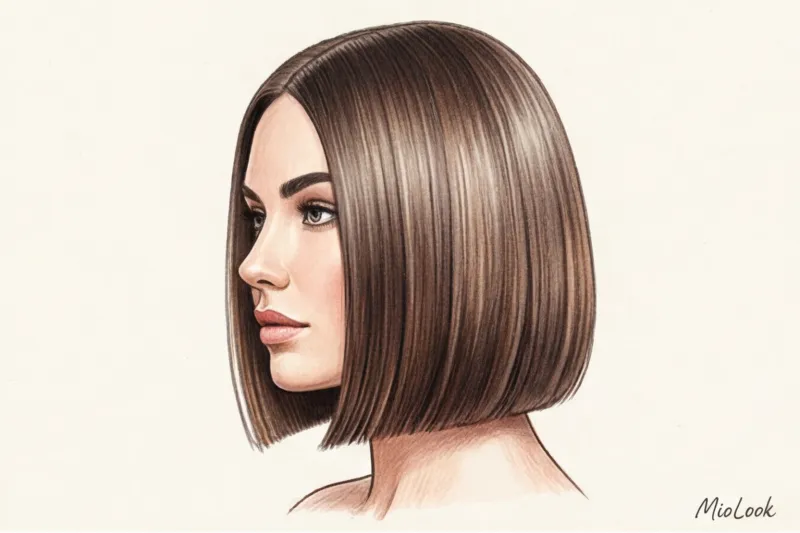
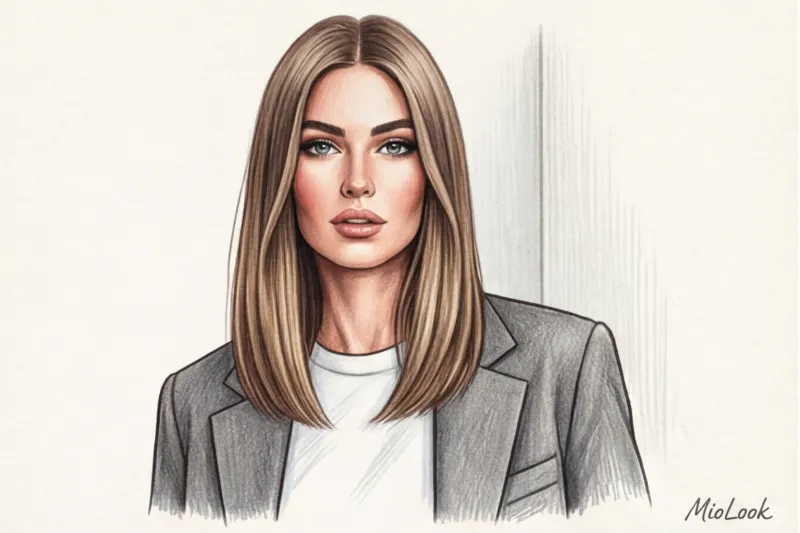
Здесь работает физика: тупой геометричный срез (blunt cut) создает иллюзию густоты и массы. Линия должна быть выверена до миллиметра, словно отрезана лазером. Всю динамику мы создаем исключительно у лица за счет легкой градуировки, не затрагивая базовую длину. Именно плотный край позволяет волосам двигаться единым полотном, что выглядит дорого и статусно, особенно если вы предпочитаете эстетику идеальной прически office siren.
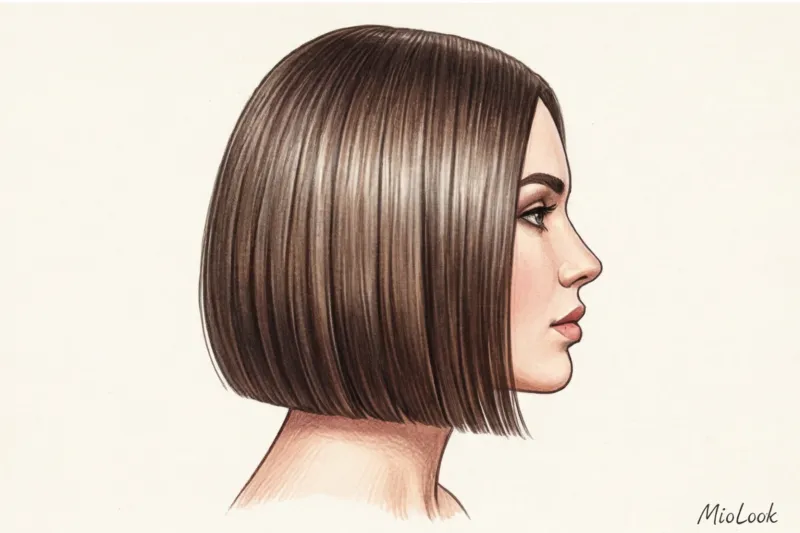
Для пористых и волнистых: искусство внутренних слоев
Текстурным, вьющимся волосам нужен «воздух», чтобы локон мог сформироваться естественно. На монолитном срезе такие волосы превратятся в палатку.
«Одна из моих клиенток, партнер юридической фирмы, тратила 30 минут каждое утро на вытягивание жесткого каре утюжком. Мы изменили тактику: сделали удлиненный шегги-боб с использованием техники скрытых внутренних слоев. Мастер убрал лишний объем изнутри, сохранив гладкий верх. Результат? Она просто наносит крем и сушит волосы в машине по пути в офис. Ее волосы впервые выглядят живыми, а не как пластиковый шлем».
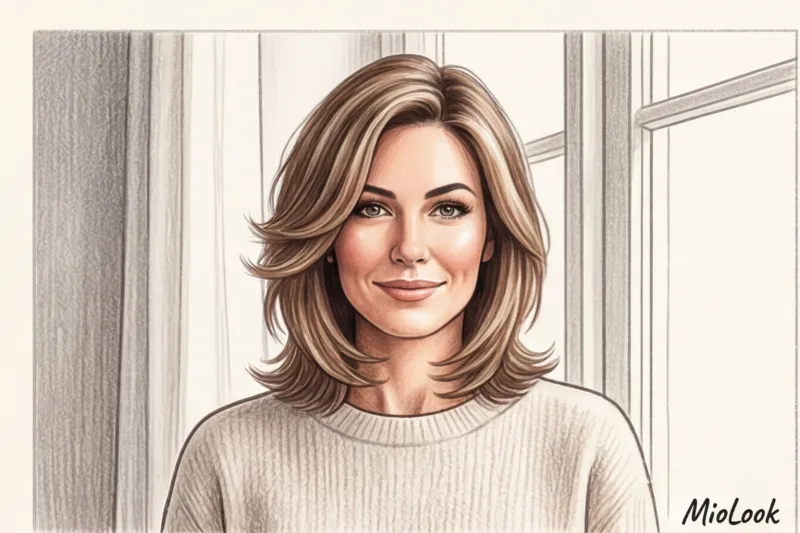
Внутренние слои — это ювелирная работа, при которой укорачиваются пряди внутри массы волос, создавая невидимый каркас, который поддерживает верхние пряди и задает им правильное направление. Если вас интересует эта длина, рекомендую изучить способы, как красиво уложить каре, когда форма уже выстроена правильно.
Для тяжелых и густых: скрытая градуировка
У обладательниц густых, тяжелых волос другая беда — эффект «новогодней елки» или треугольника, когда весь объем скапливается на концах, а макушка выглядит прилизанной. Чтобы избежать этого, продвинутые стилисты используют технику слайсинга (скользящего среза).
Ножницы буквально скользят по полотну волоса, смещая центр тяжести стрижки выше. Это убирает лишнюю массу без видимых ступеней, придавая волосам невероятную послушность. Они перестают топорщиться и мягко обволакивают форму головы. Вам даже не придется гуглить, как сделать прикорневой объем, потому что снятая тяжесть концов позволит корням приподняться естественным образом.
Главный миф: почему популярный «каскад» часто требует часовой укладки
Пора разрушить один из самых живучих стереотипов: «Чтобы волосы легко укладывались и был объем, нужно просто сделать каскад». Этот совет годами тиражируется в глянце, но на деле он разрушил не одно утро.
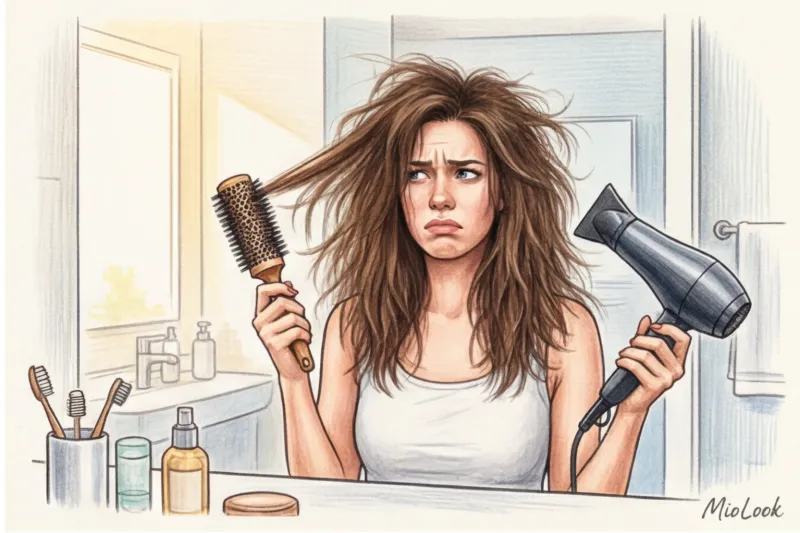
Если у вас тонкие, пористые или пушащиеся волосы, классический многоуровневый каскад — это приговор к ежедневной дружбе с брашингом. Почему? Короткие слои на пористых волосах теряют вес. При малейшей влажности они начинают жить своей жизнью, скручиваясь в хаотичные завитки, превращая голову в «одуванчик». Чтобы создать ту самую иллюзию небрежного каскада а-ля Матильда Джерф, потребуется 40 минут вытягивания на крупную щетку и щедрая порция текстурирующего спрея.
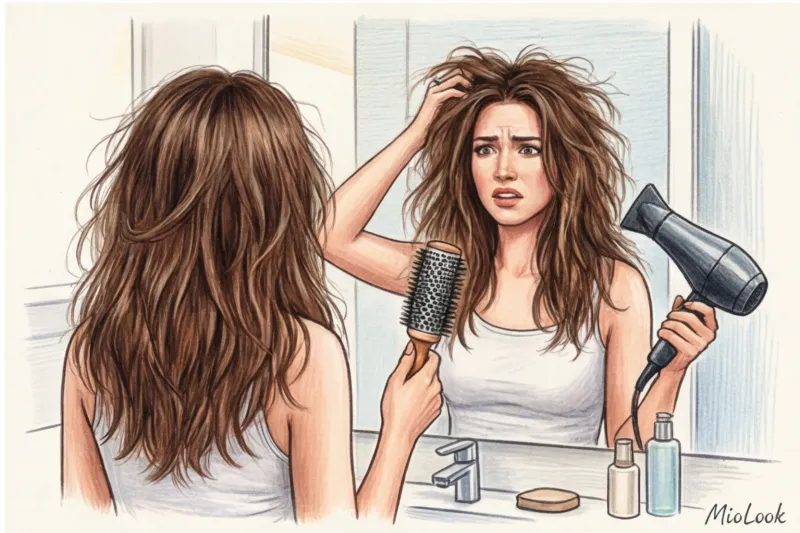
Отличная, не требующая усилий альтернатива — оставить длинные, цельные нижние слои, а динамику задать через удлиненную челку-шторку. О том, как уложить челку шторку за пару взмахов расчески, мы уже писали, но главный секрет в том, что она плавно вписывается в общую массу волос и красиво обрамляет лицо без нужды трогать остальные 90% длины.
Ваш личный AI-стилист
Устали бороться с непослушными волосами и подбирать образы наугад? Загрузите свое фото в MioLook и узнайте, какие стрижки и укладки идеально подойдут вашей форме лица и структуре волос.
Открыть доступ — €0,99 разовоФранцузский подход «Coiffé-Décoiffé»: умная стрижка, не требующая укладки, которая стареет красиво
Если кто и знает толк в том, как выглядеть роскошно без усилий, так это француженки. Знаменитая концепция «уложенной неухоженности» (coiffé-décoiffé) была возведена в абсолют французским институтом красоты Jacques Dessange. Суть этого подхода — в филигранной персонализации.
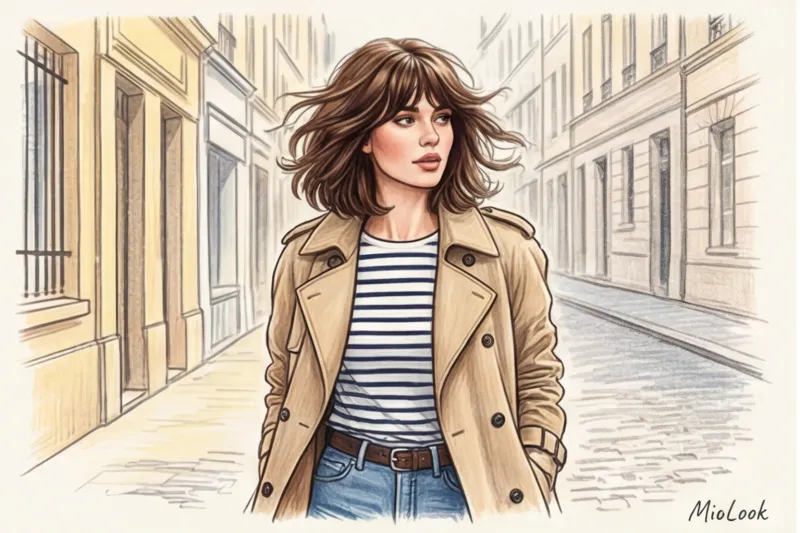
Наблюдая за работой топовых парижских мастеров, я всегда обращаю внимание на технику dry-cut (стрижка на сухую). После мытья и предварительного среза, мастер высушивает волосы клиента без брашинга, просто руками. И только потом начинается магия: он дорабатывает форму, убирая микро-неровности, которые проявляются только на сухой текстуре. Это маркер высочайшего класса парикмахера.
Главный бонус такого подхода — срок жизни стрижки. Обычная форма теряет вид через 3-4 недели. Правильная архитектурная база позволяет стрижке отрастать гармонично 3-4 месяца. Она трансформируется, но не теряет пропорций. Это особенно ценно, если вы ищете стрижки, которые молодят после 40, так как мягкие, плавно отрастающие линии смягчают черты лица.
Чек-лист: как объяснить мастеру, что вам нужна форма, которая «лежит сама»
Но давайте будем честны: даже самая гениальная концепция разобьется о реальность, если вы требуете невозможного. Умная стрижка не сделает из жестких афро-кудрей зеркально гладкое стеклянное полотно без утюжка — физику не обмануть. Но она может заставить ваши природные кудри ложиться красивыми спиралями, а не бесформенным облаком.
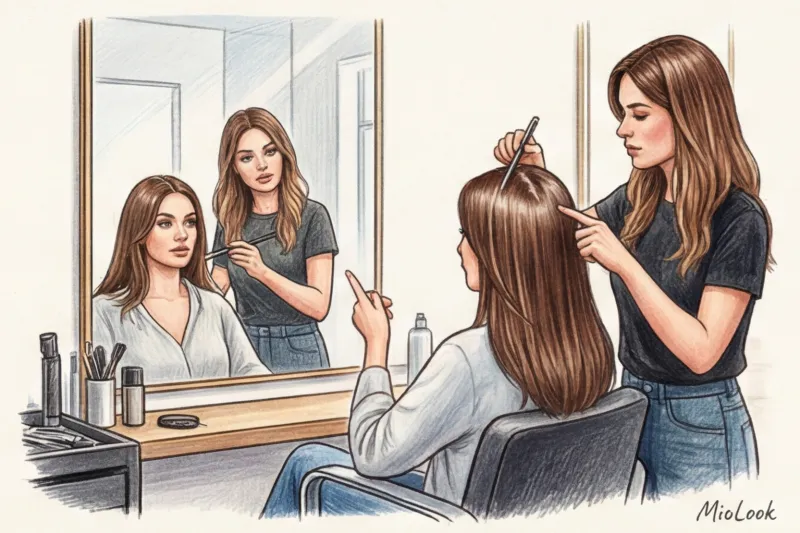
Чтобы получить результат, о котором мы говорим, сохраните этот чек-лист перед следующим визитом в салон:
- Забудьте про фото звезд. Приходите с распущенными волосами, вымытыми накануне, без обилия стайлинга. Мастер должен видеть ваш реальный объем и текстуру.
- Настаивайте на диагностике. Прямо скажите: «Пожалуйста, посмотрите, как мои волосы распадаются сейчас, до мытья. Вот здесь у меня вихор, а здесь волосы всегда лежат плоско».
- Озвучьте табу. Если у вас тонкие или пушащиеся волосы, скажите: «Я прошу не использовать филировочные ножницы от корня, мне нужен плотный край».
- Опишите свой быт, а не фасон. Идеальный скрипт звучит так: «У меня есть ровно 5 минут на сборы утром. Я не умею пользоваться круглой щеткой. Мои волосы сохнут естественным путем. Какая форма будет выглядеть аккуратно при таких вводных?».
Минимум усилий: 3 шага домашнего ухода для эффекта «салон без салона»
Даже архитектурный шедевр требует правильной эксплуатации. Чтобы кутикула лежала гладко, отражая свет, достаточно внедрить три микро-привычки, которые не отнимут ни минуты лишнего времени.
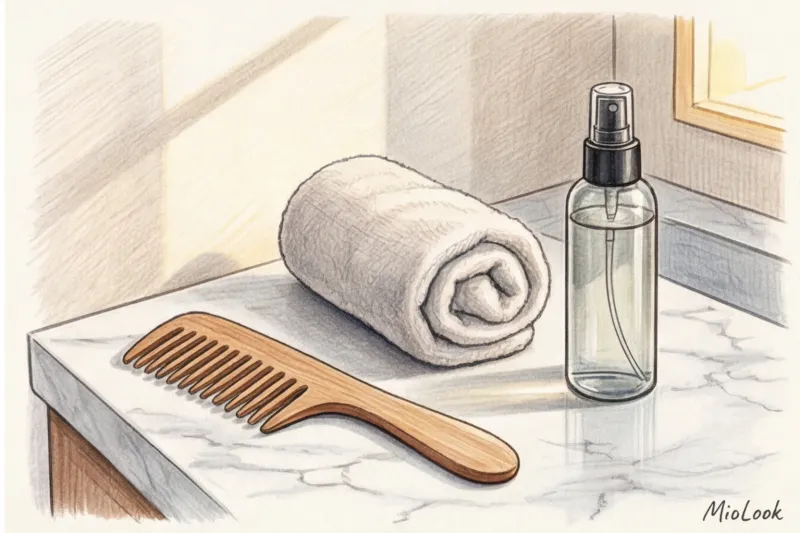
Во-первых, правило полотенца. Жесткие махровые петли взъерошивают кутикулу влажного волоса. Замените их на гладкую микрофибру или старую шелковую/хлопковую футболку. Просто промакивайте волосы, а не трите их так, словно пытаетесь добыть огонь.
Во-вторых, грамотный leave-in (несмываемый уход). Это ваш жидкий стайлер. Для тонких волос выбирайте легкие спреи-кондиционеры, для пористых — плотные кремы (хороший рабочий продукт обойдется в сегменте 20–40 €). Наносите их на отжатые полотенцем волосы, расчесывая гребнем с редкими зубьями.
Система умного гардероба и стиля
MioLook — это не только подбор причесок, но и полноценный менеджер вашего стиля. Организуйте свои образы, планируйте луки на неделю и находите новые сочетания из того, что уже есть в шкафу.
Открыть доступ — €0,99 разовоВ-третьих, если вы все-таки используете фен, сушите строго по направлению роста волос — сверху вниз. Обязательно наденьте узкое сопло (концентратор) на фен. Воздух должен приглаживать чешуйки волоса, а не раздувать их в стороны. Никакие расчески при этом не нужны — просто перебирайте пряди пальцами, позволяя выверенной геометрии стрижки самой встать на свое место.
Ваш лучший инструмент для укладки — это не утюжок за 500 € и не батарея баночек в ванной. Это ножницы в руках мастера, который умеет читать архитектуру ваших волос. Найдите такого специалиста один раз, и вы забудете о проблеме «плохих волос» по утрам навсегда.