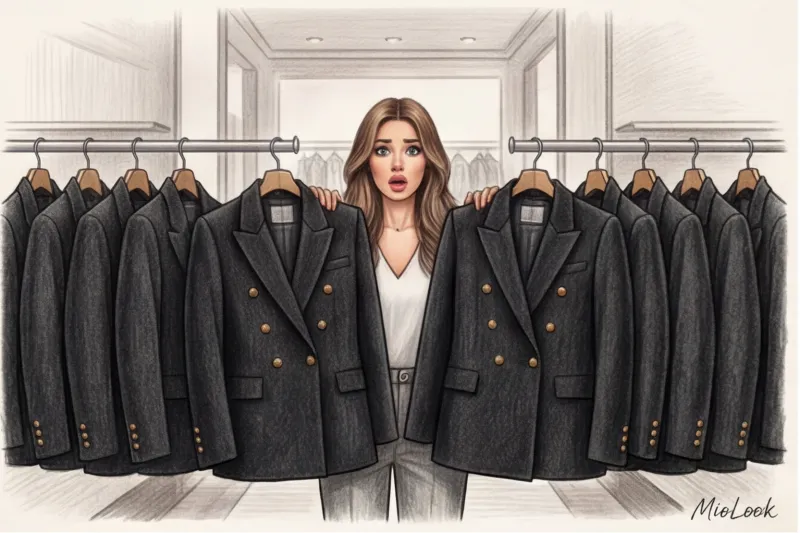

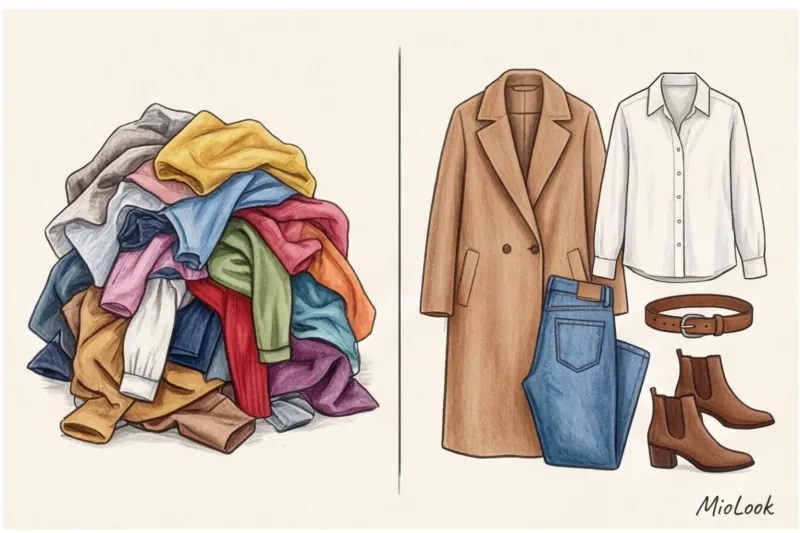
Imagine this: you visit a well-known brand's website, add the perfect black sheath dress with a tailored cut to your cart, and prepare to check out. Then, in the "Customers Also Bought" section, the algorithm happily suggests... three more black dresses. Or, even worse, sports leggings simply because they're also made of viscose and elastane. As a practicing stylist and colorist, I see this all the time. It kills not only the aesthetics but also cross-selling.
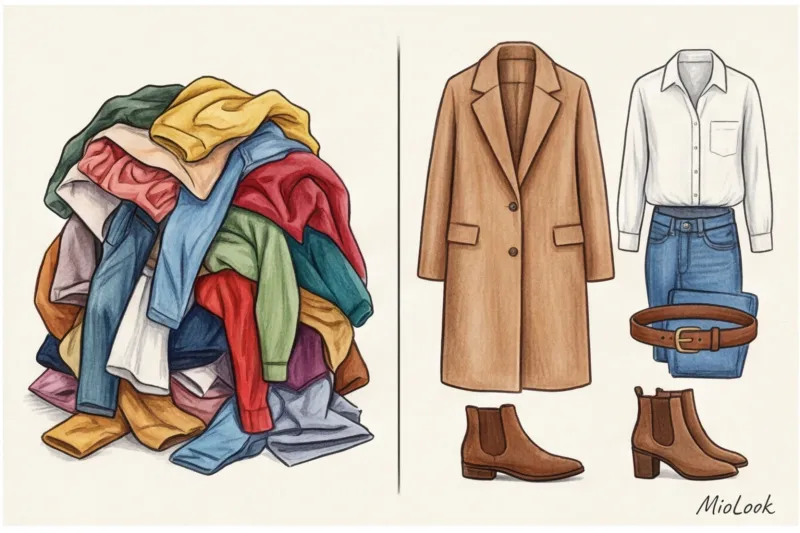
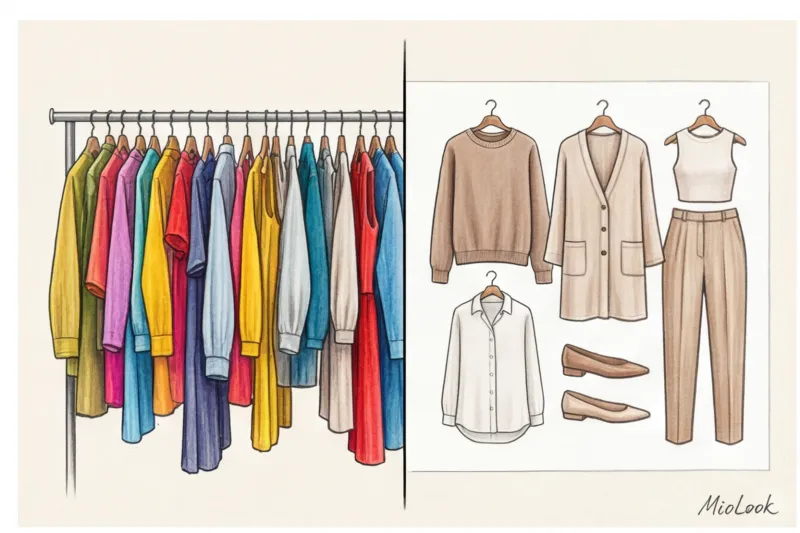
It's commonly believed that "Similar Products" blocks automatically increase the average order value. In reality, they create cognitive overload and choice paralysis. True cross-selling only comes from a capsule approach. To translate the laws of style into machine code, a full-fledged virtual stylist for an online store , who thinks not in terms of articles, but in ready-made images. We discussed the technical side of the issue in more detail in our a complete guide to integrating virtual fitting rooms , and today we'll look at how algorithms work from a purely stylistic perspective.
Why classic recommendations fail: Why you need a virtual stylist for your online store
The main problem with most e-commerce platforms is their product-centric mentality. Algorithms are trained on the history of shared purchases, not on the rules of harmony. If a thousand people accidentally buy a formal jacket and house slippers together, the system will start suggesting the same items to everyone else.
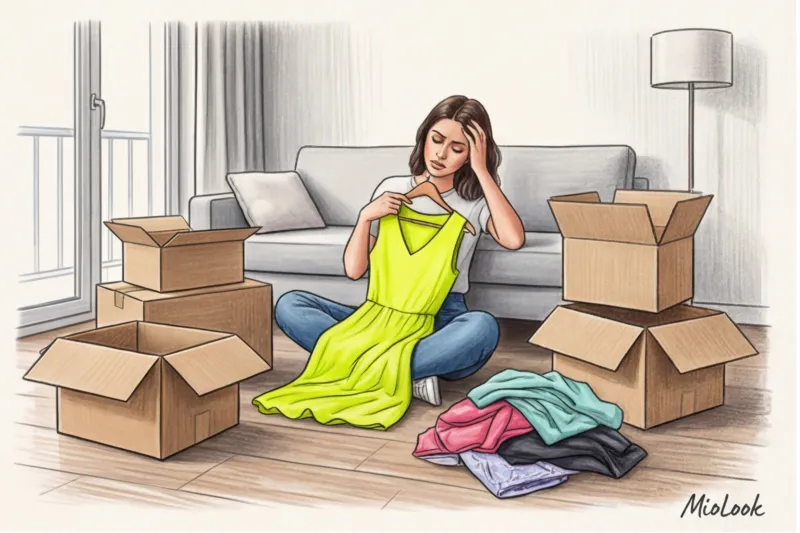
In my catalog auditing practice (I often help brands adapt their product ranges for AI), I constantly encounter "stupid recommendations." A client is looking for a blouse for the office. The system suggests five more blouses. Eventually, the woman begins to doubt, deletes the first one from her cart to "think again," and leaves the website forever. This is classic choice paralysis.
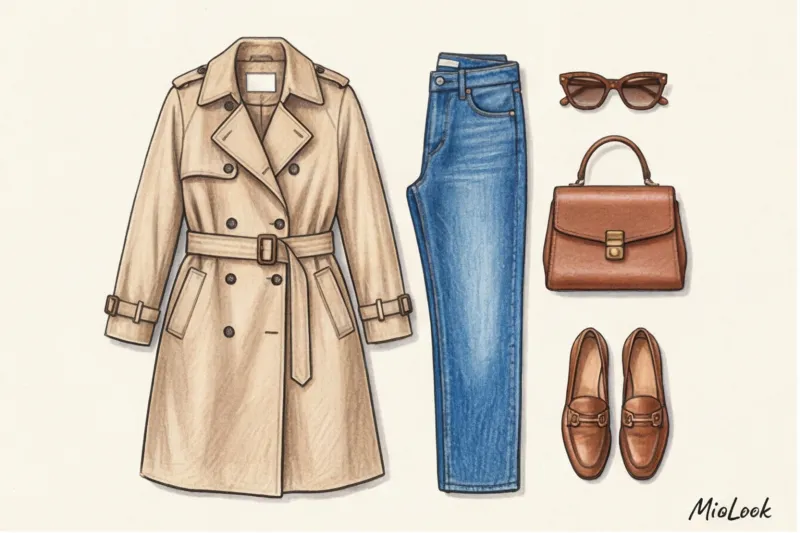
How does a professional stylist work? We shift the focus from selecting a single item to a ready-made solution. A fully-fledged AI assistant does the same: it will suggest perfectly fitting trousers with the right contrast to complement a blouse, a belt that ties together the textures, and matching shoes. According to implementation statistics, switching from the "Similar" block to the "Create a Capsule" block increases AOV (Average Order Value) by 20-30%.
Access to MioLook for €0.99 — one-time payment
A smart AI stylist will find the perfect look for your clients.
Get access — €0.99 onceThe Psychology of Cross-Selling: How AI Capsules Drive More Purchases
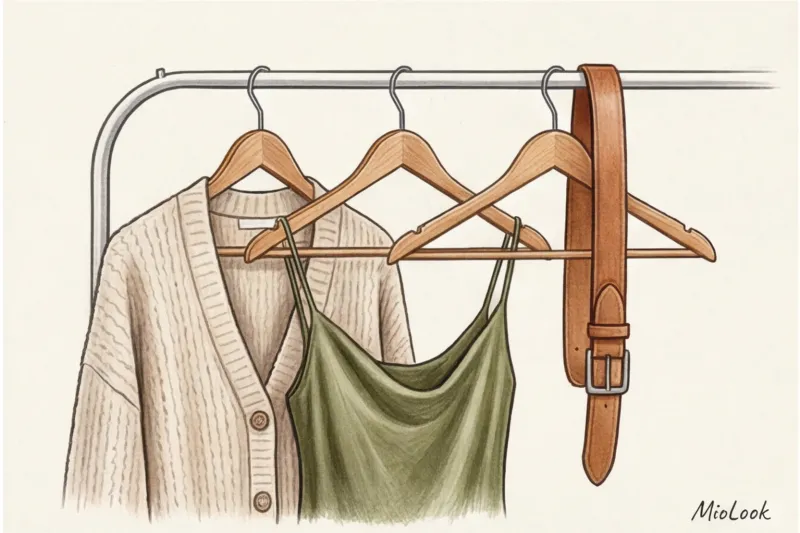
The secret of my profession is simple: we don't sell things. We sell relief from the morning panic of "I have nothing to wear" and self-confidence. When I work with clients on a shopping tour, I never just hand them a skirt. I immediately hang the skirt and top on hangers, throw a jacket on top, and put the shoes on the bottom.
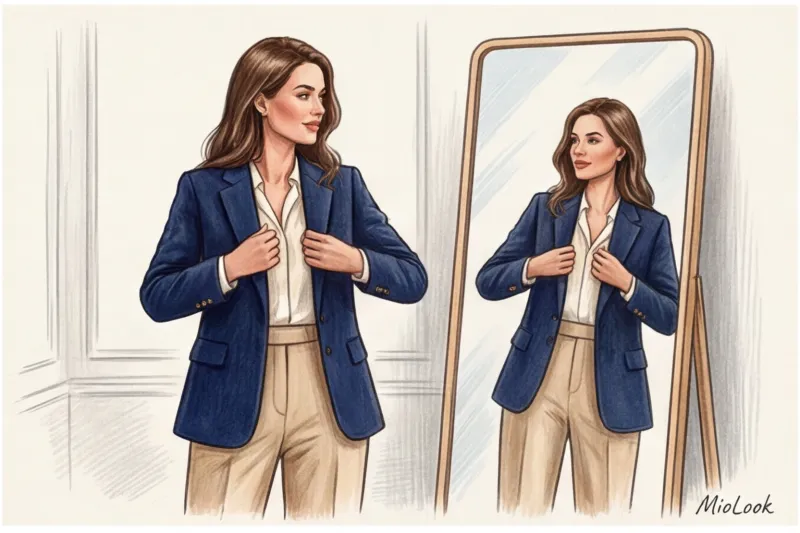
A woman buys an entire look because she falls in love with how she looks in it. This is called cognitive ease—the brain loves it when a complex task has already been solved for it.
"A high-quality virtual stylist alleviates the biggest fear of online shoppers: 'What if this shade of beige looks dirty on my white shirt?' When AI shows you a ready-made match, those doubts disappear."
Modern algorithms such as capsule generation function in MioLook , emulate this process digitally. The client came in for a basic T-shirt, but the AI showed how cool it fits in dress code for a modern manager If you add the right palazzo shoes and a structured bag, your check will triple naturally, without any aggressive push.
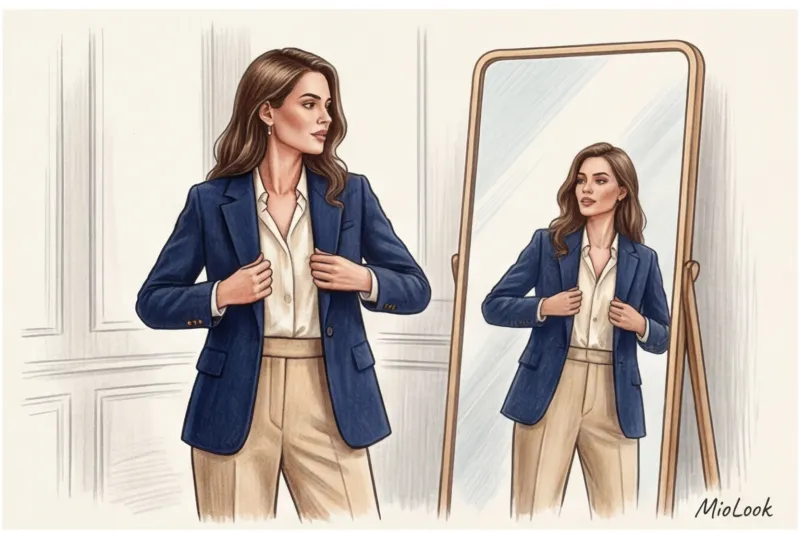
Coloristics in Code: How AI Selects Colors Better Than Humans
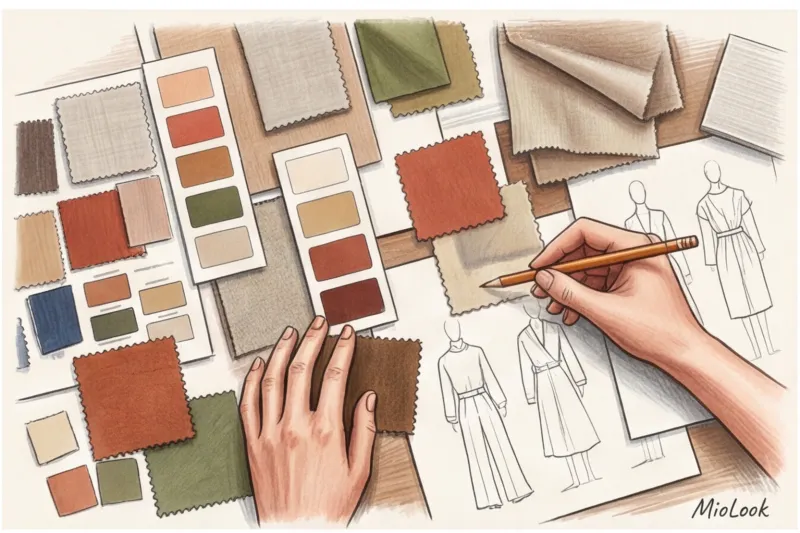
The most interesting part begins when Johannes Itten's color theory is translated into mathematical vectors. The average person, without a keen eye, often combines incompatible things (for example, warm olive with cool emerald), and then wonders why the look looks "cheap."
AI doesn't make mistakes. When configured correctly, the algorithm reads not just the base color (green), but also its temperature and contrast level. If a client chooses trousers in a deep, muted color (Autumn color type), the system will never suggest a neon fuchsia pairing—it will select a complex terracotta, mustard, or warm cream shade. This is especially critical in strict settings, such as when constructing black and white dress code , where the slightest mismatch of white undertones ruins the entire status of the image.
Virtual Fitting Rooms and Capsules: A Double Whammy on Returns (Bracketing)
Let's talk about the pain point of every e-commerce manager: returns. According to the McKinsey State of Fashion (2024), the industry loses billions of dollars due to bracketing, a phenomenon where a customer orders one item in three adjacent sizes (36, 38, and 40) "just in case," only to try on two at home and return them.
Remember my client Anna, whom I mentioned in previous articles? She has a pronounced hourglass figure. In a regular store, she always goes up three sizes on a jacket because she's afraid it won't fit properly in the chest or will be baggy at the waist. If she could use the virtual fitting room on the website and see how a size 38 fits perfectly on her digital version, she'd never need to order a spare.
Moreover, visualizing the complete look reduces the rejection rate by 15-25%. When a customer sees how stiff denim pairs with their chosen soft cashmere sweater on their body type, they know exactly what to expect when opening the courier package.
Your perfect online wardrobe starts here
Join thousands of users who look flawless every day with MioLook
Get access — €0.99 onceDigitizing the Product Range: Preparing the Catalog for AI Integration
Here's where I have to make an important confession. There are situations when a virtual stylist WON'T work. It's absolutely useless if you have a "messy" and flat product database. The biggest business mistake is buying an expensive AI widget and siccing it on a catalog where items are described only as "Red dress, 1 piece."
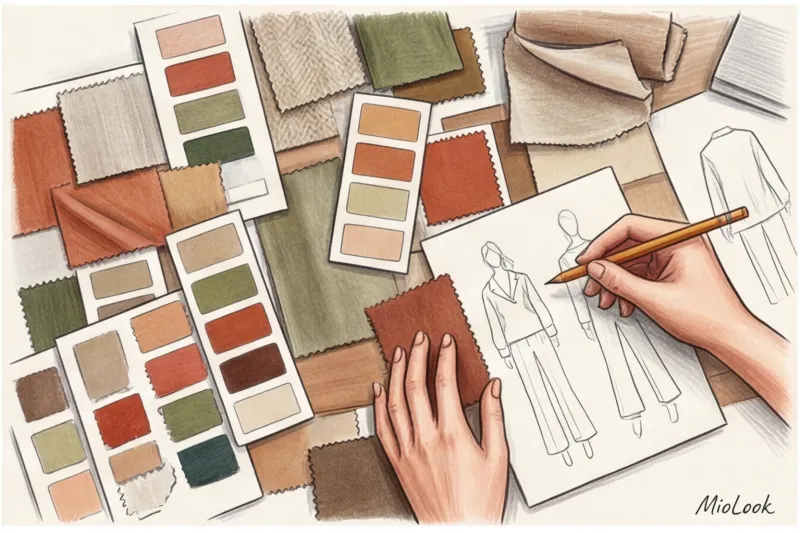
Over the years of working at the intersection of styling and IT, I've personally developed tag matrices for brands. For a neural network to create looks at the level of COS or Massimo Dutti, a color tag isn't enough. The AI must understand:
- Silhouette and volume: Fitted, oversized, A-line. The AI is trained on a balance rule: if the bottom is wide (palazzo), the top should be either fitted or cropped.
- Fabric texture: structured (holds its shape like thick cotton from 180 g/m²) or soft (drapes like silk or viscose).
- Style vector: formal, smart casual, sport-chic.
If these attributes aren't marked, the algorithm will happily dress the client in a huge oversized hoodie over a full maxi skirt, turning them into a shapeless blob.
How to properly split a catalog into micro-capsules
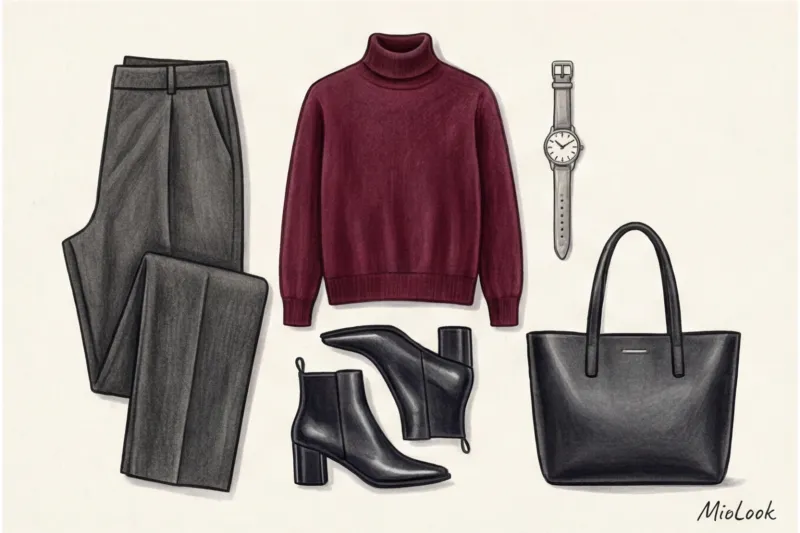
To ensure the system works correctly, we create basic stylistic matrices. The most convertible ones are: business, casual/weekend, and evening. Within each matrix, a "one-accent rule" applies. If a complex, accent piece (for example, a skirt with a bold animal print) is the star of an outfit, the AI receives a strict command: the rest of the pieces in the capsule should be basic, drawn from the print's shades.
Business Checklist: How to Choose a Virtual Stylist for Your Website
A 2023 study by the Baymard Institute found that poor UX during the cross-selling stage irritates 68% of users. If you're planning to implement AI recommendations, don't be fooled by the fancy presentation. Test the functionality closely.
- Outfit generation vs. 1:1 recommendations. Is the system able to assemble a complete bow from 4-5 items (including accessories, for example, stylish travel bag ), or is she just looking for visually similar products?
- Taking into account draping and fit. A high-quality virtual fitting room doesn't simply superimpose a 2D image of the garment onto the client's photo. It calculates shadows and how the fabric will conform to the specific curves of the body.
- Customization to the brand DNA. The algorithm must be flexible. The aesthetics of a minimalist Scandinavian brand are radically different from the vibrant Italian mass market. The combination rules must be tailored to your lookbooks.
- Hidden analytics. This is my favorite insight. Smart AI will show you untapped demand. For example, the system sees that a white basic blouse pairs perfectly with your hit burgundy skirt and tries to add it to your capsule collection. But you don't have that blouse in your assortment! The algorithm highlights gaps in your product mix before you lose money on lost sales.
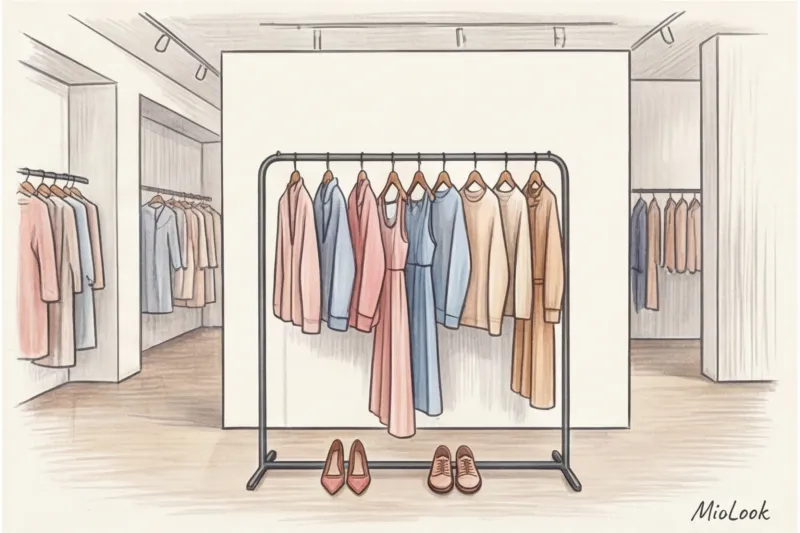
The future of e-commerce: from a faceless algorithm to a personal wardrobe
A virtual stylist is no longer a PR department toy. It's a rigorous, measurable tool for managing LTV (Lifetime Value) and returns. Customers always return to a place where they are "understood," where shopping for clothes doesn't require agonizing deliberation or dozens of open browser tabs.
Don't try to digitize your entire warehouse of 10,000 SKUs at once. My advice: start with 10-15% of your key product range. Take your bestsellers, thoroughly tag them, create the right micro-capsules for them, and launch a pilot project. When you see a customer adding a complete fall look to their cart instead of just a pair of jeans, you'll realize the rules of the fashion e-commerce game have changed forever.