I vividly remember my first season of Paris Fashion Week in the winter of 2014. Daytime shows, camera flashes, perfect streetstyle images, and then in the evening, returning to my rented apartment in an old Haussmann building, where the temperature barely reached 16 degrees Celsius. It was then, trying to warm up under a thin blanket, that I learned a harsh lesson: warm loungewear isn't just a matter of comfort; it's the foundation of our physical and mental well-being.
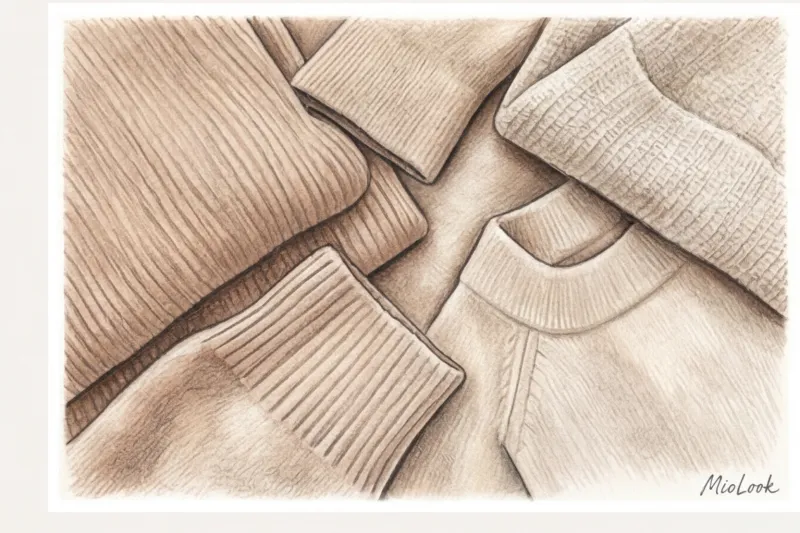
We're used to meticulously choosing capsules for the office, dates, or vacation, but when we close the door behind us, we somehow allow ourselves to dress in shapeless "something we don't mind throwing away." We discussed in more detail how old T-shirts steal your energy in our the complete guide to stylish loungewear In this article, I want to offer you a radically different approach. Instead of wrapping yourself in plush blankets with sleeves, we'll apply the principles of textile engineering and smart layering. I'll show you how to create an aesthetically pleasing home wardrobe that you won't be embarrassed to answer a surprise video call from the CEO in, while still feeling as cozy as in a cocoon.
The Anatomy of Heat: Why Thick Fleece Pajamas Are the Biggest Winter Mistake
Let's start by debunking the most popular winter myth: bulk doesn't equal warmth. When it's below freezing outside, your hand instinctively reaches for a thick, fluffy set made of velor or synthetic fleece (budget stores are stocked with them in December). This is an intuitive, yet fatal, mistake.
Thick 100% polyester is your enemy in a cold room. It creates the classic "greenhouse effect" on the body. Synthetics have virtually no hygroscopicity (the ability to absorb moisture). In bulky fleece pajamas, your skin quickly overheats and begins to sweat. The moisture doesn't evaporate, remaining between your body and the fabric. The slightest draft in the kitchen and you instantly become hypothermic due to the damp skin underneath.
“Proper thermoregulation is based not on the thickness of the barrier, but on the ability of the fiber to retain warm air and wick away moisture.”
Unlike synthetics, premium natural fibers act as intelligent climate control. Research by textile institutes reveals impressive figures: 100% cashmere retains body heat eight times more effectively than standard sheep's wool, while being several times thinner and lighter. A superfine merino wool turtleneck will keep you much warmer and safer than a heavy, plush robe.
Technological fabrics for the home: from modal to blended compositions
Does this mean you should only buy 100% cashmere for your home? Not at all. Natural fibers are beautiful, but in their pure form, they're often difficult to care for and can quickly lose their shape around knees and elbows.
Over the years of studying brands, I've developed the perfect fabric formula for loungewear: 70% high-quality natural or artificial fibers + 30% technological synthetics Look for modal, tencel (lyocell), or Everest-grade viscose with 10-15% alpaca or merino wool as the base material. These blends provide incredible tactile comfort and are highly breathable, but thanks to a small percentage of polyamide or elastane (around 5-10%), the pants won't stretch out after two days on the couch.
Access to MioLook for €0.99 — one-time payment
A smart AI stylist will select the perfect home look based on your preferences and color type.
Get access — €0.99 onceWarm loungewear: putting together a stylish capsule collection
Did you know that clothing can reprogram your brain? In 2012, Northwestern University researchers Hadjo Adam and Adam Galinsky coined the term Enclothed Cognition (embodied cognition). They demonstrated that the symbolic meaning of clothing directly influences the wearer's psychological state and productivity.
I've observed this phenomenon dozens of times. Last year, a client of mine who works freelance complained of permanent apathy and a financial plateau. We started our review not with her work clothes, but with her home wardrobe, replacing faded hoodies with a simple ribbed wool-blend knit set (the mid-range set cost around €140). After just three weeks, she admitted she'd stopped procrastinating in the mornings. The warm, aesthetically pleasing home clothes served as a psychological trigger: "I'm focused, I respect myself and my time."
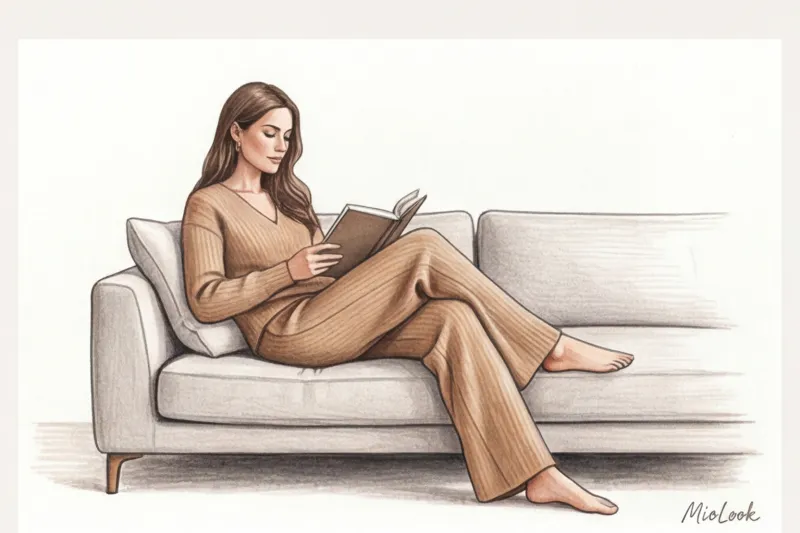
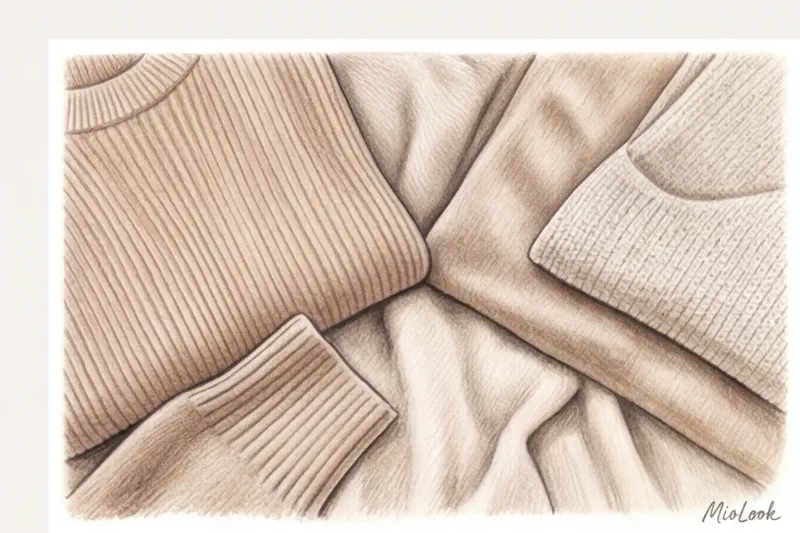
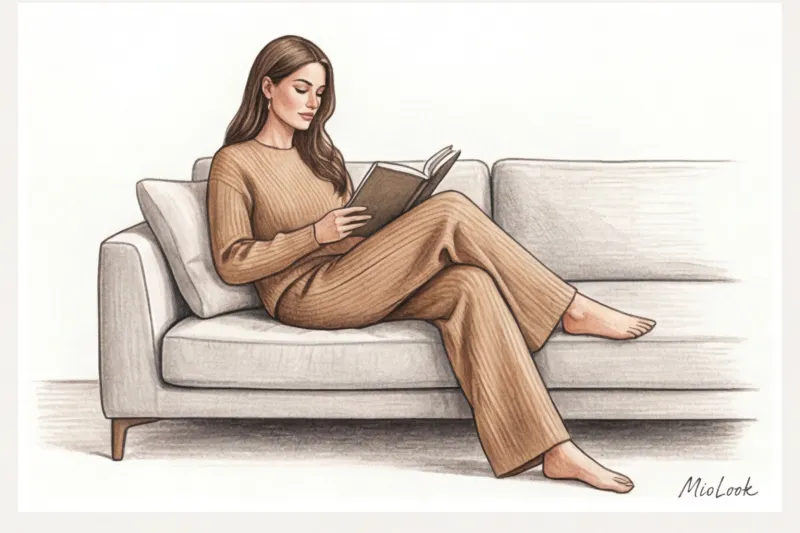
To create a capsule wardrobe, eliminate random items. Your home wardrobe should follow the same rules. creation of a capsule , as well as the main one. The ideal winter base is a knit two-piece suit. Choose a ribbed texture (it visually elongates the silhouette and looks more expensive than a plain knit) and a loose, yet distinct cut.
Alternatives to a robe: kimonos and long cardigans
Let's agree: a voluminous terrycloth robe is appropriate for exactly 15 minutes—from the moment you step out of the shower until the cream has soaked into your skin. Wearing it for breakfast or working on a laptop would be a style crime.
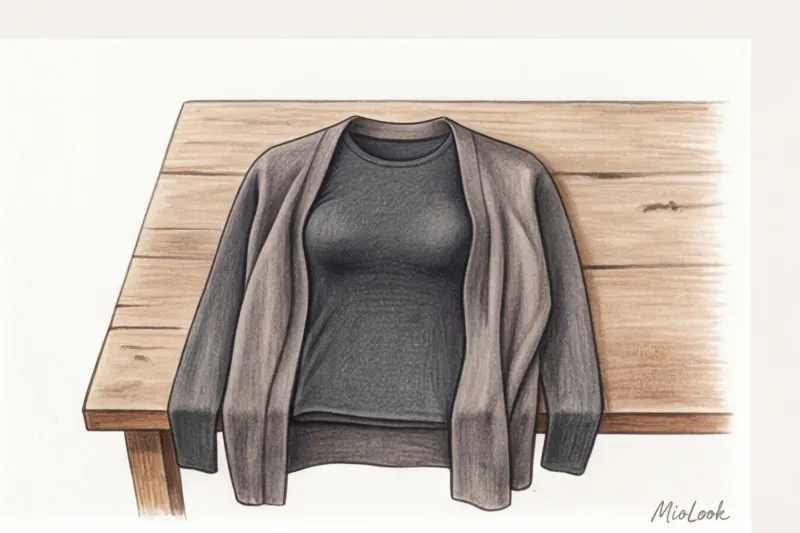
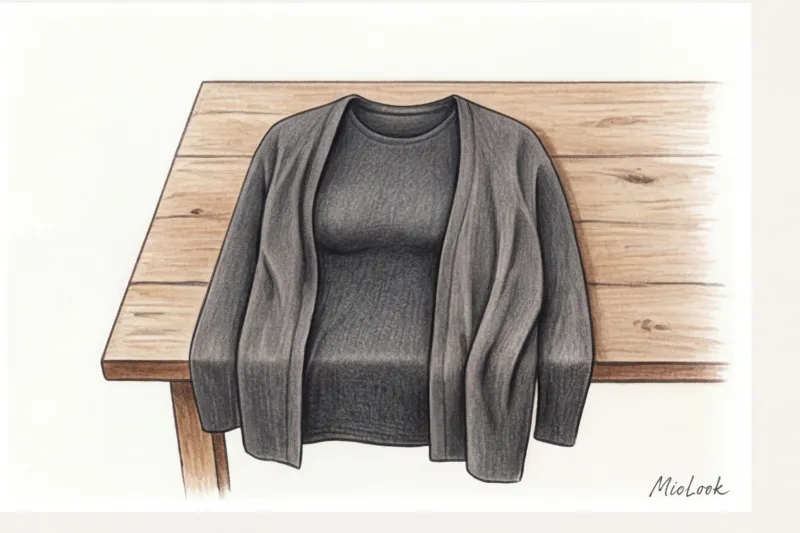
What can you replace it with if you're looking for a cozy look? My favorite is a thick cotton or wool-blend kimono. The architectural cut of this piece instantly adds a touch of class to your look. Another great alternative is a long, chunky knit cardigan. Throw it over a silk tank top or a thin long sleeve, creating a sophisticated layering look that always looks flattering.
New generation thermal underwear as an element of home style
Many people still associate thermal underwear with winter fishing or snowboarding gear—prickly, unsightly, with aggressive sports seams. Forget that. Technology has come a long way.
Modern urban thermal underwear (check out the basic lines from brands like Intimissimi or COS) offers a sophisticated essential. Long sleeves made from a blend of modal, silk, and cashmere boast a delicate satin sheen, deep necklines, or, conversely, an elegant stand-up collar. They're a complete package.
The main rule of styling is to play with proportions. If you're wearing tight thermal leggings, the top should be voluminous: for example, a men's shirt made of thick flannel or that oversized cardigan. Conversely, a tight thermal top is ideal for wide palazzo pants made of flowing knitwear.
Your perfect look starts here
Join thousands of users who look flawless every day with MioLook. Digitize your wardrobe in minutes.
Get access — €0.99 onceKeep your feet warm: stylish and comfortable house shoes
Perhaps nothing cheapens a casual look like worn-out slippers or plastic flip-flops. Shoes serve the same function indoors as outdoors—they tie together and complete the silhouette.
The trend for "home luxury" has given us some excellent alternatives. Mules and clogs insulated with genuine shearling are currently at the peak of popularity. Iconic models like the Birkenstock Boston (original prices range from €140-€160) have long since migrated from street style to the category of ideal house shoes for cold floors. Soft leather Moroccan babouches are an alternative.
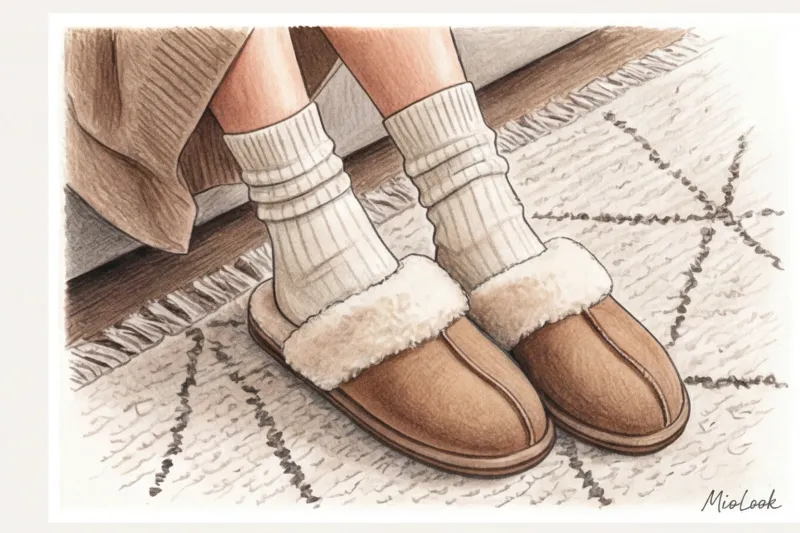
If you don't like shoes at all, invest in quality accessories. Cashmere socks in muted shades paired with silk trousers create a stunning contrast of textures, which we often discuss in the context of the rules. old money style.
Color and status: how warm loungewear can look expensive
The secret to luxurious looks lies not in logos, but in color. The quickest styling hack I use when reviewing my wardrobe is creating monochrome verticals. When the top and bottom match in tone, the silhouette is elongated, and the look instantly acquires a touch of casual chic.
A sophisticated palette works best for a winter home capsule. Avoid loud neon and childish prints (teddy bears, stars, hearts). Your color base:
- Warm light: ecru, milky, oatmeal, camel
- Deep dark: bitter chocolate, graphite, emerald, wine (marsala)
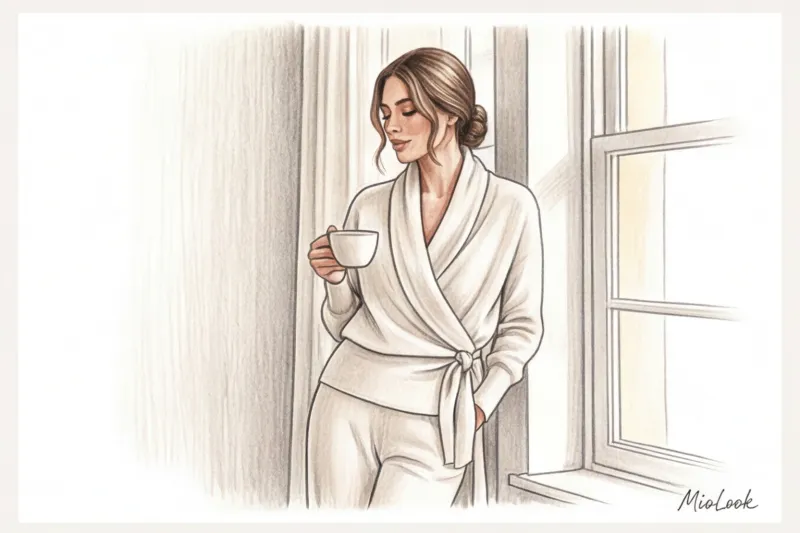
Light colors always look luxurious at home because they convey the hidden message: "I live in a clean environment and can afford impractical dark colors." To avoid a monochromatic look, use contrasting textures. Pair sleek Tencel pants with a fluffy mohair jumper in the same shade—the eye will perceive this complexity as a sign of high style.
A stylist's checklist: a winter home wardrobe review
It's time to get practical. Go to your closet and take out everything you usually wear around the house. Now apply the "Rule of Three Yeses" to each item:
- Would I have opened the door to a surprise courier without feeling awkward?
- Has this item retained its original color and shape (no pilling, stretched knees)?
- Does it keep me warm without making me sweat?
If the answer to any of these questions is "no," it's time to retire these items from your wardrobe (or recycle them, as conscious consumption is essential today).
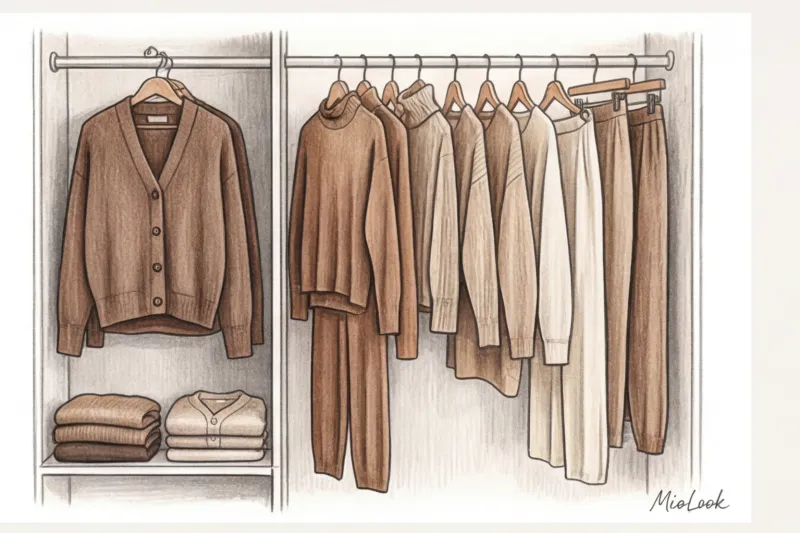
What's the math behind the perfect capsule wardrobe? You need exactly three sets of warm clothes for your home: one in the wash, one in the closet, and one on you. Plus two to three basic tops (long sleeves/thermal underwear) and one warm outer layer (cardigan or kimono).
I promised to be honest with you, so here's an important limitation: the approach is with silk long sleeves and thin cashmere trousers. doesn't work If you have three active toddlers and a large dog at home, cashmere simply won't withstand daily friction, stains from baby food, and high-temperature washing. In such a demanding situation, a dense, diagonally woven cotton fleece (at least 320 g/m²) should be your base—it's durable, but if you choose a noble camel or graphite color, it looks just as good.
The clothes we wear behind closed doors shape our inner selves far more than the formal attire we wear for social occasions. Allow yourself the luxury of being stylish and warm, not for someone else, but for yourself—it's the best investment in your comfort this winter.