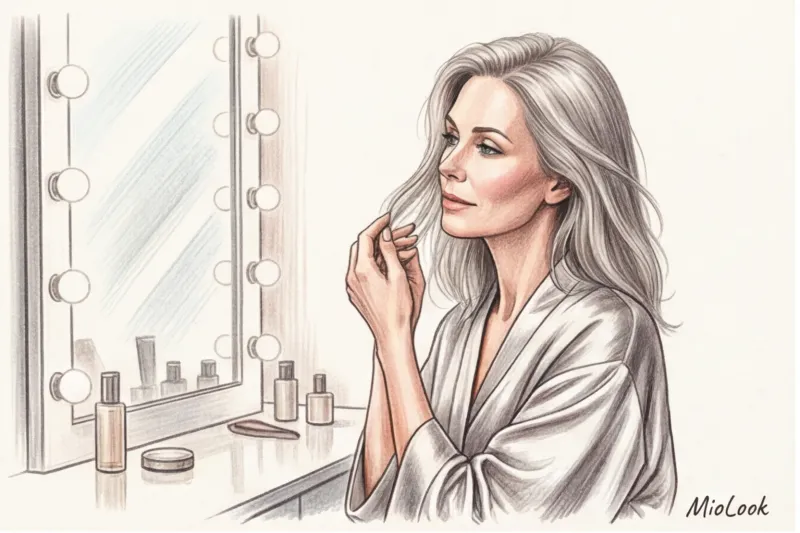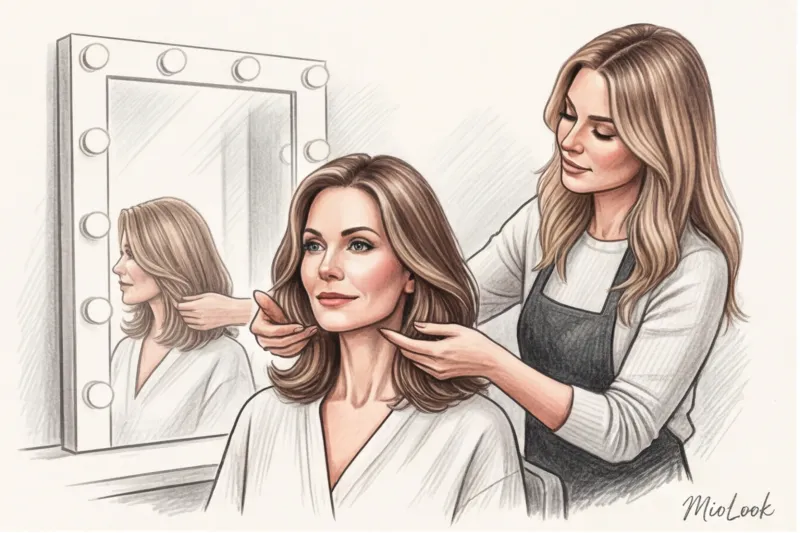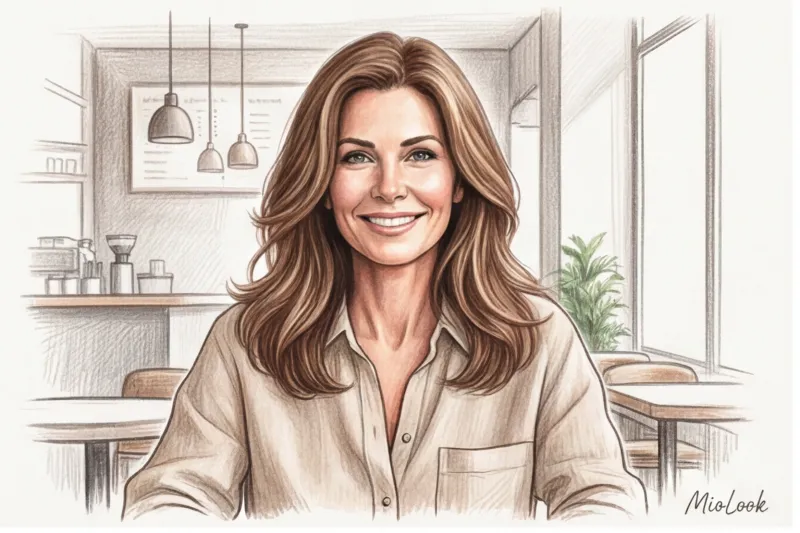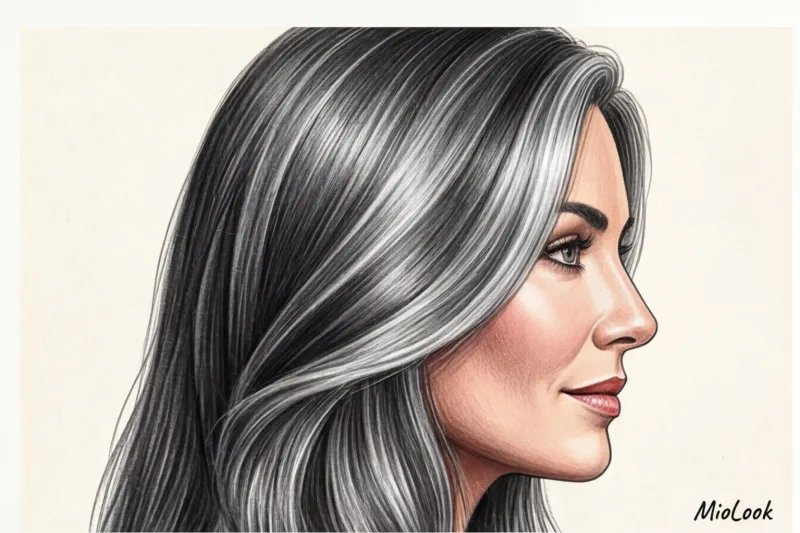
Women often come to my studio on the brink of despair. Recently, 38-year-old Anna, a small business owner, sat down in the chair. She cried, looking at her ash-blond roots, which had grown two centimeters: "Darina, I'm giving up. I dye my hair every three weeks, but my hair has become like straw, and I still look tired. I'm getting old." We didn't cover the roots. Instead, we took a radical step: we removed the remaining dark pigment, went for a refined silver blonde, and completely changed the geometry of her hair. A month later, Anna said she was getting more compliments than she did at 25.
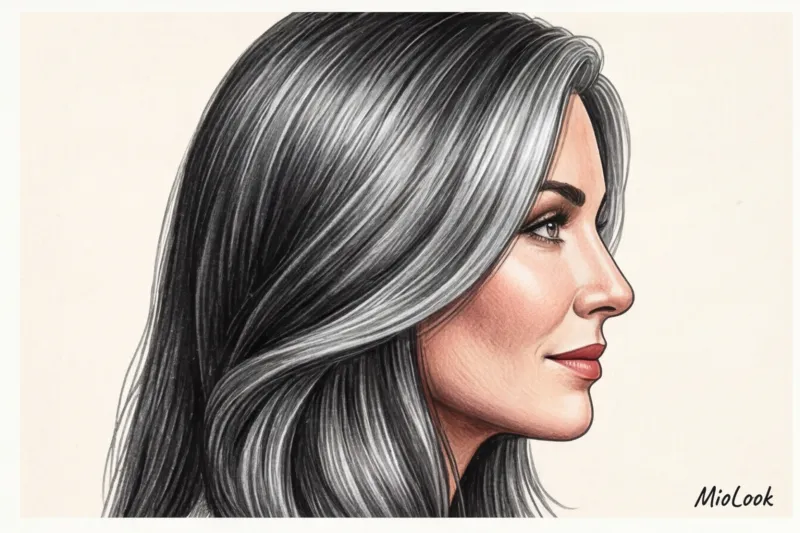
It's commonly believed that gray hair is a marker of aging that you either embrace or mercilessly cover up. As a certified colorist and image analyst, I strongly disagree. The appearance of silver in your hair isn't a sign of aging. It's a radical change in your natural color type and hair texture. And this new material requires a completely different approach. I wrote more about the basic rules for dealing with age-related changes in the face in our The complete guide to anti-aging haircuts for women 35+.
Today we'll explore why your usual haircuts for gray hair stop working, how texture dictates shape, and why your favorite beige turtleneck is suddenly highlighting dark circles under your eyes.
The Anatomy of Silver: Why Haircuts for Gray Hair Require a Different Architecture
According to trichological research statistics (in particular, WGSN reports for 2024 documenting the global trend for natural silver), approximately 32% of women experience noticeable gray hair before age 40. This is due to genetics, stress, and environmental factors. But what physically happens to the hair?
When melanocytes stop producing pigment, hair doesn't just lose its color. It loses its "filling." Air pockets form in gray hair, and most importantly, the lipid layer is critically reduced. The result is either a stiff, wiry texture that sticks out in all directions, or, conversely, thinned, fluffy hair.
That's why your favorite haircut you've had for the last ten years suddenly doesn't fit. The geometry of your face also changes after age 35: the tissues begin to succumb to gravity (hints of jowls appear, the corners of your lips droop). If you leave your hair hanging shapelessly along your face at this point, you'll create a double-weight effect.
Texture dictates form: from static to dynamic
On coarse gray hair, a straight, tight cut below the shoulders often looks like a heavy, immobile wig. The hair lacks flexibility. To tame the porous texture, we need movement—layers that allow the strands to blend into each other. But there's a key limitation: if the hair has thinned significantly due to hormonal changes, aggressive thinning is contraindicated, as it will only accentuate the bald spots. In this case, we work with a tight edge on a shorter length.
Your perfect look starts here
Join thousands of users who look flawless every day with MioLook. An AI stylist will help you choose a haircut and makeup.
Get access — €0.99 onceRemoving the dust: Why gray hair makes you look older and how to fix it
Let me debunk the biggest myth in hairstyling. Gray hair does NOT make you look older. Dullness does.
"Silver is a metal. And any metal, by the laws of physics and aesthetics, should have a shine. If your gray hair is dull and fluffy, it looks like construction dust and visually adds at least 10 years to your age."
In 2023 in Journal of Cosmetic Science A study was published confirming that gray hair reflects light 40% differently than pigmented hair. Healthy dark or light brown hair acts like a mirror, reflecting light onto your face (a phenomenon known as 'inner glow'). Porous gray hair absorbs the light. Because the hair lacks highlights, all the shadows on your face (nasolabial folds, wrinkles around the eyes) appear visually deeper.
Trying to moisturize gray hair with homemade masks from mass-market products is a huge mistake. Low-quality silicones accumulate in the cavities of gray hair, making it dull and gray. We need not just masks, but salon treatments to seal the cuticle.
Anti-aging haircuts for gray hair: top 5 styles with a visual lift
The architecture of a proper haircut is built on upward diagonals. Our goal is to draw the eye away from the lower third of the face and toward the cheekbones and eyes. Here are the shapes that work perfectly with silver texture.
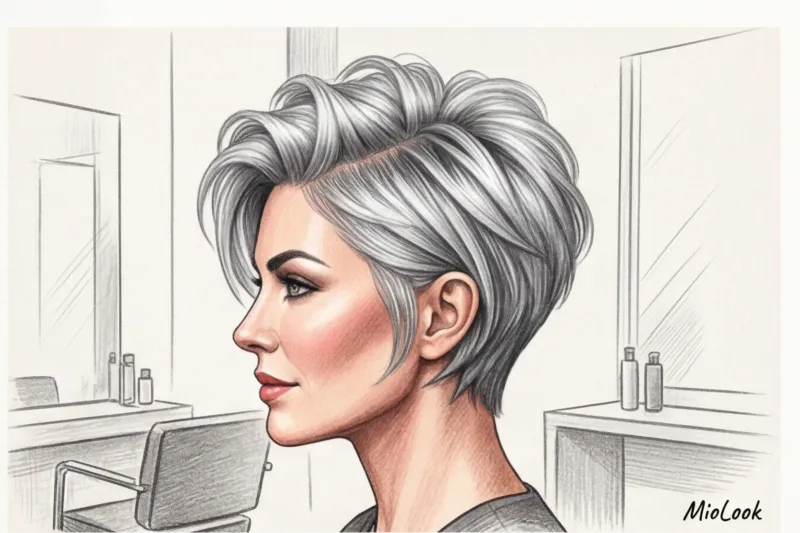
Textured Pixie Bob: Expose Your Neck and Cheekbones
If you're ready for a shorter cut, this is your favorite. The back is cut tightly, revealing a beautiful neckline, while the crown is sculpted for volume. The key here is the long, asymmetrical fringe. It beautifully camouflages signs of aging in the upper third of the face (forehead wrinkles, drooping eyelids) and creates a dynamic gait.
French Shaggy: Dynamics vs. Gravity
Ideal for those growing out gray hair and with remnants of old color at the ends, the Shag technique, with its choppy, flowing strands, blends natural gray with color-treated hair to create the look of complex, expensive salon highlights. When it doesn't work: If you have a strict corporate dress code and don't have time to style your hair with texturizing spray in the morning, your shaggy hair will turn into an untidy mess without styling.
Long bob with a tight cut: for thinning hair
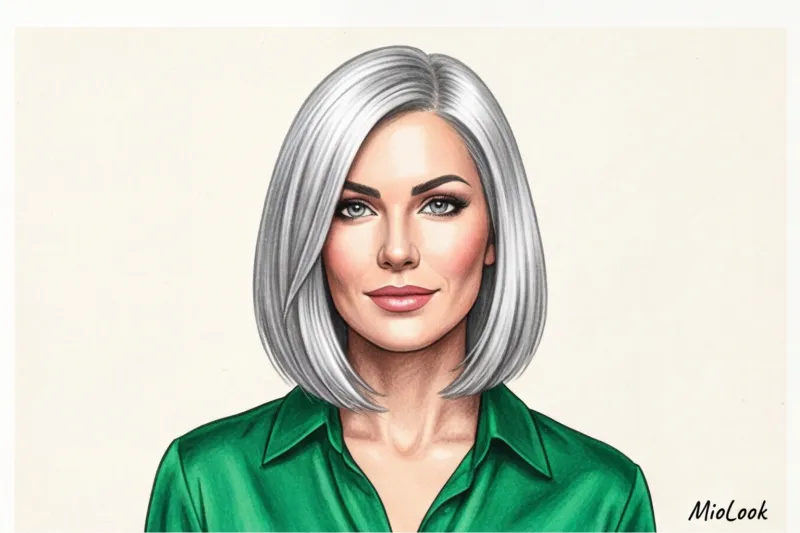
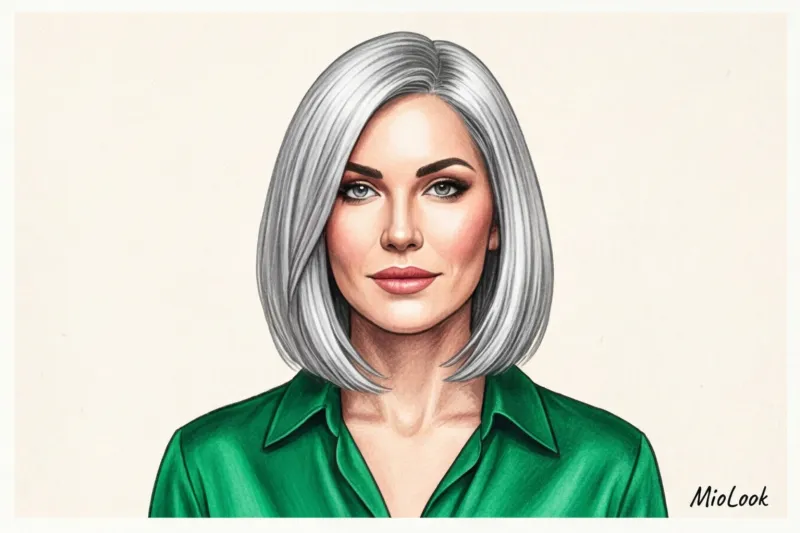
Layers are a no-no for fine, thinning gray hair. Here, we opt for a long bob that reaches the collarbone or jawline with a perfectly straight cut. This creates the illusion of thickness and fullness. But remember the "metal" rule: this type of bob requires perfect smoothness. Heat protection and a light polishing with a flat iron are essential for the "glass silver" effect.
The Art of Toning: How to Make Gray Hair Look Noble
Leaving gray hair "as is" and forgetting about salons is a utopia. Gray hair is empty, and nature abhors a vacuum. It begins to absorb everything from the environment: street smog, tobacco smoke, and, most importantly, minerals from tap water.
Hard water, rich in iron and calcium, turns luxurious silver into a dull, yellowish-rusty color within a couple of weeks. Therefore, the first step in hair care should be a chelating (detoxifying) shampoo once a week, which literally washes metal salts out of the hair structure.
The Purple Shampoo Trap
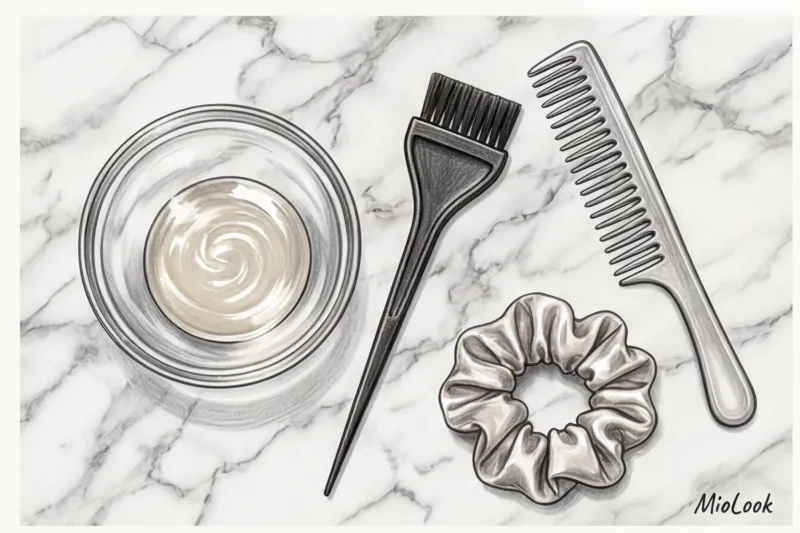
I see this every day: women buy harsh anti-yellow shampoos and use them every time they wash their hair. What do we get? The cuticle of the gray hair is slightly open. The violet pigment settles unevenly into the porous areas. The result is a dull, "dirty" gray with potassium permanganate-like spots.
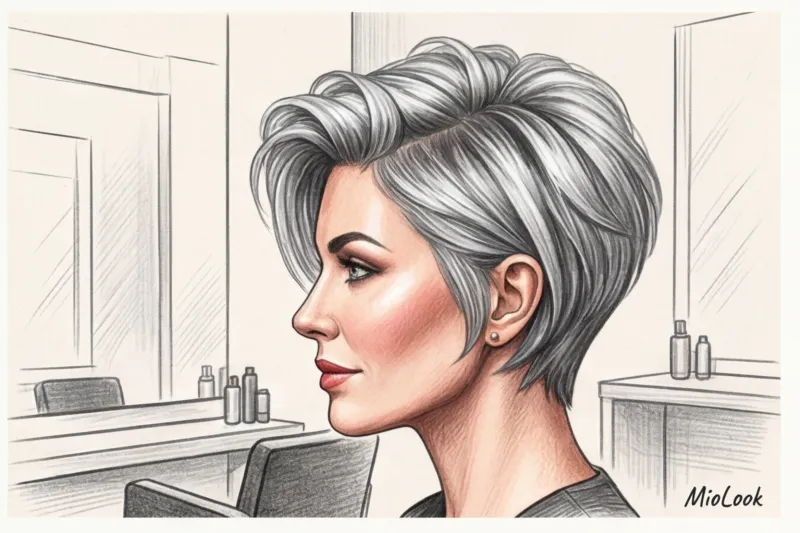
Instead of trying to do it yourself at home, ask your master transparent glossing or the Grey Blending technique. Glossing is a toning process using a transparent, pigment-free dye. It fills the hair's voids with ceramides and seals the cuticles tightly. The hair becomes heavy, shiny, and stops absorbing yellow tones from water.
Ready to get started?
Try the free plan—no commitments. Create your own digital capsule wardrobe that perfectly complements your new hair color.
Get access — €0.99 onceChanging Your Color Type: How a New Hair Color Requires a Wardrobe Overhaul
Going gray is an exciting process from a styling standpoint. As a certified color analyst, I often see the same scenario. A client has always been a classic warm "Autumn" or soft "Spring." She's worn mustard, terracotta, and warm beige. And then, with the onset of gray, her favorite beige turtleneck begins to make her look sallow, dull, and tired.
What happened? Gray hair shifted your natural contrast. You shifted to the cool spectrum—becoming a contrasting "Winter" or a cool "Summer."
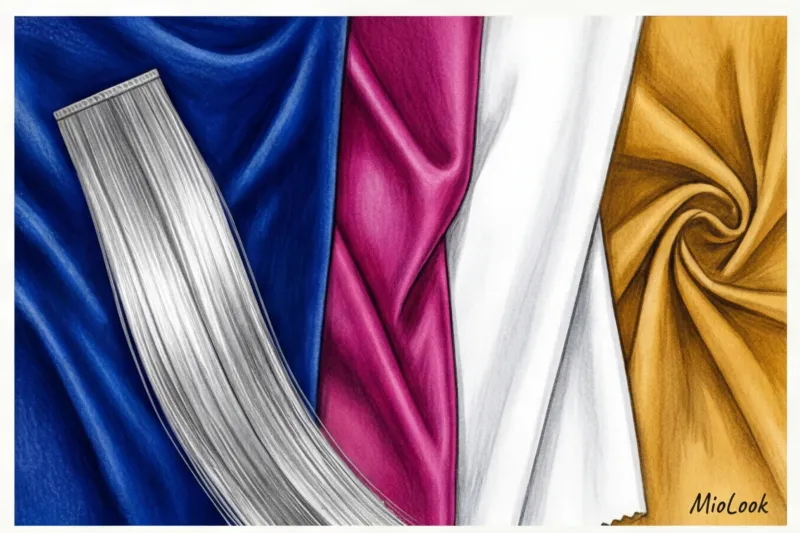
From now on, warm, dusty, and earthy tones around the face are your enemies. They clash with the cool silver of your hair. What to replace them with? Jewel tones According to the Pantone Color Institute, these deep, pure colors are the most complementary to silver.
- Instead of mustard, go for rich sapphire or cobalt.
- Instead of olive khaki - deep emerald.
- Instead of warm peach, go for cool, bold fuchsia or ruby red.
- Instead of milky and beige - snow-white or graphite gray.
By the way, to avoid buying things randomly, I always recommend that my clients digitize their closets. You can upload items to MioLook and visually estimate which colors from your current wardrobe still work with your new hair color, and which ones need to be moved away from your face.
Checklist: A Plan for Transitioning to Status Gray Hair After 35
Beautiful gray hair doesn't just happen. It's a project that requires careful management. If you've decided to give up on root coloring every three weeks, here's your step-by-step plan:
- Texture diagnostics. Consult your stylist to determine if your hair has become porous and coarse or thin. This will determine which haircuts for gray hair are best (layered shapes or a straight cut).
- Cleaning the canvas. Incorporate a detox shampoo into your routine once a week to flush out hard water minerals and prevent yellowing.
- Toning and shine. Ditch your daily purple shampoo in favor of a salon-quality clear gloss once a month. Remember: silver is meant to shine.
- Revision of the portrait zone. Keep warm, earthy tones away from your face. Add cool, contrasting colors (emerald, fuchsia, royal blue) to your wardrobe. The same goes for makeup: swap out peach blush for cool pink or berry shades.
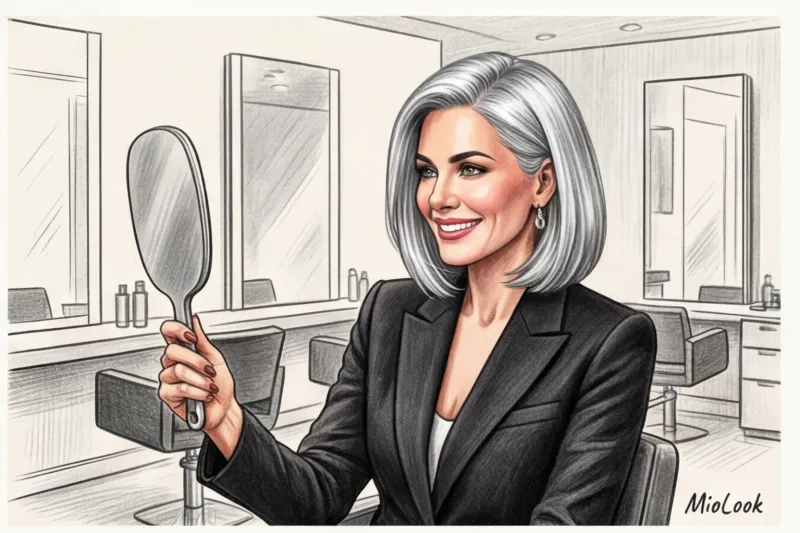
Gray hair after 35 isn't a reason to panic or get a short, boyish haircut if you don't want it. It's your personal platinum blonde, gifted to you by nature. With the right haircut and the cool shine of well-groomed hair, you won't look older, but more expensive, elegant, and confident. After all, a woman's status isn't determined by the absence of gray hair, but by the impeccable quality of her clothing.