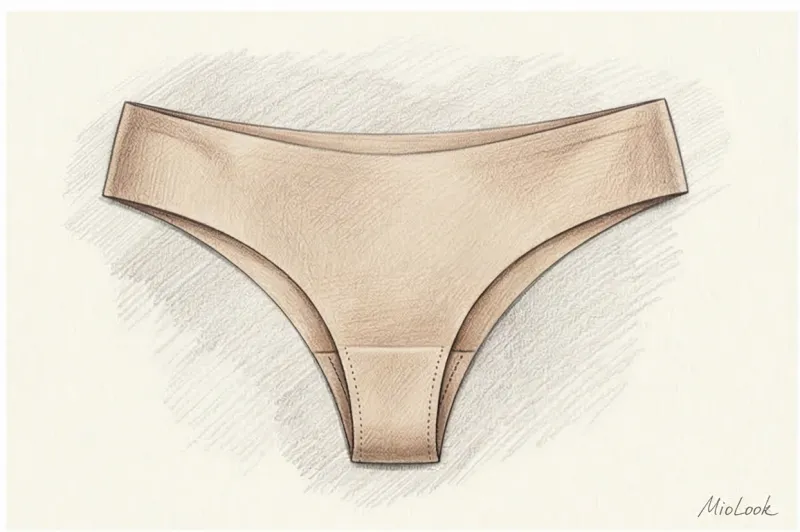
What is a thong?
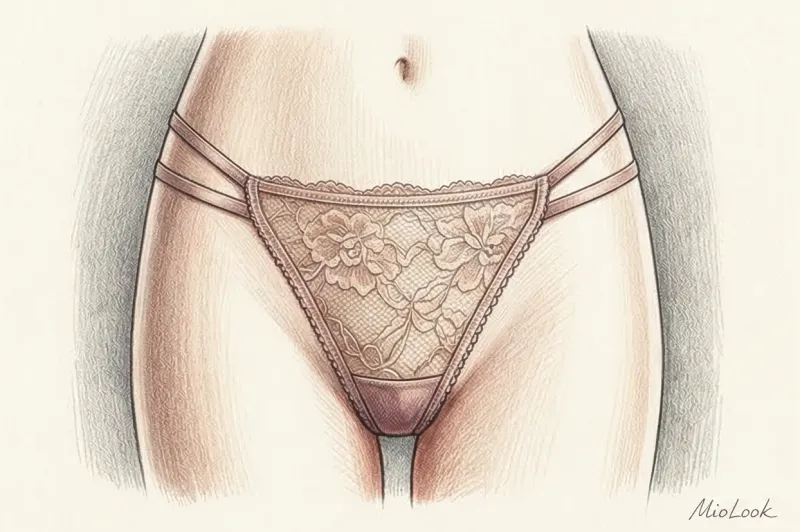
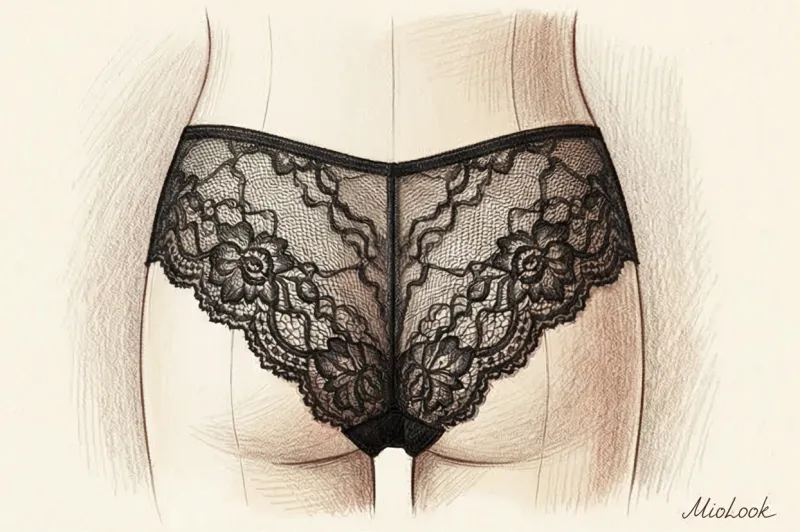
Thong panties A type of underwear in which the back panel is a narrow strip of fabric, ribbon, or lace, leaving the buttocks completely exposed. The main functional goal of this style is to eliminate the visible contours of the underwear under tight clothing (the VPL effect—visible panty line).
This style entered modern fashion in the 1970s, thanks to Austrian-American designer Rudi Gernreich. Thongs gained widespread popularity in the 1990s and early 2000s, becoming a staple in women's wardrobes, designed to be worn with specific clothing silhouettes.
Main types
The design of the thong varies depending on the width and location of the back piece, as well as the shape of the side pieces.
- G-string — the most open model, consisting of a small triangle of fabric in the front and thin laces on the hips and back.
- V-string - a variant in which the back narrow strip of fabric forms the letter V due to double fastening to the belt.
- T-string - a cut where the back strap intersects with the waistband at a right angle, forming a clear T-shape.
- C-string — a frame model without side straps and a belt, which is held on the body solely by an elastic anatomical design.
How to wear
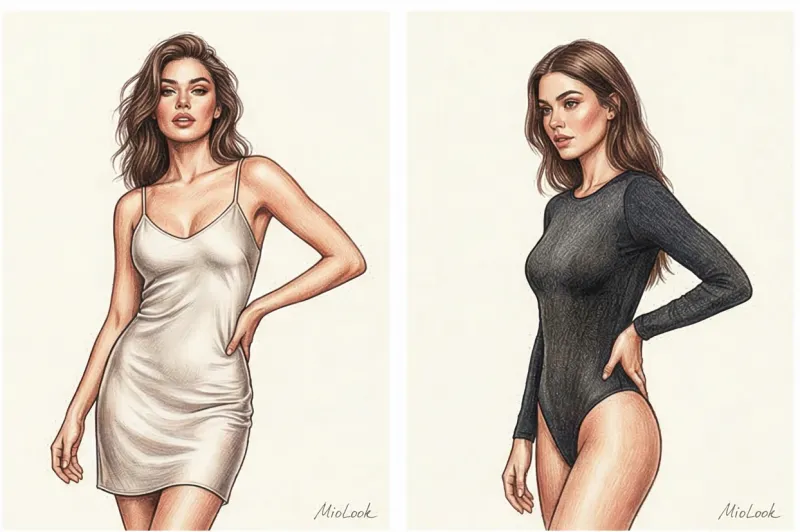
Thongs are the perfect choice for body-hugging silk slip dresses, fine knits, athletic leggings, and tailored pencil skirts. For maximum concealment, seamless styles made of smooth microfiber with laser-cut edges are used.
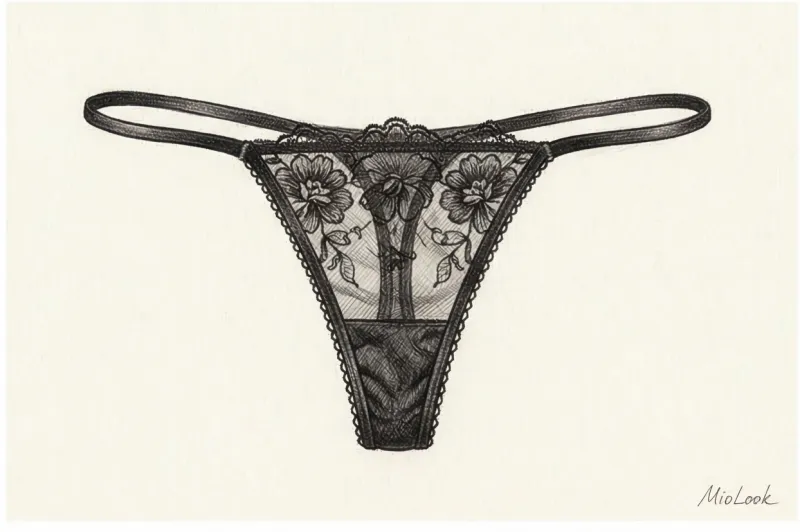
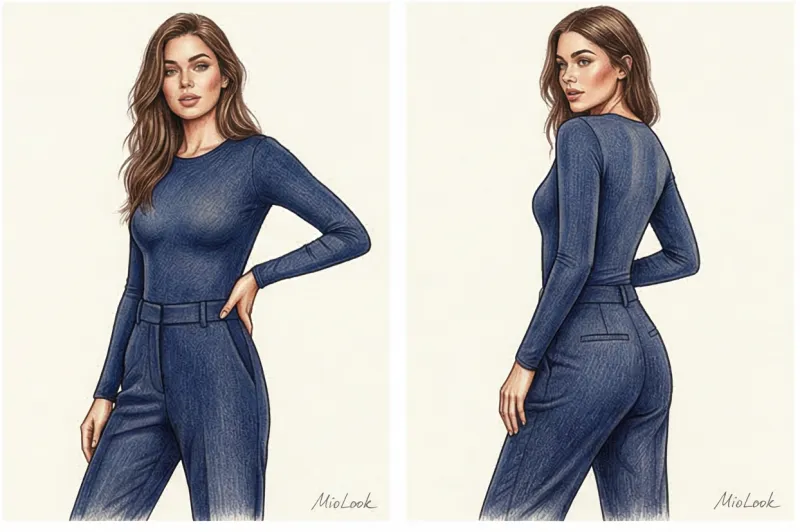
In the Y2K style, high-waisted thongs are worn with low-waisted jeans or cargo pants. This style features the side straps of the underwear deliberately extending above the waistband of the trousers, becoming a focal point of the look.
For everyday wear, beyond aesthetics, the composition of the materials is important. Safe and comfortable models always feature an internal cotton gusset, regardless of the fabric used.