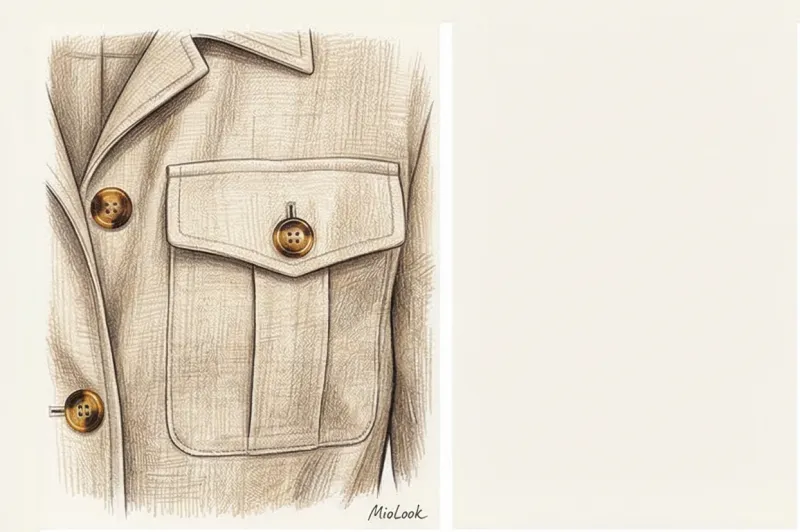
What is safari style?
Safari style — is a fashion trend based on the functional equipment of African hunters, explorers, and travelers of the late 19th and early 20th centuries.
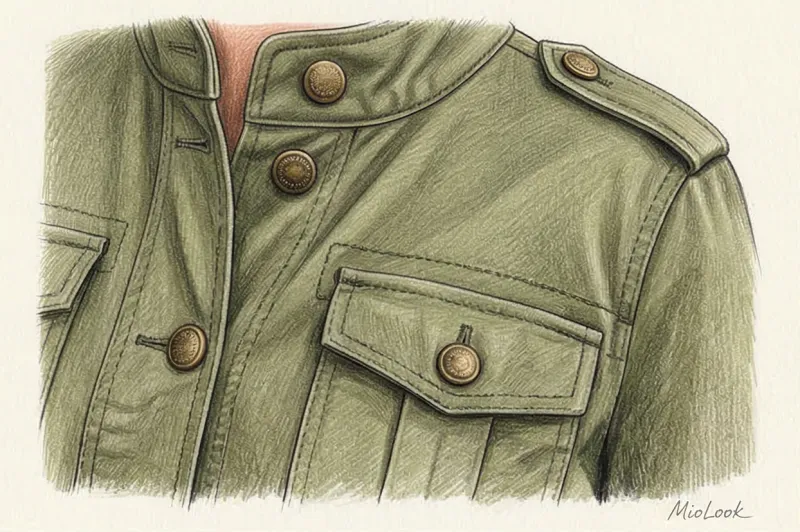
The style's concept is based on a combination of utilitarian military aesthetics, the comfort of sportswear, and natural elegance. This style entered high fashion in the late 1960s thanks to Yves Saint Laurent. The designer created the iconic laced "saharienne" jacket, which has become a wardrobe classic worldwide.
Distinctive features
The safari aesthetic is easily recognizable thanks to its distinctive palette, materials, and cut, all inspired by uniforms.
- Color palette: Camouflage, natural, and earthy shades. The base colors are khaki, olive, sand, beige, camel, terracotta, and mustard.
- Fabrics: Dense, breathable, and durable natural materials. Linen, cotton, canvas, matte suede, and fine leather are most commonly used.
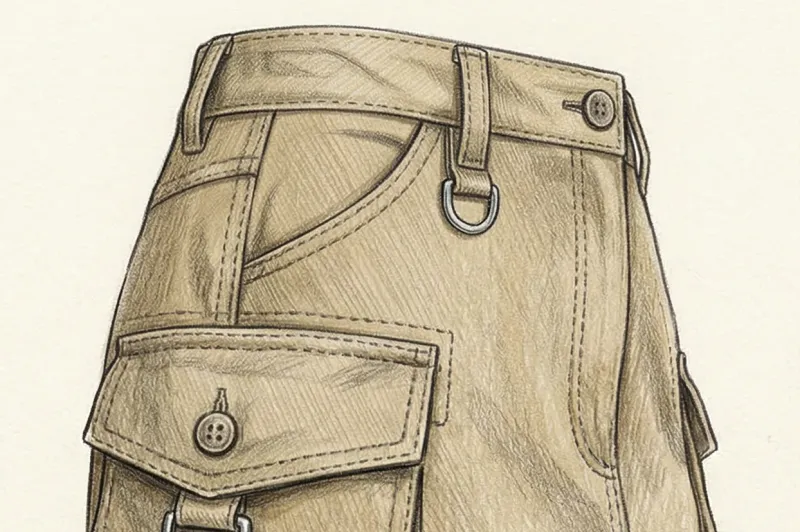
- Significant things: Belted safari jacket, cargo pants, Bermuda shorts, straight-cut shirt dresses and overalls.
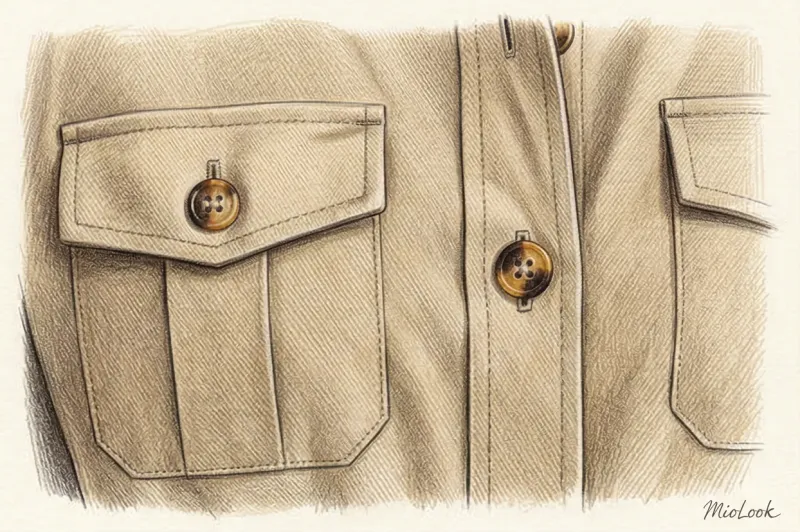
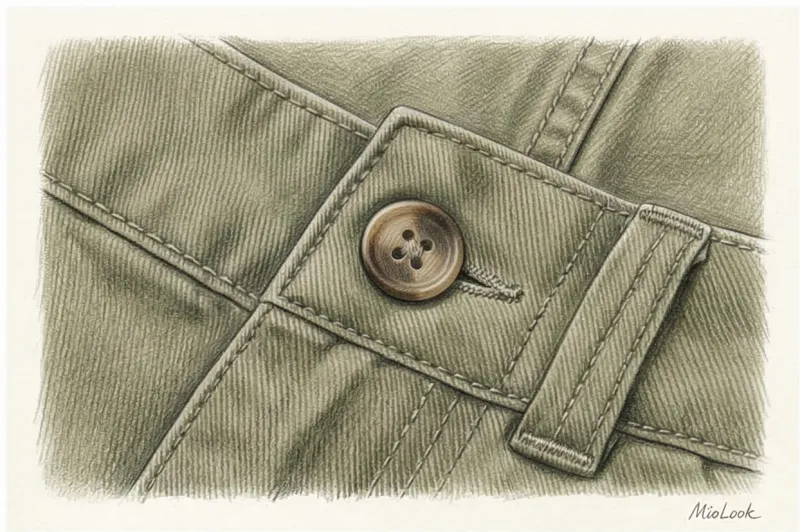
- Functional details: Large patch pockets with flaps, shoulder straps, and wide fabric or leather belts with buckles are common. Horn or wooden buttons are also common, as are rolled-up sleeves secured with tabs.
How to wear
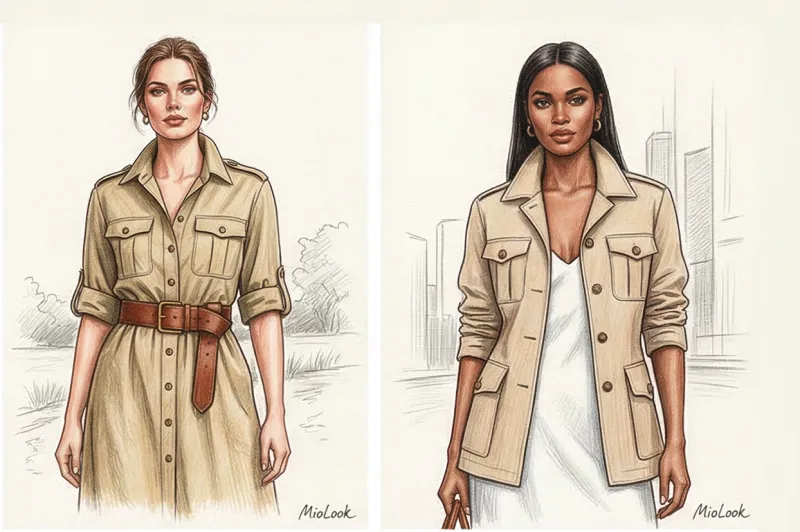
The modern safari style is easily adapted to both everyday urban looks and business dress codes.
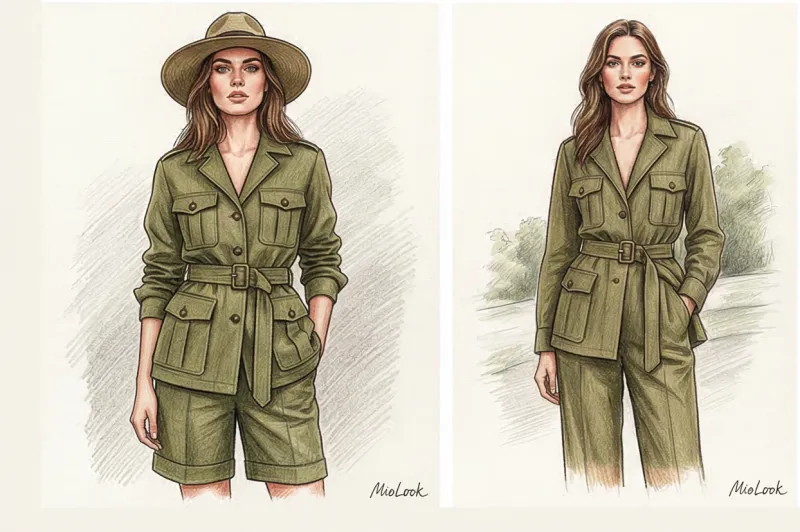
- Total look: Using a full safari suit (jacket and Bermuda shorts or trousers in the same shade) to create a classic, cohesive look.
- Adaptation for the city: A straight-cut shirt dress paired with leather sandals and a woven tote bag creates a comfortable summer wardrobe.
- Smart-casual integration: A structured linen safari jacket in a sandy color can replace a classic blazer in a summer office wardrobe, especially when paired with straight-leg trousers.
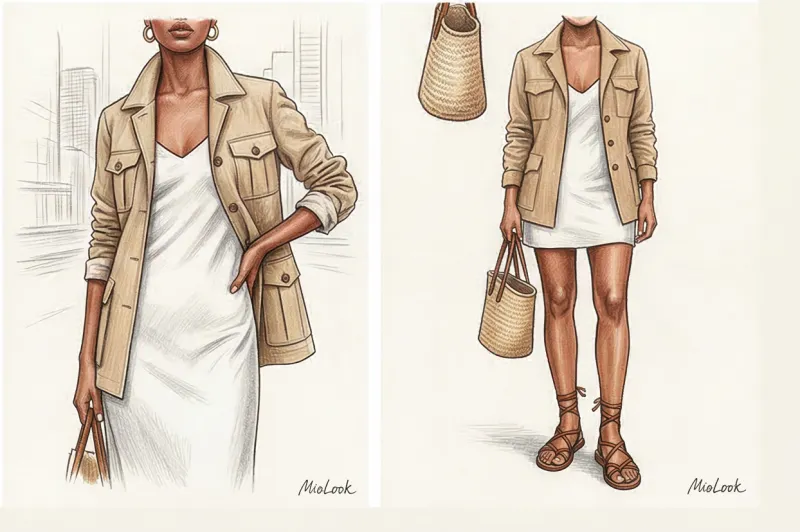
Espadrilles, leather lace-up boots, and minimalist sandals complete the look. Wide-brimmed hats, scarves, and aviator sunglasses are all appropriate accessories.