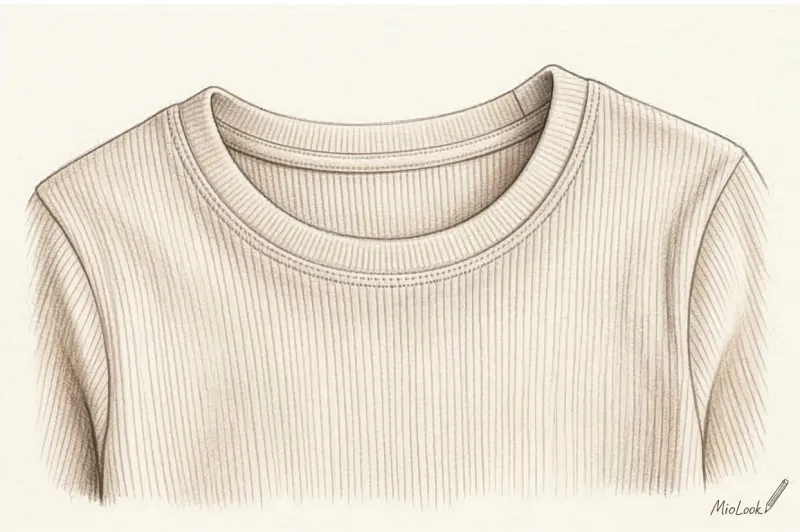
What is a long sleeve?
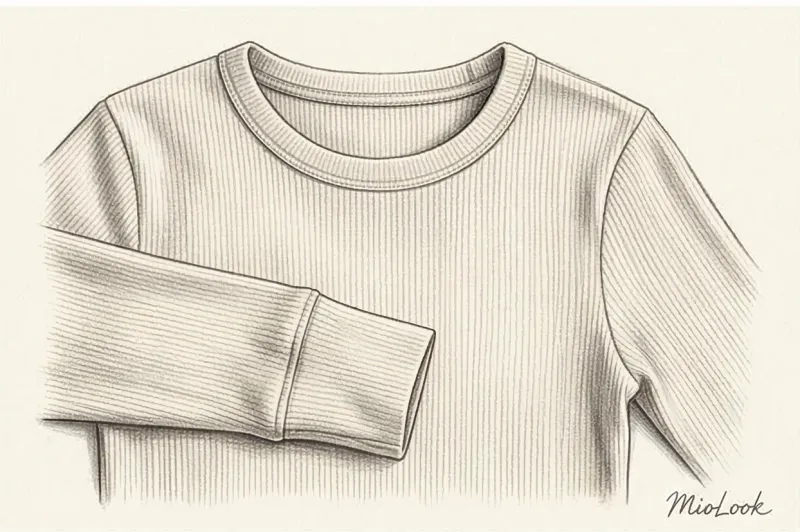
Longsleeve — is a long-sleeved T-shirt made of thin or medium-weight knit fabrics such as cotton, viscose, or blended fabrics. The name is derived from the English words long (long) and sleeve (sleeve), which directly indicates the main design feature of the product.
Historically, this garment originated as a piece of men's underwear—a vest—and later became part of sportswear. Over time, the long-sleeve shirt transformed into a basic everyday wardrobe item, losing its purely utilitarian purpose.
The classic model features a crew neck or V-neck. The distinctive feature of a traditional long sleeve is the complete absence of a collar, buttons, zippers, and patch pockets.
Main types
A basic long-sleeve top in a straight or semi-fitted silhouette is made of smooth knit fabric. Models in neutral shades—white, black, gray, or beige—are primarily worn as a base layer.
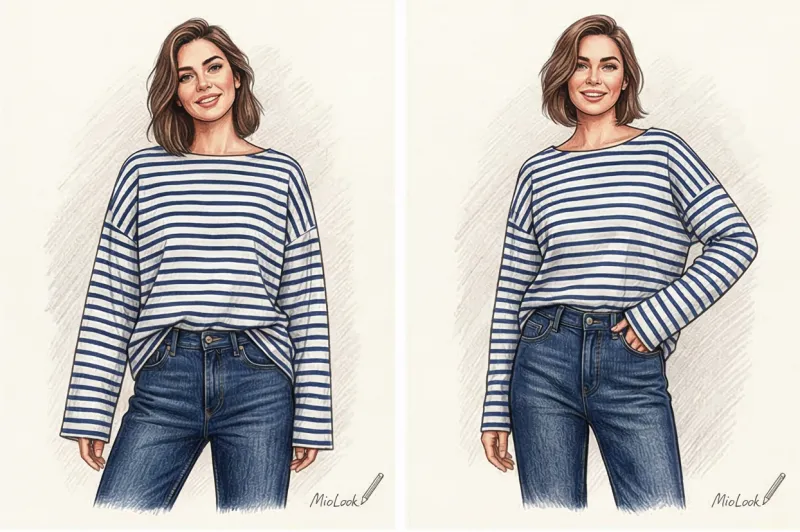
Oversized options feature a loose fit, dropped shoulders, and a heavier fabric. These pieces are worn as a standalone top, without layering.
The long-sleeve polo shirt is a hybrid design, complete with a soft turn-down collar and a short placket with two or three buttons. The ribbed long-sleeve shirt is made of stretchy textured knit and fits snugly, accentuating the silhouette.
What to combine with
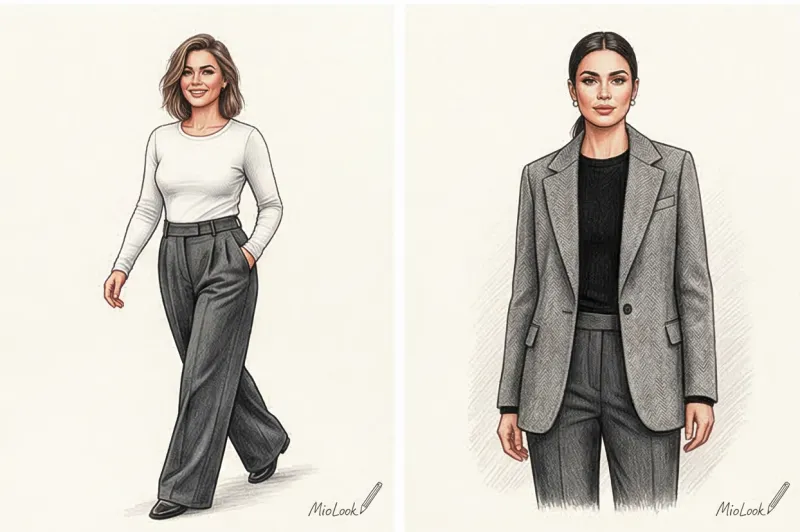
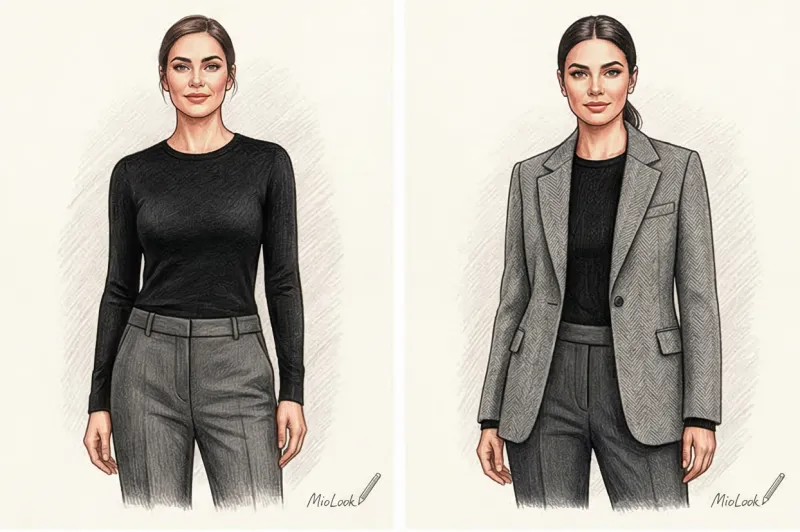
In a business casual wardrobe, a solid-color long-sleeve shirt made of smooth matte cotton replaces a classic shirt or blouse. It's worn under a tailored pantsuit, a straight-cut jacket, or a tweed blazer.
Layering involves using a form-fitting garment as a base layer. Thin knits are worn under voluminous chunky cardigans, suit vests, slip dresses with thin straps, or thick sundresses.
For everyday style, loose-fitting styles, including classic Breton striped options (sailor shirts), are paired with straight-leg jeans, cargo pants, and sneakers. To create a contrasting texture, smooth knits are paired with accent bottoms: smooth leather skirts, corduroy trousers, or flowing satin midi skirts.