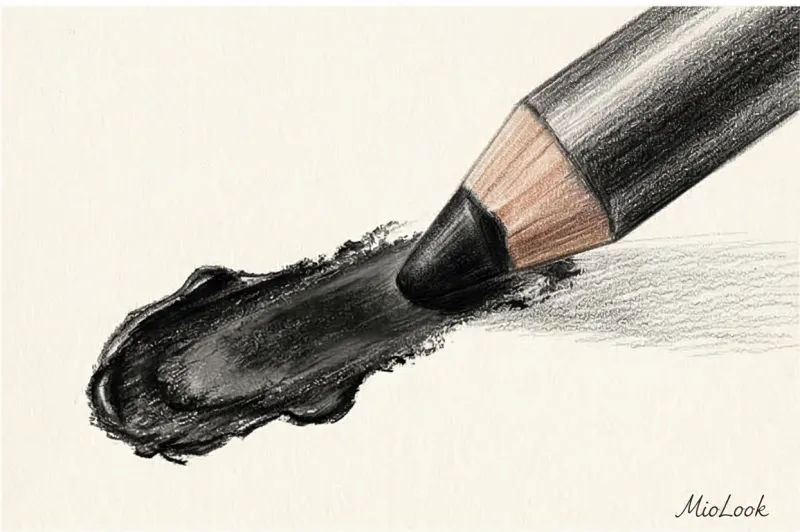
Kajal is a soft cosmetic eye pencil designed for lining the sensitive mucous membrane of the eyelid. The formula features a creamy texture based on natural waxes and mineral pigments without hard graphite. It is applied directly to the waterline or used as a base for smoky eyes.
What Does Kajal Mean in English?
When English speakers search for the definition of kajal, they are looking for a specific category of eye makeup. The word itself originates from Hindi and Urdu, historically referring to a dark, soot-based cosmetic applied to the edges of the eyes. In modern English makeup terminology, the term describes an ultra-soft, highly pigmented eyeliner pencil formulated specifically for the inner rim of the eye.
You will often see the terms kajal and kohl used interchangeably in Western beauty stores. While kohl has Arabic roots and kajal has South Asian roots, contemporary cosmetic brands use both words to indicate a pencil that is safe for the waterline, easily blendable, and free from the stiff binders found in traditional eyeliners.
The History and Origins of the Formula
The concept of darkening the eye area dates back thousands of years. This cosmetic remedy originated in Ancient Egypt, India, and the Middle East. Ancient civilizations created a rudimentary mixture using soot, crushed minerals like galena or malachite, and natural vegetable oils.
People did not apply this dark paste merely for aesthetic reasons. The dense black pigment helped protect the eyes from the scorching sun glare in desert climates. The mineral components also possessed mild antimicrobial properties, which helped ward off eye infections. In South Asian cultures, mothers traditionally applied a small dot of the pigment behind an infant's ear or on their forehead to protect them from the evil eye.
How Kajal Differs From a Classic Eyeliner Pencil
Understanding the difference between a standard eyeliner and a waterline pencil saves you from makeup frustration and potential eye irritation. A classic eyeliner pencil contains harder waxes and sometimes graphite-like particles. This stiffness allows the pencil to hold a sharp point, making it perfect for drawing precise, crisp wings on the outer eyelid.
However, if you drag a standard pencil across the wet mucous membrane of your eye, it often skips, fails to deposit color, or scratches the delicate tissue. Kajal solves this problem. It boasts a melting, creamy texture that glides effortlessly over moist surfaces. The formula delivers a rich, vibrant color payoff from the very first stroke without requiring any physical pressure.
Key Characteristics of Kajal Pencils
Modern cosmetology has refined the traditional recipe. Today, these products are hypoallergenic and completely safe for the sensitive eye area. They often include nourishing ingredients like vitamin E, chamomile extract, jojoba oil, and castor oil to prevent irritation.
| Feature | Kajal Pencil | Classic Eyeliner Pencil |
|---|---|---|
| Texture | Creamy, soft, and melting | Firm, holds a sharp tip |
| Primary Application | Waterline, tightline, lash roots | Outer eyelid, winged liner |
| Blendability | High (smudges easily before setting) | Low to medium (sets quickly) |
| Key Ingredients | Natural waxes, soot, soothing oils | Waxes, silicones, harder binders |
| Finish | Matte, intense, smoky | Matte, satin, or metallic |
How to Apply Kajal for Different Eye Makeup Looks
The versatility of this product makes it a staple in professional makeup kits. Because the formula does not set immediately upon contact with the skin, you have a window of time to manipulate the pigment.
Tightlining the Waterline
Tightlining is the most fundamental method of applying this product. By running a dark pencil along the upper and lower waterlines, you eliminate the flesh-colored gap between your eyeball and your eyelashes. This technique visually thickens the lash line and adds intense depth to the eyes without the obvious look of heavy eyeliner.
Creating a Smoky Eye Base
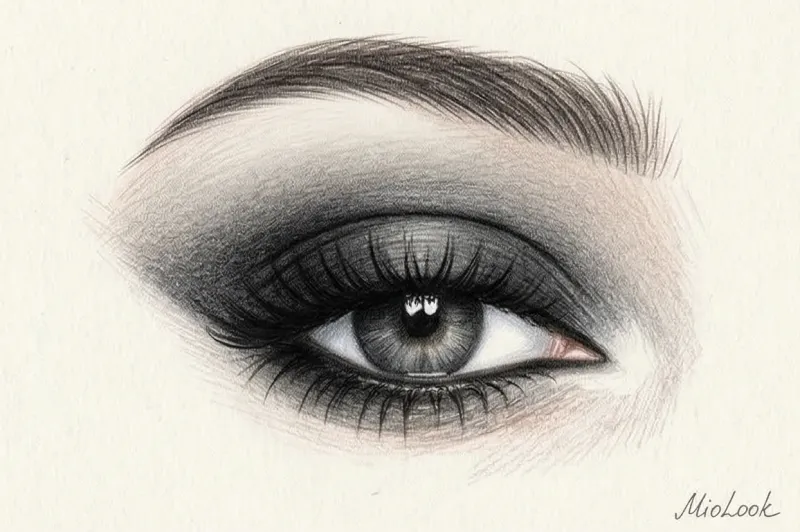
A soft pencil serves as the perfect foundation for a smoky eye. Apply the pigment generously across the mobile lid, staying close to the lash line. Before the product sets, take a dense synthetic blending brush and diffuse the edges upward. This creates a tacky, dark canvas. When you press dry powder eyeshadows over this base, the colors look significantly richer and last much longer without creasing.
Drawing a Smudged Wing
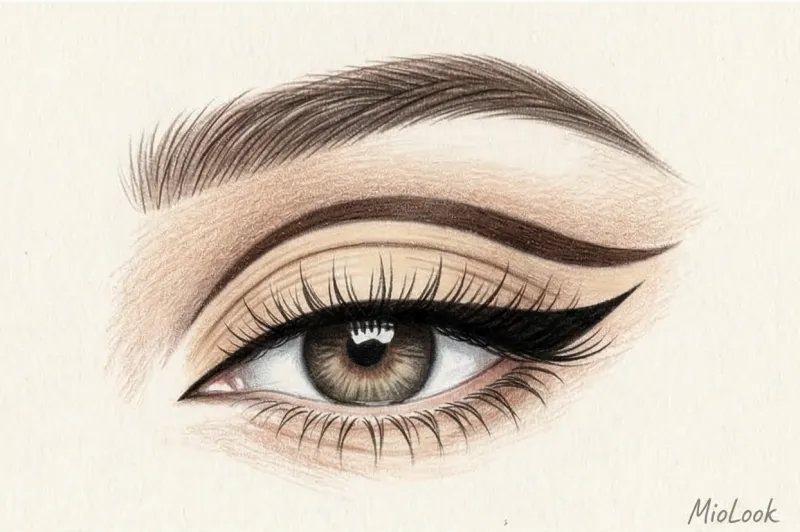
If liquid eyeliner feels too harsh or requires too much precision, try a smudged wing. Draw a thick line along your upper lashes. Take a small pencil brush and gently drag the pigment outward and upward at the outer corner of your eye. The creamy texture stretches beautifully, creating a soft, lived-in wing that looks effortlessly glamorous.
Brightening the Eyes
Not all waterline pencils are black or brown. Applying a light-colored pencil—such as beige, milky white, or soft pink—to the lower waterline visually enlarges the eyes. This makeup artist trick neutralizes redness, counteracts signs of fatigue, and makes you look instantly more awake.
Proper Removal Techniques
Because these formulas are designed to adhere to the wet environment of the eye, they are highly water-resistant. Attempting to remove them with regular soap and water or harsh rubbing will damage your eyelashes and irritate your skin. Always use a dedicated dual-phase makeup remover, a cleansing balm, or a hydrophilic oil. Massage the oil gently into the lash line to break down the waxes and pigments, then rinse away with warm water.