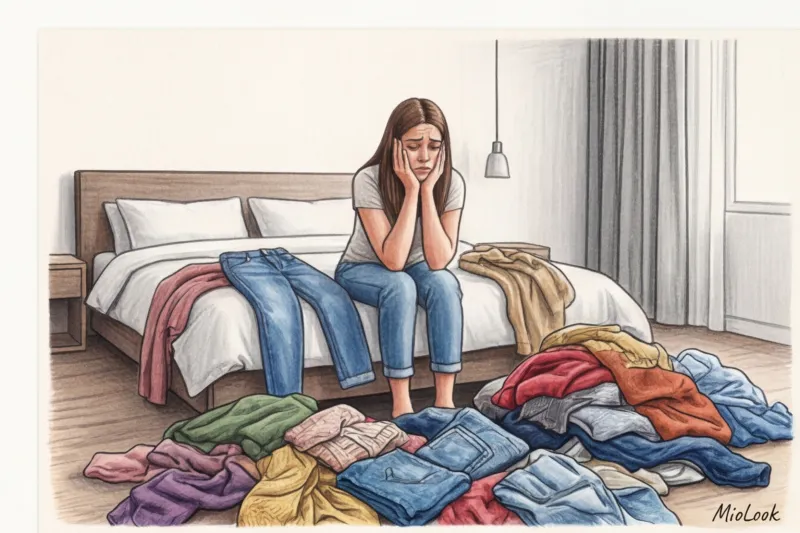

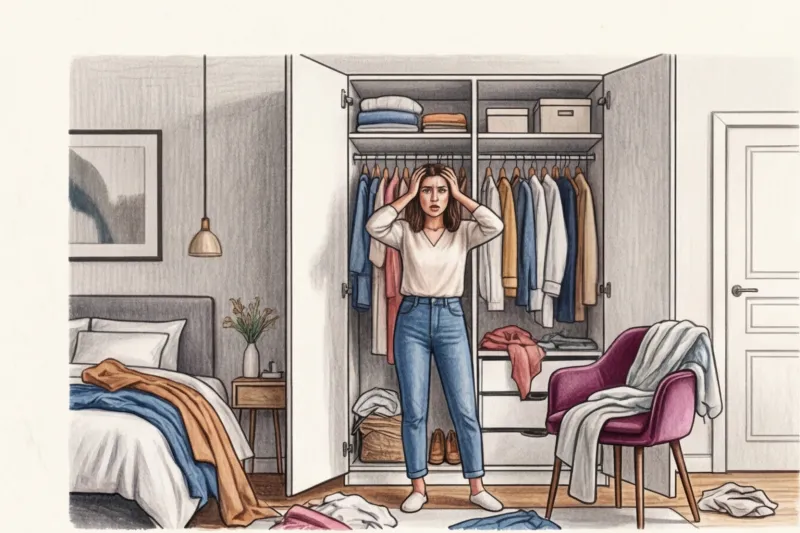
Picture a painfully familiar scene: you're standing in front of an open closet. The shelves are overflowing with sweaters, dresses are crammed tightly onto hangers, hangers are clinging to each other, but there's absolutely nothing to wear. According to statistics from the authoritative Wall Street Journal, most of us wear only 20% of our wardrobe 80% of the time. The rest of the clothes simply rent precious space in your bedroom, generating daily feelings of guilt over wasted money.
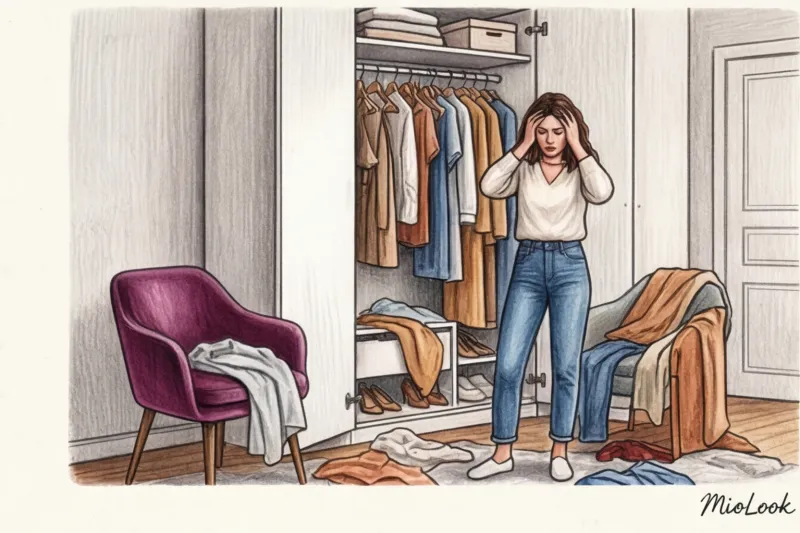
If you want to know, How to properly sort out your wardrobe Once and for all, forget the popular advice from the glossy magazines of the 2000s. This process isn't a simple spring cleaning or decluttering. It's a strategic audit of your personal assets. It's with this ruthless yet thoughtful analysis that building a functional database begins. We discussed the architecture of such databases in more detail in our article. The complete guide to creating a capsule wardrobe.
Why the classic wardrobe decluttering rules no longer work
Let's start with the biggest disappointment—the world-famous Marie Kondo method. Asking the question, "Does this item bring me a spark of joy?" when it comes to your basic wardrobe is stylistic nonsense. Your basic seamless nude bra, sleek white T-shirt, or thick thermal top are unlikely to bring tears of joy. But it's precisely this "boring basics" that provides the invisible architectural framework that makes your new $500 silk blouse fit so perfectly.
Another toxic myth is the so-called "12-month rule" (if you haven't worn something for a year, throw it away). After 12 years of practicing, I've come to hate this rule.
Recently, a client approached me about almost donating a vintage, impeccably tailored Yves Saint Laurent wool jacket to charity. The reason? She hadn't worn it for a year and a half while on maternity leave. We rescued this sartorial masterpiece, integrated it into her new reality, and now it's the star of her work looks.
The pandemic and lifestyle changes have long proven that quality investment pieces can wait for their moment. Instead of mindlessly purging, I suggest evaluating your wardrobe through the lens of cost-per-wear (cost per outing). A $30 acrylic sweater that will pill after two washes and lose its shape will cost you $15 per outing. A luxurious $300 cashmere jumper that you'll wear 100 times over five years will only cost you $3. The difference is colossal.
Preparing for an Audit: Think Like a Professional Stylist
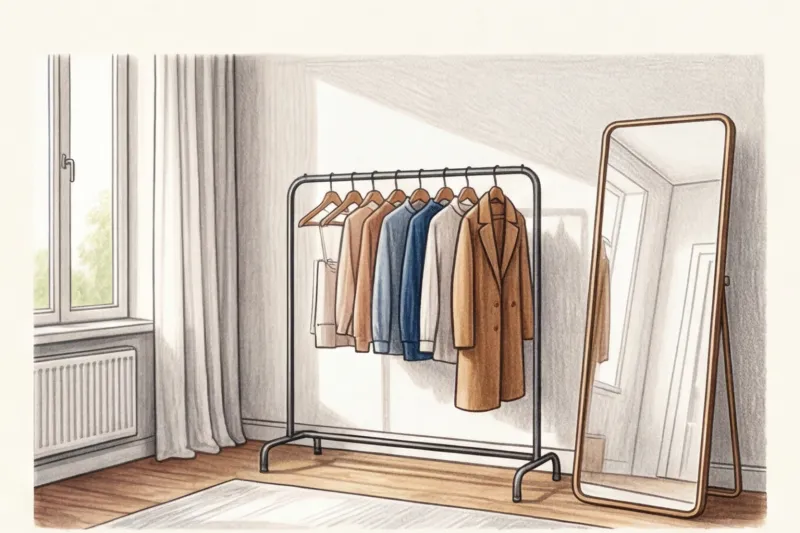
Sorting out your wardrobe on your bed in a dimly lit bedroom is doomed to failure. You need the right, almost laboratory-like environment. Prepare a tall floor mirror (it shouldn't distort proportions), a separate floor rail, bright daylight, and a set of identical wooden or velvet hangers. Mismatched dry-cleaned hangers not only create a lot of visual noise but also permanently distort the shoulder seams of your jackets.
Emotional preparation is no less important. I often see women cling to objectively inferior items due to the "sunk cost fallacy" effect. "But I spent half my salary on that dress!" is the most common phrase in my consultations. My answer is always the same: the money is already spent. Keeping an item that doesn't flatter you won't get a refund. You'll only continue to pay for this mistake with your bad mood every morning.
And the golden rule: never mix seasons. Auditing summer chiffon and winter wool at the same time is a surefire way to analysis paralysis within two hours. Work exclusively with the current season.
Your perfect look starts here
Join thousands of users who look flawless every day with MioLook. A smart AI stylist will help you digitize your wardrobe.
Get access — €0.99 onceHow to Organize Your Wardrobe: Giulia Rossi's Step-by-Step Guide
The standard three-piles of "keep, throw away, give away" don't work. They force you to make the final emotional decision too early, before you see the whole picture. My system works differently.
But first, let's apply the "blank canvas" rule. The closet should be absolutely, crystal clear. Take everything out. Wipe off dust from the shelves. Only when you see the actual amount of free space will you understand the level of airiness and freedom we're striving for.
Step 1: Blind Tactile Test and Quality Assessment
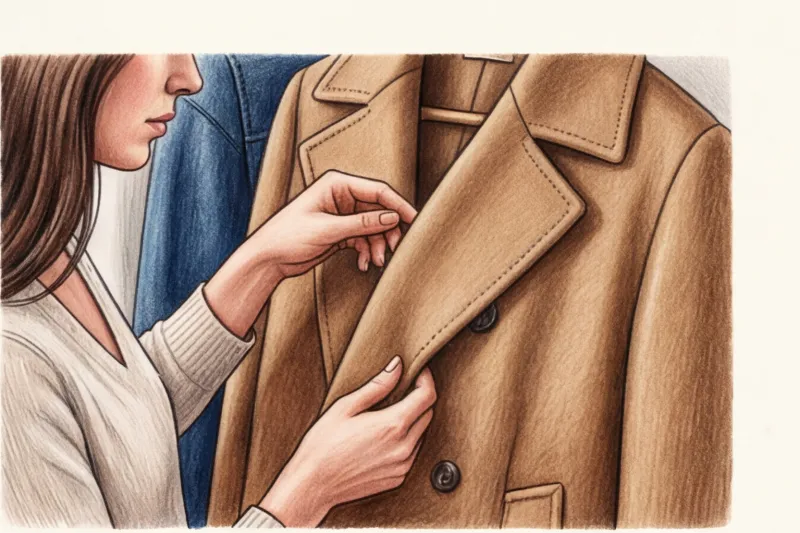
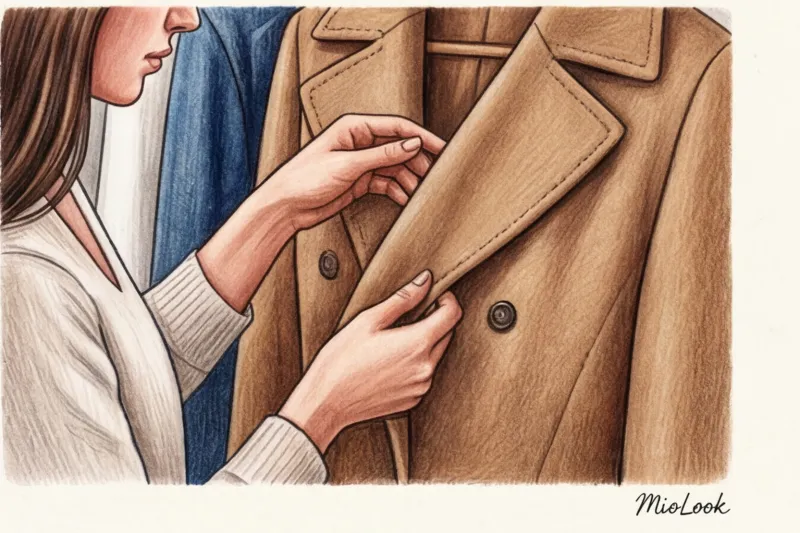
Before even thinking about style, color, or trends, we evaluate the physical integrity of a garment. My signature technique, which always shocks clients with its effectiveness, is the "blind test." Close your eyes and run your hand over the fabric.
- High-quality, dense cotton (from 180 g/m²), cool, flowing viscose or silk are instantly recognizable by the skin.
- If the fabric creaks under your fingers, feels uncomfortably itchy, or feels too thin, loose, or papery, don't even bother opening your eyes. This item will cheapen absolutely any look, even if it's impeccably tailored.
Next, we conduct a merciless technical inspection. Elbows bulging on turtlenecks, indelible yellow deodorant stains on white T-shirts, misshapen shirt collars—all of these are thrown in the trash. According to Fashion Revolution (2023), the lifespan of fast fashion is drastically reduced due to brands cutting corners on yarn spinning. Saving such items is pointless.
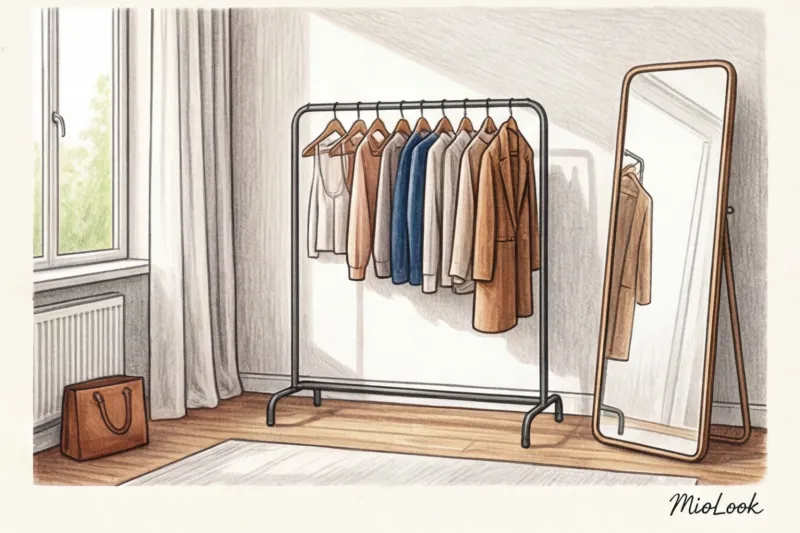
But if a seam in the lining of a luxurious camel coat has come apart, or the cheap plastic buttons need replacing with horn ones, feel free to put it on the "to the tailor" pile. It's a worthwhile investment.
Step 2: Try-on and honest assessment of fit
Everything that passes the fabric quality test must be tried on. Absolutely every single item. And don't just stand there in front of the mirror, sucking in your stomach. Test your movements: sit on a chair, raise your arms (as if you were reaching for a coffee on the top shelf), and take a few long steps.
Are your trousers treacherously digging into your waist when you sit down? Is your jacket armhole so tight you can't even place your hands on the steering wheel? Goodbye. The luxury approach to style dictates that clothes should serve you and your comfort, not that you should endure discomfort for the sake of a pretty face.
Be honest about how your current body type fits. Your body changes with age, and that's perfectly normal. Slipping into jeans that flatten your butt just because the tag says you want a size S is a daily crime against your self-confidence.
Step 3: Assessing Investment Potential
For items that fit well but raise doubts ("I wore them once to a corporate event"), we use style math. Ask yourself three questions:
- Does this item fit my current status? If you've moved into a management position, childish chunky knit cardigans can no longer be a staple of your wardrobe.
- Does it justify its potential cost-per-wear?
- Does it fit into the concept of the future capsule? If you have a gorgeous skirt in a complex mustard shade that you have absolutely nothing to wear with, and need to buy a top, jacket, and bag to complete it, that's not an asset. It's a liability, draining your money.
Access to MioLook for €0.99 — one-time payment
Start creating your perfect looks with AI. Upload items you're unsure about and see what you can pair them with.
Get access — €0.99 onceGray area: "what if I lose weight" items and sentimental purchases
According to global consumer behavior research, up to 40% of the space in the average woman's closet is taken up by clothes for a "fantasy version of yourself" or a past self. This is a colossal waste of valuable space.
The main trap is keeping pants two sizes too small in plain sight as "motivation for the gym." In practice, this acts as a constant background stress trigger and a visual reminder of imperfection. You open your closet to get dressed for work, only to be reproached by your own jeans.
To be fair, I should point out that my strict decluttering rules They don't work If you're going through a transitional phase in your life, such as the first year after having a child or during hormone therapy, consider investing in your body. During these periods, your body changes monthly, and it's simply too early to make radical investment decisions.
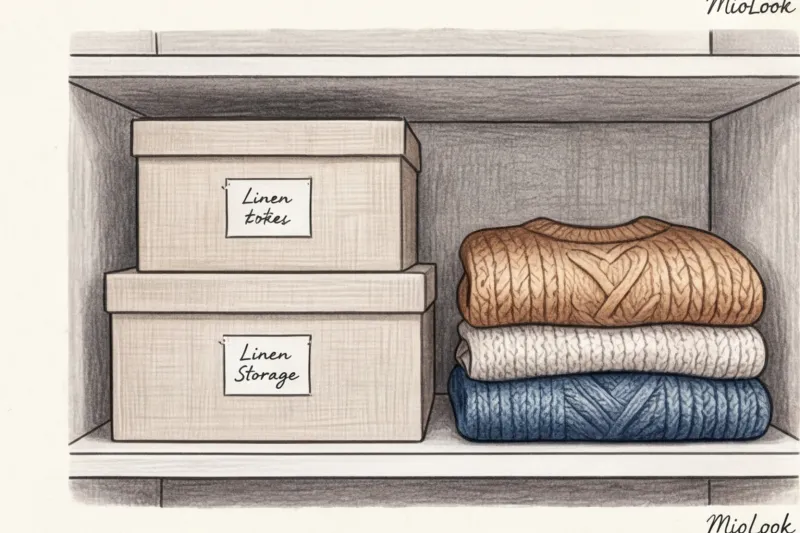
For such occasions, as well as for "what if" items, I use the "Quarantine Box" method. Place all your tight, questionable, and "too dressy for my city" clothes in a high-quality, breathable trunk. Close it and put it on the top shelf for exactly six months. If you haven't thought about its contents in six months, give the box away without even opening it.
As for vintage items and memorabilia (a wedding dress, a mother's scarf, a leather jacket from her student days), they have every right to exist. But they shouldn't be hanging on a busy, everyday railing. Their place is in archival storage on the back shelves.
From Chaos to Capsule: How to Analyze What Remains
Once the emotional dust settles, only the best will remain on your railing—high-quality items that fit you perfectly and suit your lifestyle. You'll be surprised, but these seemingly thinned-out rows are the literal foundation of your ideal capsule wardrobe.
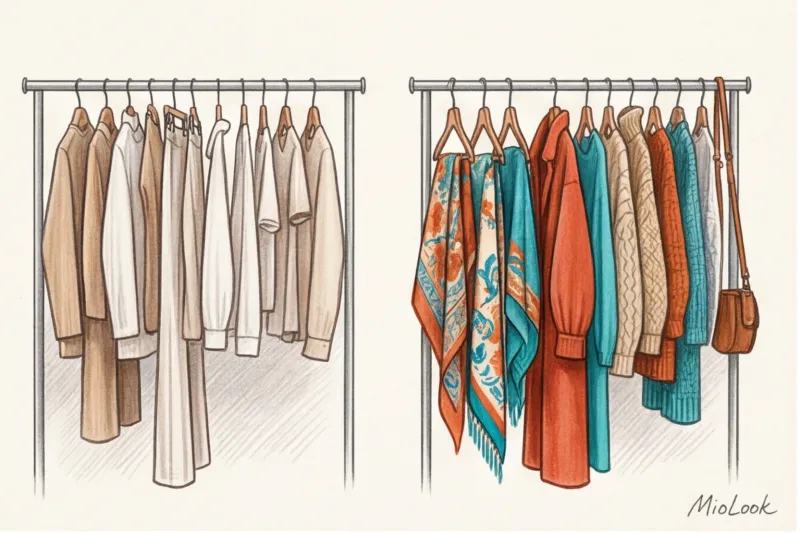
Take a look at this "core" from a distance. What do the pieces you've kept have in common? Perhaps you've noticed that you gravitate toward cool graphite shades, or that 80% of your base is structured, architectural tailoring. Congratulations, you've just found your style DNA.
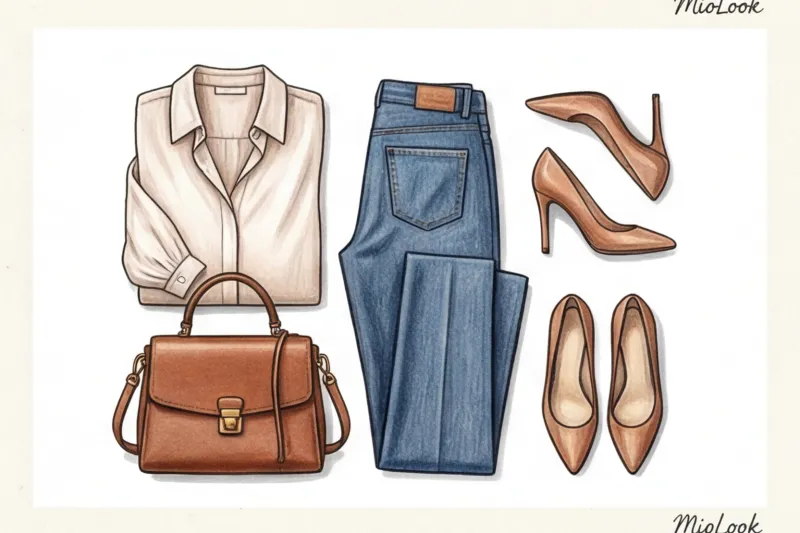
Now let's check the functionality of the remaining base according to the golden rule of stylists: "1 bottom = 3 tops" For every remaining skirt or pair of trousers, you should be able to easily find three different tops. For example: a cashmere turtleneck for the office, a relaxed T-shirt for the weekend, and a silk blouse for dinner.
If only one specific shirt goes with your perfect wool palazzo pants, you need to add a basic jumper to your shopping list instead of buying another pair of trousers. This creates a smart shopping list that fills any gaps in your wardrobe.
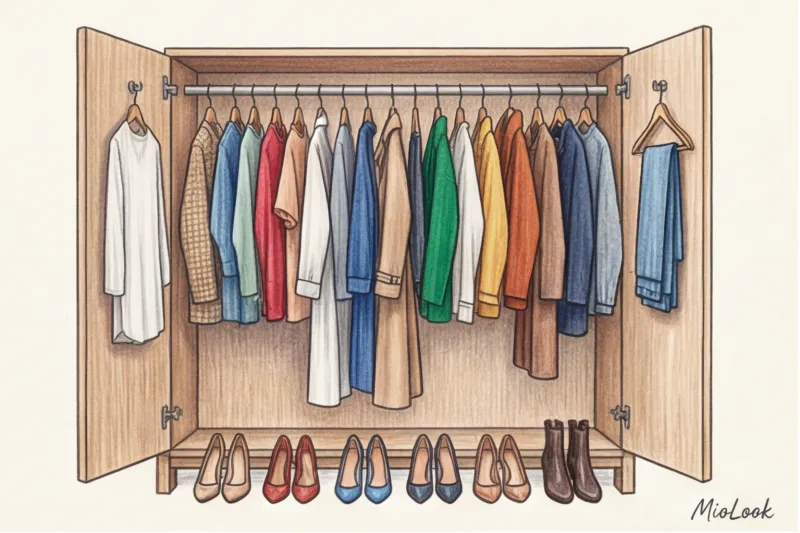
When returning items to your closet, follow the merchandising rules of high-end boutiques. Hang clothes strictly by category (from lightweight tops to heavy jackets and long dresses), and within categories, arrange them according to a color gradient from light to dark. This visual order reduces cognitive load in the morning by 90%.
Checklist: Regular Maintenance for Your Perfect Closet
To avoid wasting entire weekends heroically battling a mountain of clothes, develop the habit of micro-audits. At the end of each season, before putting your clothes away, take a critical look at them. That summer linen dress you never wore? Get rid of it immediately; don't let the problem persist until next year.
Maintain a healthy wardrobe with this no-compromise rule one in, one out (One thing comes, one goes). Bought a luxurious new maxi coat? That means that old, out-of-date peacoat needs to go.
And finally, proper care. Investment pieces require an investment-grade approach, otherwise they'll quickly become visually mass-market. Here's the bare minimum from a stylist:
- Place natural red cedar blocks next to cashmere and merino for eco-friendly moth repellent.
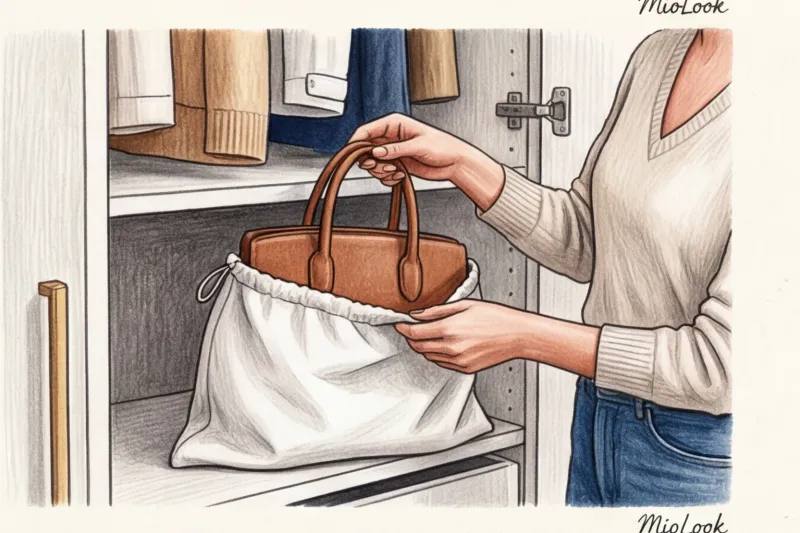
- Use only breathable cotton dust bags to store leather bags. Plastic bags damage the leather by depriving it of moisture and causing cracks.
- Insert cedar shoe trees into leather shoes immediately after removing them. The wood will draw out excess moisture overnight and prevent deep creases from forming.
Ready to get started?
Try the MioLook free plan—no commitments required. Digitize your updated wardrobe and create capsule collections in one click.
Get access — €0.99 onceDon't strive for sterile, lifeless minimalism if it conflicts with your nature. The goal of a proper closet audit isn't to throw out as many items as possible for the sake of a pretty, empty closet, but to keep only what enhances your status and comfort. Treat your wardrobe like an elite, private club: access is strictly by pass, and random guests who ruin the establishment's reputation are definitely not welcome.