Fashion Aesthetics and Microtrends: How the Internet Has Changed the Fashion Industry
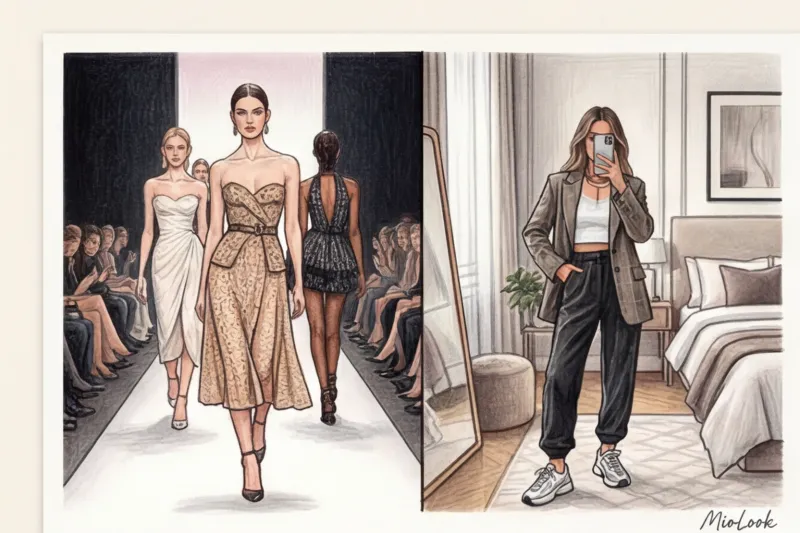
September, Paris, the Palais de Iena. I'm standing at the entrance to the Miu Miu show, watching the guests arrive. Over 12 years as a fashion journalist, I've become accustomed to the unshakable rule: we get our main insights from the catwalk. But in the last few seasons, the rules of the game have changed radically. The girls posing for street style photographers before the show—in microskirts, revealing lingerie with the brand's logo, and deliberately distressed leather jackets—dictate trends faster than the Miuccia Prada collection itself. Their multi-layered, complex looks spread across the internet in minutes. This is how trends are born today. fashion aesthetics: Even before the first model appears in front of the audience, the Internet has already given its verdict and begins copying the guests' style.
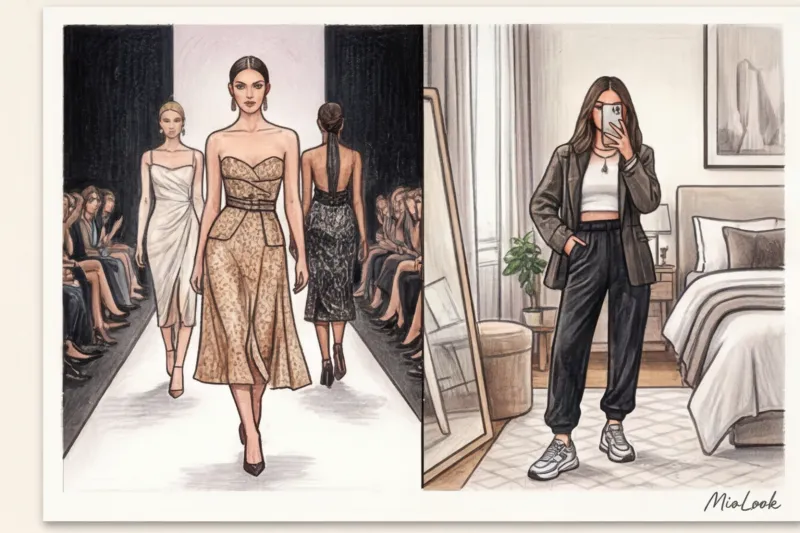
The era of the absolute dictatorship of glossy magazines and great couturiers has officially ended. While Christian Dior created the New Look silhouette in the middle of the last century, and the entire world obediently wore it for a decade, today viral videos rule the roost. According to the global research institute WGSN (2023), TikTok's algorithms have accelerated the trend cycle to alarming proportions. What once took years to develop and required the approval of fashion editors now flares up and burns out in a matter of months. The internet has democratized the industry, giving a voice to the streets, but simultaneously plunged fashion into a state of permanent chaos, where a new "must-have" emerges every week.
It was in this fertile ground that the phenomenon of the "-core" suffix flourished. Remember how ten years ago the world first began talking about Normcore—the desire to appear as discreet as possible? That was just the tip of the iceberg. Today, this suffix has become the main marker of our time. Gorpcore makes city dwellers wear high-tech Arc'teryx jackets and Salomon trekking boots as if they were heading straight from the office to conquer the Alps. Cottagecore immerses us in a romanticized fantasy of life in nature: with puffed linen dresses, picnic baskets, and baking homemade bread—even if your reality is limited to a 25th-floor apartment.
Why are we so obsessed with these micro-universes? In my experience as a stylist, the answer is clear: fashion aesthetics today aren't just a set of clothes; they're a visual code plus a lifestyle. In an era of economic crises and digital fatigue, fashion has become a legitimate and accessible form of escapism. We're literally role-playing for adults. One day you're trying on the image of an intellectual from an ancient university (Dark Academia), the next, a carefree girl from the seaside. We're not just buying a cardigan or a skirt; we're buying a ticket to another reality, where we can be whoever we want.
Eight out of 10 of my clients admit to feeling anxious because of this endless kaleidoscope. To avoid buying everything in sight in an attempt to catch the latest aesthetic, I always recommend digitizing your database. Upload your favorite and tried-and-true items to the "smart wardrobe" feature in MioLook and look at them objectively. When you have your actual wardrobe in the palm of your hand, it's much easier to understand whether the latest trendy item will fit in or is just a momentary whim imposed by algorithms.
Style, trend and aesthetics: what's the difference?
Confusion between these three terms is the main cause of thoughtless purchases and the "closet full, nothing to wear" syndrome. Let's draw a line once and for all. I always ask my clients to remember this simple classification:
- Style (lives for decades): This is the fundamental DNA of your wardrobe. It's based on your lifestyle, body type, profession, and personal comfort. If you, like Jane Birkin, have for years favored relaxed tailoring, denim, white shirts, and minimal makeup, this is your style. It's individual, recognizable, and largely unaffected by the storms of industry.
- Trend (lives from 1 to 3 years): It's a specific fashion tool. A buttery color, a low-waist silhouette, Mary Janes, leopard print, or a baguette bag. Trends come and go, but they're easy and safe to integrate into your established style by selectively purchasing one or two trending pieces per season to refresh your look.
- Aesthetics (lives from one month to one year): It's a holistic visual universe, often with elements of overt cosplay. It demands complete immersion: from specific makeup and hairstyles to choosing a phone case and a filter for social media photos. Aesthetics dictate not only What you wear, but also what kind of coffee you drink and what music are you listening?
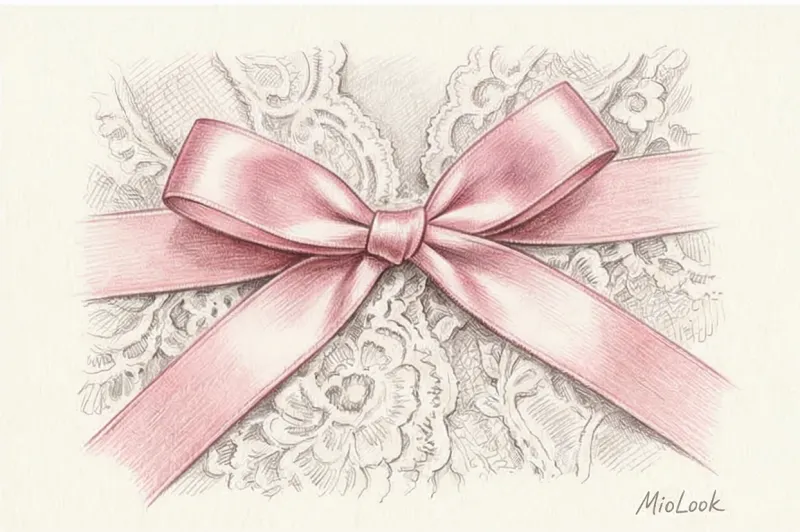
Understanding this difference literally saves your budget. You can have a strict, classic style, embrace the long-lasting burgundy trend in accessories, and, for just one evening, embrace the Coquette Core aesthetic with a playful silk bow. The main rule of conscious fashion is not to confuse temporary roles with your true fashion identity.
The Decade's Top Fashion Aesthetics: From Old Money to Y2K
According to WGSN's 2023 analytical report, the average lifespan of a viral microtrend on social media has shrunk to a disastrous three to five weeks. Items flash on the feed and fade away before they even reach mass-market warehouses. However, amid this endless visual noise, powerful macro-aesthetics have emerged that have lingered with us far beyond a single season. They have become more than just a collection of clothes, but true sociocultural phenomena that reflect the zeitgeist. Let's explore the most influential visual codes shaping our wardrobes right now.
Old Money and Quiet Luxury: The Illusion of Aristocracy
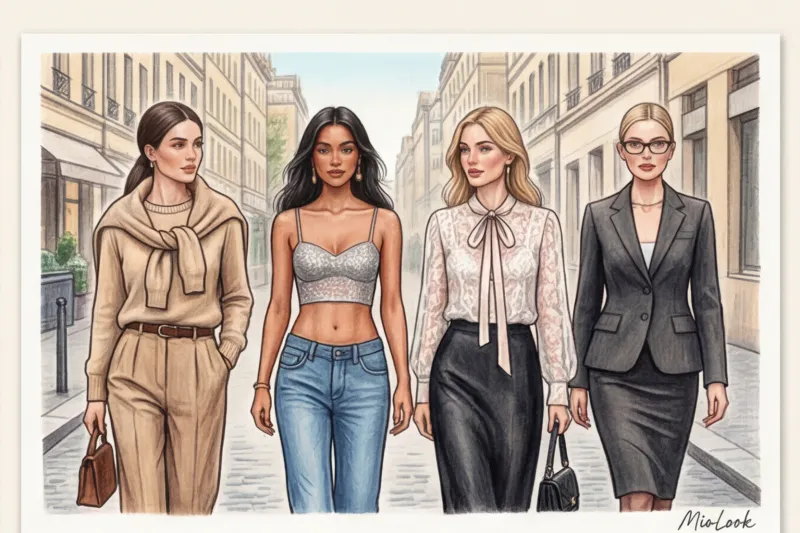
If there's one aesthetic that has captured minds (and wallets) with unprecedented force, it's "quiet luxury." Its visual code is instantly recognizable: uncompromising minimalism, premium fabrics (cashmere, silk, vicuña), a complete absence of logos, and a sophisticated palette of neutrals—from oatmeal to deep camel.
But as someone who has studied fashion history for years, I'm obliged to debunk the main myth: what the internet calls Old Money is pure cosplay. True hereditary aristocracy doesn't wear perfectly pressed beige total looks. The real wardrobe of European elites is a threadbare waxed Barbour jacket, worn-out loafers, and a twenty-year-old sweater. If you're looking for a true reference for "quiet luxury," look to Carolyn Bessette-Kennedy in the '90s. Her masterful, almost casual use of Yohji Yamamoto's architectural tailoring and simplistic Prada dresses is the true epitome of wealth that whispers, not shouts.
Why have we fallen so in love with this style now? The answer lies in macroeconomics. In an era of economic instability and looming recession, conspicuous consumption (logomania) is becoming de rigueur. Fashion always responds to crises with a retreat into asceticism. We buy a basic cashmere jumper (even if not a €1,500 Loro Piana one, but a high-quality merino wool one for €120) because it offers the illusion of stability, respectability, and control over our lives.
Y2K and McBling: Glamorous Rebellion and Nostalgia
Once the minimalist pendulum reaches its peak, it inevitably swings back. The Y2K aesthetic and its more flamboyant cousin, McBling, brought back low-waisted dresses, rhinestones, crop tops, baguette bags, and plush velour suits in the spirit of early Paris Hilton.
Observing this trend from the fitting room is a distinct pleasure. I recently worked with a twenty-year-old client who was genuinely delighted to discover extremely low-rise jeans. For millennials, the 2000s are a safe, glossy utopia, a time before smartphones and global crises. But for millennials, the return of Y2K has presented a challenging challenge of nostalgia, closely tied to the toxic diet culture of that era (when size zero was the only acceptable fit).
To adapt Y2K style today without looking like you're going to a costume party, I recommend embracing the rule of contrast. Pair velour hoodies with tailored, classic trousers with a crease, and low-rise jeans with oversized, mannish jackets. This will balance out the childishness of the 2000s with modern tailoring.
Coquette Core: A New Reading of Hyper-Femininity
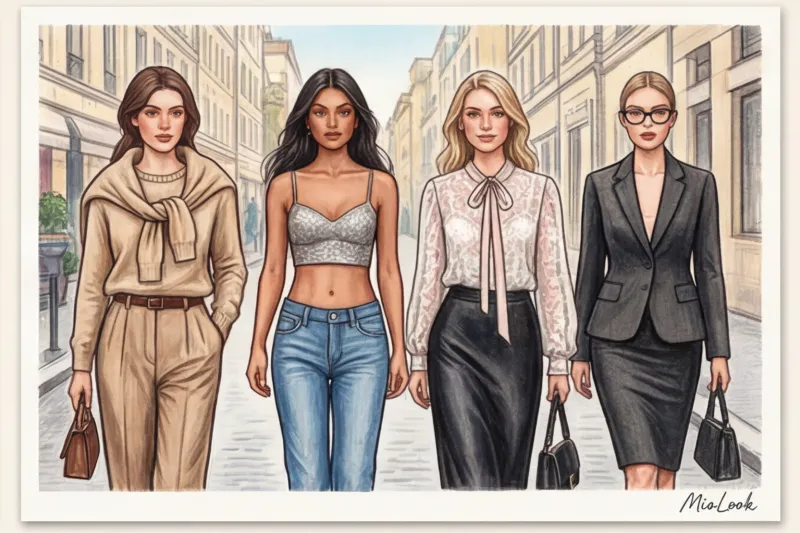
Bows, abundant lace, corsets, pearls, and marshmallow pastels—the Coquette aesthetic seems, at first glance, the apotheosis of childishness. But this impression is deceptive.
In the collections of Sandy Liang and Simone Rocha, we see a completely new interpretation of hypertrophied femininity. Historically, "girlish" attributes were devalued by society as frivolous and unserious. Today, Coquette Core is a unique statement. Women are reclaiming their right to wear pink, braid ribbons in their hair, and don corsets not to please the male gaze, but solely for their own pleasure. This is hyperfemininity used as armor.
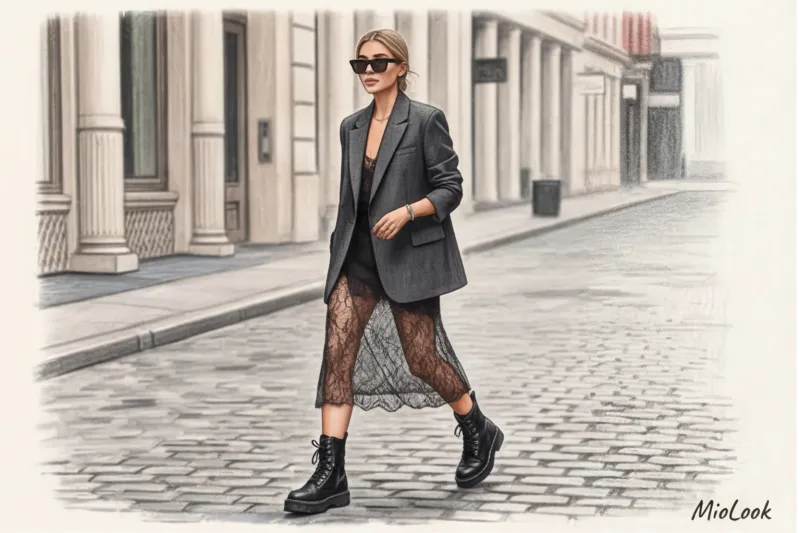
In practice, I always recommend grounding this aesthetic. If you're wearing a blouse with lots of lace, balance it out with chunky Chelsea boots or distressed straight-leg jeans. The contrasting textures create a sophisticated and modern look.
Access to MioLook for €0.99 — one-time payment
A smart AI stylist will analyze your appearance and help you seamlessly incorporate elements of any aesthetic—from Old Money to Office Siren—into your everyday wardrobe.
Get access — €0.99 onceCorpcore and Office Siren: Rethinking the Business Dress Code
Remember Gisele Bündchen as Serena in The Devil Wears Prada? That look—narrow glasses, a crisp hairstyle, and a perfectly tailored shirt—formed the foundation for the Office Siren aesthetic, which logically grew out of the broader Corpcore trend.
Boring office wear suddenly became the sexiest uniform of the decade. Blazers with accentuated shoulders, tailored pencil skirts, fitted cardigans, and thin-framed glasses (so-called Bayonetta glasses) took over street style. The minimalist aesthetic of the '90s and recent shows from major fashion houses had a huge influence on this look. Miu Miu sent models down the runway in disheveled midi skirts and sheer tops, Prada reimagined the secretary uniform, and Saint Laurent elevated power dressing to the pinnacle of its monumental silhouettes.
But how can you integrate this aesthetic into your actual work wardrobe without breaking chains of command or causing conflict with HR? The stylist's main rule: Reduce the level of provocation through the density of texture.
Save sheer chiffon blouses and extreme slits for evening wear. In the real office, the "siren" style works through impeccable, sculpted tailoring. Choose pencil skirts made of thick suiting wool (with 2-3% elastane for comfort) that hold their shape rather than clinging to every curve. Swap the silk shirt unbuttoned to the navel for a fitted, heavy cotton shirt buttoned almost to the neck—coverage is often far more appealing than revealing. Add those aforementioned glasses with thin metal frames and kitten heels. The result is a look that projects absolute professional confidence, yet still retains a subtle, intellectual aesthetic.
Microtrends That Broke the Internet: Mob Wife, Tomato Girl, and More
According to analytics platform The Lyst Index, searches for leopard print, oversized fur coats, and chunky gold earrings soared 213% in just three weeks in January 2024. As a fashion journalist, I'm used to analyzing numbers, and I rarely see such dramatic vertical graphs. This phenomenon is called Mob Wife ("The Mafioso's Wife") and became the loudest visual rebellion of recent times.
The Mob Wife aesthetic didn't emerge out of nowhere—it's an aggressive, yet entirely natural, reaction to the widespread fatigue with perfect minimalism and the polished Clean Girl trend. Women are simply tired of being "comfortable," wearing exclusively sleek buns, and investing in bland beige knitwear. The visual code of the "mob wife" is built on ostentatious luxury and bold casualness: vintage furs (or high-quality eco-friendly alternatives), predatory leopard print, chunky yellow gold, voluminous, wind-blown hair, and slightly smudged evening makeup.
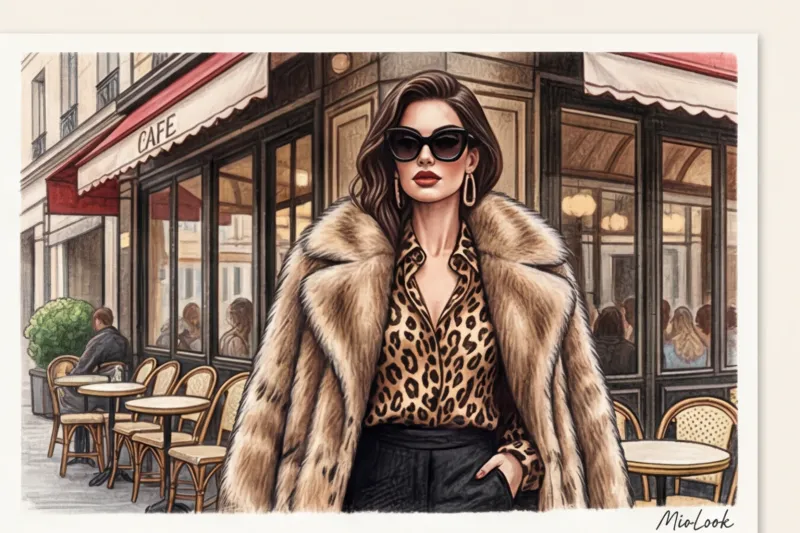
But how do such spontaneous outbreaks form? Today, microtrends are inextricably linked to pop culture and social media algorithms. The rise of Mob Wife, for example, coincided perfectly with the 25th anniversary of the cult series The Sopranos. We see this mechanic everywhere: the release of a major film sparks a global epidemic of a certain color, and stadium tours by Taylor Swift or Beyoncé literally dictate the dress code for hundreds of thousands of fans. Fast fashion brands analyze singers' stage costumes and produce sequined or cowboy-style collections in a matter of days.
Microtrends no longer emerge from the catwalk—they are born on our smartphone screens. We don't dress for the weather; we dress to the soundtrack or the TV series everyone's talking about.
Seasonal microtrends are a special category. Have you ever noticed that summer is the season that gives birth to the most fleeting aesthetics? Psychologically, summer is the season of escapism. We want to play at another life, even if we're stuck in a stuffy office. This is how they appear Tomato Girl Summer — an aesthetic that romanticizes a vacation in the south of Italy. It features linen sundresses, vegetable and floral prints, wicker baskets, red lipstick, and flat sandals.
In contrast to it stands Coastal Grandmother ("coastal grandma"). It's the image of a well-off woman leisurely tending her garden in the Hamptons: loose white linen pants, a cashmere sweater draped over her shoulders, a straw hat, and a glass of ice-cold Chablis on the veranda. It sounds wonderful, aesthetically pleasing, and relaxed, but there's a serious financial trap lurking in this seasonal rush.
When you buy a tomato print dress for 150 euros, you're buying an emotion whose shelf life will expire with August. To avoid turning your closet into a graveyard of forgotten microtrends, I advise my clients to first conduct an inventory. Digitize your summer wardrobe by uploading items to MioLook app , and try to create the desired aesthetic from what you already have. The Coastal Grandmother look is easy to style with your standard oversized white shirt and loose light-wash jeans. A smart approach to wardrobe allows you to try on any viral trend without losing your personal style or funding overproduction.
The Dark Side of Microtrends: The Fast Fashion Trap and Losing Yourself
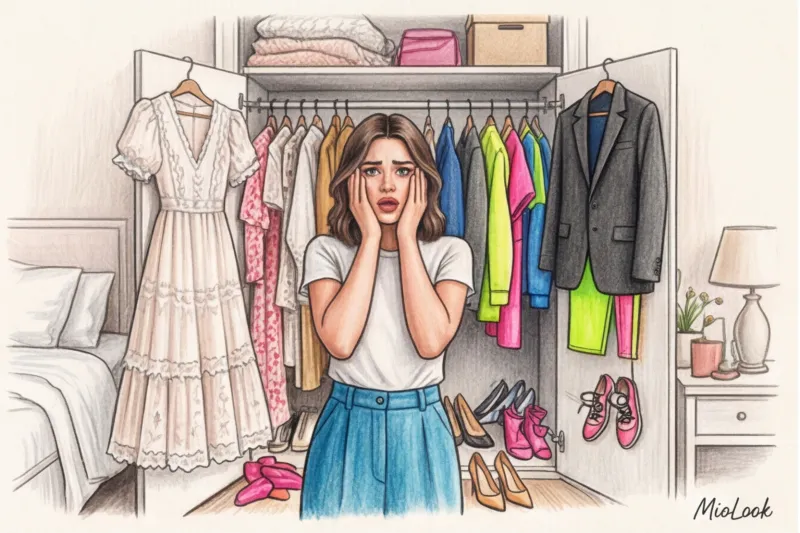
Last Tuesday, I stood in front of my new client, a 28-year-old architect,'s open three-door closet. A literal TikTok timeline of the past year and a half hung on the hangers: a neon Y2K-era top sat next to a heavy faux fur coat à la Mob Wife, and a lace Coquette Core corset hung forlornly next to baggy nylon Gorpcore pants. It was a classic Frankenstein wardrobe, composed of the vibrant fragments of a dozen different microtrends that were physically impossible to combine. The result was predictable: we had roughly €3,000 worth of clothes hanging in front of us, but absolutely nothing to wear, because there was no unifying, cohesive foundation.
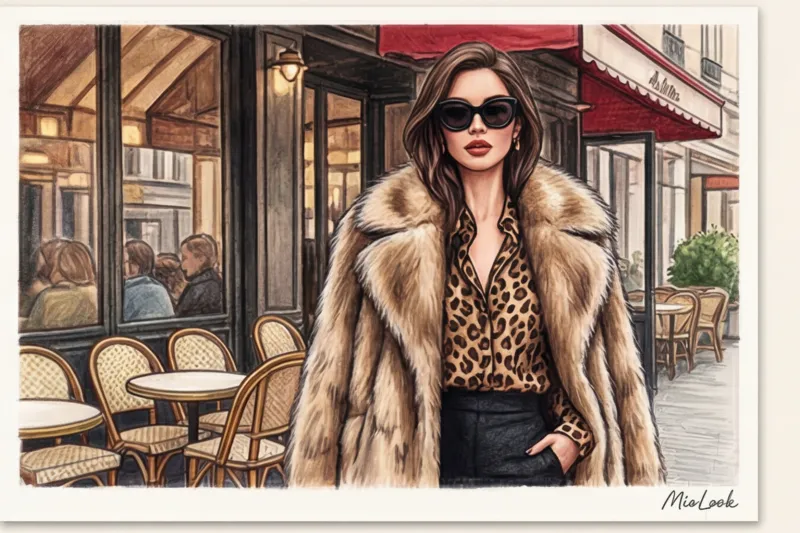
Let's call a spade a spade: the constant shift in fashion aesthetics isn't always about self-discovery or creative self-expression. More often than not, it's a brilliantly orchestrated marketing ploy by fast fashion brands. The ultra-fast fashion business model demands that you buy not just a single skirt or jacket, but a whole new "personality" every three weeks. Social media algorithms create an artificial lack of relevance, forcing us to sweep up ephemeral items off the shelves simply to stay relevant.
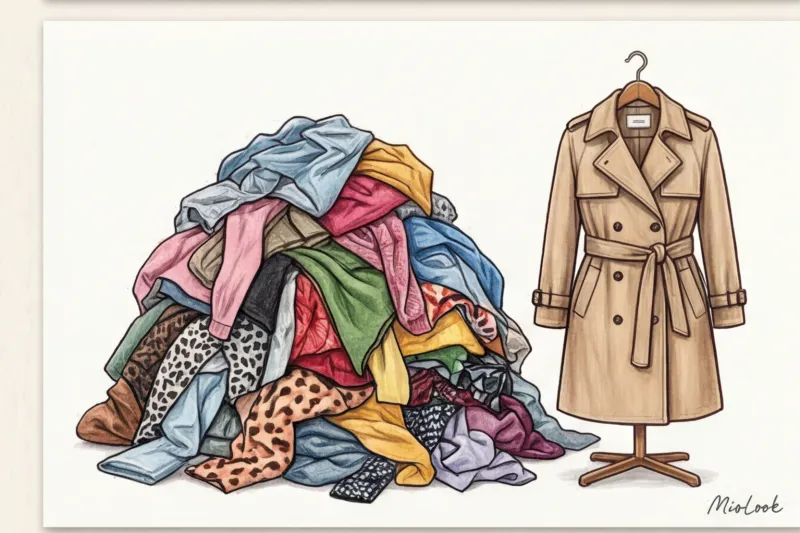
The downside of this endless game of dressing up is catastrophic. The environmental impact of microtrends is alarming in its scale. According to the Global Alliance for Sustainable Fashion's 2023 report, the life cycle of a trending item has shrunk to an absurd 35-40 days. We're literally stuck with mountains of low-quality, cheap polyester clothing that, after two months, becomes not just irrelevant but visually "toxic"—it screams of being stuck in the past. Manufacturers don't even factor in a safety margin: they're designed to fall apart just before the next trend emerges.
Psychologically, this race is no less exhausting. Constantly juggling fashionable aesthetics erases your personal style, leaving only impostor syndrome in front of your own mirror. A severe FOMO (fear of missing out) sets in. When your feed is constantly flooded with images of successful women now dressing like mobsters' wives or tennis pros, it's easy to confuse this aggressively imposed image with your own personal taste.
How can you distinguish genuine interest in a new style from mere FOMO? I always give my clients the "three looks" test. Before buying a piece from a new aesthetic, mentally create three complete outfits with it. already You have it in your closet. If you need to buy special shoes, trousers, and a bag to wear one trendy blouse, that's a trap; don't buy it. To avoid having to keep track of everything in your head, I strongly recommend digitizing your wardrobe. By uploading your everyday items to MioLook , you'll be able to immediately, even before you reach the checkout, check whether this impulsive purchase will fit into your real life, or whether it will remain dead weight with the tag torn off.
Try MioLook
for free
Start creating perfect images with the help of artificial intelligence
Get access — €0.99 onceHow to Integrate Fashion Aesthetics into Your Wardrobe: A Stylist's Guide
You know what detail instantly gives away someone who's trying too hard to keep up with fashion? A total look, copied from a store window or a viral TikTok video. Over the years as a stylist, I've learned one ironclad rule: the most stylish women never wear the same aesthetic from head to toe. They use trends as a tool, not as a theatrical costume.
The secret to a harmonious and, importantly, wearable wardrobe lies in the 80/20 rule. Exactly 80% of your closet should be your personal, curated essentials. These are the pieces that fit perfectly, reflect your lifestyle, and last for years: an impeccably tailored jacket (worth spending 300 euros on because it'll be worth every penny), perfect straight-leg jeans, high-quality, thick knitwear. The remaining 20% is your legitimate space for play, experimentation, and the introduction of those essential pieces. fashionable aesthetics.
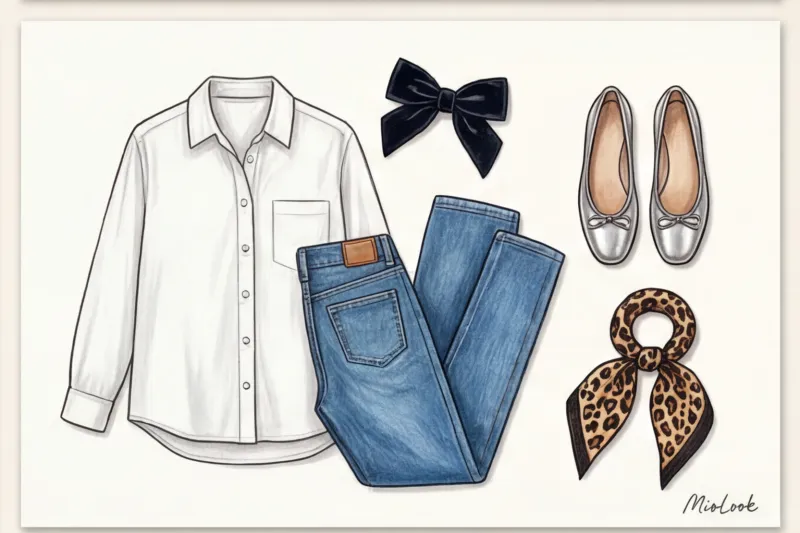
This is where what I call the "spice method" comes in. Think of microtrends as saffron or truffle oil. A pinch will transform a basic dish, but too much will make it undrinkable. Don't go for a total look. Add just one distinctive element to a familiar, subdued look.
Want to embrace the Office Siren aesthetic? No need to stock up on skinny shirts and pencil skirts from the 2000s if you prefer a more relaxed look in everyday life. Simply pair the signature thin-framed rectangular glasses with your favorite oversized sweater. Intrigued by the hyper-feminine Coquette? Just tie a velvet bow on the handle of a classic bag or add lace tights to a simple black dress. The contrast of a basic outfit and one trendy element always looks more sophisticated and sophisticated than literal cosplay.
During consultations, I often hear concerns like, "Camilla, I'm 42 years old, what Y2K? That's for teenagers!" This is a huge misconception. Any aesthetic can and should be adapted to your age.
While a Zoomer might wear extremely low-rise jeans and a rhinestone-embellished crop top in keeping with the Y2K trend, a woman over 40 might only borrow from that era in the design of her accessories—for example, a baguette bag made of thick leather with a delicate metallic sheen. We're taking the mood and silhouette, not the specific item.
To prevent your 20% of trendy items from becoming a disposable clothing graveyard, conduct a rigorous viability test before each purchase. Ask yourself three questions:
- What will I wear this with? If an item requires three new items to complete the look, keep it in the store. It should fit seamlessly into at least three of your current outfits.
- Will this still be relevant in a year? If the answer is "no" (as is the case with most microtrends like Tomato Girl), don't invest heavily in this item. Opt for budget-friendly alternatives in the 30-50 euro range.
- Does this suit my body type? No aesthetic is worth ruining your natural proportions. If a low waist makes your legs look shorter, skip the trend, no matter how loudly influencers hype it.
Adapting trends for experts and personal brands
Clothing is a nonverbal language, and in professional settings it's especially powerful. Can you use microtrends if you're a lawyer, a clinical psychologist, or a top executive at a corporation with a strict dress code? Absolutely. It's just a matter of dosage and choosing the right visual code.
How different aesthetics are perceived by your target audience directly impacts your personal brand. An Old Money or Quiet Luxury aesthetic conveys reliability, stability, and respectability. If you're a financial advisor, a cashmere sweater in muted tones and a lack of logos will enhance your expertise. The client subconsciously perceives, "This person has everything under control."
On the other hand, if you're a creative director, IT specialist, or marketer, excessive conservatism can be detrimental. Here, elements of Y2K, grunge, or tech-forward Gorpcore will demonstrate that you're flexible, dynamic, and sensitive to the spirit of the times—in other words, creative and observant.
The safest place to incorporate any trends into a formal business wardrobe is through accessories, textures, and footwear. You can wear a classic pantsuit, but accessorize it with chunky vintage earrings in the style of Mob Wife or square-toe shoes to tone down the formality.
To avoid getting the proportions wrong and to see in advance how a trendy piece will fit into your work wardrobe, I recommend digitizing your basic pieces. By uploading them to MioLook , you can use the smart wardrobe feature: create collages and test how new "spices" work with your usual basics before you even go to the store. This prevents impulse purchases and saves precious time in the morning getting ready.
Microtrends Dictionary: A Brief Glossary
Have you ever noticed that the modern language of style has become reminiscent of a complex code? At glossy magazines, we sometimes joke that reading press releases from young brands now requires a dedicated translator from "zoomer" to human language. However, fashion aesthetics aren't just fun hashtags for social media algorithms. They're fully-fledged visual codes that designers use to shape new collections. To help you confidently navigate this diversity and avoid buying random items on the spur of the moment, I've compiled this functional guide for you.
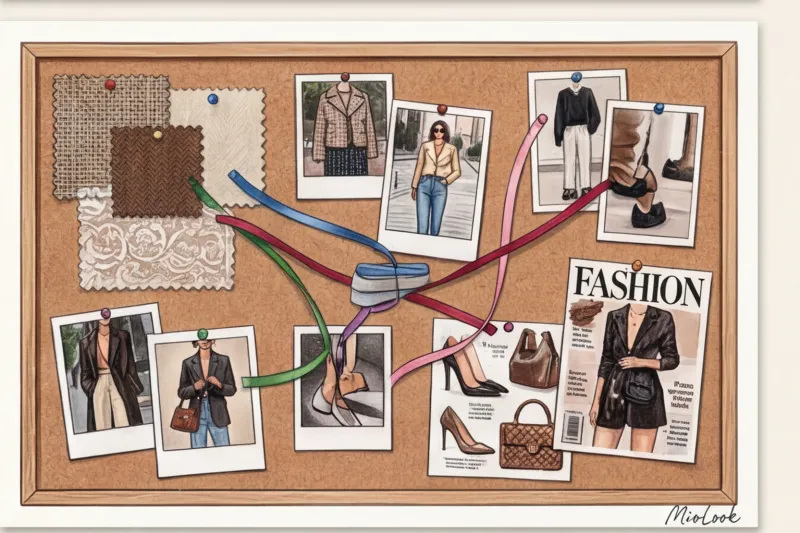
- Gorpcore (from the acronym GORP – "Good Ol' Raisins and Peanuts," a traditional hiker's snack): technical outdoor clothing, boldly integrated into the urban context. It's an absolute triumph of function over form. Think Gore-Tex jackets from Arc'teryx, Salomon trekking shoes, and cargo pants with utilitarian details. The key to styling here is contrast. Wear a technical windbreaker over a silk slip dress. Limitation: Avoid a total look, otherwise you'll look like you're lost on the way to Everest Base Camp.
- Dark Academia: The aesthetic of old Ivy League universities, filtered through a touch of gothic and intellectual melancholy. Inspired by Donna Tartt's novel The Secret History, this base is built on thick tweed, tartan, argyle vests, and classic oxfords. The color palette is burgundy, emerald, coffee, and graphite. Brands like Ralph Lauren have been reissuing similar silhouettes for decades. It's the perfect, evergreen choice for a fall wardrobe.
- Fairycore / Cottagecore: A radical romanticization of country life and natural motifs. If you're tired of concrete, glass, and deadlines, this trend offers visual therapeutic escapism. It features flowing fabrics, natural linen, puff sleeves, corset lacing, and delicate floral prints. Think Simone Rocha shows or the early Jacquemus collections. Advice from practice: To adapt this aesthetic to the city, tone down the naivety by pairing cotton blouses with crisp vintage denim or rugged leather Cossack boots.
- Barbiecore: Total pink, uncompromising glamour, and plastic textures. Pierpaolo Piccioli sparked a powerful surge in fashion with his iconic Valentino Pink PP collection in 2022, and it was cemented by the Hollywood blockbuster of the same name. It's a celebration of fuchsia, high platforms, rhinestones, and glossy surfaces. Although the trend's peak has passed, its elements work beautifully as accents. A magenta patent leather bag for €200-300 will brighten up even the most formal gray pantsuit.
- Blokecore Vintage football jerseys paired with perfectly casual clothes. A trend born from the intersection of '90s British pub culture and streetwear. Models like Bella Hadid have made the combination of an oversized T-shirt from their favorite club, straight-leg jeans, and classic Adidas Samba sneakers an unofficial uniform. It's an ironic, incredibly comfortable microtrend that's easy to pull off with a quick visit to a vintage store.
As you can see, fashion aesthetics offer enormous scope for self-expression. But how can you avoid turning your closet into a storeroom for theatrical props? A systematic approach is essential. By digitizing your items, you can visually assess the direction your basics are leaning toward and selectively purchase any missing elements. I recommend using MioLook — This tool allows you to create capsule collections to suit any mood, without spending hours trying them on in front of a mirror.
Your perfect look starts here
Join thousands of users who look flawless every day with MioLook.
Get access — €0.99 onceInstead of blindly copying other people's images from your feed, use this glossary as a paint palette. Your goal is not to become a faceless model for a single style, but to find the visual codes that resonate with your personality and lifestyle. My final advice: Conduct a mini wardrobe audit tonight. Pull out three items you haven't worn in over a year. Ask yourself: what aesthetic do they fit? Perhaps you're just missing one contrasting detail—for example, tailored loafers with a lightweight Cottagecore dress or a sporty Blokecore tracksuit with classic wool trousers—to make the piece work again. The future of the industry lies not in the dictatorship of a single trend, but in intellectual eclecticism, where you become the chief couturier of your own life.
Guide Chapters
Old Mane Style: What It Is, Its Distinctive Features, and How to Wear It
Quiet luxury: what is this clothing style?
What is Y2K style: characteristics and wardrobe elements
Office Siren Style: What It Is and How to Wear It
Preppy style in clothing: what it is and its distinctive features
Mob Wife Style: What It Is and How to Wear It | Glossary
Clean Girl: What is this clothing style?
Grunge Style in Clothing: History, Traits, and How to Wear It
Cottagecore: What is this clothing style?
Barbicore clothing style: what it is and how to wear it
What Is Coquettecore: A Complete Fashion Style Guide
Explore the origins, key elements, and styling tips for the hyper-feminine coquettecore fashion trend.
Slavic Girl (Slavik Girl) in Fashion: What is this style?
E-girl: What is this style and its distinctive features?
Normcore: What is it in fashion? | Fashion glossary
Balletcore: What is this clothing style? | Dictionary
What is Dark Academia Style? | Glossary
Soft Girl Style: What It Is and Photos
Gorpcore in clothing: what is this style?
What is eclectic grandpa style: a fashion glossary
Light Academia Style: What is it?
Blokecore: What is it in fashion?
Coastal Granny Style: Description and Wardrobe Elements
What Is Baddie Style: Key Characteristics and Outfit Ideas
Explore the origins, key features, and essential wardrobe pieces of the baddie fashion aesthetic.