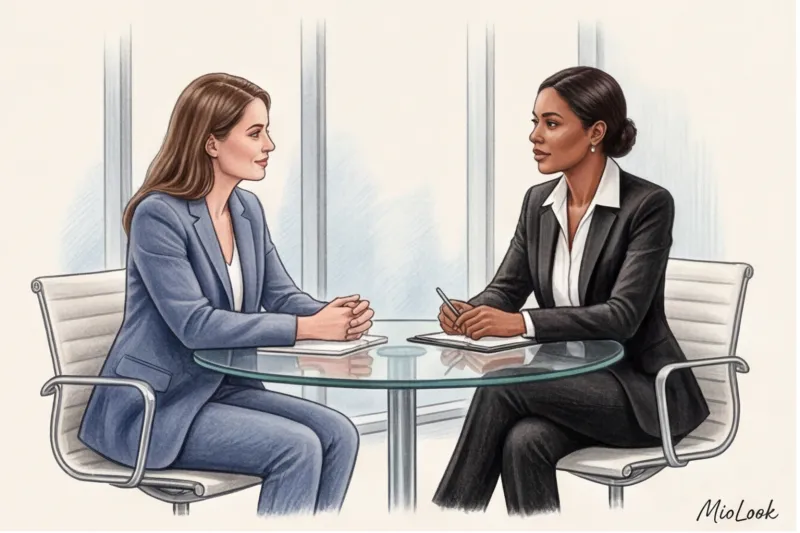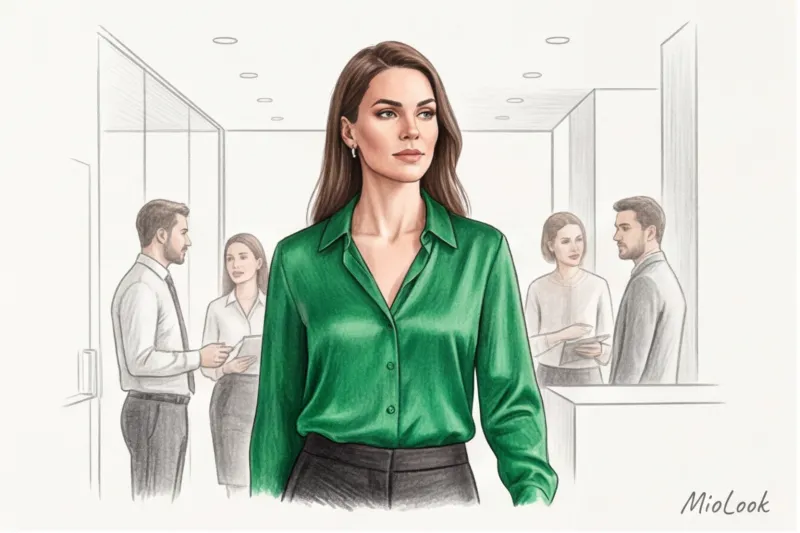
Three years ago, a client, a brilliant family law attorney, came to see me. She complained that the last few months of mediation (pre-trial settlement) had been disastrously difficult. Clients were arguing, opponents were shutting down, and negotiations were reaching a dead end. When we sorted through her work wardrobe, the reason became obvious. In an attempt to appear as authoritative as possible, she had purchased three impeccably tailored suits in rich red and burgundy.
She sincerely believed that she was projecting power. But in reality psychology of color in clothing works much more subtly. Her interlocutors' subconscious interpreted her image not as "I'm an expert," but as "I'm attacking." Once we replaced the aggressive shades with calm sage and complex taupe, the dynamics of her encounters changed dramatically. People began to listen to her rather than defend themselves against her.
Color is the fastest way to convey information. We discussed the mechanisms by which our brain scans the person we're talking to in more detail in our a complete guide to the psychology of first impressions Today I want to talk about how to consciously choose a palette to control the emotions of others without saying a word.
Why the Psychology of Color in Clothing Works: Neurobiology, Not Esotericism
Let's make it clear right now: this article won't offer advice along the lines of "wear yellow to attract money." As a stylist with 14 years of experience, I draw on the physics of light and cognitive psychology.
According to data Institute for Color Research People make subconscious judgments about a person within the first 90 seconds of interaction. And attention: 62% to 90% of this assessment is based solely on color. Our eyes perceive color as light waves of varying lengths, which directly affect the hypothalamus, which controls the hormonal system.
The main secret I teach all my clients is that perception is influenced not so much by the color itself (hue), but by its temperature and saturation. Warm hues have a longer wavelength, making them appear closer. This is why a person in a warm terracotta sweater is subconsciously perceived as more approachable. Cool tones (like icy blue) visually distance an object, creating psychological distance.
"Reducing the saturation of any color by 30% makes an image appear 50% more prestigious and 'expensive.' That's why neon green is a marker of teenage rebellion, and muted olive is a sign of quiet luxury."
Color Codes of Trust: How Clothing Affects Customer Loyalty
If your goal is to win people over, reassure them, and inspire trust, forget about harsh contrasts. Your choice of palette should be dictated by your profession and the emotion you're trying to evoke.
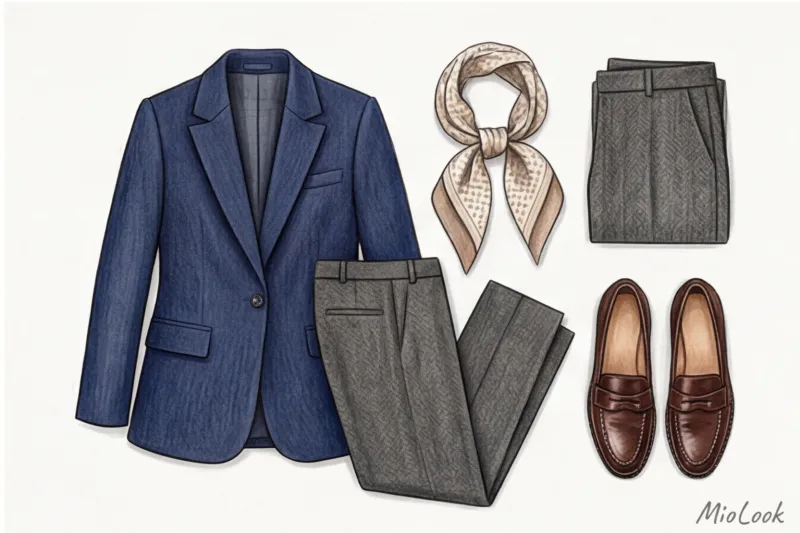
For example, blue and gray are classic corporate uniforms. They convey logic, stability, and a calming atmosphere of emotional instability. But if you work in a helping profession (psychologist, coach, doctor, HR), excessive corporateness can be detrimental. Shades of brown, beige, and caramel are ideal for such roles.
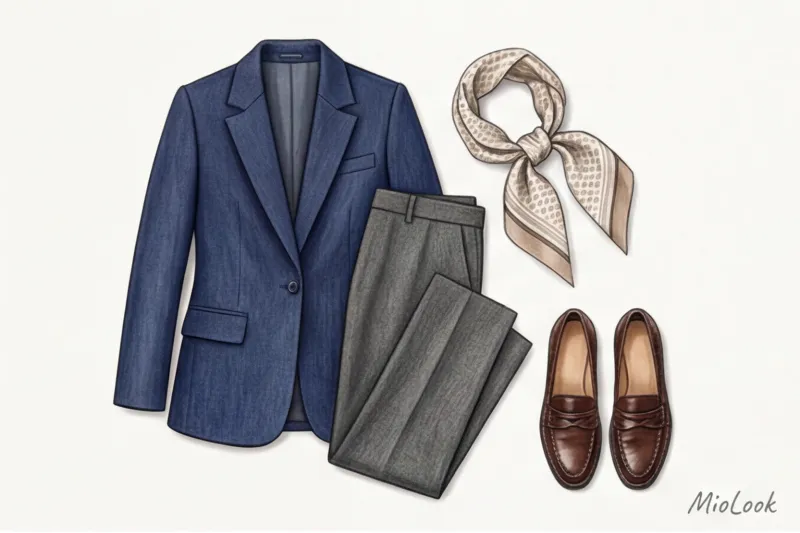
I had a revealing case with a psychotherapist client. She loved wearing all-black, considering it elegant. But black creates a barrier. We replaced her wardrobe with chocolate, sand, and milky shades (basic knitwear from Massimo Dutti in the €80–€130 range did the trick perfectly). The grounding colors of nature subconsciously signal to the client, "I'm safe here, I'm stable, I can be relied upon." You can read more about this in the article. A psychologist's image: how clothing influences client trust.
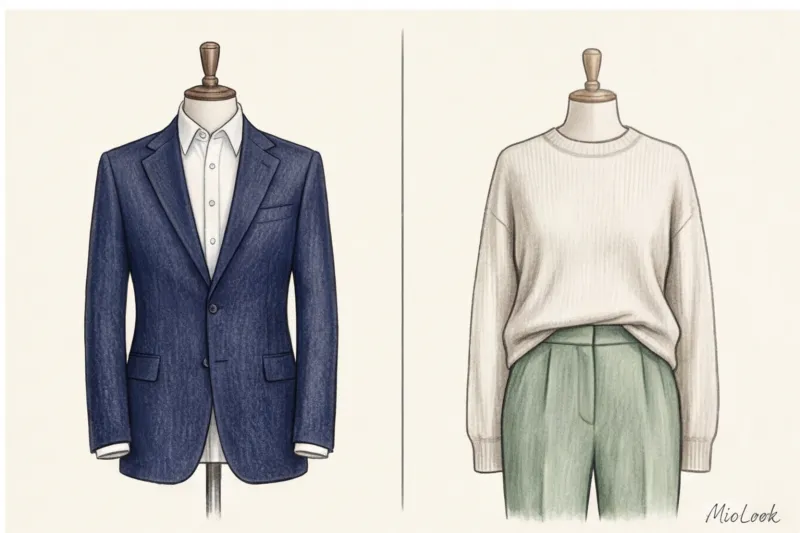
Navy Blue: Versatile armor for a business environment
If you're unsure what to wear to a crucial meeting, choose navy blue. Unlike black, which can be overwhelming, navy blue is perceived as the color of order and intelligence. A total blue look is the perfect choice for an interview at a conservative company, pitching a project to investors, or communicating with government agencies.
Your perfect look starts here
Join thousands of users who look flawless every day with MioLook. A smart AI stylist will select a capsule wardrobe to suit your needs.
Get access — €0.99 onceDebunking the Myth: Why the Color Red Works Against You
Perhaps the most dangerous piece of style advice that's been floating around from blog to blog is: "Wear red to show power and confidence." Yes, red attracts attention. But at what cost?
According to Angela Wright's color theory (Color Affects System, 1990), which remains the gold standard in design, red stimulates the heart rate and adrenaline rush. Evolutionarily, it is a signal of alarm, blood, and fire.
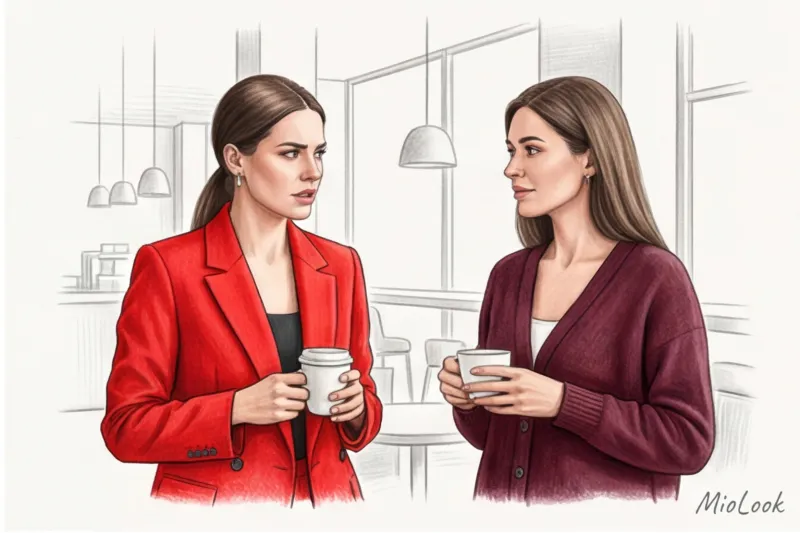
When you wear a scarlet suit to difficult negotiations (like my lawyer client), you don't subjugate your interlocutor. You trigger an unconscious defensive reaction. Instead of constructive dialogue, you get resistance.
When red works: Speaking on stage in front of a thousand people (like at TEDx), where you need to hold the attention of the gallery. Or an accent detail (like the perfect red lipstick—speaking of which, How to choose lipstick to match your clothes , we have a separate material).
When red is destructive: Chamber negotiations, conflict resolution, interviews, request for a salary increase.
Black and white: elegance or arrogant distance?
Black is the uniform of the fashion industry and urban dwellers. It seems safe, but psychologically, black is the color of light absorption and absolute isolation. When a person wears an all-black outfit, they subconsciously say, "I don't want to let you into my personal space."
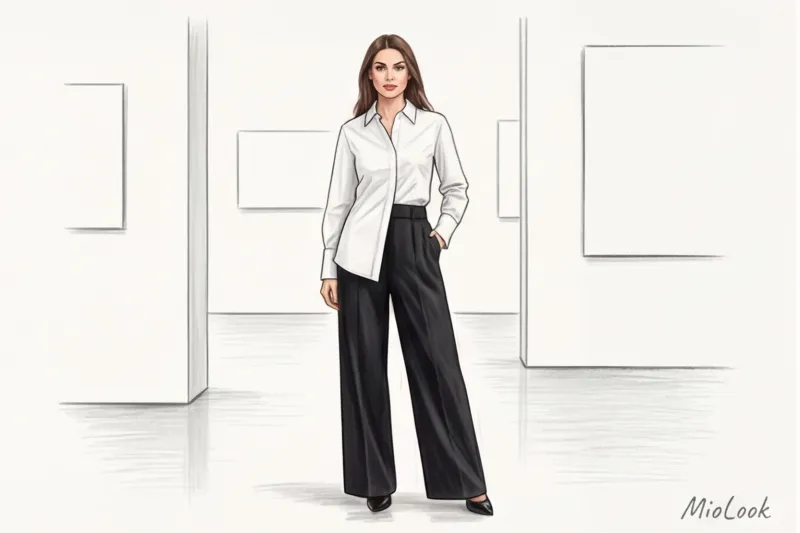
There is an important nuance here that is often missed: The architecture of the cut and the texture of the fabric radically change the perception of color A stiff black suit jacket is a dead giveaway. But a black cashmere sweater (even from a high-street store like Uniqlo for €90) or a silk blouse softens the look thanks to the material's flexibility. If you love black but don't want to look too severe, always choose soft, flowing, or fuzzy textures.
White conveys purity, perfectionism, and openness. However, a sterile white suit can create a feeling of inaccessibility. Your conversation partner will feel uncomfortable around you simply because they're afraid of spilling their coffee on you. Swap out the crisp white for ecru or ivory—the look will be warmer and more aristocratic.
Access to MioLook for €0.99 — one-time payment
Start creating your perfect looks with artificial intelligence. Digitize your wardrobe in minutes.
Get access — €0.99 onceEnergy and Creativity: Colors for Influencers and Startups
When preparing speakers for IT conferences, I often encounter the following request: "I want to look professional, but not boring; we're a modern company." This is where the creative colors of yellow, orange, and purple come into play.
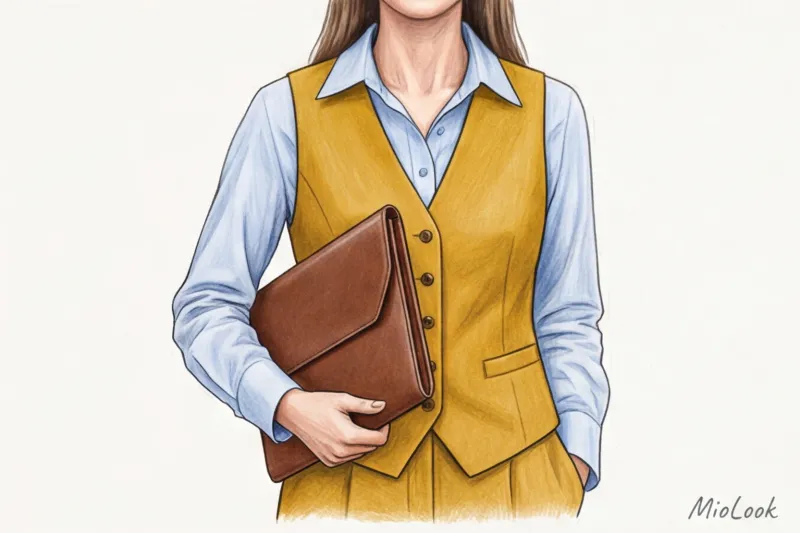
Yellow stimulates brain activity and conveys optimism. Orange is the color of communication and informal leadership. However, it's important to observe the dosage rule with these colors. An all-yellow suit will overload the interlocutor's nervous system within 15 minutes. Use these colors in the portrait area (a top under a neutral jacket) or in accessories. Interesting solutions with delicate shades can be found in our article. Pastel colors in clothing: combinations for a stylish look.
Purple deserves special mention. Historically, it was the color of monarchs (purple was the most expensive dye), and today it's the color of visionaries. If you're presenting an innovative startup or an unconventional solution to a problem, a deep plum or eggplant shade will highlight your originality without sacrificing status.
The Biggest Mistake: When the Right Color Ruins All Your Efforts
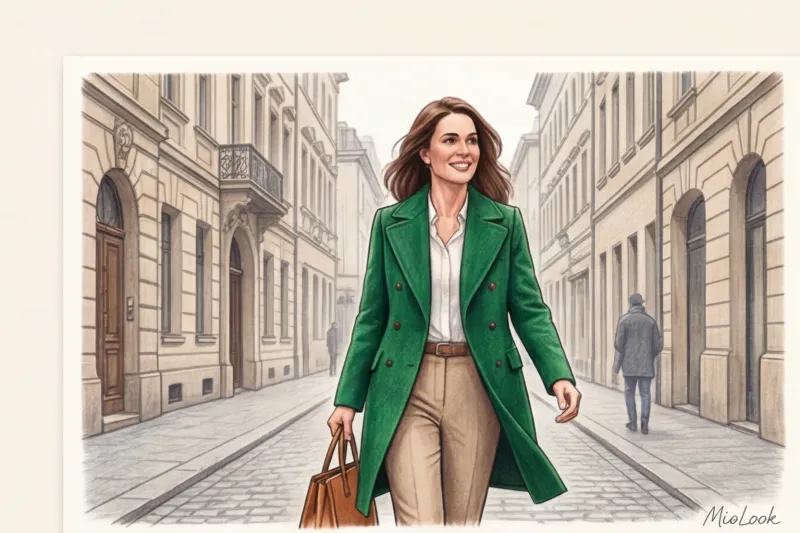
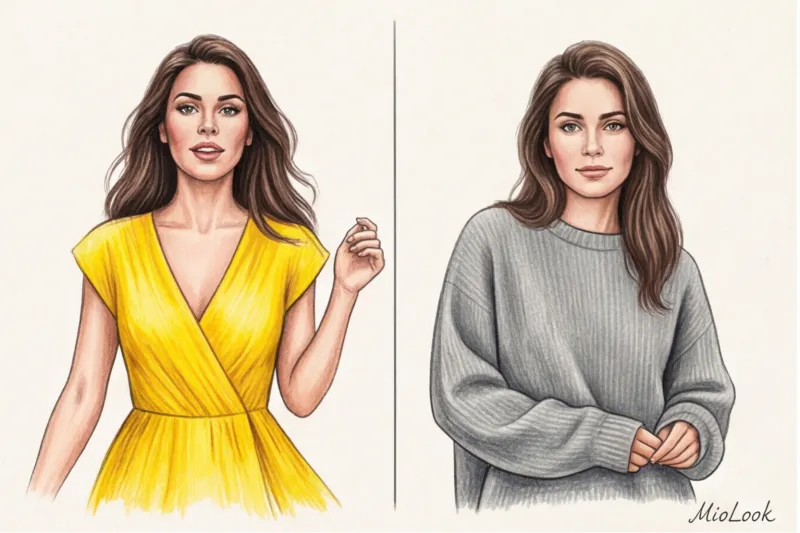
And now the most important thing—an honest warning from a practitioner. All this color magic we talked about above, will not work If the chosen shade clashes with your natural coloring, it's a fatal mistake I see every day on the streets and in offices.
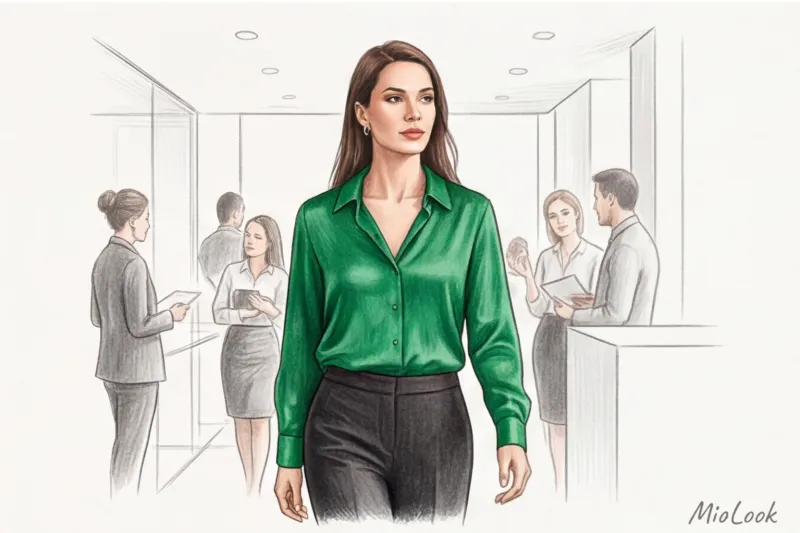
Let's say you've read that emerald inspires confidence and emphasizes status. You buy an expensive emerald blouse and wear it to an important meeting. But if you have a warm undertone and soft contrast, this cool, saturated color will cast green shadows on your face. You'll look sickly, tired, and five years older (by the way, we discussed a list of such insidious shades in the article). What colors in clothes make you look older? ).
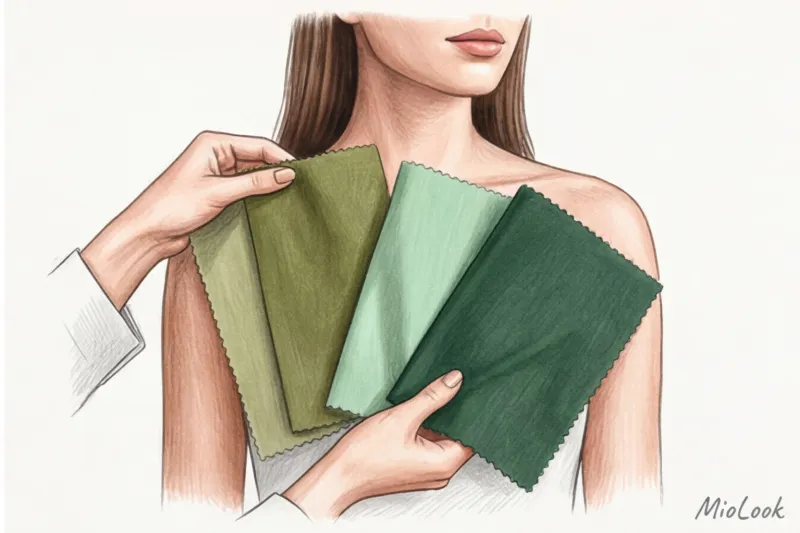
What does the other person's subconscious read when they see a tired, exhausted person? It senses weakness and insecurity. And it doesn't care that emerald green symbolizes wealth. My personal manifesto as a stylist: Harmony with the face is always more important than the book meanings of color.
That's why, before putting together a "psychological" wardrobe, it's essential to understand your palette. This is now very easy to do with technology. For example, you can use a smart AI stylist in an app. MioLook or read our guide Determine your color type from a photo: a neural network for style analysis.
Checklist: How to Create an Emotional Wardrobe to Meet Your Needs
Tomorrow morning, standing in front of your open closet, don't ask yourself, "What do I want to wear?" Ask yourself, "What emotion do I want to evoke in the people I meet today?" Here's a step-by-step plan:
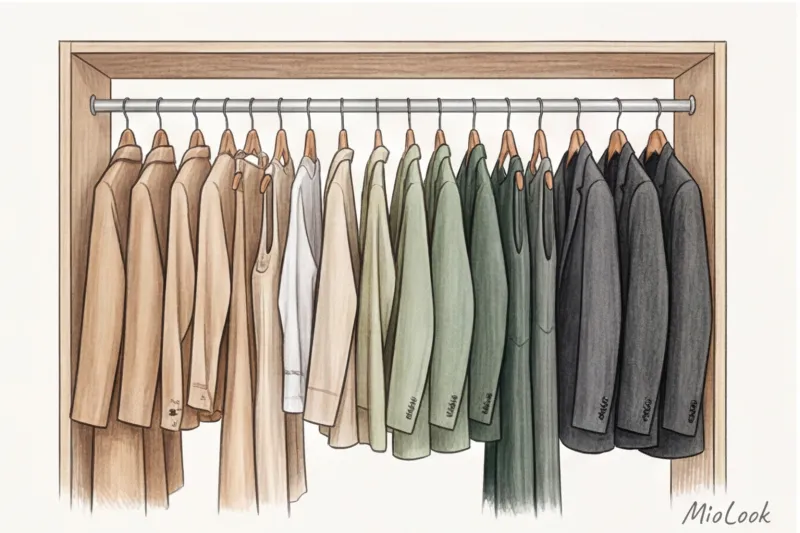
- Determine the base color of the area (suit, dress, coat). This is your background. Need distance and authority? Choose navy blue or graphite. Need to be relatable? Choose taupe, caramel, or olive.
- Add an accent color for nuance (top, scarf, tie). If your basic suit is gray, adding a light blue shirt will convey a friendly demeanor. Adding a burgundy silk top will convey hidden power. If you're unsure what to pair with a complex bottom, check out our cheat sheet. How to wear gray jeans: styling colored denim.
- Soften contrasts with textures. Remember: the stiffer the fabric, the more austere and aggressive the color. The fluffier or more flexible the fabric, the softer the message.
- Check the temperature of the face. Make sure the color of the portrait zone makes your skin look fresh and doesn't bring out the dark circles under your eyes.
Clothing isn't just a cover for nakedness. It's your most underrated tool of influence. By choosing your color consciously, you stop being held hostage to random impressions and begin to direct how the world perceives you.