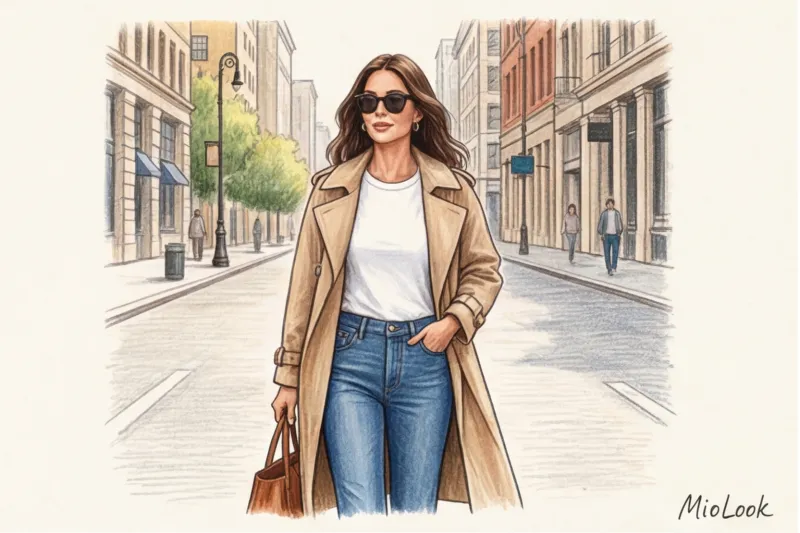
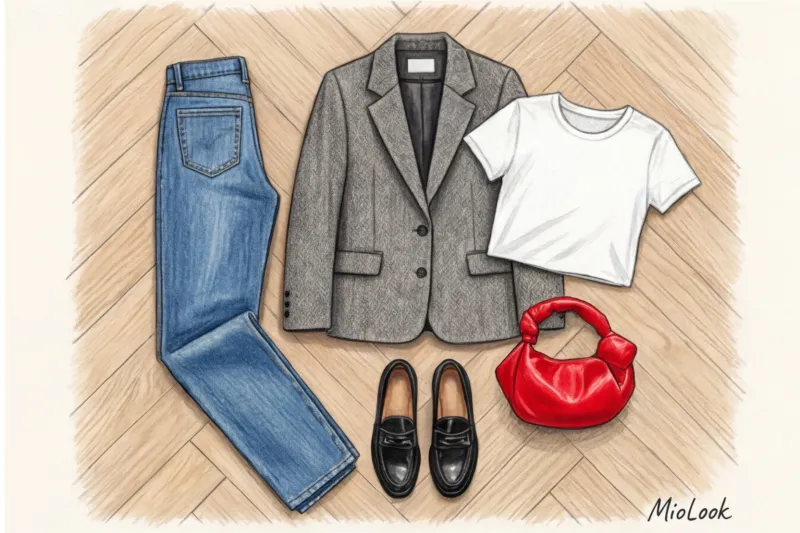
One of my clients in Milan once spent almost €5,000 on a complete runway look from the latest collection of a famous Italian house. When she wore it to brunch with friends, she confessed to me in a text message: "Isabella, I feel stupid. Like I'm a mannequin that escaped from a display case." And she was right. We broke the outfit down, mixed it with her old, worn Levi's jeans and a simple white T-shirt—and that's when the magic happened. That elusive chic was born.
Many women mistakenly believe that casual trends are a never-ending race for new, oddly cut pieces. But as a stylist with 12 years of experience, I assure you: the runway is a mood board, not a shopping guide. True style is born where high fashion meets your real life. We've covered the mechanics of this process in more detail in our The complete guide to how to wear runway trends every day.
Today I'll show you how to use designer styling formulas to transform the most ordinary, "boring" base into status looks with a slight Mediterranean flair.
How to Integrate Casual Trends: Why Styling Is More Important Than Shopping
Let's face it, let's look at the numbers. According to Business of Fashion's 2024 analysis, up to 80% of extravagant luxury brand runway shows are pure marketing. The shows are created to generate excitement on social media, while the real profits for brands come from basic bags, belts, and perfumes. Therefore, we'll take inspiration from designers rather than buy their crazy show pieces.
There is a beautiful word in Italy - sprezzatura It signifies a casual, carefully considered elegance. The art of looking like you threw on whatever you had on five minutes before going out, yet still looking flawless. Catwalk chic in real life is built on precisely this principle.
- The 80/20 Rule: Your wardrobe should consist of 80% high-quality, solid basics and only 20% trendy accents.
- Cost-per-wear reduction: If you buy a trendy €300 jacket and wear it twice, you're a failure. If you pair one trendy €50 belt with ten different everyday looks, you're a styling genius.
Runway Formulas: 4 Tricks to Make a Basic Look Look Classy
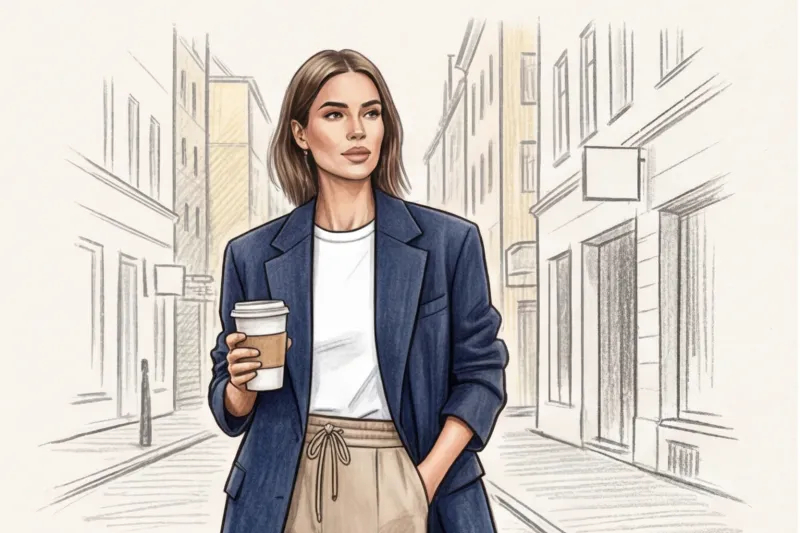
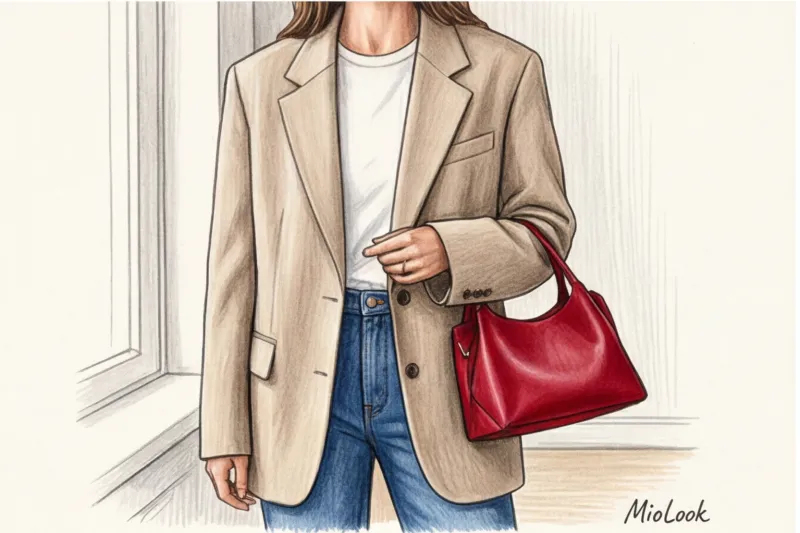
To make your casual look expensive, you need to master the concept of "smart layering." It's not just about layering a sweater over a shirt. It's about creating an architectural look. My favorite, foolproof formula, which I recommend to my clients, is: A thick white T-shirt (cotton from 180 g/m²) + a flowing silk midi skirt + a voluminous men's blazer with a sharp shoulder line You mix masculinity and femininity, achieving the perfect balance.
The Wrong Shoe Theory
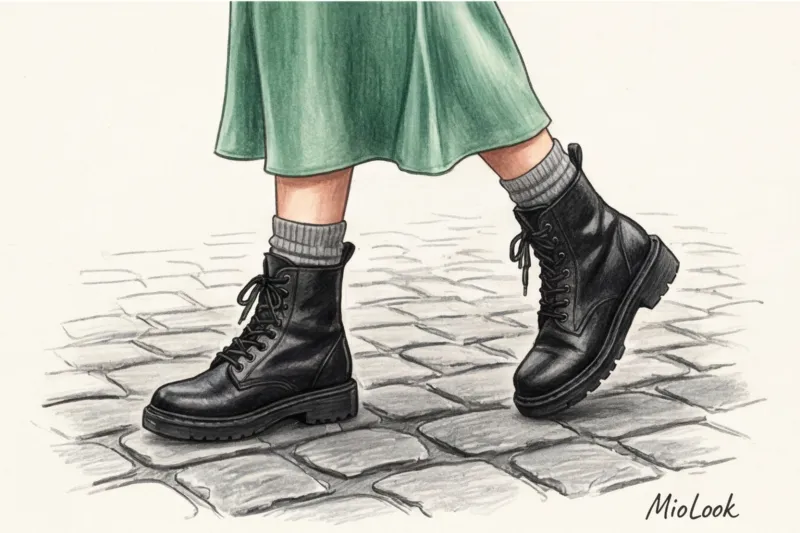
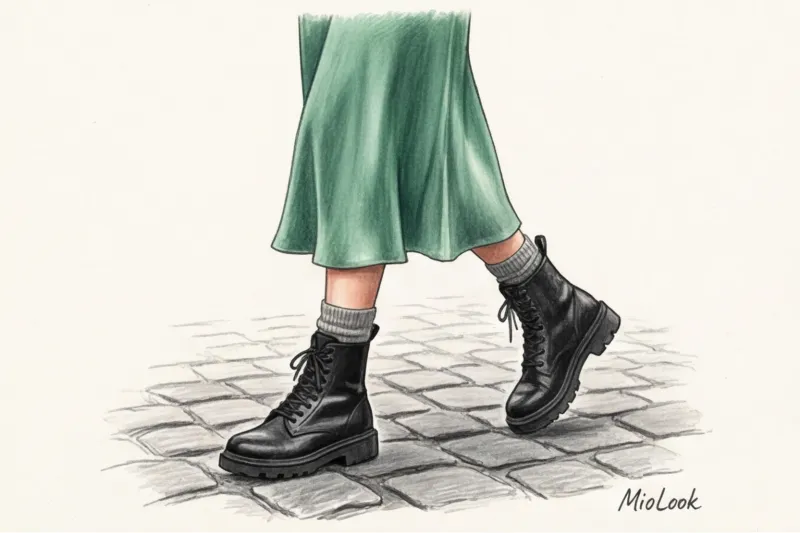
This term was coined by celebrity stylist Allison Bornstein, and it's the best thing to happen to everyday fashion in recent years. The theory is to choose shoes that contrast as closely as possible with your outfit in terms of tone and mood.
Let me be clear: this rule doesn't apply if you have a strict corporate dress code, like a boardroom. But for casual wear, it's a powerful tool. Wearing a flowy, feminine floral dress? Pair it not with delicate sandals, but with chunky Chelsea boots with a tractor sole. Wearing a formal pantsuit? Complete the look with retro sneakers. This visual clash makes the eye catch.
Dramatic contrast of textures
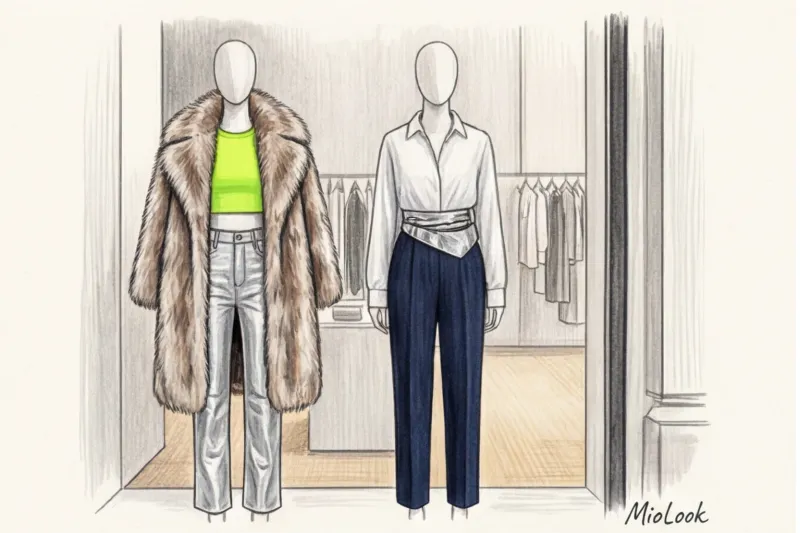
Smooth and rough, matte and shiny. The combination of polar textures deceives the eye and makes the look appear many times more expensive than it actually is. You can buy items from mass-market stores like Zara or COS, but if you juxtapose the fabrics cleverly, no one will guess the price.
Try pairing heavy, stand-up denim (14 oz and up) with the finest flowing silk. Or wear a fluffy mohair cardigan with sleek leather pants. The difference in reflectivity between the materials creates that runway-inspired depth that's sorely lacking in everyday outfits.
Your perfect look starts here
Join thousands of users who look flawless every day with MioLook.
Get access — €0.99 onceCurrent microtrends: what to add to your everyday wardrobe
Once you've got the basics down, it's time to spice things up. This season, there are three microtrends that fit perfectly into the smart-casual concept and won't require a mortgage.
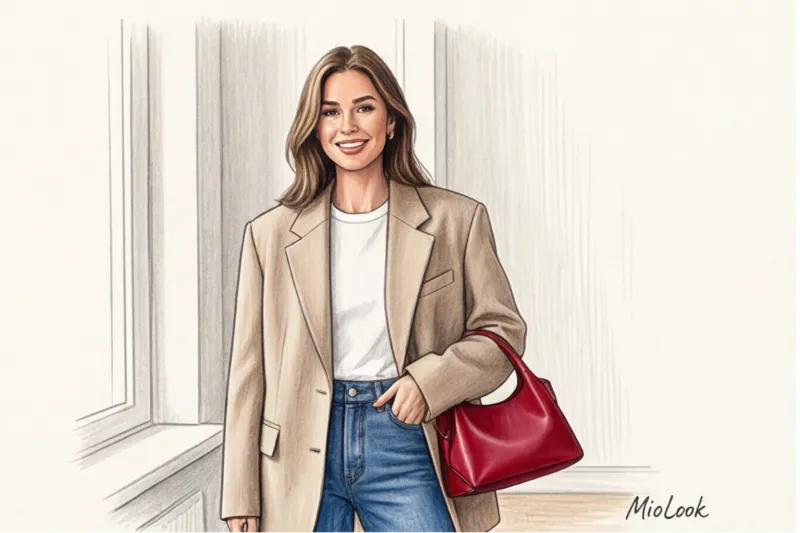
- Red Accent (Cherry Red): Deep cherry red has become an absolute hit. According to a Lyst report (2024), searches for cherry red accessories increased by 330%. You don't need a red coat. A crisp bag or a thin leather belt is enough to completely transform a monochrome gray or beige look.
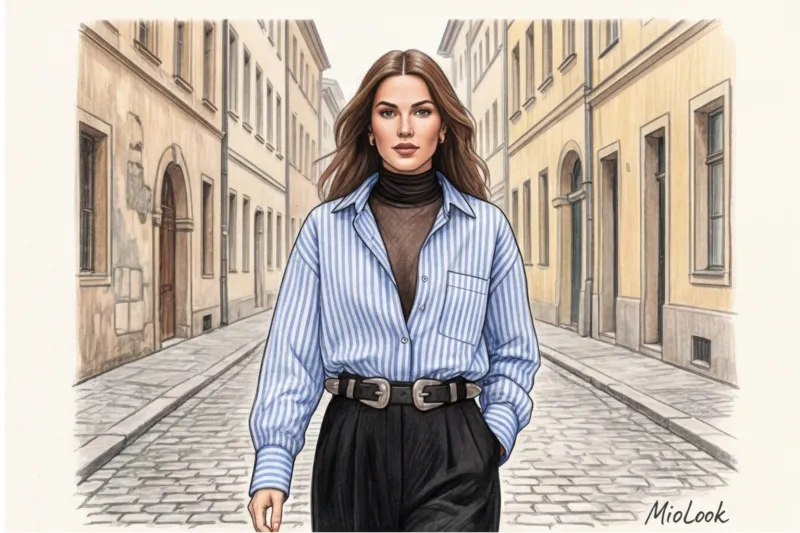
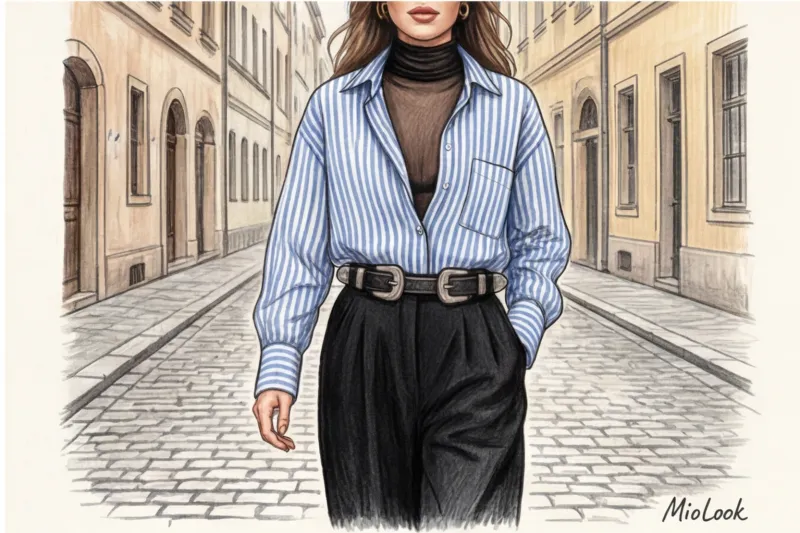
- Transparency (Sheer trend) during the day: Sounds scary, right? When I first decided to try this trend during daytime at Paris Fashion Week, I was skeptical too. The secret is in layering. Wear a thin black mesh turtleneck and a thick, oversized cotton shirt over it, unbuttoned three buttons. You get an intriguing textured décolletage while remaining completely within the bounds of decorum.
- Hypervolume in outerwear: Oversized maxi coats are beautiful, but they can make you look like a rectangle. The key styling rule here is balance of volume. An oversized coat requires a slim, gathered bottom—straight jeans or a pencil skirt.
The Total Look Mistake: Why Casual Trends Don't Tolerate Excess
Here I want to share a counterintuitive insight that often shocks my new clients: the perfect combination of everything with everything is aging now If your bag matches your shoes perfectly in color and texture, and your belt matches your watch strap, you look like you've put in a lot of effort. And we remember sprezzatura - Chic should be casual.
To look like you just stepped off the runway, you need LESS trendy pieces. Wearing every season's hit at once is a sign of insecurity. True class is one quirky, edgy detail against a flawless, even slightly "boring" base. I call this the "1 to 3" rule: for every runway piece or statement piece, there should be three basic, understated pieces.
"Fashion is what designers present to you four times a year. Style is what you choose." — Lauren Hutton
Access to MioLook for €0.99 — one-time payment
A smart AI stylist will select the perfect look based on your features and trends.
Get access — €0.99 onceHow to adapt runway chic for smart-casual and the office
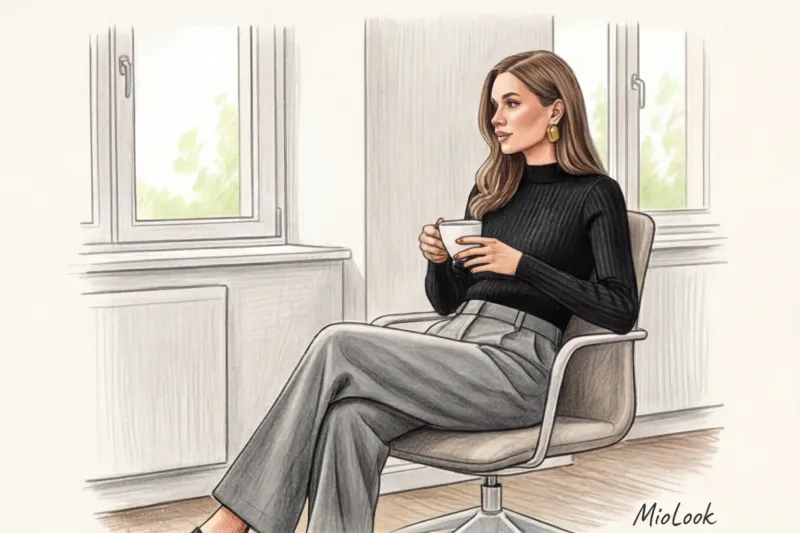
For a Friday dress code at the office, where everyone wears jeans but you want to look a little more classy, trends are also applicable. The main thing is to understand the line between street style and business smart casual.
Where are safe zones for experimentation at work?
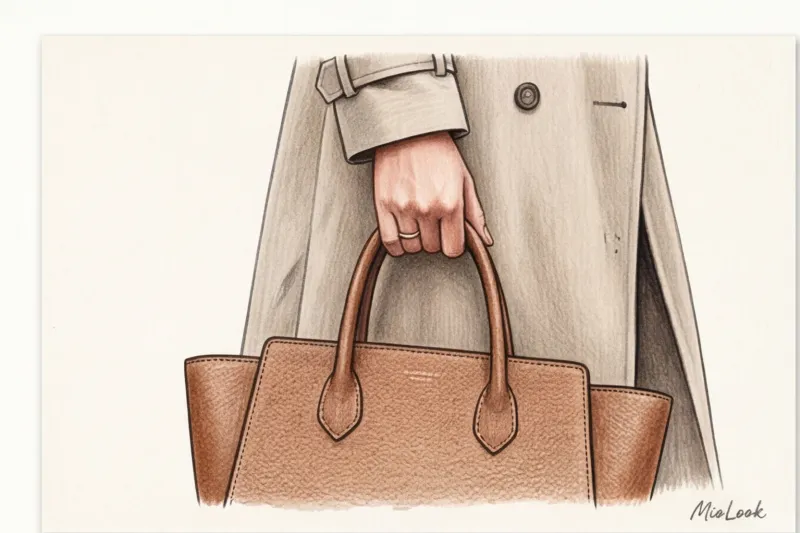
- Bag geometry: Swap out your soft, shapeless shopper for a bag with a rigid, architectural shape. Even in the affordable price range (€100–€150), you can find models that look like heavy luxury thanks to their clean lines.
- Shoe toe shape: A square or exaggeratedly pointed toe on classic loafers or ankle boots instantly sharpens the look without breaking corporate protocol.
- Lapel width: When choosing a blazer, pay attention to the lapels. Wide, peaked, masculine lapels convey confidence and a sense of fashion better than any bold print.
A stylist's checklist: a wardrobe review before implementing trends
Before we head out to the store to buy new items, let's do a quick inventory. My wardrobe methodology always starts with the basics.
Step 1: Assess the quality of your base. Trends won't save cheap-looking polyester, which gets staticky and shiny. If your white T-shirt has turned gray and your pants are pilling, invest in these first. The base is the canvas.
Step 2: Reassemble the old one. Find your three most common outfits. Now apply the "wrong shoe" rule to them, or swap out your bag for the most contrasting one you own. You'll be surprised how different things will look. To make this process easier, I recommend using the "smart wardrobe" feature in the MioLook app - It helps you visualize new combinations from existing items without having to change clothes ten times.
Step 3: Spot shopping. Make a shopping list of just one or two statement pieces for the season. It could be a luxurious belt, unusual textured shoes, or a silk scarf.
Casual trends aren't dictated by fashion houses. They're your personal tool for self-expression. Remember: the hottest trend of any season is a woman who wears her clothes with absolute, unwavering confidence.