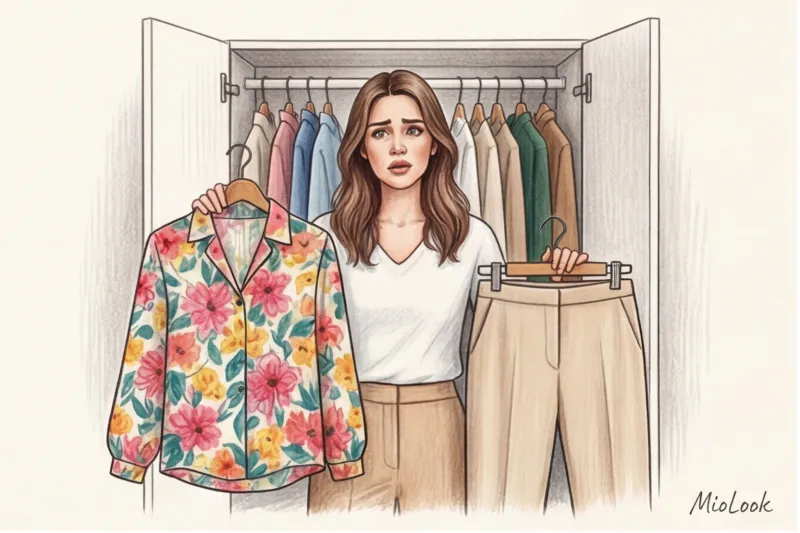
Remember Anna, the IT director we talked about in the last article? She made the classic smart woman mistake: she cleared out her closet, bought impeccably fitting gray, beige, and black pieces, and... became completely invisible in her own office. Her wardrobe was functional, but completely dead. I wrote more about how we brought her style out of its coma in our complete guide to... How to combine prints in clothing: rules for a stylish capsule collection Today we'll dig deeper.
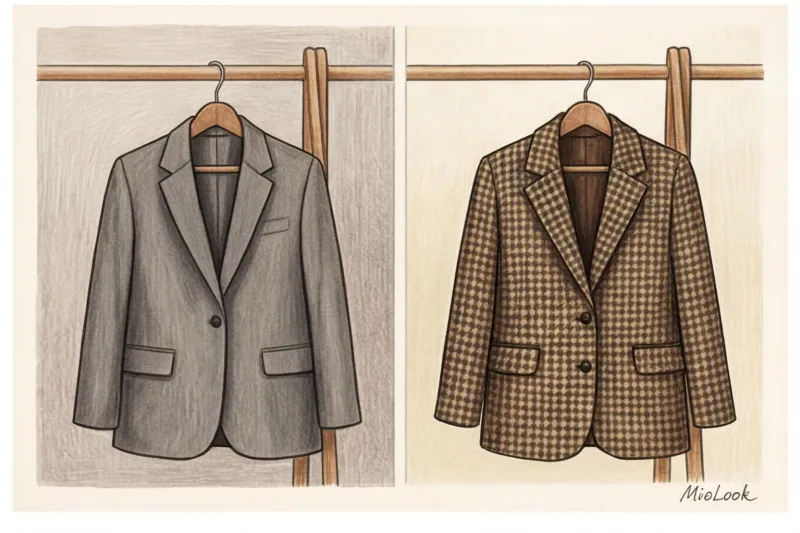
Over 12 years of working as a stylist at fashion weeks from Paris to Milan, I've noticed a consistent pattern: 80% of women confuse the concept of "versatility" with "lack of character." For years, we've been told that the right basic wardrobe with prints — that's an oxymoron. But what if I told you that it's precisely the complex design that is the architectural foundation upon which a truly "expensive" image is built?
The Anatomy of Boredom: Why "Pure" Minimalism Doesn't Work in the Mass Market
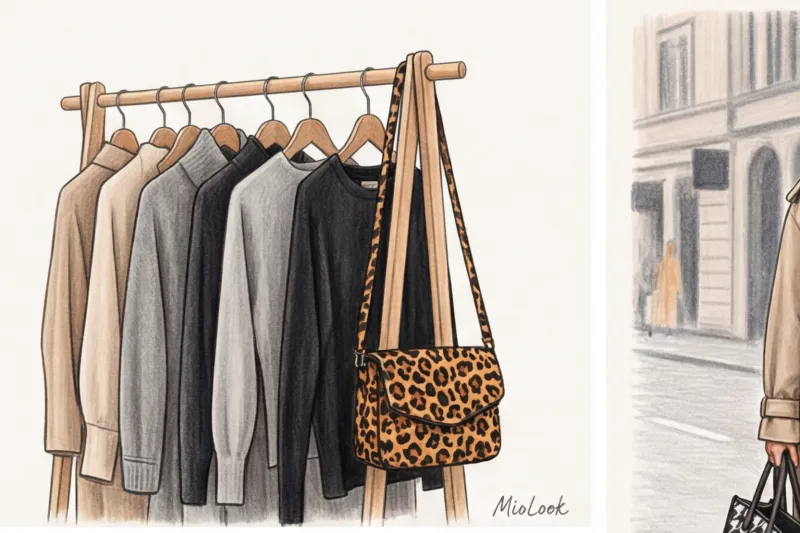
Let's be honest: Olsen sisters-style minimalism (The Row) works not through color, but through phenomenal cut architecture and the exorbitant cost of materials. €3,000 cashmere, dense matte silk, structured wool. When we try to replicate this aesthetic by buying up sleek, solid-color pieces from the mass market, the result is a visual disaster.
Why? Smooth, matte fabrics of the same (usually low) weight—like €30 cotton or thin suiting—visually "stick" together into a single, flat spot. There's nothing to catch the eye. You look less like an adherent of "quiet luxury" and more like someone in a uniform.
"The main color myth of modern times is the belief that a basic wardrobe must be neutral and pattern-free. In fact, a smooth, pattern-free texture is far less forgiving of cutting errors than a complex print," notes the fashion historian and trend researcher.
According to WGSN analytics for 2024, demand for "textured basics" among affluent female shoppers has grown by 45%. Women are tired of sterility. They want items that are easy to combine but still have character.
Print as a New Base: Breaking Stereotypes About Color and Pattern
French women have long mastered the art of incorporating design into their daily routine. Their secret lies in the concept Faux Plains — "false monochromatics." These are prints whose scale is so small and the contrast so delicate that the human brain perceives them not as a pattern, but as a rich, complex texture.
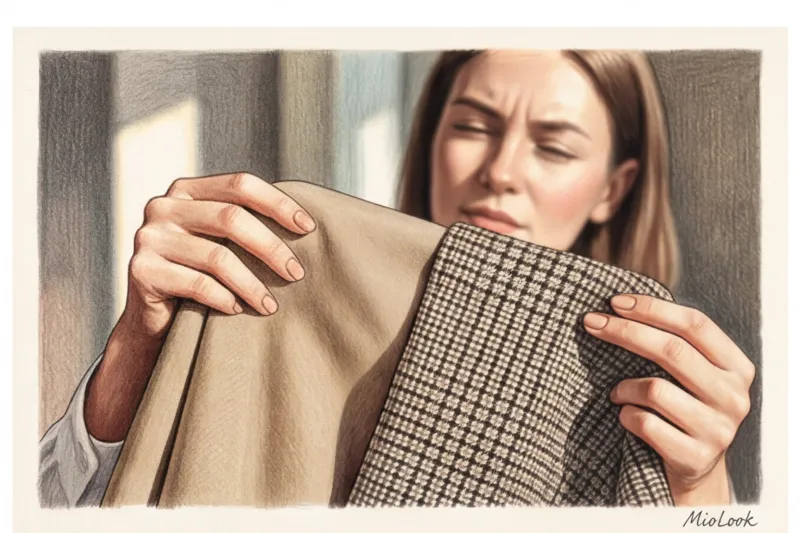
Professional secret: "The squint test"
How can you tell a basic print from an accent print in practice? I always use the same trick with my clients in the fitting rooms.
- Wear something with a pattern.
- Move away from the mirror exactly two meters.
- Squint slightly, defocusing your vision.
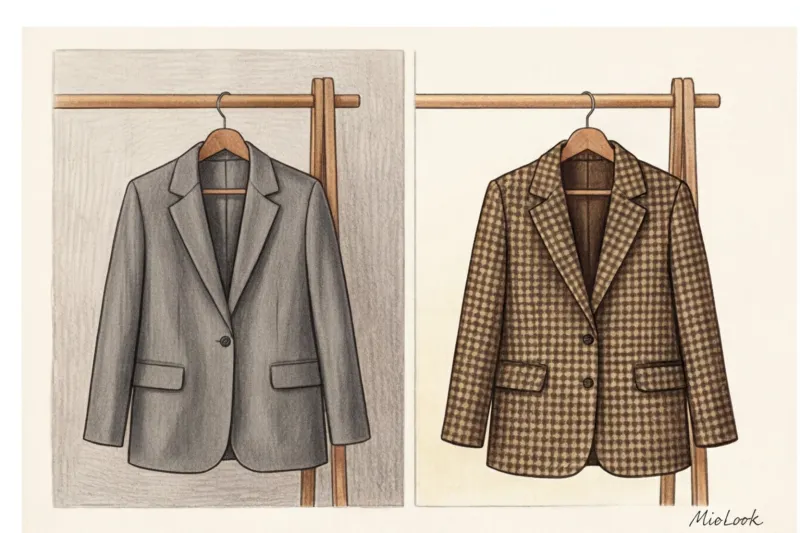
If the pattern has merged into a single, slightly melange or complex shade (for example, a small black and white check began to look like a noble gray) - congratulations, you have something in front of you base If the print continues to ripple, “scream,” and is clearly divided into color blocks, it’s accent.
An important caveat: this test doesn't work for large color-blocking solutions—they always remain accents and require extremely careful styling.
The Perfect Proportion Formula: How Many Prints Do You Really Need?
Many fashion blogs tout the Pareto principle: 80% of a wardrobe is basics, 20% is accents. It sounds logical, but in practice, these 20% of "fun" pieces hang in the closet for years with tags because there's simply nothing to wear them with. They live in isolation from the rest of the closet.
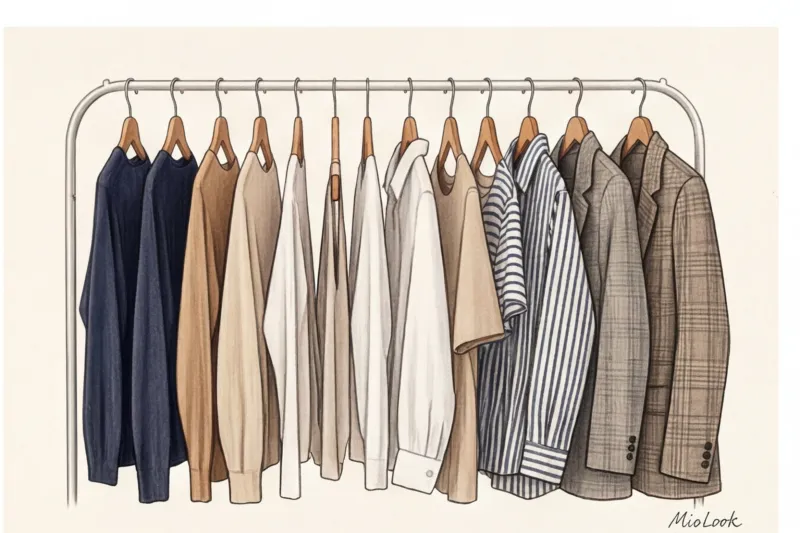
Instead, I offer my clients a combinatorial formula 3 to 1 The idea is simple: for every three solid-color items (with different textures!), there should be one item with a basic print.
Let's calculate the math for a smart capsule for the season. Let's take 12 items:
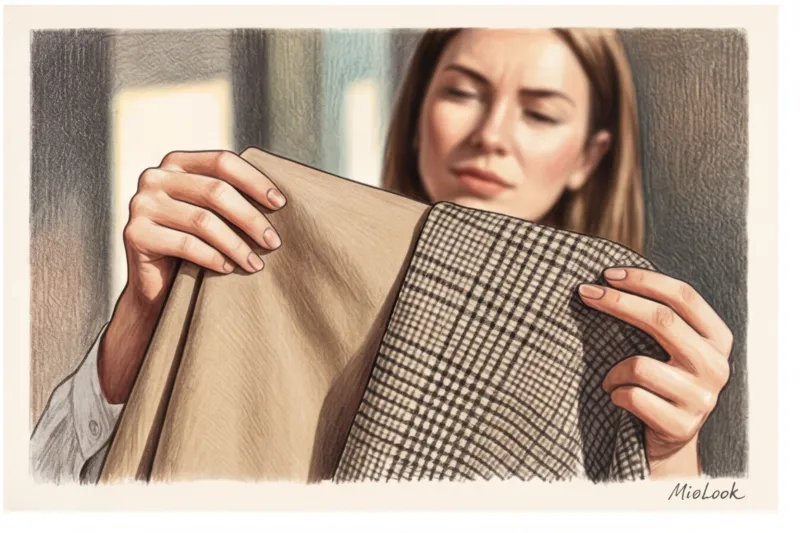
- 9 solid/textured: Heavy denim jeans, wool trousers, silk slip skirt, cashmere sweater, cotton shirt, structured jacket, T-shirt, trench coat, coat.
- 3 printed: Micro polka dot blouse, Prince of Wales check jacket, geometric scarf.
This combination yields over 40 fun, stylistically cohesive looks. If all 12 pieces were solid colors, you'd get the same 40 combinations, but visually, they'd look like five identical outfits.
Your perfect look starts here
Join thousands of users who look flawless every day with MioLook, creating capsules using AI.
Get access — €0.99 once5 Prints That Work as the Perfect Solid Base
Not every pattern can stand the test of time. If you're looking to create a capsule collection that won't go out of style season after season, focus on these five historic patterns.
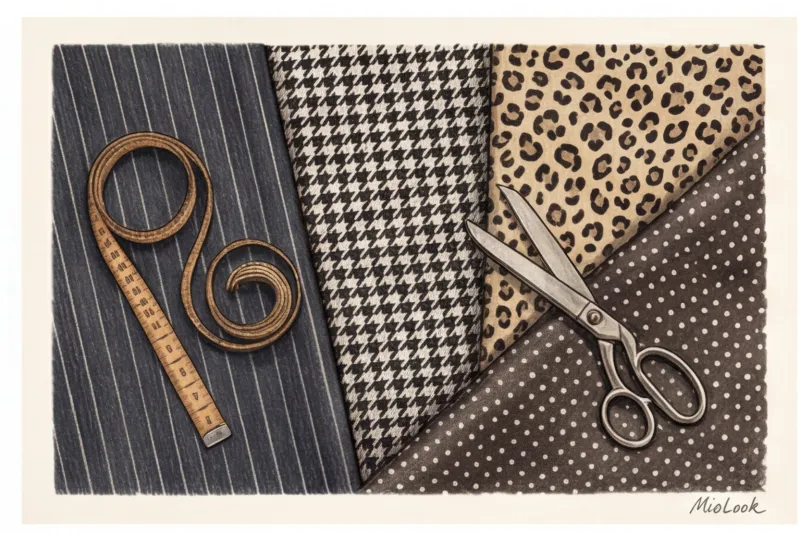
- Houndstooth: A legacy of Christian Dior, who reimagined this British pattern in 1947, making it a symbol of elegance. The small black and white paw print is the perfect, much more dynamic alternative to the muted gray.
- Chalk strip (Pinstripe): It elongates the silhouette as if by magic. A thin light stripe on a dark blue or graphite background adds energy to even the most conservative business suit.
- Micro peas (Polka dot): Safe femininity without the risk of slipping into infantilism. The smaller the polka dots, the more prestigious the item looks.
- Leopard in muted tones: Yes, you heard that right. As print genius Dries Van Noten demonstrates, if you remove the yellow undertone from leopard and tone it down to a cool beige or khaki, it becomes a completely neutral base.
- Classic Prince of Wales check: The perfect investment for your fall/winter wardrobe, this checkered jacket instantly brings together a look with simple jeans and a white T-shirt.
The Investment Paradox: Why Printed Items Shouldn't Be Cheap
Now I'm going to say something that goes against the advice of most glossy magazines. They usually teach us: "Invest in basic solid-color pieces, and buy trendy prints from mass-market stores for one season." In practice, this approach destroys your style.
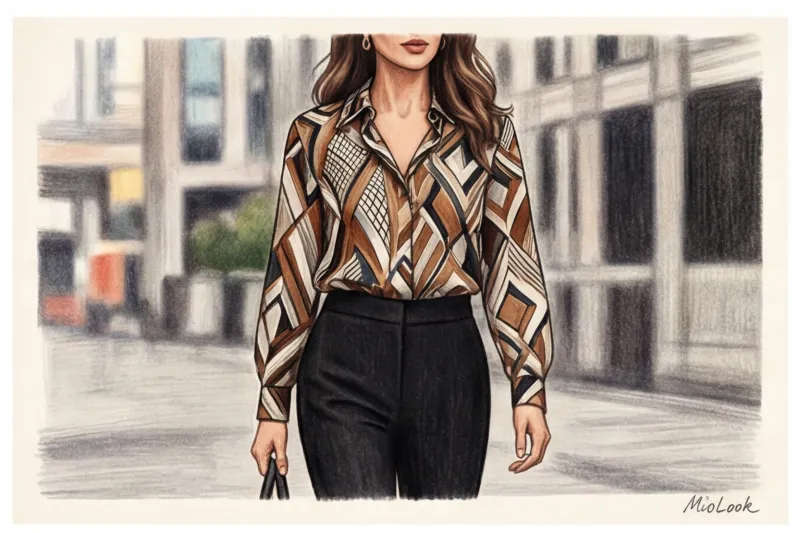
A cheap, solid-color item (like a white, thick cotton T-shirt from Uniqlo for €20) can look perfectly decent. But a cheap print Always gives away its value. Why?
- Seam mismatch: With a budget of under €50, no one will waste fabric to match checkered or striped patterns on side seams and pockets. A torn, crooked pattern instantly cheapens the look.
- Flat printing and cheap dyes: The design is applied to the fabric, not woven into it. The outline will blur after the first wash.
A paradox arises: an expensive silk blouse with a complex print (say, 16-mommie weight) for €200–300 can visually elevate budget-friendly plain trousers from COS. But a cheap synthetic blouse with a crooked floral print will ruin even the perfect pair of Max Mara trousers. Invest in prints—they set the bar for the entire outfit's value.
Ready to get started?
Try the MioLook plan for free—no commitments required. Digitize your wardrobe in minutes.
Get access — €0.99 onceStep-by-step instructions: introducing prints without panic
If your closet previously consisted of fifty shades of beige, don't rush into buying a leopard print coat. Be strategic.
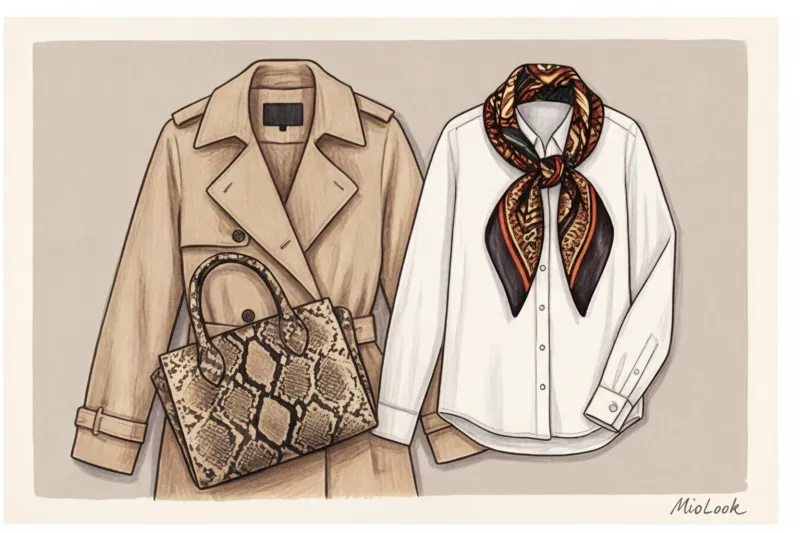
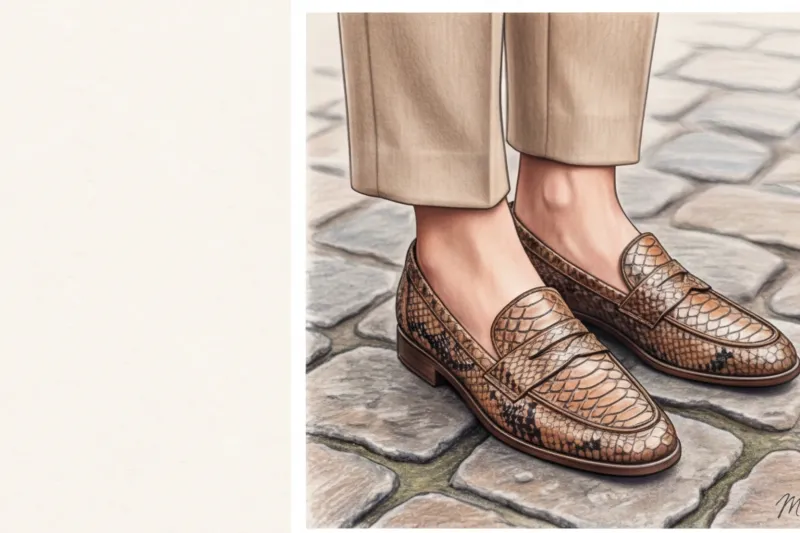
Step 1: Accessory micro-dose. Start with a silk bobble neckpiece, a python bag (in neutral tones), or textured loafers. This is a safe zone that won't overwhelm the portrait area.
Step 2: Safe "bottom". Psychologically, we find it easier to wear patterns away from our faces. Pinstripe trousers or a houndstooth midi skirt are a great start. Any solid-color sweater will work with them.
Step 3: The Sandwich Method. This is my favorite trick. If you have a bold printed blouse, tone it down on both sides. Wear a crisp, solid-color jacket on top and simple trousers underneath. The print will be visible only as a narrow vertical stripe, creating intrigue without stealing the show. You can easily practice this skill by loading your pieces into the "smart wardrobe" feature in MioLook to see how the sandwich method works on your specific figure.
The Secret of the Linking Color: To complete the look, find the least noticeable shade within the print and duplicate it in a base piece. If the leopard print has micro-inclusions of dark chocolate, wear a chocolate turtleneck.
Checklist: Audit Your Current Capsule
Theory is dead without practice. This evening, take 15 minutes to open your closet and take a thorough inventory.
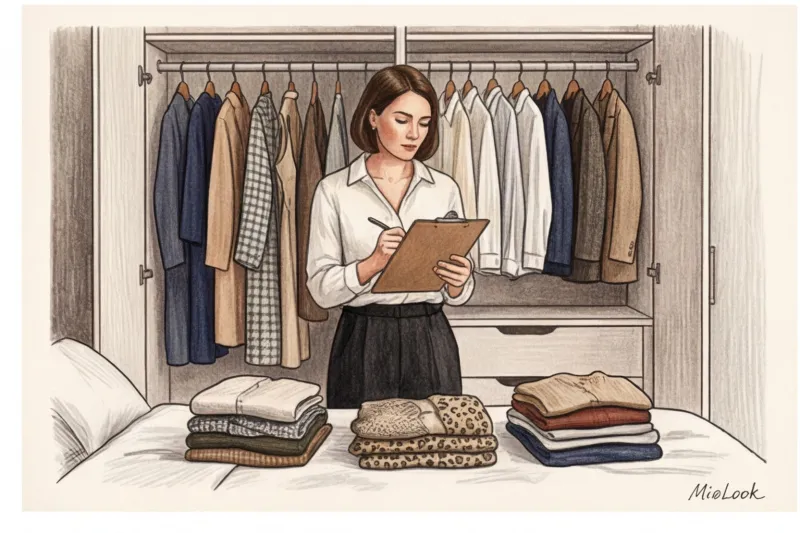
- Count the total number of tops (blouses, sweaters, T-shirts). How many of them are completely smooth and plain? If more than 85%, your wardrobe is at risk of being "boring basics."
- Find three items you haven't worn in over a year simply because they're "so boring." Consider replacing them with similar silhouettes, but in the same category. Faux Plains (eg grey jacket → micro-check jacket).
- Check the seam alignment on printed items you already own.
Remember the key: a basic printed wardrobe isn't about following trends. It's a conscious shift from clothes that simply cover the body to a wardrobe that has its own voice. Allow your pieces to become a little more complex, and you'll see how much easier your morning routine becomes.