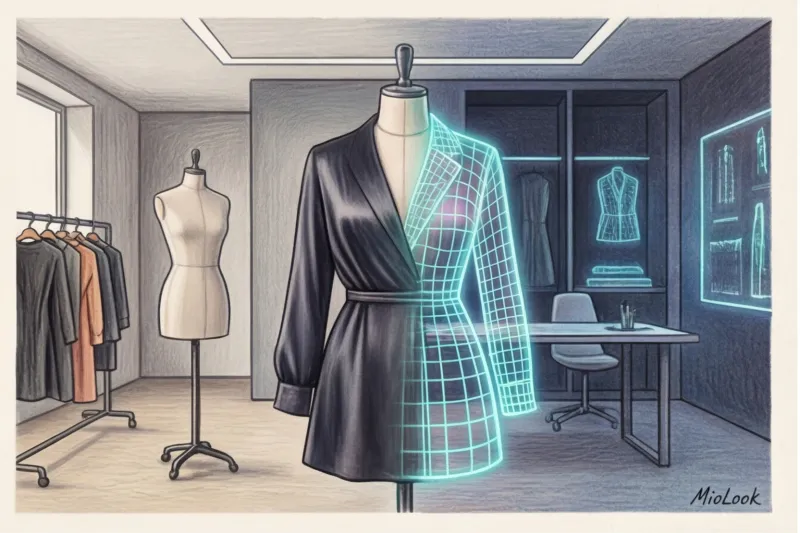
Кілька місяців тому до мене звернулася клієнтка - експерт з маркетингу. Вона готувала запуск дорогого онлайн-курсу, і їй була потрібна серія футуристичних, чіпляючих фотографій для прогріву в соціальних мережах. Коли ми порахували кошторис на оренду студії, послуги візажиста, роботу фотографа та замовлення складних дизайнерських речей (які потім довелося б повертати чи ховати на далеку полицю) сума перевищила 1200 €. Натомість я запропонувала їй експеримент: ми зробили чудові портрети в базовому чорному боді на однотонному тлі, а потім купили два цифрові кутюрні образи за 80 €. Економія склала понад 800 €, а охоплення її постів побили усі рекорди.
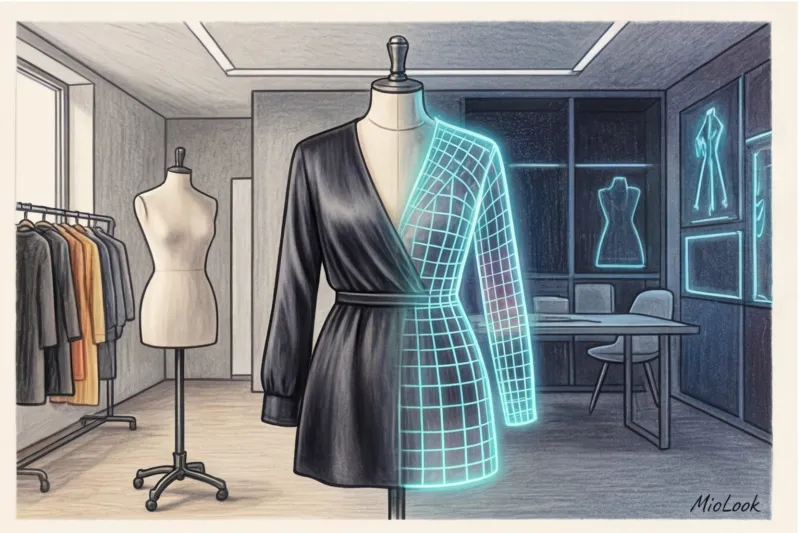
Коли мої клієнти вперше чують термін «nft одяг що це» , вони зазвичай закочують очі. Здається, що це чергова іграшка для гіків чи крипто-мільйонерів. Але за 12 років роботи стилістом я засвоїла одне правило: мода завжди слідує за нашим способом життя. А сьогодні ми «існуємо» в інтернеті майже частіше, ніж на світських раутах. Докладніше про те, як формувалася ця індустрія, ми розповіли у нашому повному гіді по цифровому одязі.
У цій статті я без зайвого крипто-жаргону поясню, чому купувати пікселі за реальні гроші — це не дурість, а раціональне рішення для контент-мейкерів, і як віртуальний гардероб замінює одноразові покупки в мас-маркеті.
NFT одяг: що це простими словами і до чого тут мода
Почнемо із бази. Цифровий 3D-одяг існував давно — у відеоіграх та кіно. Але раніше ви не могли нею володіти. NFT (невзаємозамінний токен) - це, по суті, цифровий сертифікат автентичності та права власності, записаний у блокчейні (базі даних, яку не можна підробити). Коли ви купуєте NFT-сукню, розумний контракт доводить, що цей конкретний віртуальний предмет належить саме вам.
Щоб було зрозуміліше, наведу аналогію із реального життя. Ви можете купити репродукцію картини Клода Моне у сувенірній крамниці Лувру за 15€. Вона виглядатиме красиво, але не має жодної інвестиційної цінності. А можете купити оригінал із сертифікатом справжності. NFT робить із цифровими речами те саме — перетворює їх із картинки, яку можна просто «зберегти як», на унікальний актив.
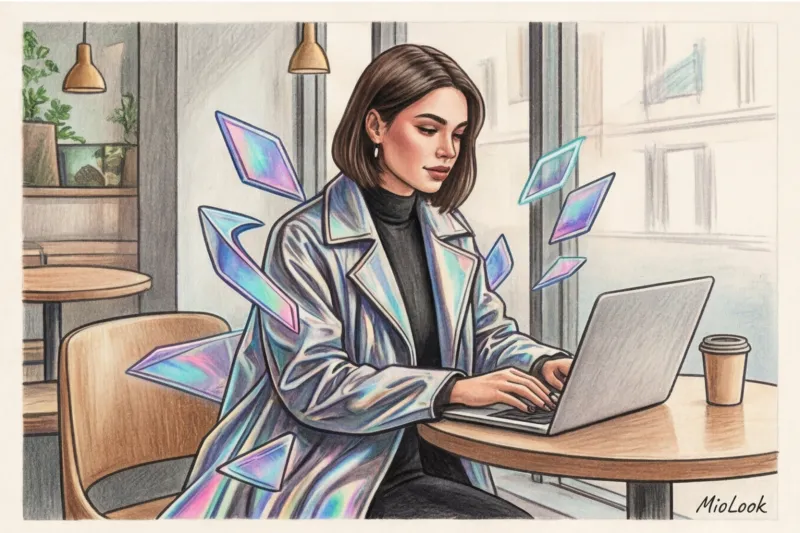
За даними аналітиків Morgan Stanley (2023), до 2030 року люксові бренди можуть отримувати до 50 мільярдів євро прибутки саме від продажу у віртуальному середовищі. Не дивно, що такі гіганти, як Gucci, Balenciaga та Dolce & Gabbana, сьогодні наймають програмістів та 3D-художників нарівні із закрійниками.
Як стиліст, я бачу чітку тенденцію: наш цифровий аватар стає таким же важливим елементом особистого бренду, як костюм на діловій зустрічі. Те, як ви виглядаєте у мережі, формує перше враження швидше, ніж ваше резюме».
Навіщо люди купують віртуальні речі: 4 прагматичні причини
«Навіщо платити за те, що не можна доторкнутися і одягти в кафе?» — це найчастіше запитання, яке я чую. Відповідь у нашій психології споживання. Дослідження британського банку Barclays показало, що майже 9% покупців купують одяг виключно для того, щоб зробити фото у соціальних мережах, а потім повертають річ у магазин. Віртуальна мода вирішує цю проблему витончено та технологічно.
Економія бюджету на контент
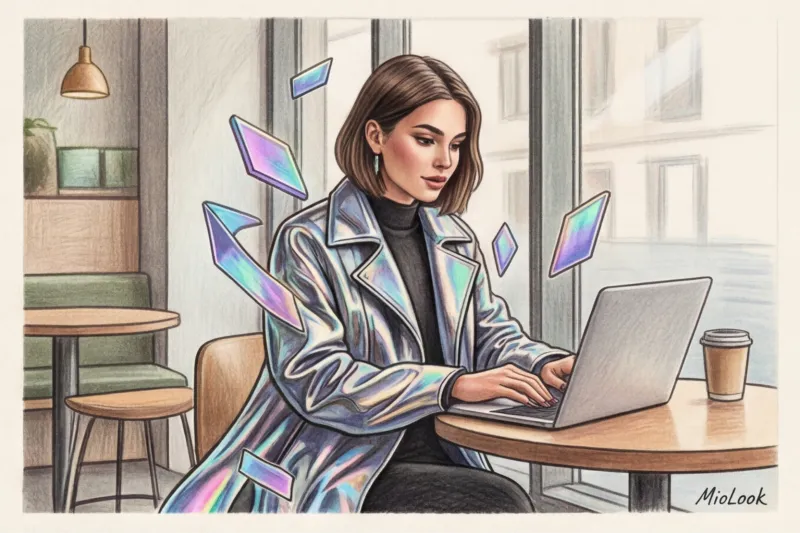
Якщо ви блогер, спікер чи експерт, вам постійно потрібний візуальний контент. Проблема «я в цьому вже фотографувалася» з'їдає більшу частину бюджету. Купівля цифрової куртки зі складною фактурою рідкого металу коштуватиме вам приблизно 50 €. Вам не потрібно платити за хімчистку, шукати місце у шафі та переживати, що річ втратить актуальність через сезон. Для тих, хто часто публікує свої фотографії це чиста математика.
Фіджитал: цифровий ключ до реального ексклюзиву
Мій улюблений тренд останніх років – концепція Phygital (physical + digital). Багато брендів використовують NFT як перепустку до реальних речей. Наприклад, ви купуєте NFT-токен лімітованого худи, і бренд відправляє вам його фізичну копію додому. Це вирішує проблему підробок: якщо ви захочете перепродати річ на платформі ресейл, токен стане залізобетонним доказом того, що це оригінал, а не копія з підвалу. До речі, про те, у чому відмінність вінтажу від секонд-хенду та ресейлу я недавно писала в окремій статті.
Екологічність та кінець «одноразової» моди
Мене завжди кидає в тремтіння, коли я бачу відео з «розпаковування» величезних коробок з Shein або Zara. Більшість цих речей одягнуть рівно один раз. Дані Institute of Digital Fashion невблаганні: створення однієї цифрової речі залишає вуглецевий слід на 97% менше, ніж виробництво реальної футболки. Цифрова мода дозволяє задовольнити нашу спрагу новизни та усвідомленого споживання без шкоди планети.
Інвестиції та перепродаж на вторинному ринку
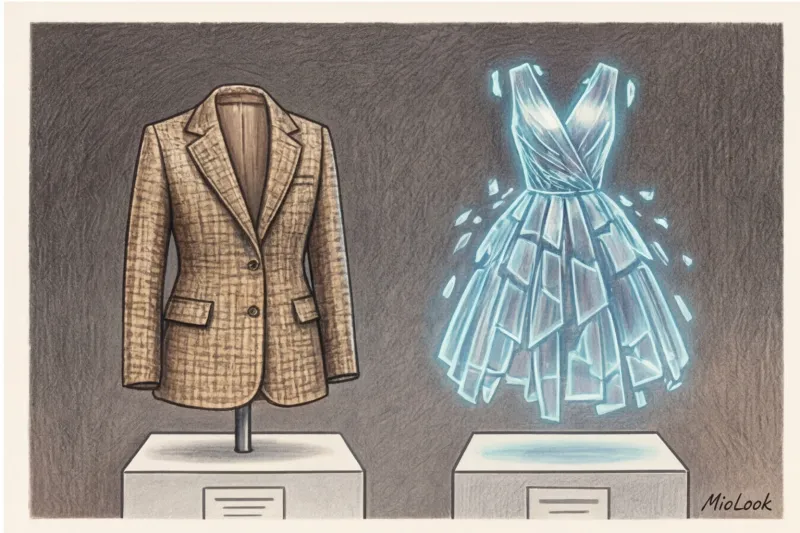
Сукня з мас-маркету дешевшає на 50% в ту секунду, коли ви виносите його з магазину. З рідкісними NFT-речами ситуація інша. Деякі цифрові кросівки та аксесуари, випущені обмеженим тиражем, згодом зростають у ціні на цифрових маркетплейсах. Так, це високоризиковий ринок, але він уже функціонує як повноцінна біржа для колекціонерів.
Спробуйте MioLook безкоштовно
Розумний AI-стиліст допоможе інтегрувати нові тренди у ваш гардероб та підбере ідеальні образи на кожен день.
Почати безкоштовноСкільки коштує цифровий кутюр? Порівнюємо ціни
Ціноутворення в цифровій моді залежить від трьох факторів: імені дизайнера, рідкості (тиражу) та утилітарності (де саме цю річ можна носити — лише на фото чи всередині конкретного метавсесвіту).
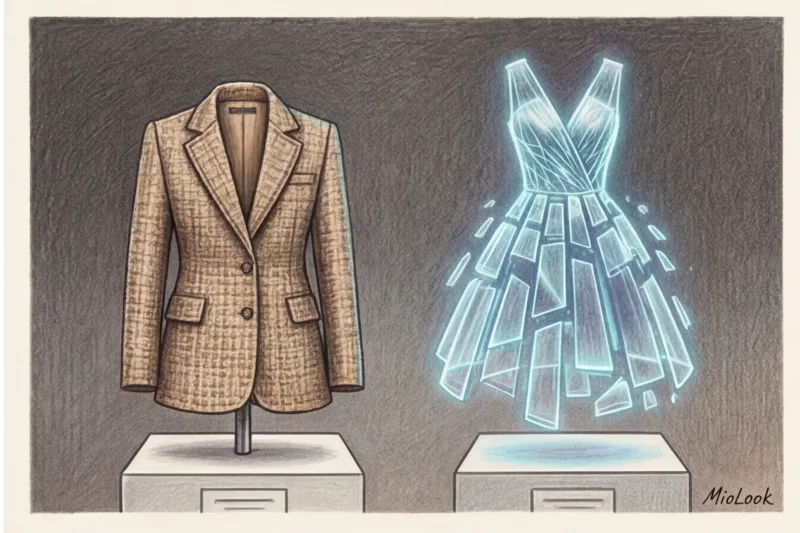
Давайте подивимося на реальні цифри:
- Бюджетний сегмент (20-50 €): За ці гроші на платформах на зразок DressX можна купити чудові цифрові футболки, худі або футуристичні окуляри. Ідеально для повсякденного контенту.
- Середній сегмент (50-150 €): Якісні 3D-сукні, складні костюми з цифрового латексу або неону, що світиться.
- Преміум та колекційні NFT (від 1000 € до нескінченності): Наприклад, віртуальні кросівки від студії RTFKT (яку купив Nike) продавалися за тисячі євро. А цифрова сукня Iridescence була продана на аукціоні за 9500 євро.
Важливе попередження: якщо ви купуєте одяг саме у форматі NFT на блокчейні (наприклад, Ethereum), будьте готові до прихованих витрат - так званих "газових комісіях" (gas fees). Це плата мережі за обробку вашої транзакції, яка може становити від 5 до 50 € понад вартість самої речі. Моя порада новачкам: спершу купуйте цифрові луки за фіатні гроші (зі звичайної банківської картки) без прив'язки до криптогаманців — так ви заощадите нерви та бюджет.
Міф про «порожню витрату грошей»: чому віртуальний гардероб раціональніший за мас-маркет.
Найчастіший аргумент критиків: "Я краще куплю реальну сукню в Zara, ніж картинку". Давайте порахуємо Cost Per Wear (вартість одного виходу). Це головне правило, яким я навчаю своїх клієнтів.
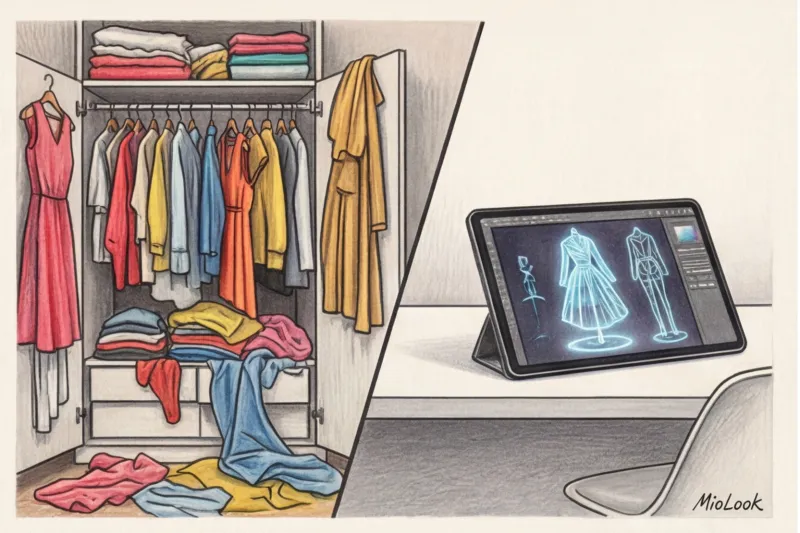
Припустимо, ви купуєте блискучу вечірню сукню з паєтками для новорічної вечірки. У хорошому європейському мас-маркеті воно коштує близько 100€. Ви надягаєте його на свято, робите фото. Одягти його на наступний корпоратив вже дивно — річ, що надто запам'ятовується. Підсумок: сукня висить у шафі, вартість одного виходу – 100 €.
Тепер беремо віртуальну голографічну сукню за 40€. Ви «одягаєте» його на своє фото, публікуєте піст, збираєте захоплені коментарі. Вартість виходу - 40 €. Більше того, цифрова мода вирішує проблему складного крою. Насправді величезні плечі-буфи, тугі корсети або сукні з твердих матеріалів нестерпні в носінні. Ви не можете в них сидіти, дихати чи їсти. Цифровий корсет не давить на ребра, але виглядає на фото абсолютно реалістично.
«Моя філософія смарт-шопінгу звучить так: інвестуйте реальні гроші в преміальні базові речі (ідеальне пальто з вовни, джинси, що бездоганно сидять, якісне взуття), а всі шалені тренди, кислотні кольори і складний крій купуйте в цифровому вигляді для соцмереж».
Як приміряти NFT-річ: покрокова інструкція
Процес примірювання цифрового одягу відрізняється від використання фільтрів у Instagram. Щоб річ сиділа як влита, потрібна ручна робота 3D-фахівців. Ось як це працює на практиці:
- Вибір маркетплейсу: Найзрозуміліші платформи для старту - DressX, The Dematerialised або XR Couture. Вибираєте річ, оплачуєте (як у звичайному інтернет-магазині).
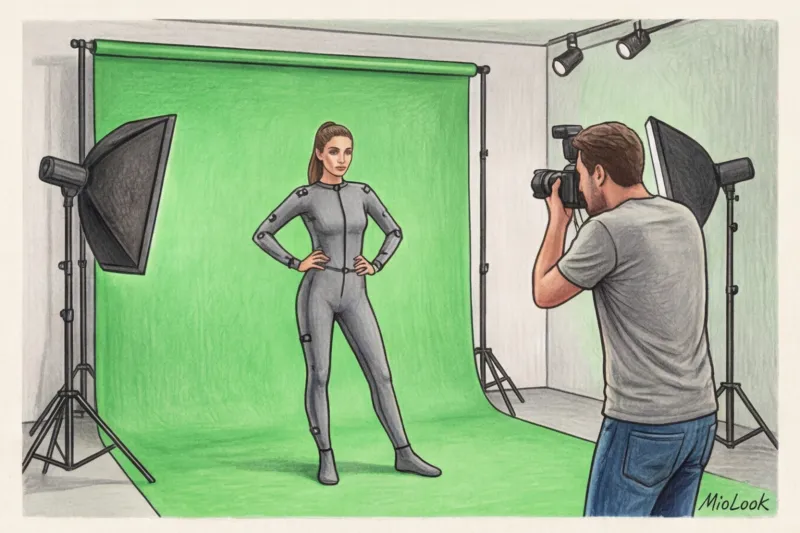
- Підготовка «полотна» (Найважливіший етап!): Це те, чим спотикаються 90% моїх клієнтів. Якщо ви надішлете фото в безрозмірному оверсайз-худі або пуховику, 3D-дизайнер не зможе «вдягнути» на вас віртуальну сукню, що облягає, — воно стирчатиме неприродним горбом. Фотографуватися потрібно в одязі, що облягає (лосини, водолазка, боді) контрастного кольору. Волосся краще зібрати, щоб вони не перекривали лінію плечей.
- Світло та якість: Фото має бути зроблене за хорошого денного світла, без жорстких тіней. Камера має бути на рівні грудей чи талії, щоб пропорції тіла не спотворювалися.
- Процес цифрового пошиття: Ви завантажуєте фото на платформу. Протягом 24–48 годин 3D-дизайнери вручну підганяють віртуальні лекала під вашу фігуру, налаштовують фізику тканини, додають тіні та відображення, щоб річ вписалася у освітлення вашої фотографії.
В результаті ви отримуєте готове зображення найвищої якості, яке ніхто не відрізнить від реальної фотосесії у глянці.
Ваш ідеальний образ починається тут
Приєднуйтесь до тисяч користувачів, які щодня виглядають бездоганно з MioLook. Керуйте гардеробом в один клік.
Почати безкоштовноЧек-лист стиліста: чи варто вам купувати цифровий одяг?
За всієї моєї любові до інновацій, я маю бути чесною: віртуальна мода підходить не всім. Як стиліст, я завжди відштовхуюсь від завдань клієнта.
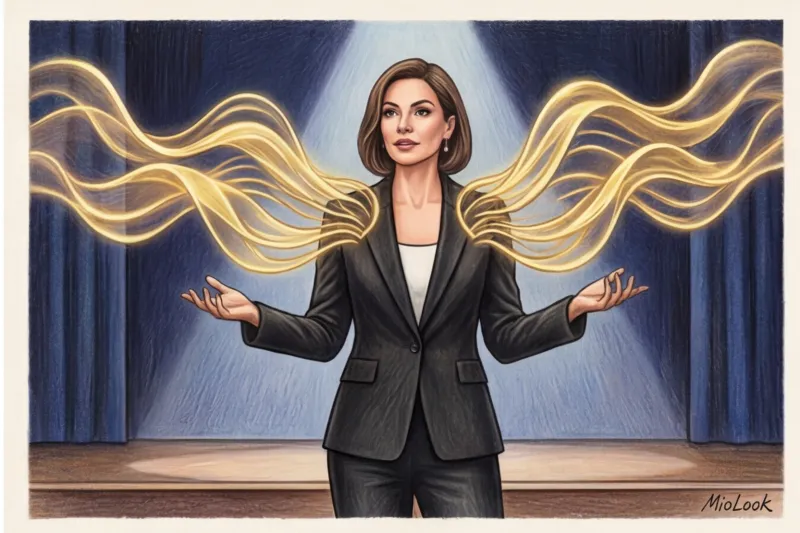
Кому це точно потрібно:
- Інфлюенсерам та блогерам: тим, кому завжди потрібні нові образи для ділової фотосесії чи креативних постів.
- Фахівцям творчих професій: дизайнерам, маркетологам, стилістам - це спосіб показати, що ви в тренді і стежите за технологіями.
- Експертам: для створення яскравих обкладинок подкастів, YouTube-каналів або курсів лендінгів.
Коли це НЕ працює:
Вам точно не варто витрачати гроші на NFT-моду, якщо ваш головний пріоритет в одязі - це тактильні відчуття, комфорт м'якого кашеміру на шкірі або якщо ви працюєте в корпоративному середовищі із суворим дрес-кодом, де ваш імідж будується виключно на особистих зустрічах. Цифрова сорочка не врятує вас на реальній раді директорів.
Якщо ви сумніваєтеся, моя порада: не купуйте одразу дорогий токен. Почніть із малого. Завантажте програму з AR-приміркою (доповнена реальність) і спробуйте безкоштовні цифрові фільтри з одягом. Зробіть пару селфі. Подивіться на реакцію аудиторії. Цифрова мода – це не заміна реальному гардеробу. Це його логічне розширення у тому світі, де нас зустрічають вже не по одязі, а по аватарці.