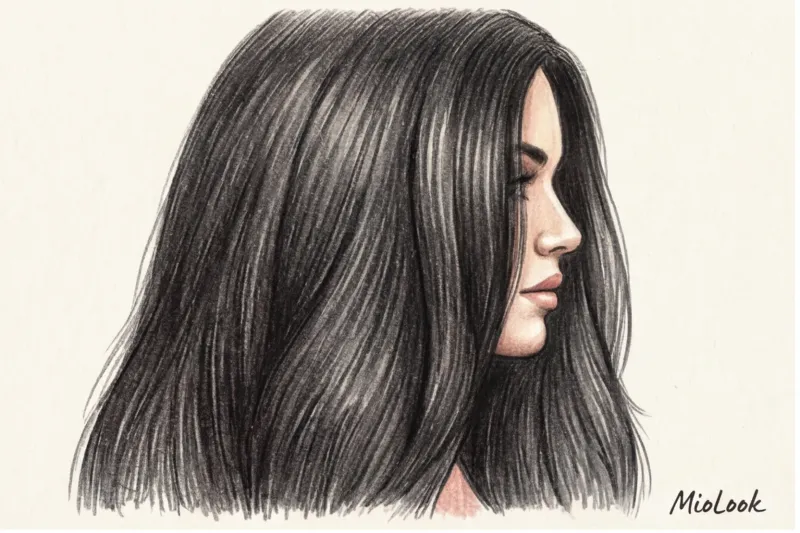
Как стричь густые и тяжелые волосы: убираем лишний вес без потери качества
На бэкстейдже Недели моды в Париже я однажды наблюдала показательную сцену. Ассистент именитого стилиста буквально бился над волосами модели перед выходом на подиум. У нее была роскошная, но абсолютно неподъемная копна. Лак экстра-сильной фиксации не держал объем у корней, невидимки отлетали, а попытки накрутить пряди заканчивались тем, что под собственным весом локоны распускались ровно через пять минут.
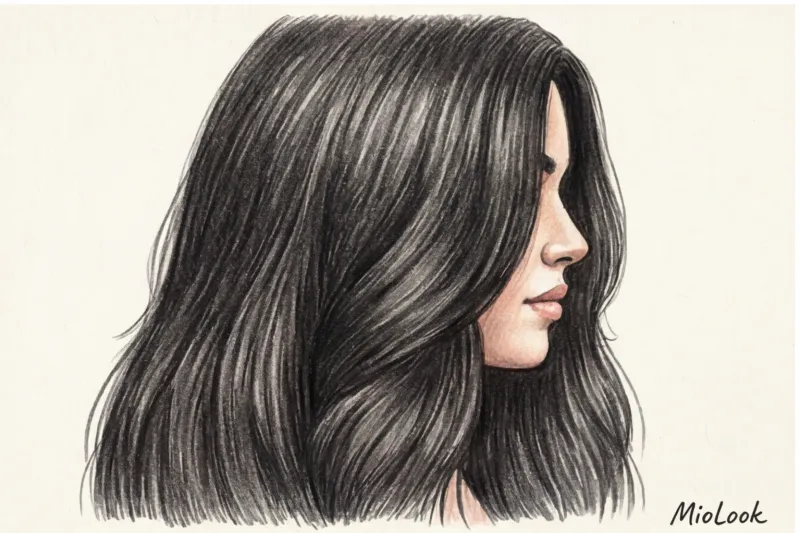
Тогда ведущий мастер подошел, взял прямые ножницы и за десять минут выстриг внутри массы несколько скрытых слоев. Волосы мгновенно «взлетели», появилась текстура и легкость, хотя визуально длина осталась прежней. Этот случай навсегда изменил мое понимание того, как работают стрижки для густых тяжелых волос. Это не вопрос эстетики или количества вылитых на голову укладочных средств. Это чистая физика и архитектурное распределение веса.
Умная работа с формой кардинально меняет жизнь и экономит часы утренних сборов. Подробнее об этой философии мы рассказали в нашем полном гиде по умным стрижкам по структуре волос. Сегодня же мы разберем анатомию тяжелых прядей и выясним, почему привычные салонные методы работы с ними чаще вредят, чем помогают.
Анатомия тяжелых прядей: почему стандартные методы не работают
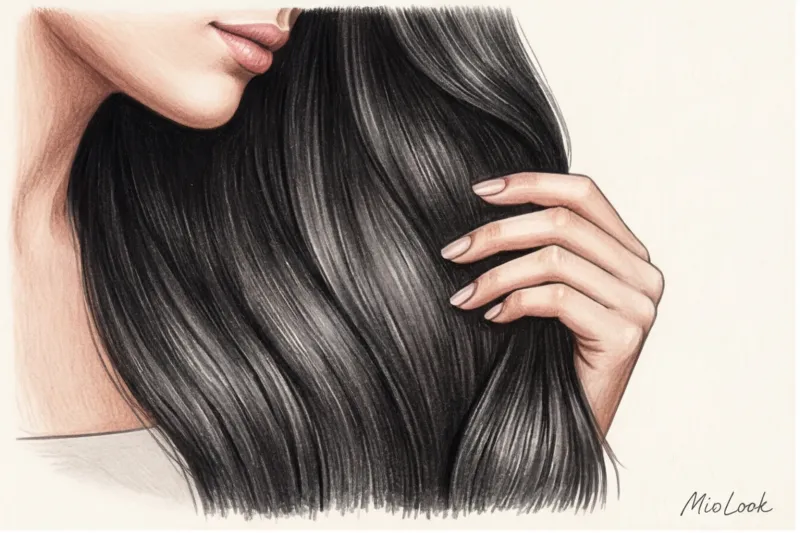
Для начала разделим два понятия, которые часто путают даже мастера с опытом: густота и плотность. Густота — это количество активных волосяных луковиц на квадратный сантиметр кожи головы (в норме их около 100–150 тысяч). Плотность — это толщина и диаметр самого стержня волоса (более 0,07 мм). Когда оба эти показателя максимальны, мы получаем ту самую «тяжелую базу».
По данным трихологических исследований (2023), густые волосы весят на 30–40% больше тонких при аналогичной длине. Эта огромная масса создает реальную физическую нагрузку: пряди беспощадно оттягивают корни вниз, намертво лишая прическу объема на макушке, и создают постоянное натяжение кожи головы (scalp tension), от которого к вечеру может банально болеть голова.
Классический прямой срез одной длины для такой текстуры — это приговор. Вы получаете монолитный треугольник, расширяющийся к низу. Еще в 1960-х годах легендарный Видал Сассун доказал: правильная геометрия стрижки должна заставлять волосы ложиться в нужную форму без дополнительных усилий. Его знаменитая концепция Wash and Go («Вымыл и пошел») базировалась именно на точном удалении веса там, где он мешает естественному распаду прядей.
Главный миф: почему стоит навсегда отказаться от филировочных ножниц
Если вы придете в среднестатистический салон и скажете: «У меня слишком тяжелые волосы, сделайте что-нибудь», в 9 случаях из 10 мастер достанет зубчатые филировочные ножницы. И это роковая ошибка, которая будет стоить вам качества волос.
Несколько лет назад ко мне обратилась клиентка в полном отчаянии. Она жаловалась, что при малейшей влажности ее удлиненное каре превращается в пушистый шар, а концы выглядят так, словно их пожевали. Оказалось, ей годами агрессивно филировали нижнюю треть волос, пытаясь «проредить» густоту и облегчить форму.
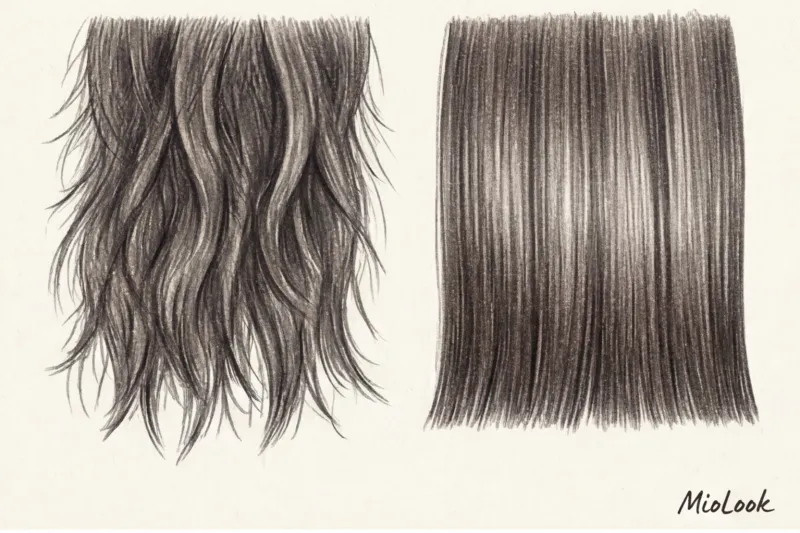
Что происходит при работе филировочными ножницами на самом деле? Они выстригают часть волос на одном уровне, создавая внутри пряди короткие, обрубленные волоски.
- Эффект «елочки»: Короткие волоски под массой длинных начинают отрастать и физически выталкивать верхние пряди наверх. В парикмахерском искусстве есть непреложный закон: короткий волос толкает длинный. В итоге вместо гладкости вы получаете избыточный объем там, где его не просили.
- Разрушение кутикулы: Зубчатое лезвие часто не срезает, а рвет плотный волос, особенно если инструмент недостаточно заточен. Результат — мгновенно секущиеся концы.
- «Шлем» через две недели: Как только выстриженные коротыши отрастают буквально на пару миллиметров, форма стрижки безвозвратно плывет, волосы становятся неуправляемыми.
Ваш идеальный образ начинается здесь
Присоединяйтесь к тысячам пользователей, которые каждый день выглядят безупречно с MioLook. Умный алгоритм подберет форму, учитывая особенности вашего лица.
Открыть доступ — €0,99 разовоАрхитектура формы: салонные техники удаления лишнего веса
Если филировка под строгим запретом, как тогда укротить тяжелую копну? Ответ кроется в переходе от 2D-мышления (обычная стрижка по плоской плоскости) к 3D-моделированию формы. Грамотный стилист строит геометрию, учитывая не только то, как волосы висят прямо, но и то, как они двигаются в пространстве.
Внутренние слои (Invisible Layering)
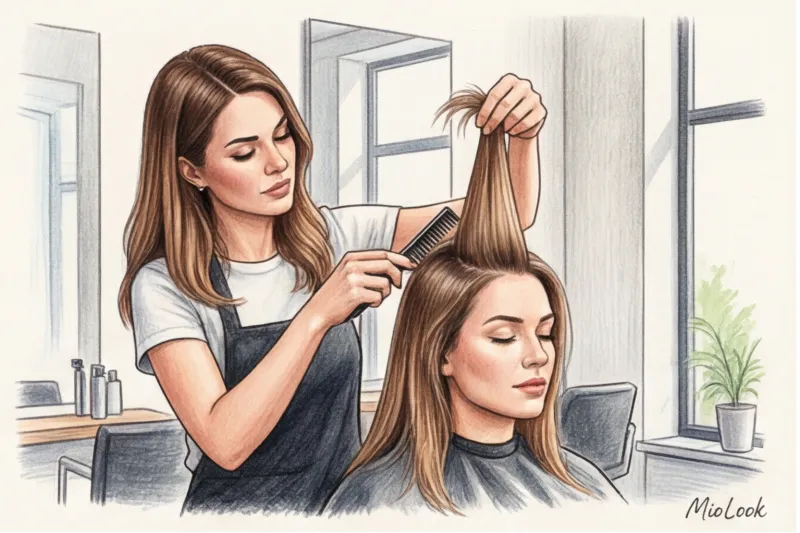
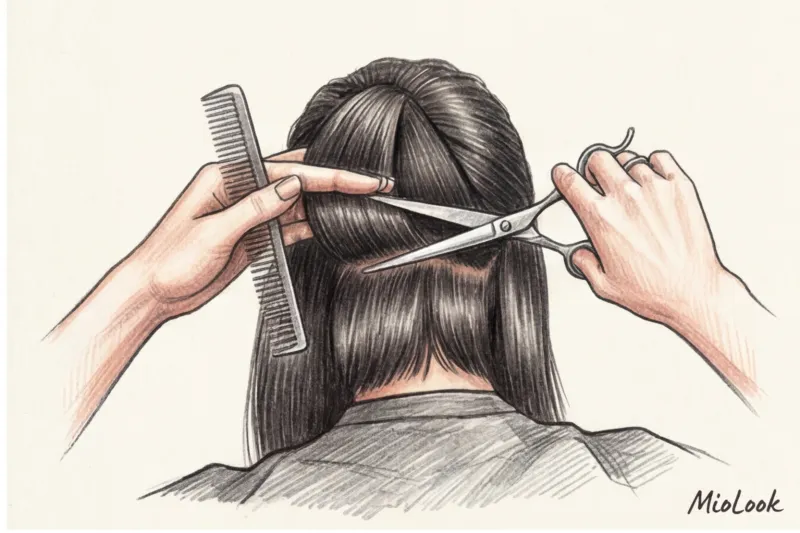
Это ювелирная техника выстригания скрытых слоев глубоко внутри массы волос. Мастер аккуратно приподнимает верхний «кроющий» слой (canopy) и создает более короткие пряди под ним, не затрагивая периметр. Верхние длинные волосы ложатся поверх этих укороченных зон.
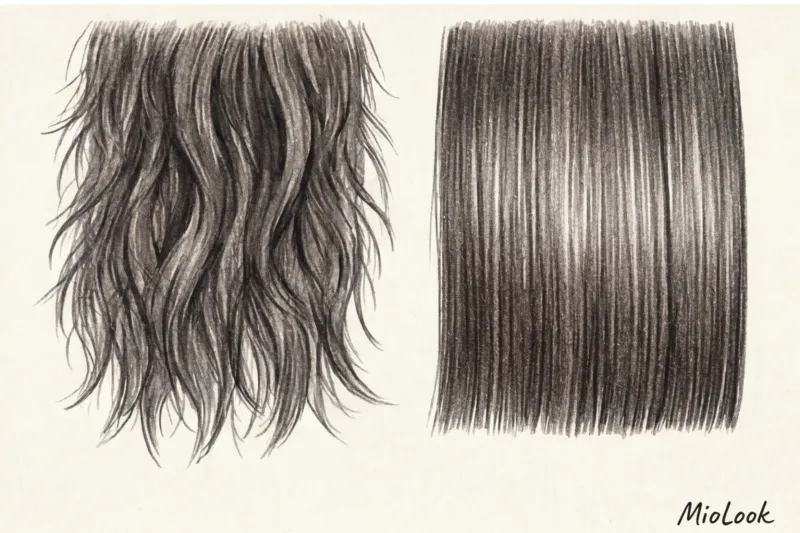
В результате визуальная плотность и длина контура сохраняются, но внутри волосы становятся подвижными. Уходит та самая монолитность, которая делает прическу похожей на парик. Справедливости ради: эта техника абсолютно НЕ работает на тонких и редких волосах (там она оставит три прозрачные прядинки), но для тяжелой базы — это спасение номер один.
Пойнткатинг (Point Cutting) и Слайсинг
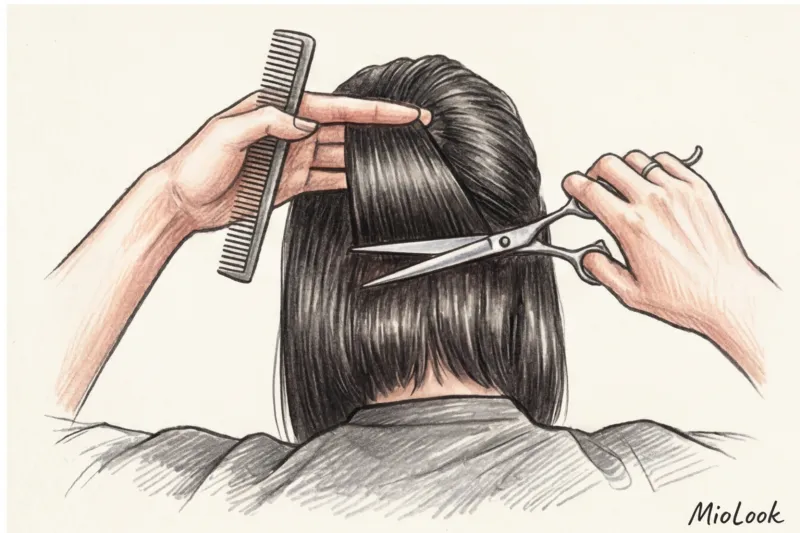
Эти методы входят в золотой стандарт обучения передовых академий, таких как лондонская Toni&Guy. Вместо того чтобы рубить прядь по прямой линии тупым срезом, стилист врезается кончиками прямых ножниц глубоко в срез (пойнткатинг). Это смягчает край, делая его похожим на зубчики расчески.
Слайсинг — это скользящий срез полуоткрытыми полотнами прямых ножниц. Он создает невероятную динамику и направляет волосы. Стрижка выполняется строго по естественному росту, чтобы пряди сами укладывались в нужную сторону при высыхании без использования брашинга.
Лучшие умные стрижки для густых тяжелых волос
Адаптация современных трендов под тяжелую базу требует от мастера тонкого понимания пропорций. Вот три формы, которые идеально распределяют вес и гарантируют, что стрижки для густых тяжелых волос будут выглядеть дорого и статусно.
Текстурный удлиненный боб (Lob)
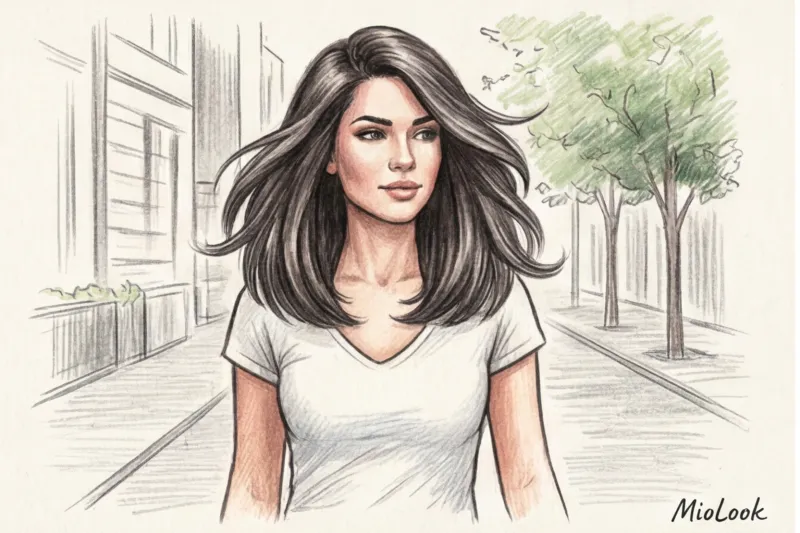
Каре до ключиц (Long Bob) — безусловная классика, но на плотных волосах оно требует выверенного угла оттяжки. Затылочная зона стрижется с легкой градуировкой, чтобы создать динамику и убрать «тяжесть», которая ложится на плечи. У лица мы добавляем удлиненную челку-шторку: она мастерски разбивает монолитную массу и подчеркивает скулы.
Такая форма невероятно вариативна для рабочих будней. Если вам интересно, как легко интегрировать её в деловой дресс-код, загляните в нашу подборку идеальных причесок office siren за 3 минуты или изучите 5 способов красиво уложить каре за 5 минут.
Современный французский шегги
Если у вас густые, да еще и волнистые волосы, бороться с их природой с помощью утюжка бесполезно и губительно. Французский шегги (Shag) использует глубокие текстурированные слои, чтобы превратить непокорную массу в стильную парижскую небрежность.
Эта форма строится на резких перепадах длины. Лишний вес уходит, а ваш природный завиток, освобожденный от тяжести, начинает формироваться самостоятельно. Вам больше не понадобятся горячие инструменты — только хороший увлажняющий крем и пара капель солевого спрея.
Длинные волосы с мягким контуром (Soft Blunt)
Многие обладательницы роскошной длины панически боятся любых слоев, опасаясь эффекта «общипанных» концов. Альтернатива — форма Soft Blunt. Это плотный, но смягченный (через технику пойнткатинга) контур сзади в виде плавной буквы U или V, и мягкая градуировка у лица, начинающаяся строго от линии ключиц.
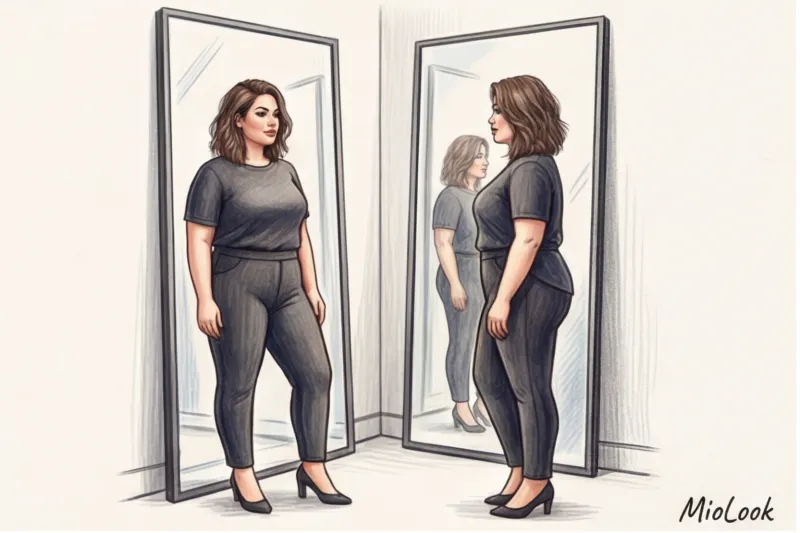
Это мгновенно облегчает зону груди и плеч, сохраняя ощущение длинных, богатых волос. Если вы сомневаетесь, какая именно вариация подойдет вашим чертам лица, попробуйте проанализировать пропорции через приложение MioLook. Умный алгоритм помогает визуализировать изменения до того, как мастер сделает первый необратимый срез.
Доступ к MioLook за €0,99 — разовый платёж
Умный AI-стилист подберёт идеальный образ: от правильной архитектуры стрижки до капсульного гардероба.
Открыть доступ — €0,99 разовоСловарь клиента: как правильно поставить задачу стилисту
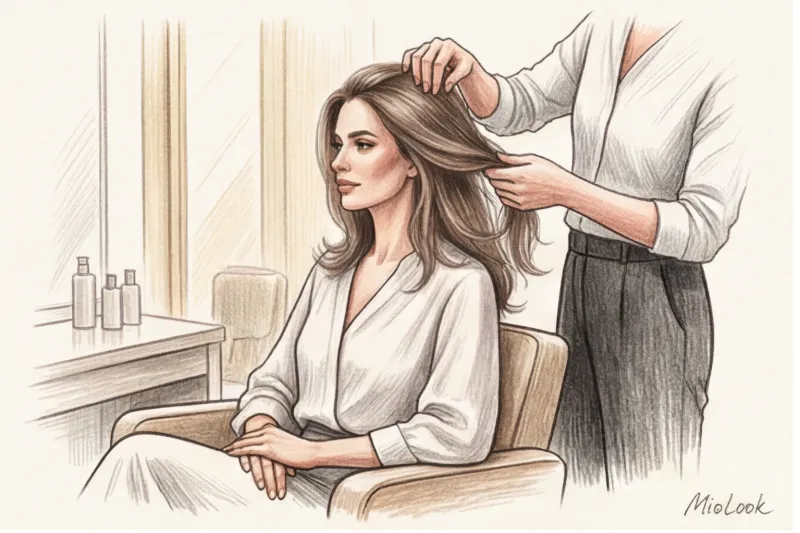
За годы общения с ведущими стилистами и работы на съемках я вывела одно жесткое правило: результат стрижки на 50% зависит от того, как вы озвучили задачу на этапе первичной консультации в кресле. Даже в салонах премиум-сегмента (где стрижка может стоить от 150 до 300 €) мастера, находясь в условиях дефицита времени, могут пойти по пути наименьшего сопротивления.
Главное стоп-слово, которое нельзя произносить: «У меня слишком много волос, просто сделайте полегче». Эта абстрактная фраза — зеленый свет для использования пресловутых филировочных ножниц.
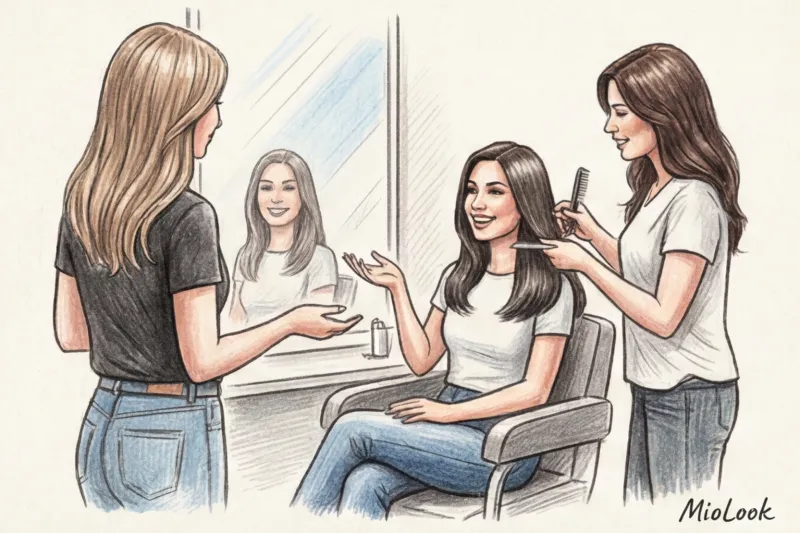
Вместо этого используйте профессиональный чеклист. Задайте эти вопросы до мытья головы:
- Спросите прямо: «Каким инструментом вы планируете снимать объем?» Если ответ «филировочными ножницами» — вежливо прощайтесь.
- Попросите: «Пожалуйста, используйте только прямые ножницы. Я хочу сохранить плотный край, но убрать внутренний вес».
- Уточните технику: «Вы работаете в технике внутренних слоев (invisible layers) или предпочитаете слайсинг?»
Замечали ли вы, что фото референсов из Pinterest часто не оправдывают ожиданий? Секрет прост: когда вы показываете фото, закрывайте пальцем лицо модели и смотрите исключительно на текстуру. Ищите фотографии девушек с такой же плотностью волос, как у вас, иначе результат будет разочаровывающим.
Домашняя рутина Wash and Go: сохраняем форму без усилий
Даже самую гениальную салонную архитектуру можно уничтожить неправильным домашним уходом. Тяжелым волосам категорически противопоказаны густые питательные маски (с высоким содержанием тяжелых масел вроде ши или кокоса), нанесенные близко к корням. Они утяжеляют пряди еще больше, мгновенно склеивая их в сосульки.
Правила сушки феном предельно просты, но критичны. Воздушный поток должен идти строго сверху вниз — параллельно стержню волоса, от корней к концам. Это механически закрывает кутикулу, делая плотный волос блестящим и гладким, предотвращая пушистость. Никогда не сушите густые волосы, хаотично раздувая их во все стороны (так называемая «сушка вниз головой» даст вам объем взбесившегося одуванчика, а не салонную укладку).
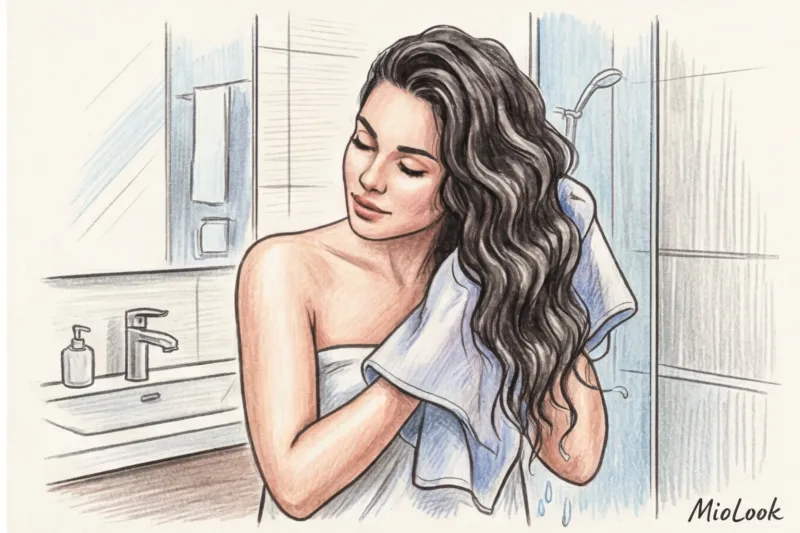
Вместо тяжелых муссов сильной фиксации и лаков, которые только цементируют лишний вес, используйте текстурирующие солевые спреи для прикорневой зоны и легкие сепарирующие кремы для концов. О том, как сделать так, чтобы укладка держалась долго на тяжелых волосах, мы рассказываем отдельно, но главное золотое правило — чем меньше продукта, тем лучше.
Подведем итог: если архитектура стрижки выстроена правильно, с полным учетом естественного распада ваших плотных прядей, утренняя рутина не должна занимать больше 5–7 минут. Ваша задача — просто вымыть волосы, направить теплый воздух фена по росту прядей и позволить умной форме сделать всю сложную работу за вас.