Over 14 years of cleaning out wardrobes, I've come up with one sad but ironclad statistic: 90% of my clients have at least three pairs of incredibly beautiful, expensive, and completely unwearable shoes gathering dust in their closets. They wore them exactly once, rubbed their feet raw, and then put them away on the top shelf forever.

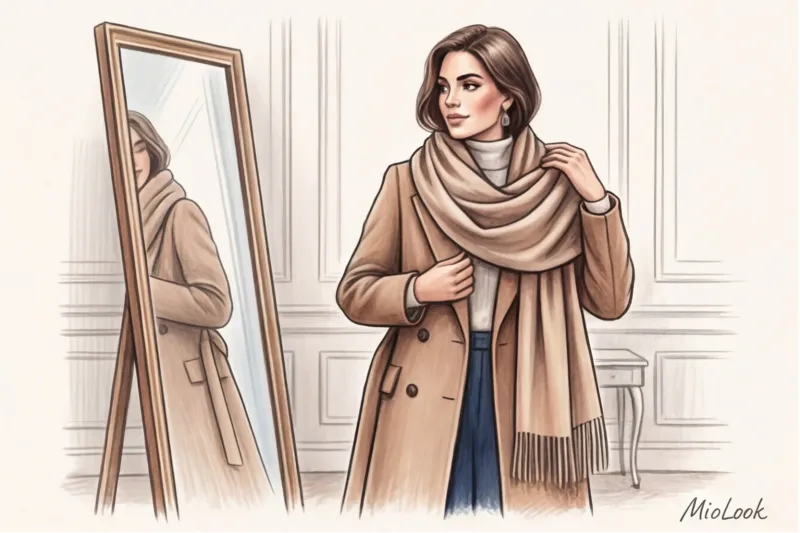
Sound familiar? For decades, fashion magazines have been telling us: classic women's shoes — black pumps with a 10-centimeter heel and round ballet flats with a bow are essential. It's time to dispel this outdated myth. True classics today are measured not by the glossy stereotypes of the 2000s, but by real anatomy and the Cost-Per-Wear formula. We've shared more about how to create a foundation that truly works for you in our the complete guide to timeless clothing style.
The "Basic" Shoe Trap: Why Do We Buy Things We Never Wear?
The biggest mistake women make in shoe stores is buying clothes for an "imaginary version of themselves." The version that goes to the theater every night, doesn't ride the subway, and gracefully glides across cobblestone streets in stiletto heels. In reality, we choose comfort.
"One of my clients is a top bank manager. She had 40 pairs of luxury shoes in her closet, but she showed up to our meeting in worn-out running sneakers. Why? Because everything else was 'beautiful, but unbearable' for a 10-hour workday."
Instead of buying another €50 pair of "going out" shoes that you'll only wear once a year, invest in wearable classics. This is where the indicator comes into play. Cost-Per-Wear (CPW) If you buy the perfect leather loafers for €300 and wear them 100 days a year for three years, the actual cost per wear will be only €1. Quality shoes pay for themselves in 40–50 wears.
Access to MioLook for €0.99 — one-time payment
A smart AI stylist will select the perfect look for every day and help calculate the ROI of your wardrobe.
Get access — €0.99 oncePair #1: Structured Loafers – Smart, Classic Women's Shoes
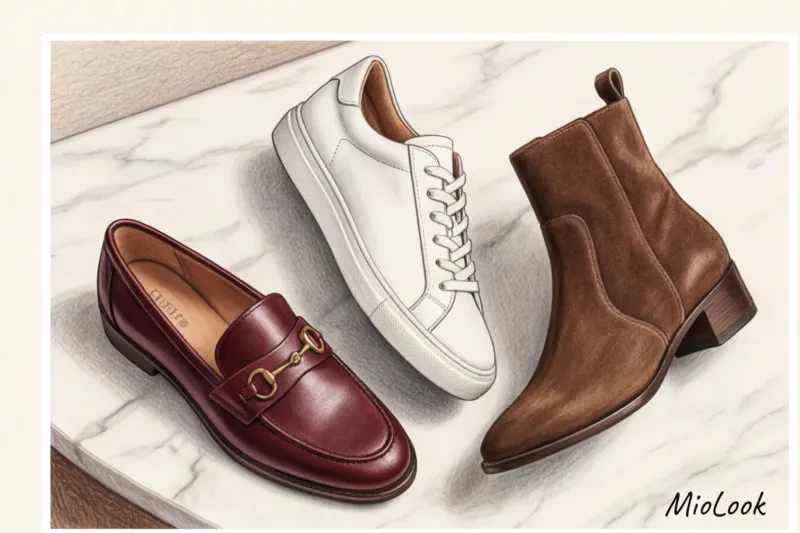
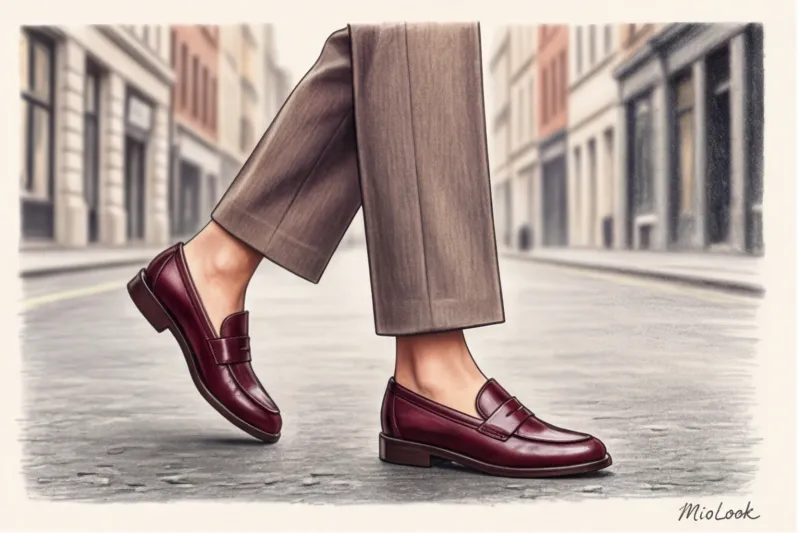
If I had to keep only one pair of shoes in my wardrobe for the off-season, it would be classic penny loafers. It's important to understand the difference: we're not talking about trendy models with oversized platform soles that will go out of style within a season, but rather a structured base with a 1–1.5 cm thick sole.
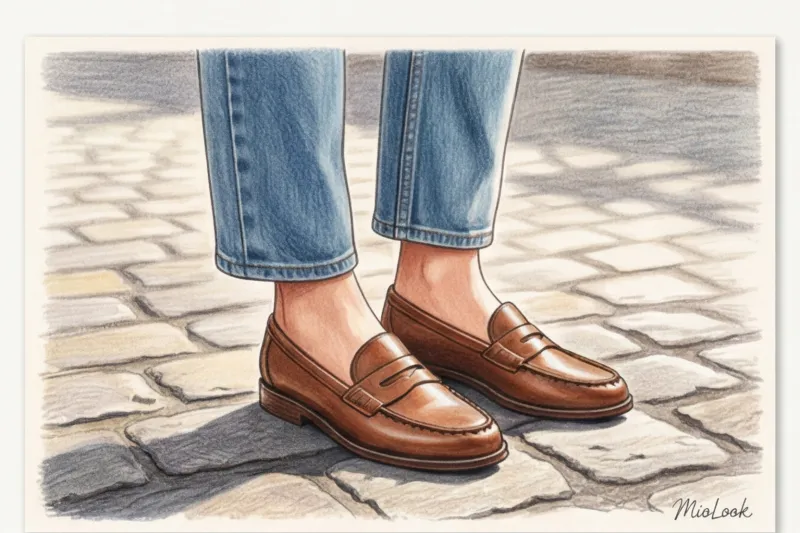
The rigid shape of loafers has a remarkable property: they instantly bring together any outfit, even the most casual one. You can wear straight-leg blue jeans, a white T-shirt, and a trench coat. Add sneakers for a grocery-shopping look. Add loafers, and you're ready for a business breakfast.
- Rules for choosing leather: Avoid patent leather. In practice, it cracks at the folds after just a couple of months of heavy wear and cannot be restored. Matte calfskin ages more gracefully, developing a beautiful patina.
- Stylization: In my experience styling executive clients, loafers have become a true lifesaver. They're the perfect alternative to formal shoes, yet just as classy.
Pair #2: White Minimalist Sneakers (And Why Sneakers Are Different)
Let's get this straight. Your favorite running shoes with neon accents and mesh are athletic shoes. Outside the gym, they're only appropriate for a sporty-chic look. But sleek leather urban sneakers are truly classic women's footwear for the 21st century.
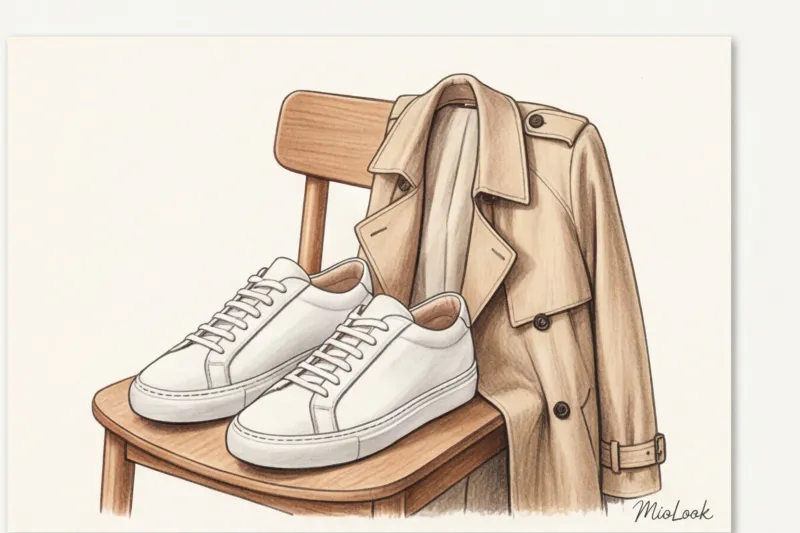
In 2024, the Business of Fashion (BoF) report documented the final "sneakerization" of office dress codes: sales of casual stilettos fell by 71%. Sneakers became the new norm. But for them to work as a basic, certain guidelines must be followed. "blank slate rule": No large logos, colorful stripes, rhinestones, or chunky platforms. These are basic low-top sneakers with a flat rubber sole.
They masterfully tone down the pretentiousness of a formal pantsuit. And to keep them in perfect condition, here's my personal secret: use regular melamine sponges to clean white rubber soles—they work better than any expensive shoe polish.
Your perfect look starts here
Join thousands of users who look flawless every day with MioLook. Upload your items to the app, and AI will create stylish outfits from them.
Get access — €0.99 oncePair #3. Kitten Heel Slingbacks – A Modern Replacement for Stilettos
Black stiletto pumps are no longer a staple. Remember that. They're a special occasion shoe. Unless you're working on the red carpet, stilettos will simply collect dust. True classics must be wearable.
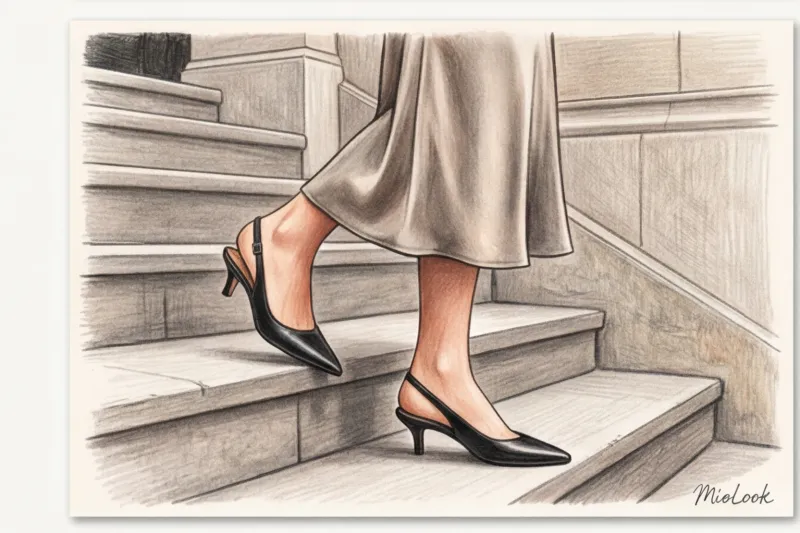
The perfect compromise between elegance and health is slingbacks (shoes with an open heel and a strap) with a heel. kitten heel 3–5 cm high. The elongated, but not extremely pointed, toe visually lengthens the leg, and the open heel makes the look lighter and more modern.
Medical Fact: According to the American Podiatric Medical Association (APMA), a heel height of 3–4 cm is anatomically more beneficial for weight distribution and posture than completely flat ballet shoes, which can contribute to the development of flat feet.
If you're unsure what to pair such a sophisticated pair with, try the "smart wardrobe" feature in MioLook The app will show you how to pair slingbacks with your favorite jeans or midi skirts, maintaining the right proportions.
Pair #4: Almond-Toe Chelsea Boots
The biggest mistake I regularly see in the fall is buying ankle boots that are too wide. When there's too much space between your foot and the top of the boot, and your jeans end higher, you end up with an unsightly "bare strip." This visually cuts your leg into pieces and shortens your height.
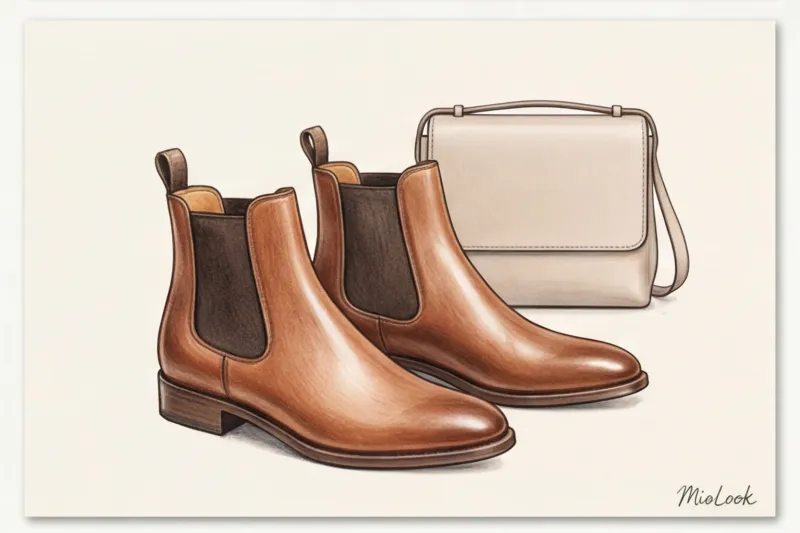
The gold standard of a timeless wardrobe is smooth leather Chelsea boots with a narrow shaft (15-18 cm high) that goes under Trousers or jeans. This is a stylist's secret: this fit allows ankle boots to be worn with both flowing midi dresses and cropped trousers without disturbing the proportions.
Why an almond-shaped toe? A square toe (bob) or an extremely pointed toe are microtrends that come and go in cycles. A round toe often makes the foot appear bulky and childishly awkward. The almond shape is neutral, elegant, and always on the runways.
Pair #5. High Tube Boots (Jockey Boots)
Remember those tight-fitting calf-length boots? They go out of style as quickly as they appear. Riding boots, however, have been a staple in wardrobes for decades. The jockey style has long since moved from the status of a microtrend to a timeless aesthetic. old money.
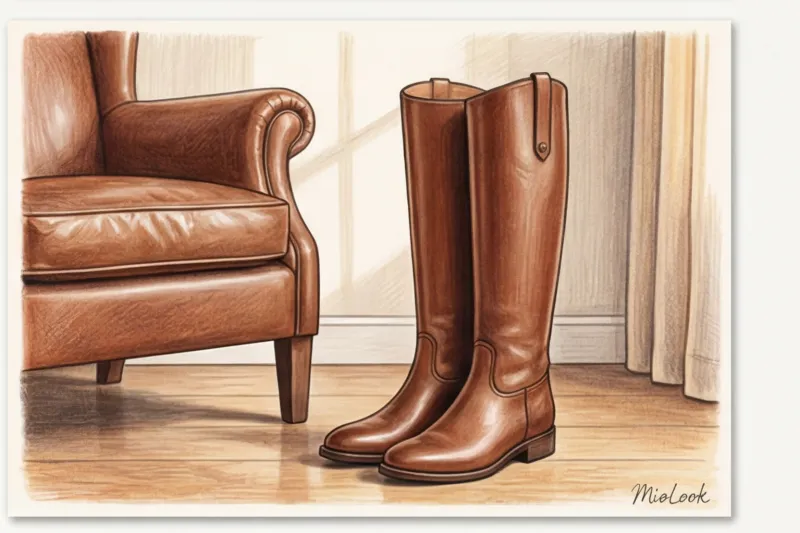
The secret to a proper fit in these boots is simple: there should be room for exactly one toe between the shaft and your foot. They shouldn't dangle like a pencil in a glass, but they shouldn't squeeze your calf either. A straight, rigid shaft conceals the nuances of your leg shape and creates a more graceful silhouette.
These are the shoes worth investing in. Choose thick, smooth leather in the €150 to €400 range and avoid unnecessary hardware. The fewer buckles, chains, and logos, the more expensive the shoe will look and the longer it will last.
A Stylist's Checklist: How to Choose Classic Shoes for 5+ Year Olds
Finding the right fit is only half the battle. I've developed a personal protocol for inspecting shoes in stores, which I recommend using before every purchase.
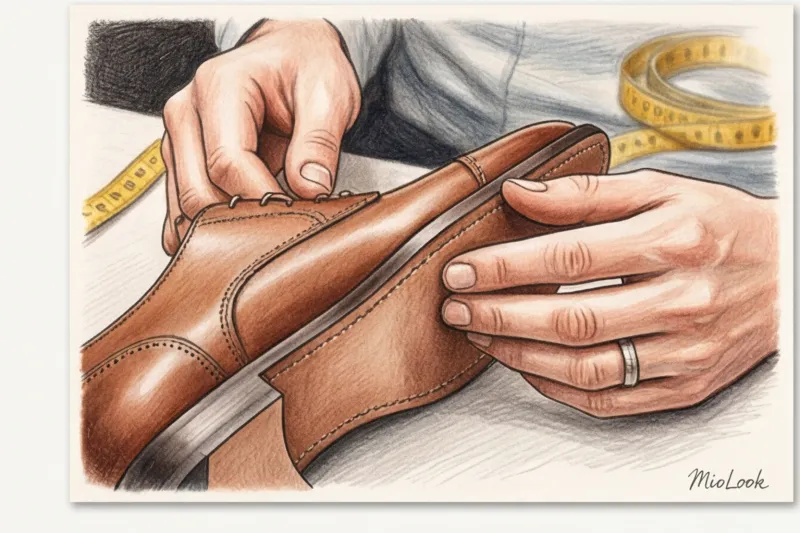
- Hardware test: The "invisible" or distressed hardware rule applies. Shiny gold or silver zippers cheapen the look. Ideally, the zipper should match the color of the shoe's leather.
- Sole and prevention: Classic city shoes should have soles no thinner than 5 mm, otherwise you'll feel every stone and the shoes will quickly become deformed. If you buy an expensive pair with a leather sole, take them to a shoemaker for maintenance immediately before you step on the pavement.
- Flexibility test: Bend the shoe in your hands. It should bend at the anatomical flexion point of the foot (where the toes begin), not in the middle.
- The lining is more important than the top: The inside of the shoe touches the skin. If the upper is made of genuine leather but the inside is made of cheap polyurethane, your feet will sweat and the shoes will develop an unpleasant odor. Look for models with a soft, genuine leather lining.
When do these rules NOT work? I'll be honest with you: if you have significant orthopedic problems (hallux valgus, complex forms of flatfoot), any aesthetic considerations become secondary. In this case, your "base" becomes the shoes that house a custom orthopedic insole.
Integration into a timeless wardrobe
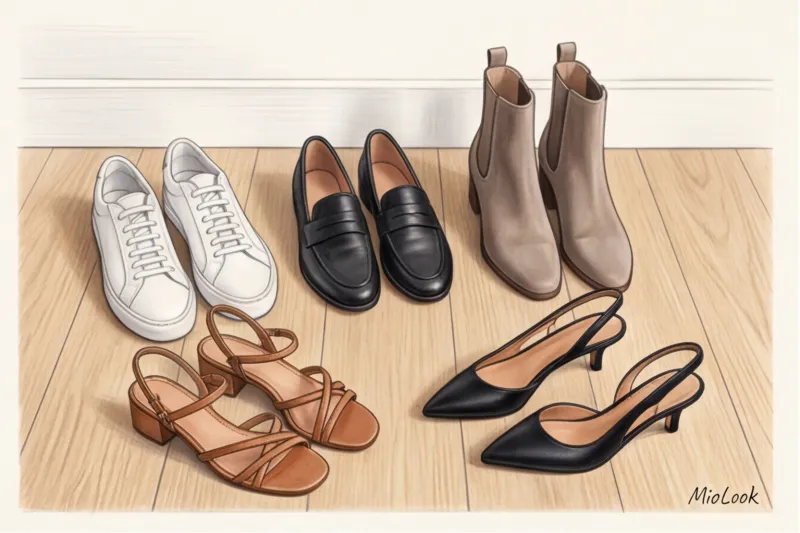
Surprisingly, these five pairs (loafers, white sneakers, slingbacks, skinny Chelsea boots, and tube boots) cover 95% of the everyday life of a city dweller. The remaining 5% are reserved for specific needs—trekking boots for hiking in the mountains or flip-flops for the beach.
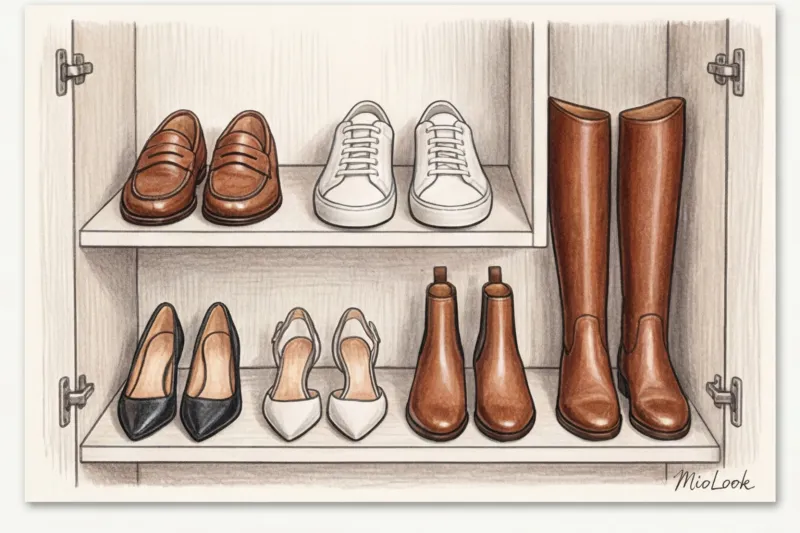
Conscious consumption doesn't start with buying things made from recycled plastic, but with avoiding impulse shopping. It's better to have five perfect, well-designed pairs that seamlessly complement your wardrobe than 20 average pairs that cause discomfort.
Take stock of your shoe shelves today. Evaluate your shoes not by how pretty they look on the shelf, but by how many miles you can walk in them with a smile on your face.