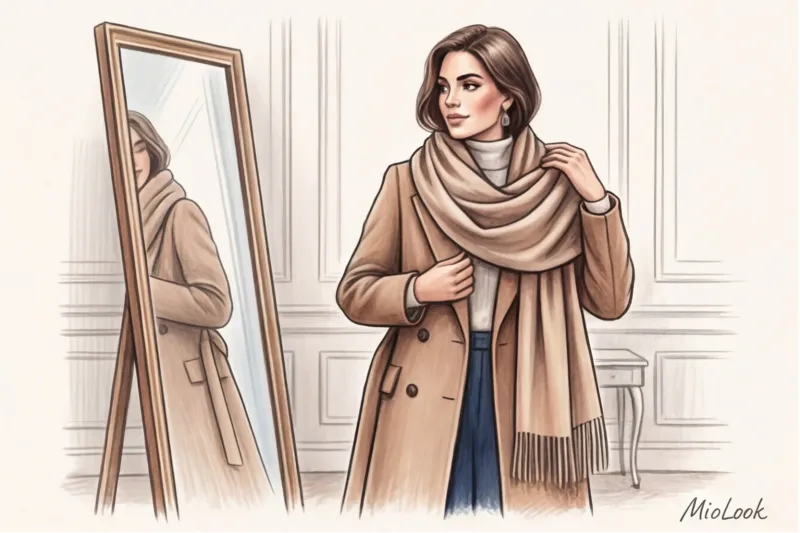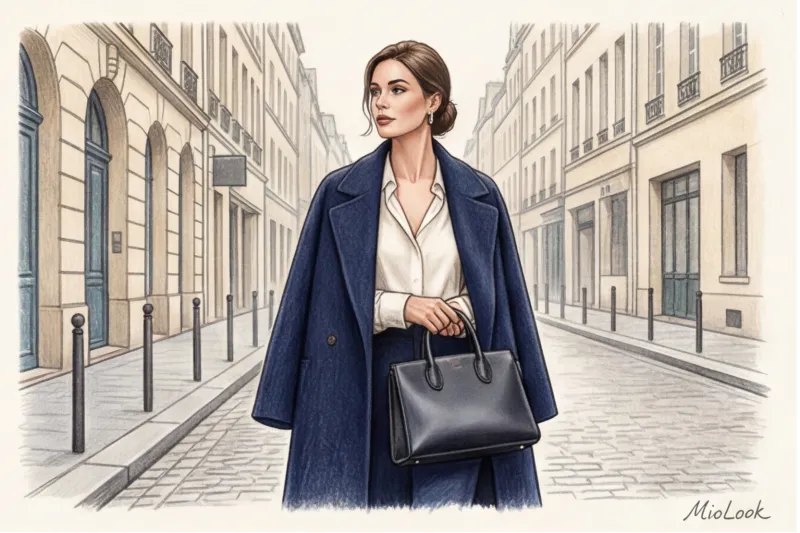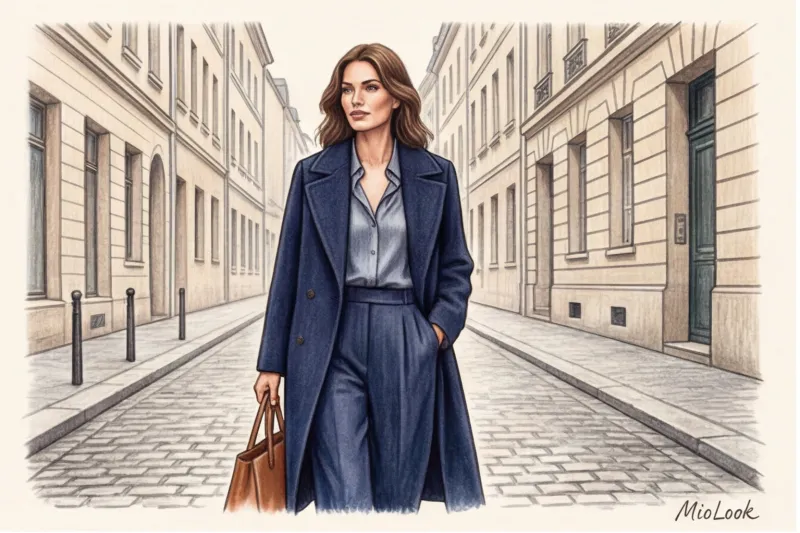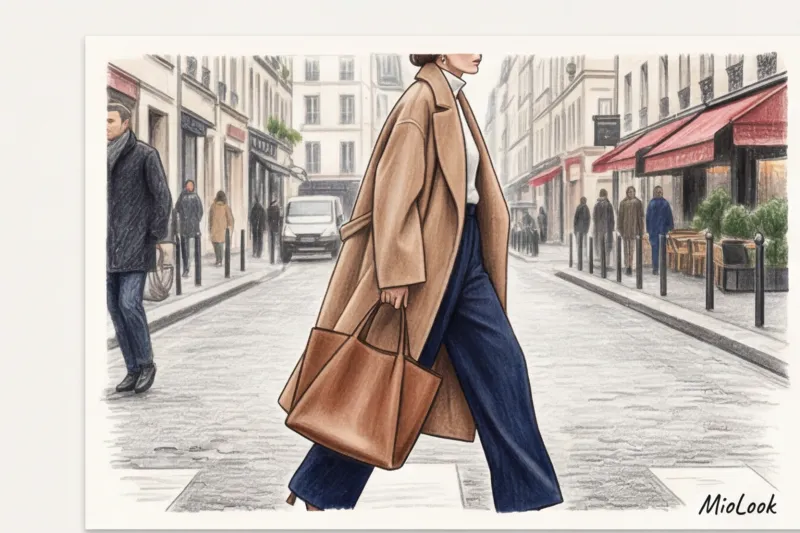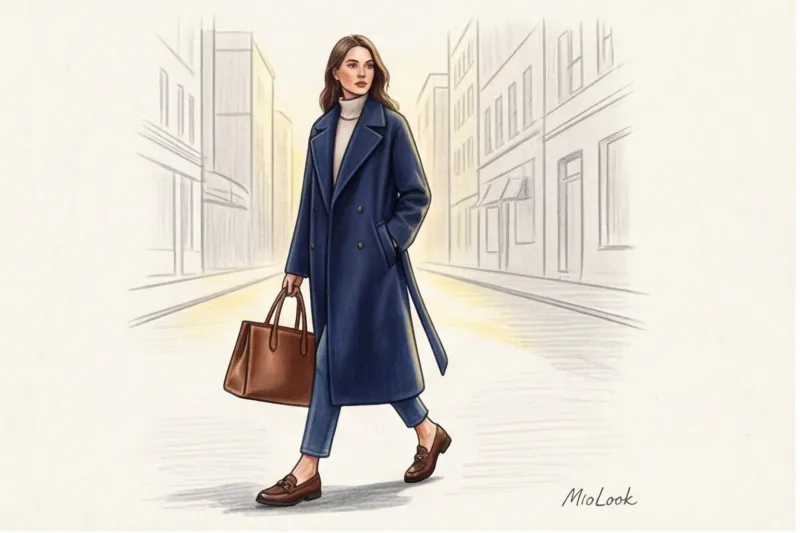
Recently, a client came to me with a question: "I bought the perfect logo-free tote bag for €2,500, but somehow my look still doesn't feel expensive." We opened her closet, and the solution was immediately apparent: next to gorgeous leather sat a squeaky acrylic sweater and thin polyester pants that clung to the edges with every movement. Spoiler alert: next to low-quality materials, even a luxury bag starts to look like a cheap replica.
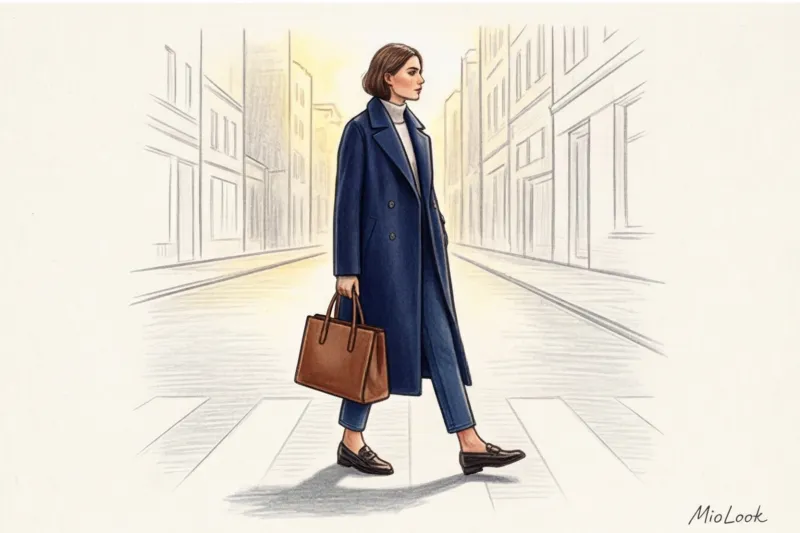
Unlike hundreds of articles that reduce quiet luxury clothing style With beige pieces and brands like Loro Piana becoming more popular, we'll explore this trend through the eyes of a textile expert. True status isn't found in color, let alone price, but in the density of the thread, the cut, and how the fabric reflects light.
We talked in more detail about the philosophy of consciously building a closet in our the complete guide to timeless style Today, we'll explore the physics and chemistry of a "high-end" wardrobe: how to recognize true quality and recreate the millionaire aesthetic while shopping in the mid-price segment.
What is the "quiet luxury" style in clothing, really?
According to a large-scale report Business of Fashion (BoF) By 2024, the era of logomania has officially ended. Economic cycles are relentless: during periods of global instability, conspicuous consumption becomes bad form. Enter stealth wealth (hidden wealth).
But don't confuse this style with normcore. Normcore is about blending in with the crowd through deliberately simple, utilitarian clothing (think Steve Jobs). Quiet luxury, on the other hand, demands exceptional attention to detail. It's a hand-stitched cashmere coat or a silk blouse that flows over the body like water. These are clothes for those who have already proven themselves and now choose comfort over status.
The Anatomy of Expensive Minimalism: Fabrics That Don't Lie
Fabric is 80% of the success of any look. You can buy a perfectly tailored jacket, but if it's made of thin, shiny synthetic material, the magic will be ruined at first glance.
Over 12 years of working as a stylist, I have developed my own personal tactile "fabric crumple" test When I go into a high-street or mid-range store (like COS or Massimo Dutti), I grab the edge of the garment in my fist, squeeze it hard for 5 seconds, and then release. High-quality wool, dense viscose, or high-twist cotton instantly straighten out or leave soft, natural creases. Cheap polyester or linen mixed with nylon turn into crumpled paper.
"The visual weight of a fabric and its reflective properties are the main price indicators. Natural fibers have a refined matte sheen, absorbing light, while cheaper synthetics reflect it, creating a characteristic 'glassy' luster," notes a textile technologist at The Woolmark Company.
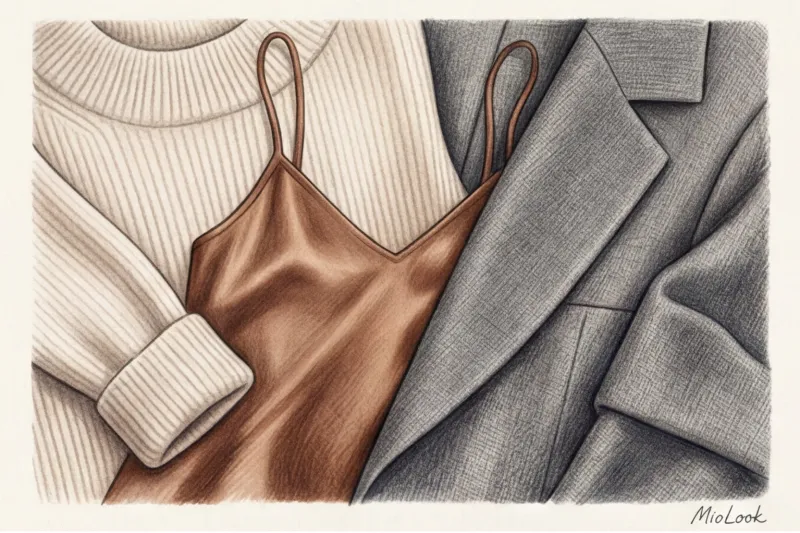
Natural versus synthetic: where is the line drawn?
The luxury trinity is unmistakable: cashmere, dense silk, and fine merino wool. However, there's a crucial counterintuitive element here. 100% natural composition isn't always a blessing. A fair rule: trousers made of 100% cotton or fine wool without lining will stretch out at the knees after the first day of work.
- Gold standard: From 2% to 5% elastane (spandex) is allowed in trousers, jackets, and skirts. This doesn't make the garment cheaper, but rather prevents it from becoming misshapen.
- Main enemy: Acrylic. It doesn't keep you warm, quickly becomes covered in hard pills, and creaks. An acrylic sweater will cheapen any look, even if you wear diamonds with it.
Let's count Cost Per Wear (cost per wear). You buy one high-quality cashmere sweater at a discount for €150. You wear it 100 times over three seasons. The cost per wear is €1.50. Or you buy four acrylic sweaters for €35 each, each of which loses its appearance after five washes (a total of 20 wears). The cost per wear is €7. Investing in natural fibers is simply more cost-effective.
Your perfect look starts here
Join thousands of users who look flawless every day with our AI stylist.
Get access — €0.99 onceCut and fit: why mass-market oversized clothing doesn't work
It's a huge mistake to think that a quiet luxury style can be achieved simply by buying two sizes too big. Architectural oversize (like The Row or Jil Sander) is built on a complex system of darts. These garments have dropped shoulders but perfect, unobstructed armholes. A typical mass-market item in an XL will simply feel baggy.
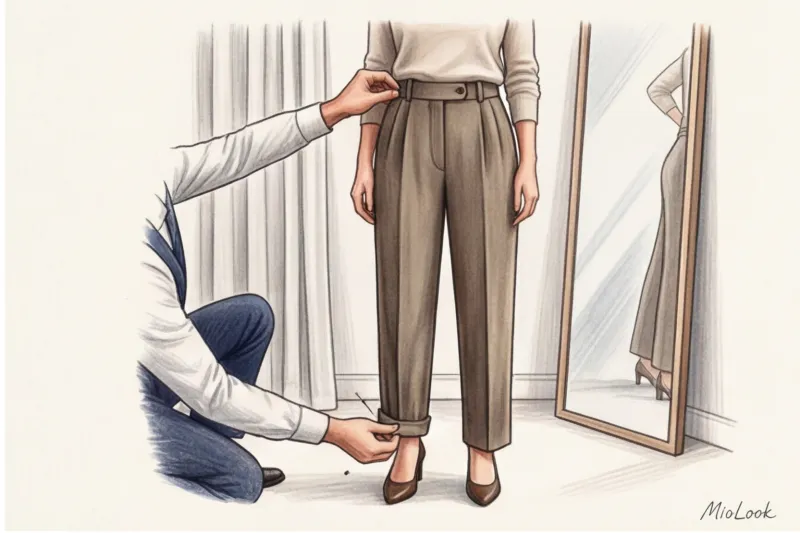
This is where the rule I call "Tailor Tax" comes into play. Never expect a store-bought item to fit you perfectly. My personal practice: I always buy classic trousers with extra length and have them tailored to my figure, after trying on the shoes I plan to wear them with.
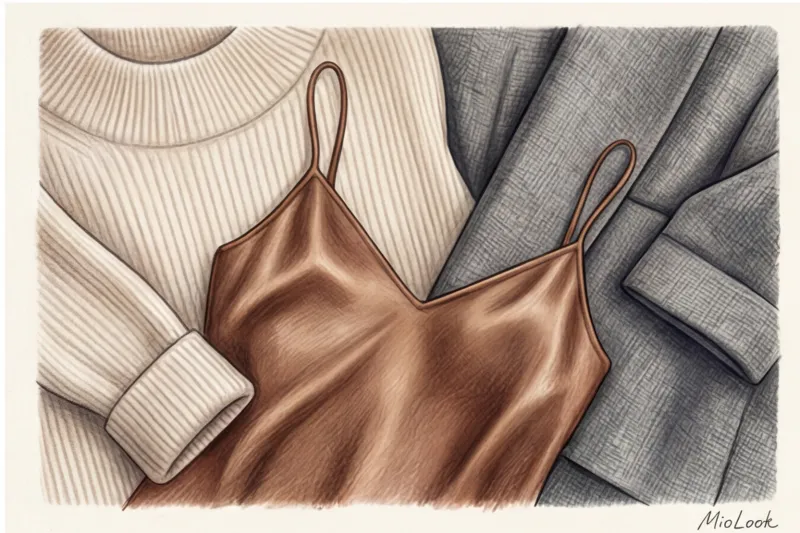
When it does NOT work: An architectural, rigid oversize is contraindicated for petite women (up to 160 cm tall) with delicate features. In this case, a sense of status is achieved through a semi-fitted cut and flowing fabrics (silk, cupra), rather than through the jacket's exaggerated shoulders.
Color Palette: Beyond the Beige Myth
It's time to debunk the biggest myth: beige won't make you look like a Descendants character. Beige polyester looks exactly like it sounds—cheap polyester. True "quiet luxury" can be burgundy, emerald, graphite, or dark chocolate.
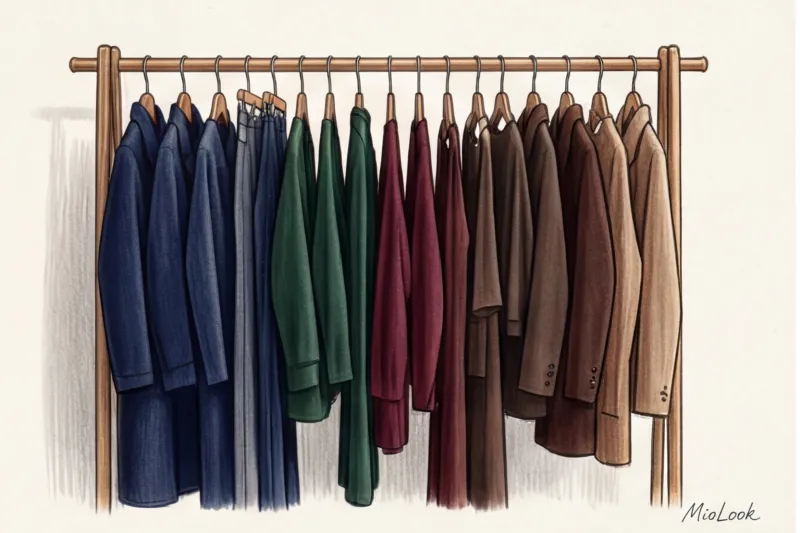
It's all about color and chemistry. Cheap synthetic fibers don't absorb or retain dye well. Therefore, mass-market fabrics often fail to produce truly deep, inky blues (navy) or rich blacks without bald spots and dullness. Deep shades on premium wool or silk appear much richer due to the structure of the fiber itself.
When putting together a monochromatic look (for example, all chocolate tones), remember: the difference in texture is more important than the exact shade match. Smooth silk, fluffy mohair, and thick, smooth leather will make the look complex and "expensive."
Access to MioLook for €0.99 — one-time payment
A smart AI stylist will create the perfect look, combining textures and shades in a "quiet luxury" style.
Get access — €0.99 onceDetails that give away the price: fittings, seams and lining
One of my clients once bought a stunning deep olive wool jacket for €120. The fabric was gorgeous, the cut was perfect. But it was ruined by hideous plastic buttons painted like "samovar gold." This single detail cheapened the entire look.
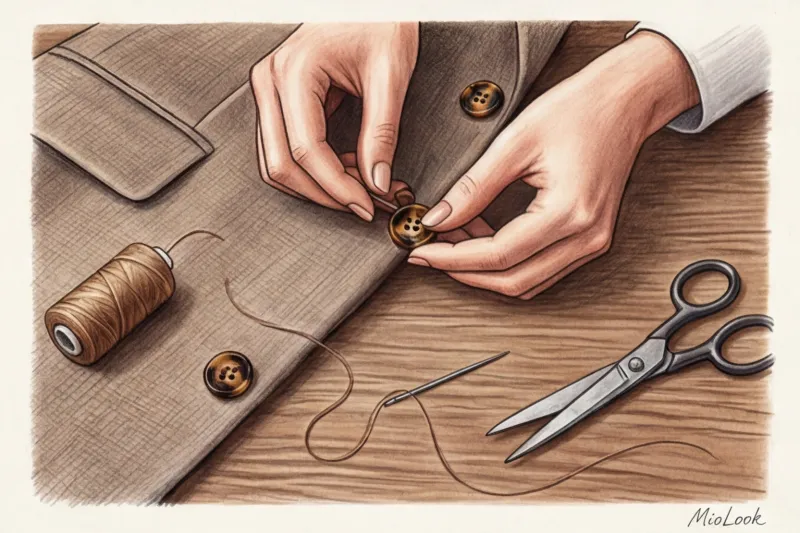
And now an insider A stylist's life hack for upgrading mass-market products:
- Buy a quality basic jacket or trench coat in the mid-range segment.
- Go to a hardware store and buy buttons made of natural horn, mother-of-pearl, metal or tortoiseshell (this will cost you about 10–15 €).
- Take it to a tailor or alter it yourself.
The second face of luxury is the inside. If you're choosing a coat or jacket, be sure to check the lining. Cheap polyester will create a greenhouse effect. Look for linings made of cupro, acetate, or viscose—they breathe, are glidy, and have a luxurious sheen.
Quiet Luxury Style: How to Build a Wardrobe Without a Millionaire's Budget
To exude status in your wardrobe, you don't need to empty your bank account. It's important to budget wisely. Don't invest hundreds of euros in basic white T-shirts—high-quality, heavyweight cotton from 180 g/m² can be found for €20–30. Where it's worth investing is in outerwear, shoes, bags, and watches.
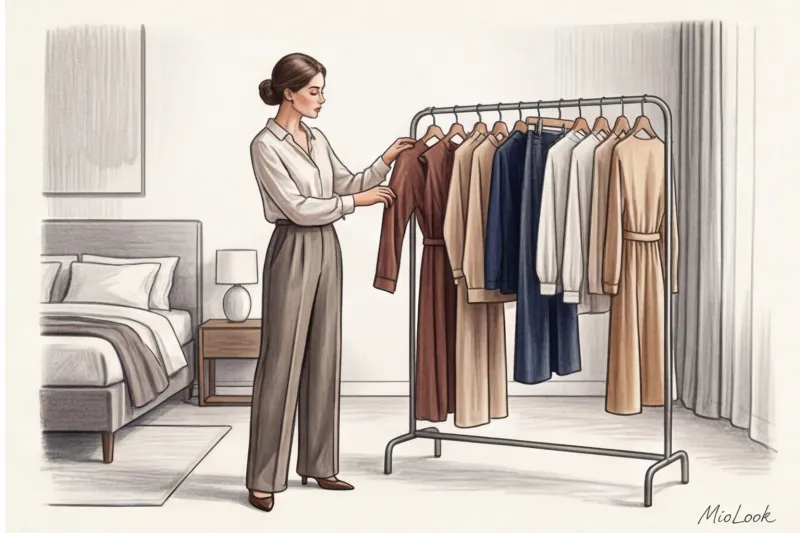
Checklist: 5 Basic Things to Get Started
- Structured coat midi length made of wool with added cashmere (shade: camel, navy or graphite).
- Classic straight or wide trousers with arrows made of dense suiting fabric with a correct fit at the waist.
- Merino wool sweater or a smooth cotton crew neck (avoid cable knits in favor of a smooth fabric).
- Leather loafers or minimalist ankle boots with an almond-shaped toe without unnecessary decoration.
- Rigid leather tote bag , holds its shape well, without large metal logos.
If your budget is limited (say, €100 to €300 for a large item), don't forget about resale platforms like Vestiaire Collective. A vintage Ralph Lauren cashmere jumper or a silk Celine blouse will cost you the same as a new acrylic piece from a mass-market store, but will last another ten years.
Caring for Your Things: The Invisible Foundation of a Status Image
Even a genuine Loro Piana sweater costing a couple thousand euros will look like junk if it's covered in pilling and has stretched marks on the shoulders from thin wire hangers. True luxury begins outside your closet.
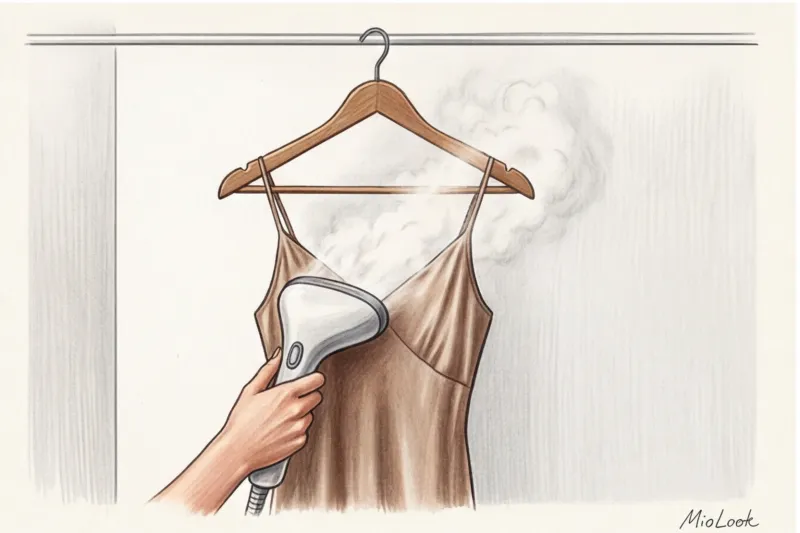
- Give up the iron. Ironing flattens fabric fibers, robbing them of their volume and that precious shine. Switch to a handheld or stationary steamer—the steam straightens the fibers from the inside.
- Reduce the frequency of washing. Research by The Woolmark Company (2023) confirms that high-quality merino wool has self-cleaning properties and is antibacterial. Simply air the sweater outside after wearing.
- Buy a lint remover and the right hangers. Wooden wide hangers for jackets and soft hangers for knitwear are an investment in the geometry of your items.
To sum it up, I want to emphasize the key point: the quiet luxury style isn't just an aesthetic for the wealthy. It's a return to a normal, thoughtful approach to clothing. It's choosing items that don't boast about their price, but that give you a sense of comfort, confidence, and inner strength every day. And you can start this journey today—simply by checking the ingredients on the labels in your own closet.