What is a shirt dress?
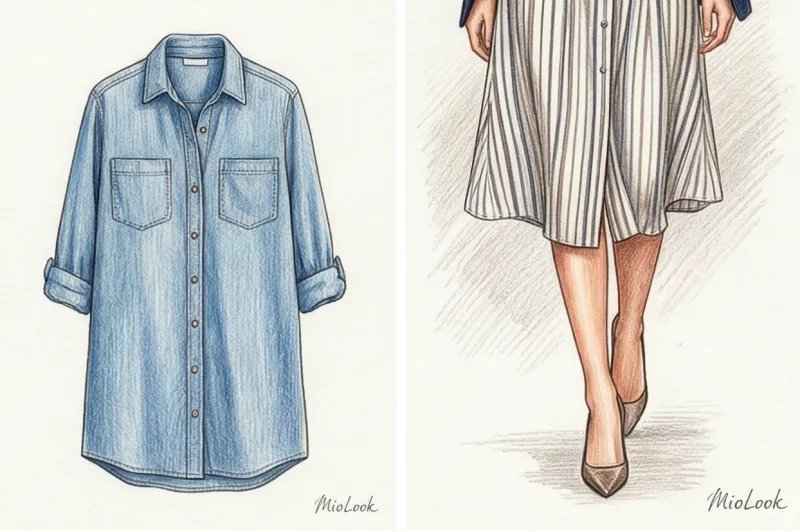
Shirt dress A shirt is a standalone item of women's clothing, its cut borrowing key elements from the classic men's shirt. Its key feature is the combination of the clean lines of a shirt with the feminine silhouette of a dress. This makes it a versatile staple for both business and casual wear.
Historically, the style became popular in the 1950s thanks to Christian Dior. The designer adapted the utilitarian uniform of World War II, adding an accentuated waist and a full skirt.
Distinctive features
The basic shirt dress has a number of characteristic design elements:
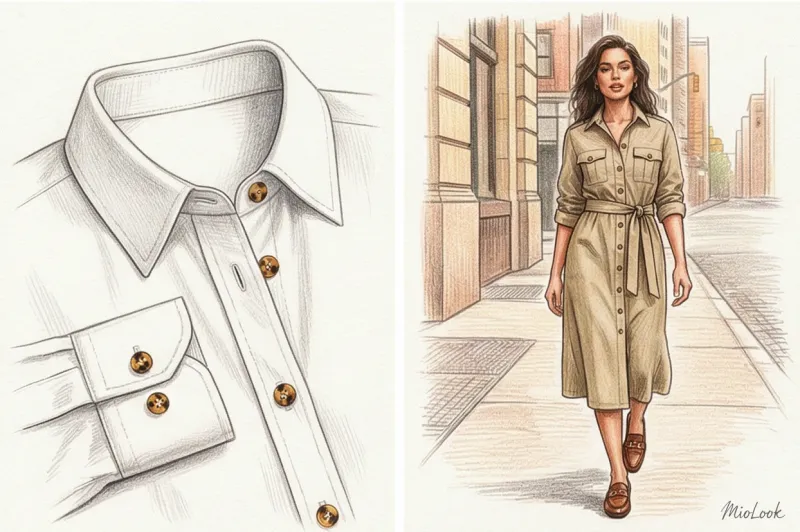
- Collar: classic turn-down shirt collar on a stand.
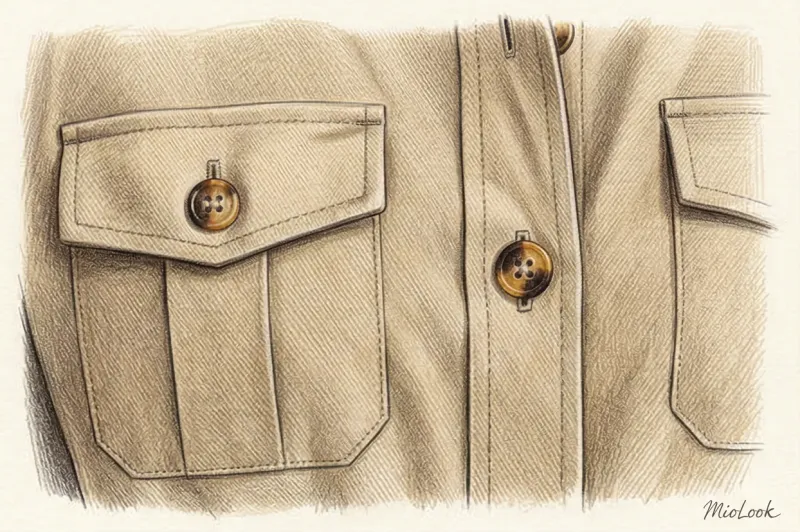
- Clasp: a vertical placket with buttons that runs the entire length of the garment or to the waistline, like a polo shirt.
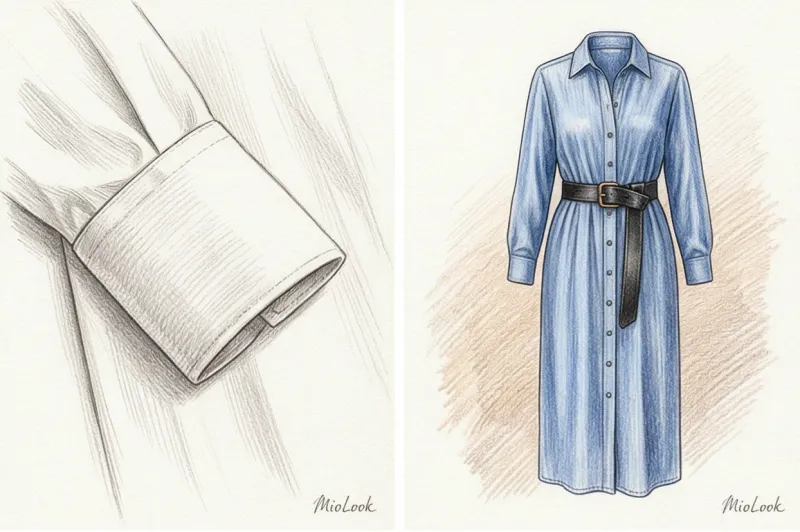
- Sleeves: set-in or dropped, often complemented by buttoned cuffs and tabs to secure the rolled edge.
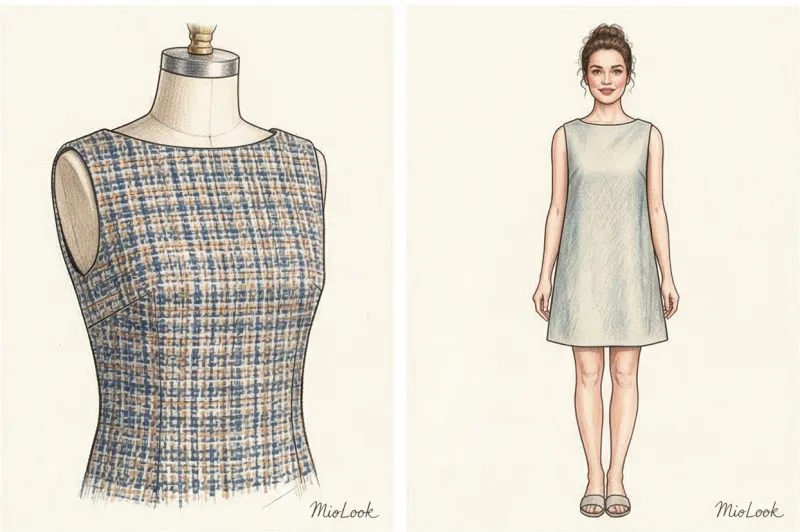
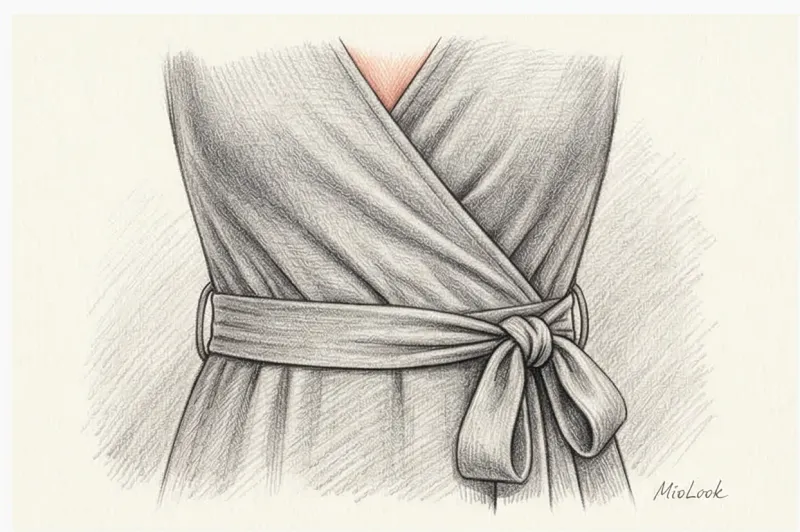
- Silhouette: Straight, trapezoid, or loose. The garment is often complemented by a belt made from the main fabric to create a fitted silhouette.
- Materials: Shape-stable and breathable fabrics are used for sewing. Basic models are made from dense cotton, linen, and denim, while more elegant variations are made from flowing viscose and silk.
What to combine with
The versatility of the cut allows the shirtdress to integrate into a variety of styles. For casual looks, pair it with white sneakers, sandals, or chunky boots. For a business-appropriate dress code, loafers, oxfords, or classic pumps are appropriate.
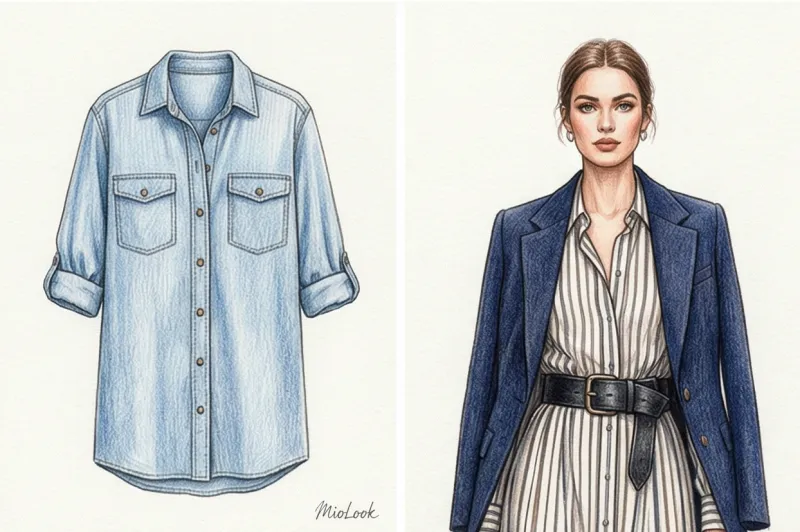
Shirtdresses work beautifully in layered outfits. They're layered over knit vests, oversized sweaters, or structured jackets, leaving the collar, cuffs, and hem visible. Straight-cut shirtdresses can be worn unbuttoned below the waist. Pair them with straight-leg jeans, leather pants, or leggings.
The silhouette is easily transformed with accessories. Wide smooth leather belts accent the waist, and the look is completed with rigid frame bags and silk scarves.