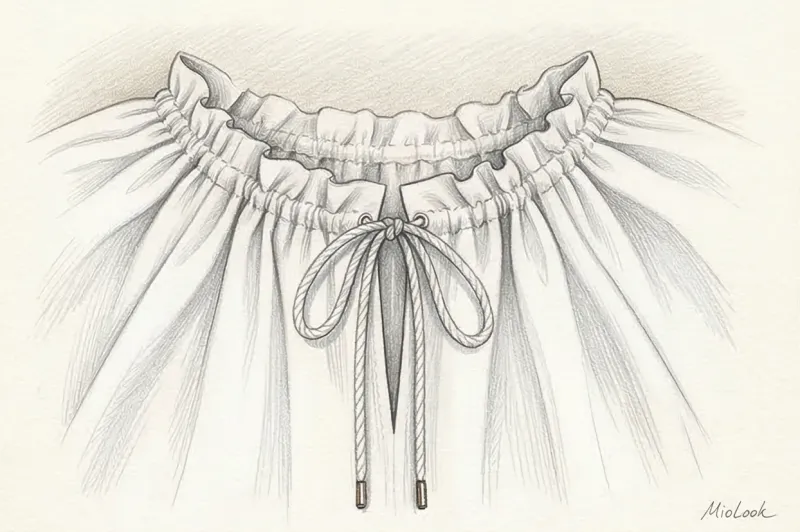
What is a parachute dress?
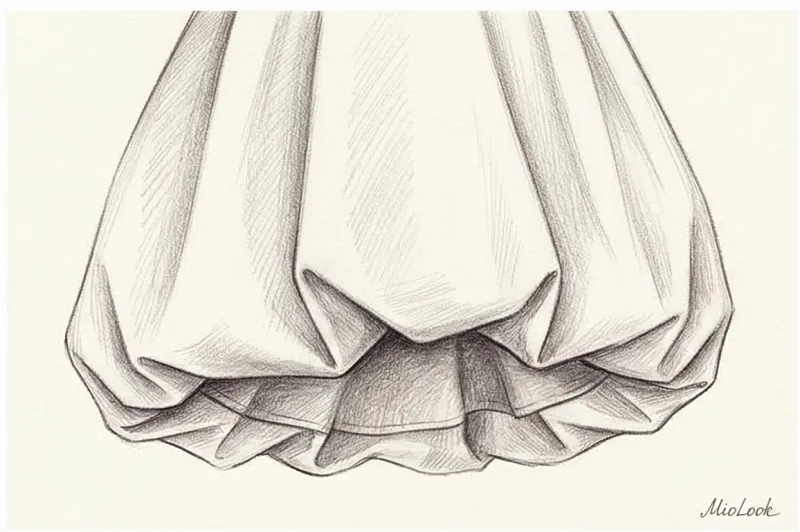
Parachute dress — This voluminous, loose-fitting dress, whose silhouette flares out at the bottom and visually resembles an open dome, creates an oversized, airy silhouette.
The style is inspired by the shape of a parachute and initially evokes the use of lightweight yet shape-retaining fabrics. The cut's popularity arose amid the global trend for hypervolume, actively promoted by brands such as Cecilie Bahnsen and Simone Rocha. Materials capable of retaining air and maintaining a desired shape are used: cotton poplin, taffeta, parachute silk, nylon, and heavy linen.
Distinctive features
The basic cut is an A-line or trapezoid shape with a high waistline. Extreme fabric flare begins at the shoulders or chest. This style is most often found in midi and maxi lengths, as the large area of fabric allows for the "parachute" effect to be fully realized.
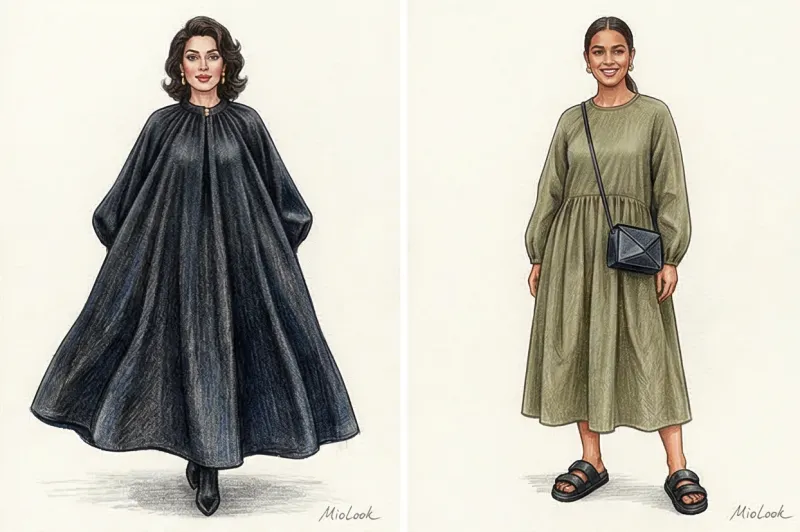
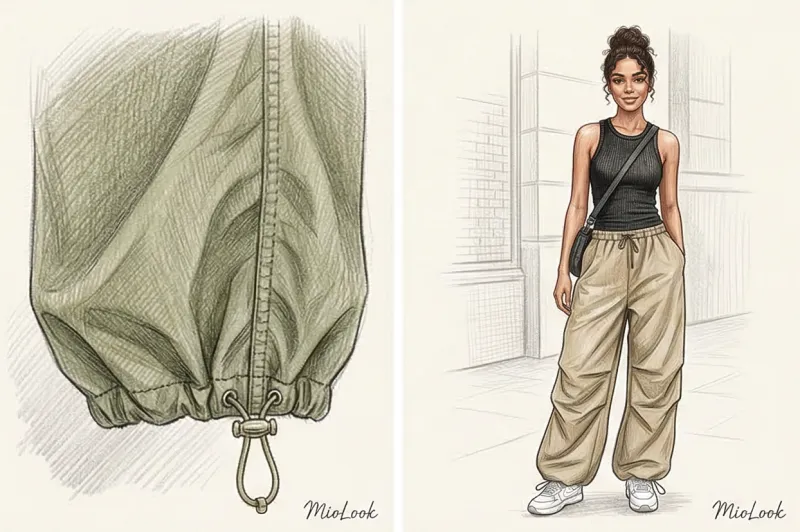
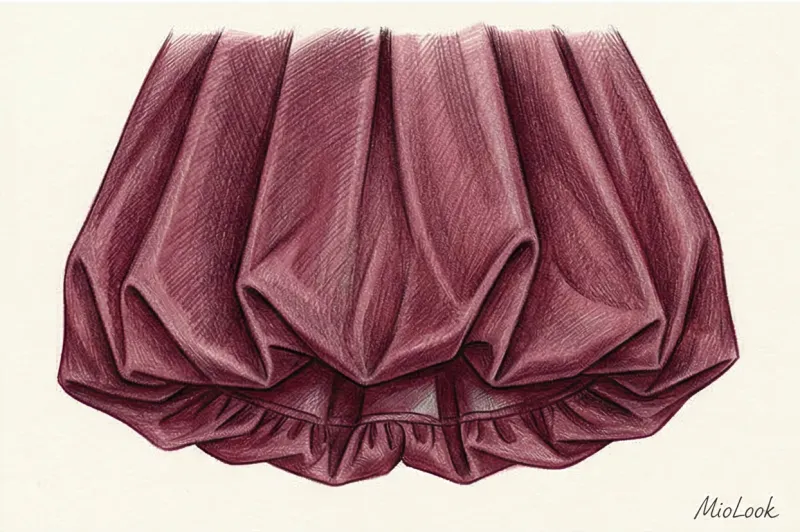
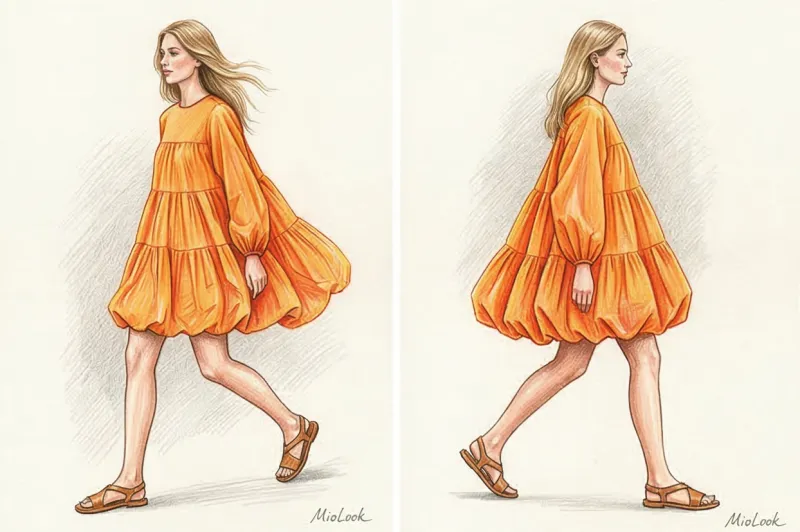
The design features abundant gathers, tiered details, drawstrings, and deep pleats. The hem is often finished with elastic bands, creating a balloon effect. This cut ensures maximum freedom of movement, good air circulation, and completely conceals curves.
What to combine with
To create a balanced look with a parachute dress, choose shoes that complement the voluminous hem. Chunky styles are ideal: thick-soled sandals, clogs, Birkenstocks, or chunky sneakers. An alternative option is minimalist sandals with thin straps that play off the amount of fabric.
For top layers, choose cropped denim or leather jackets that finish above the waist and maintain proportions. Accessories call for rigid, structured shapes. Small crossbody bags or baguettes with crisp geometric lines contrast with the softness of the dress.
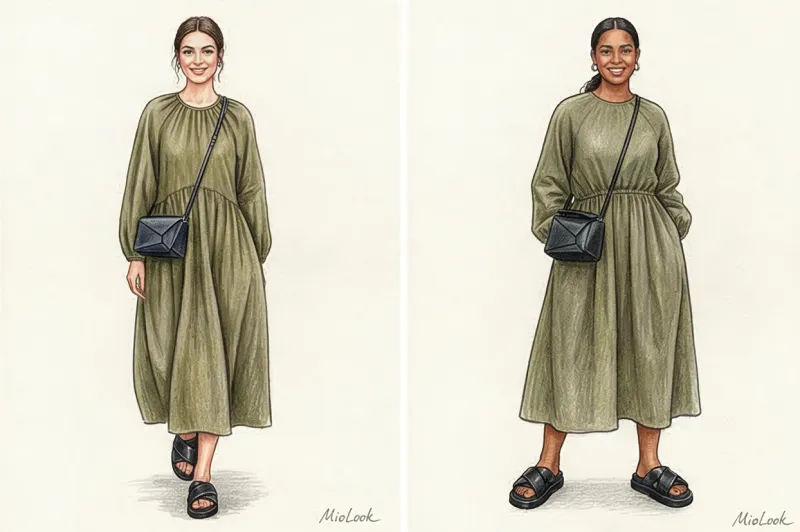
Traditionally, this style is worn loosely, without any additional accents. If necessary, the silhouette can be altered with a wide leather belt or a fabric corset, creating a sharp transition between the narrow waist and the full skirt.