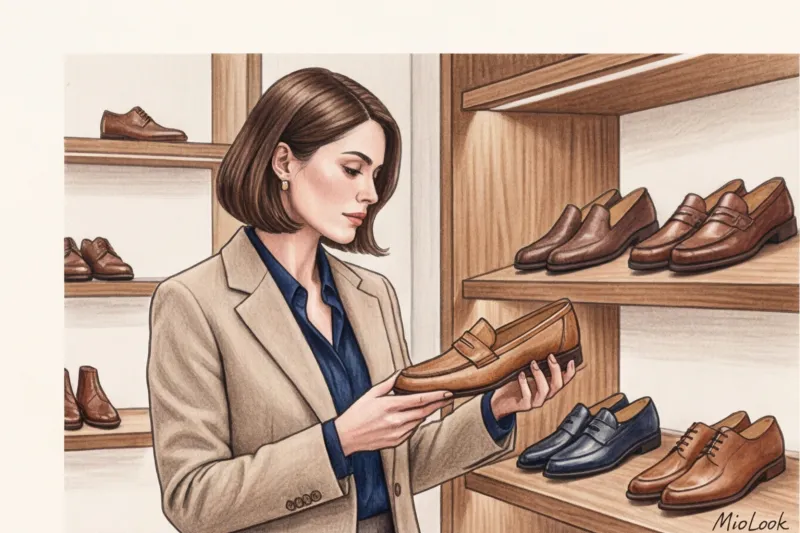
A few years ago, a client came to see me wearing a gorgeous wool Jil Sander suit, costing around €2,500. The cut was perfect, the fabric luxurious, the fit impeccable. But my gaze treacherously drifted downwards. On her feet were neon high-street sandals with plastic kitten heels. They weren't just out of place—they visually cheapened the expensive two-piece suit to the level of a frat party. It was then that I realized once again: the wrong pair can ruin even the most polished silhouette. Studying anti-trends in footwear , it is important to look not at the “fashionable-unfashionable” lists, but at the architecture of the silhouette.
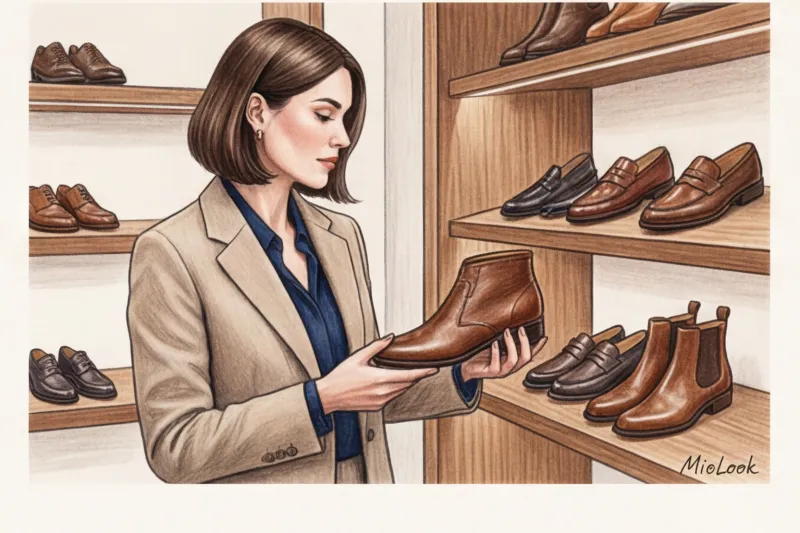
Shoes are the foundation. If the foundation is crooked, the entire building will appear lopsided. We've covered which styles are truly trendy right now and form the right foundation in our complete guide. Shoe trends: stylish styles for a modern look Today we'll talk about what you should categorically avoid to avoid ruining your look with cheap microtrends.
The Anatomy of Bad Taste: How to Spot Untrendable Shoes Before You Buy
To stop wasting money on shoes that will only leave you confused in a couple of months, you need to understand the difference between macro and micro trends. Macro trends (such as minimalism or comfort) last 3 to 5 years. Micro trends, aggressively promoted by fast-fashion brands, last exactly one season. Their main goal is to create artificial hype.
Brands like Zara and H&M often copy runway hits, but skimp on the most important thing: the last. Cheap, trendy shoes almost always suffer from poor weight distribution. Stylists can tell expensive staples from cheap, trendy shoes at a glance by the balance of the last and the shape of the toe.
"Shoes reveal who you really are before you even open your mouth," a craftsman told me during my visit to the closed factory of one of Milan's oldest shoemaking dynasties. And it's absolutely true.
Cheap trends ruin your figure's proportions. An incorrectly curved instep makes you slouch, and disproportionate embellishments weigh down your ankles. Before buying another "hyped" pair, ask yourself: how does this shape work with my height and leg length?
Anti-trend 1: Exaggerated "Ugly Shoes" and massive soles
It's commonly believed that chunky "dad sneakers" and huge platform soles are synonymous with incredible comfort. This is one of the most persistent myths of recent years. True comfort lies in the proper architecture of the shoe last and proper arch support, not in the amount of foam in the sole.
According to research by the American Podiatric Medical Association (APMA, 2023), excessive cushioning and inflexible, thick soles disrupt the natural biomechanics of the gait. The foot stops working properly, leading to strain on the knees and lower back. This means you buy "comfortable" oversized shoes, only to end up with back pain.
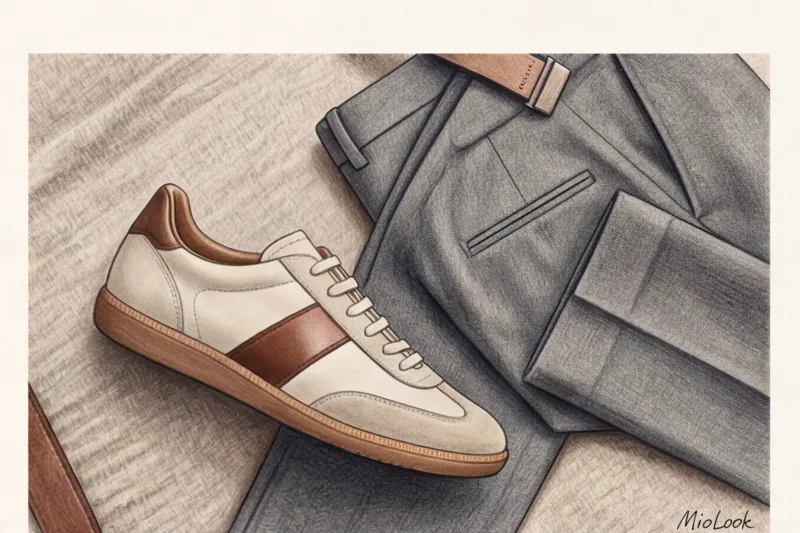
McKinsey's 2024 analysis confirms a global consumer shift from flashy fast fashion to the concept of quiet luxury. The "ugly shoe" aesthetic has finally left the fashion avant-garde. Bulky sneakers visually make feet appear two to three orders of magnitude larger and add weight to the bottom, especially when paired with lightweight dresses or classic trousers.
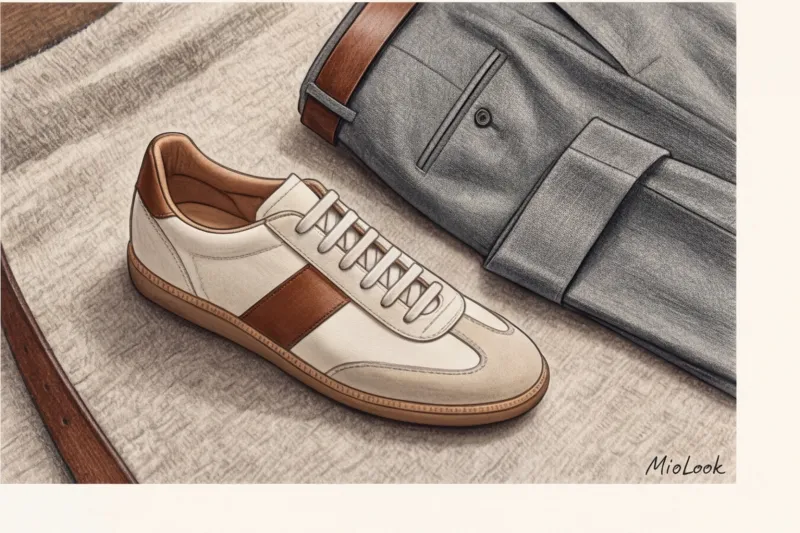
What to replace: Opt for retro sneakers made of genuine suede and leather with a flat yet flexible sole (inspired by vintage 70s running shoes). For a more formal look, elegant penny loafers with a classic thin sole are an ideal investment. They create that lightness and graceful lines that a luxury wardrobe aspires to.
Access to MioLook for €0.99 — one-time payment
A smart AI stylist will find the perfect look to match your new classic shoes.
Get access — €0.99 onceAnti-trend 2: Transparent plastic and vinyl
The trend for clear vinyl shoes is a classic example of how social media illusions shatter reality. In perfectly lit photos, the "bare leg" look is intriguing and visually elongates the silhouette. In real life, it's a disaster.
I personally tested this trend to have the moral authority to discourage my clients from it. The result? A greenhouse effect sets in after just 15 minutes of wear. Plastic doesn't breathe, feet sweat, the material begins to fog up from the inside, and the edges of the hard vinyl dig into the skin, leaving deep calluses. Shoes made from artificial, non-breathable materials last an average of 1-2 seasons, after which they're thrown in the trash. They'll never be an investment.
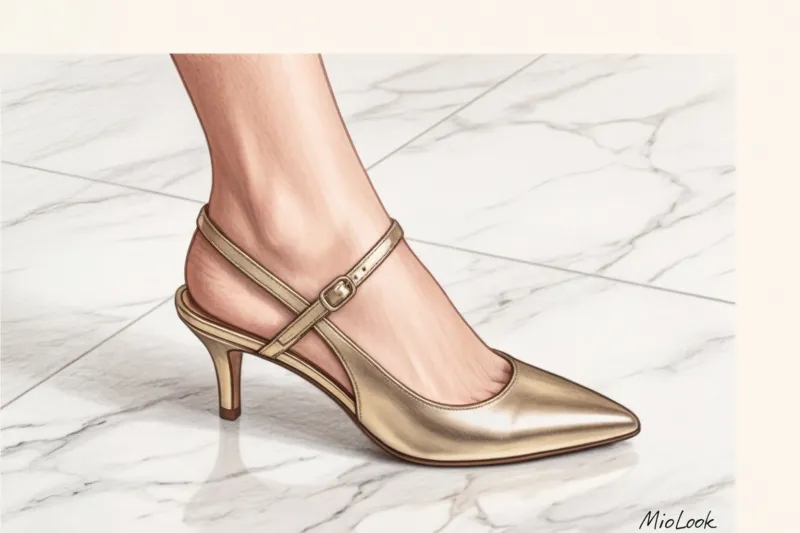
Of course, there are exceptions: tiny, barely noticeable transparent inserts on expensive leather shoes from premium brands can look elegant. But models made entirely of plastic are a dead giveaway.
What to replace: If you love the effect of a light, airy silhouette, consider mesh shoes, which are currently experiencing a renaissance. Also great alternatives are elegant metallic leather slingbacks (silver or light gold) or classic nude pumps made of soft suede. They blend with your skin tone, elongating your leg while still allowing your foot to breathe.
Anti-trend 3: Abundant and cheap decor
Rhinestones, aggressive studs, huge gold logos on buckles, and scattered faux pearls on casual shoes are a marker of insecurity. When shoes literally scream "look at me, I'm dressed up," they almost always look provincial.
There's a golden rule in the philosophy of an investment wardrobe: high-quality leather doesn't need excessive embellishment. The texture of the material should speak for itself. As stylists at Italian fashion houses often say, the hardware on shoes or bags should be of the same quality as on an expensive watch.
Cheap metal quickly tarnishes, rhinestones fall off after the first encounter with real city sidewalks, and huge logos turn you into a walking advertising billboard (often a counterfeit advertising billboard).
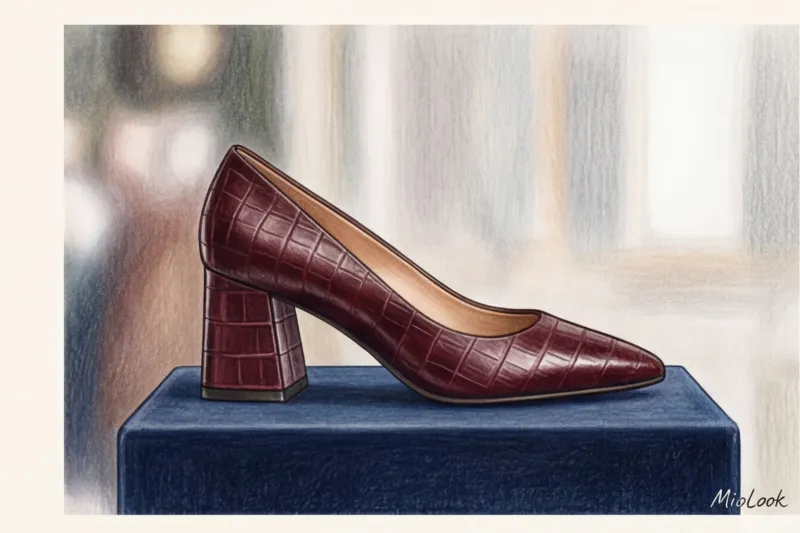
What to replace: Focus on shape and texture. Sculpted geometric heels, crocodile or python embossing, and minimalist cast hardware in matte brass. For a bold statement, opt for a deep burgundy or a sophisticated olive shade of smooth leather.
Your perfect look starts here
Join thousands of users who look flawless every day with MioLook, creating capsule looks without unnecessary embellishment.
Get access — €0.99 onceAnti-trend 4: The Bratz Doll-Style Round Nose
Shoes and ankle boots with enormous platforms and exaggeratedly round toes took the market by storm a couple of years ago. This infantilizing trend, which makes the foot resemble a Bratz doll's, now seems hopelessly outdated.
Let's look at the silhouette's geometry. This is a fundamental rule for stylists: a pointed or elongated toe visually extends the line of the leg, making it appear slimmer and longer. A round, blunt toe paired with a heavy platform literally chops off the leg, weighing down the calves and thighs. This is contraindicated for 90% of women, especially if you're shorter than 170 cm.
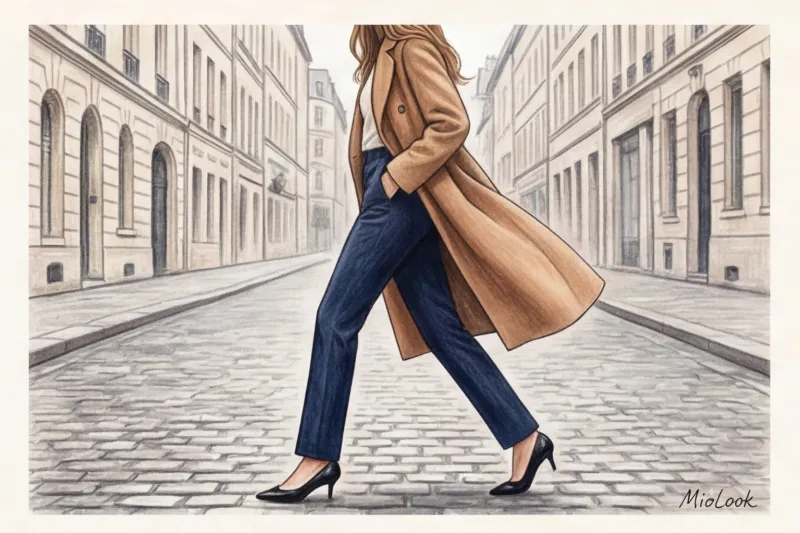
The only time a round toe works is with a flat, classic Mary Jane in a preppy style with white toes. But the moment we add a platform and a chunky heel, the elegance fades.
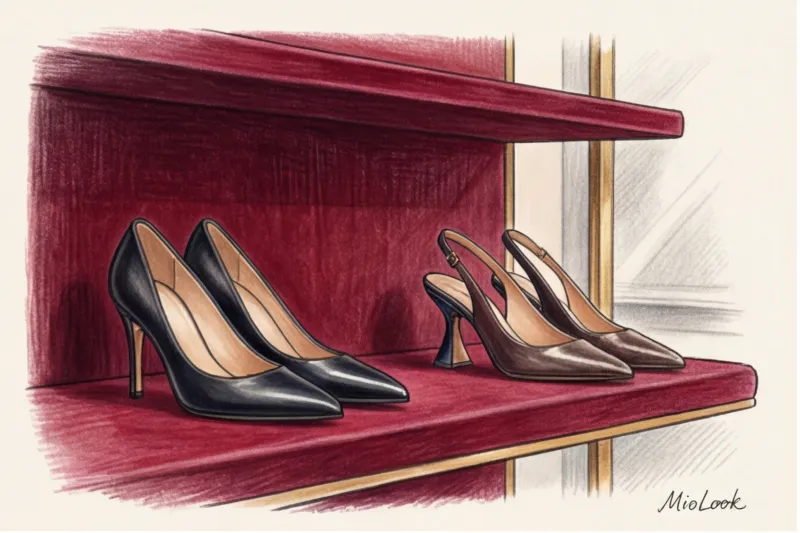
What to replace: These shoes feature a soft square toe (a nod to '90s aesthetics), a classic pointed toe, and a sleek kitten heel (2-4 cm). These styles look chic with straight-leg jeans in a casual office setting, as well as with evening pantsuits.
Investment Approach: Cost-per-Wear Formula for Footwear
I always tell my clients: we're not rich enough to buy cheap, anti-trend pieces. To understand a piece's true value, you need to use the Cost-per-Wear (CPW) formula—the price per wear.
Let's say you gave in to an impulse and bought a pair of trendy faux leather ankle boots with a clear plastic heel for €100. Because of their distinctive look and uncomfortable last, you'll only wear them five times per season. Your cost-per-wear will be €20 per outing. After six months, they'll be worn out and out of fashion.
Now let's take a pair of classic, handcrafted leather loafers for €400. Thanks to their impeccable quality and versatile design, you'll wear them at least 100 times a year for 5 years. Your cost-per-wear will be just €0.80 per occasion! And for each of those 500 occasions, you'll look classy and feel absolutely comfortable.
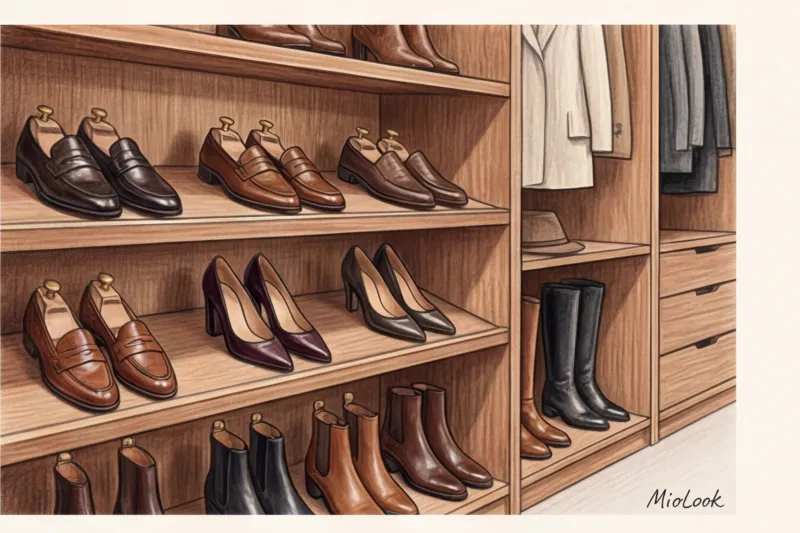
Handmade shoes made from Italian leather, with proper care, last from 5 to 10 years. How to recognize an investment pair:
- Genuine leather lining inside (no synthetics, otherwise the foot will not breathe).
- Uniform, fine stitching without protruding threads.
- A stable, properly centered heel (if you place the shoe on a flat table and press lightly on the toe, the heel should not come off the surface).
- Lack of glue at the junction of the sole and the upper.
Checklist: Shoe Wardrobe Revision
Theory is great, but let's get practical. How do you know which shoe trends have already settled in your closet? When reviewing the wardrobes of VIP clients, I use the "three-second rule." You take out a pair, look at it, and ask yourself, "If I were going to an interview at my dream company or on a date with my dream man today, would I wear this?" If you hesitate for more than three seconds, the pair is either outdated or worn out.
Divide questionable shoes into three categories:
- For disposal/recycling: Shoes made of artificial materials with cracks, worn-out Ugg boots, models with irreparable scuffs and unbalanced lasts. Don't save them for the "dacha"—respect your feet.
- For restoration: A high-quality leather base. Worn heels, scratches on the toes of expensive pumps, or discolored suede ankle boots. A good specialist will restore them to life for €20–€30.
- Archive: The items are in perfect condition, but show clear signs of being out of fashion (those chunky sneakers with neon accents). They can be sold on resale platforms.
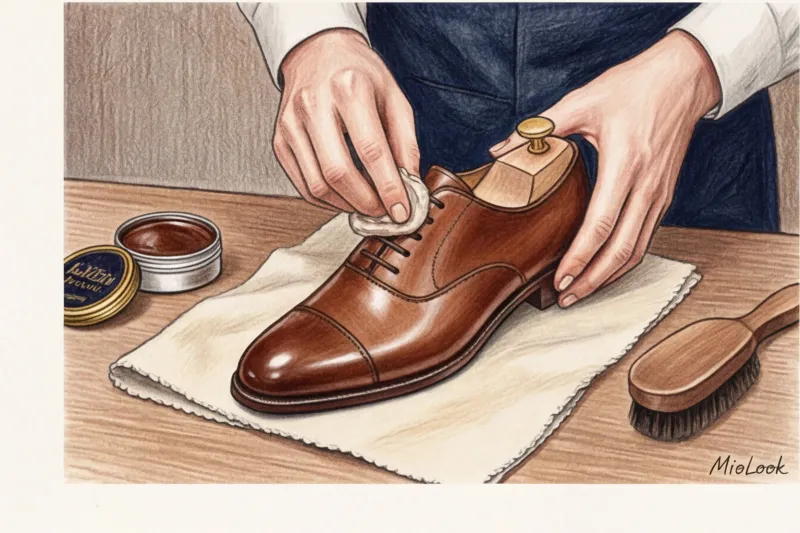
Finally, the most important piece of advice that 8 out of 10 women neglect. Expensive shoes require proper storage. Buy shoe trees made of unvarnished cedar. Cedar absorbs moisture, deodorizes, and smooths out creases in the leather. Insert them into your shoes immediately after taking them off. This will double the life of your investment pair.
Eschewing microtrends isn't about limiting yourself; it's about taking your style to a new level. When you stop chasing the latest hype and start investing in the architecture of your silhouette and the quality of your materials, your wardrobe will work for you. Choose shoes that make your stride light and your look flawless.